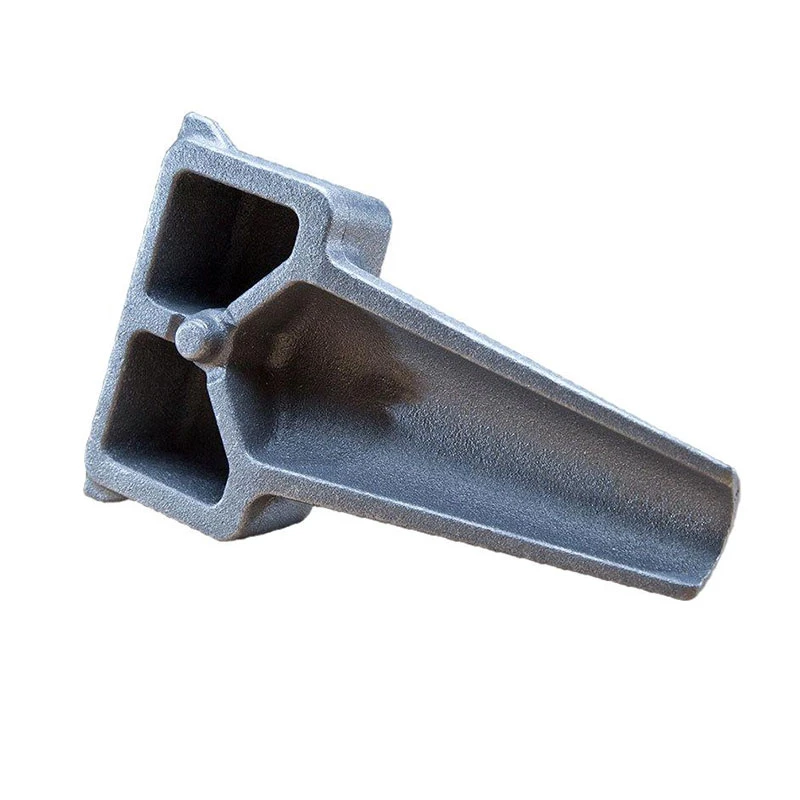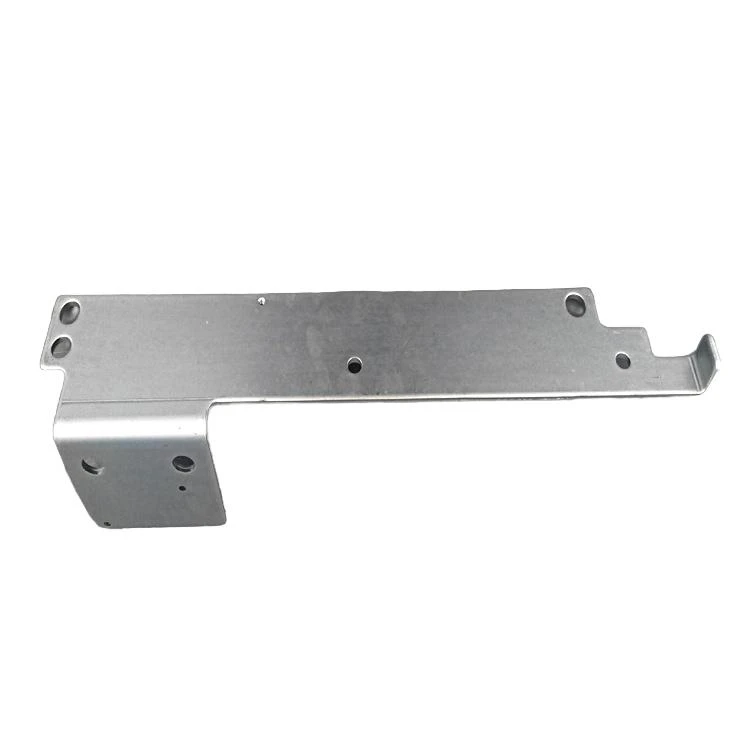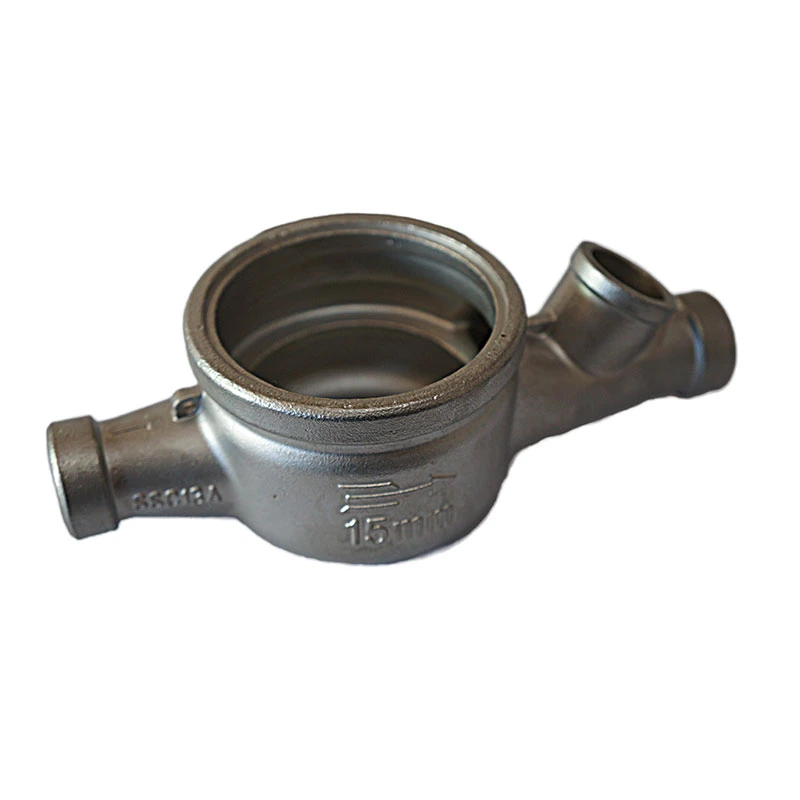



Precision OEM Couplings from a Leading Investment Casting Company
Securing high-precision OEM couplings requires a strategic balance between material integrity and dimensional accuracy. In complex mechanical assemblies, the coupling acts as the critical link for torque transmission, meaning any minor deviation in the casting process can lead to premature wear or system failure. For engineers in the machinery and pipeline sectors, sourcing components that can withstand high stress while maintaining strict tolerances is a primary procurement challenge.
Baoding Hairun Machinery Equipment Trading Co., Ltd. addresses these needs by integrating advanced metallurgical expertise with rigorous CNC machining. By leveraging diverse production processes—including investment casting and sand casting—we provide customized coupling solutions using high-performance metals such as alloy steel, titanium, and nickel, as well as non-metallic options like PTFE. This comprehensive approach ensures that every component is optimized for its specific operational environment, from heavy-duty construction machinery to sensitive food processing equipment.

Material Selection and Metallurgical Properties for Industrial Couplings
The performance of an OEM coupling is fundamentally determined by its material composition. Depending on the application, the requirement for corrosion resistance, tensile strength, or thermal stability varies significantly. We utilize a broad spectrum of metallic materials to meet these diverse engineering demands:
- Steel and Alloy Steel: Ideal for high-torque applications in construction and heavy machinery where structural rigidity is paramount.
- Aluminum and Copper: Selected for components requiring lightweight properties or superior thermal and electrical conductivity.
- Nickel and Titanium: Employed in aerospace and marine environments to provide exceptional resistance to oxidation and corrosive agents.
- Non-Metallic Materials: We integrate fiberglass board and PTFE for specialized couplings requiring low friction or chemical inertness.
Our technical team analyzes drawings to determine the optimal preform and material grade. By matching the metal's chemical properties with the expected stress loads, we ensure that the finished coupling exhibits the necessary yield strength and hardness to prevent deformation during high-speed rotation or extreme pressure cycles.

Advanced Production Workflow from Drawing Analysis to Finished Product
Achieving micron-level precision in coupling production requires a disciplined, multi-stage manufacturing workflow. Our process begins with a deep-dive analysis of customer drawings to determine the most efficient casting method, whether it be the high-detail finish of investment casting or the robust capacity of sand casting.
Once the process is defined, we implement a rigorous execution sequence: Preform Selection > Equipment Calibration > Clamping > Precision Passing > Final Inspection. This structured approach minimizes material waste and ensures that the geometric center of the coupling is perfectly aligned, reducing vibration in the final assembly.
To complement the casting phase, we provide extensive post-processing services. Our facility is equipped for turning, milling, planing, grinding, and boring. For components with intricate geometries, we utilize complex surface machining and special machining techniques to ensure that the interface between the coupling and the shaft is seamless, adhering strictly to the provided technical specifications.
Critical Quality Assurance and Non-Destructive Testing Standards
In the casting industry, internal defects such as porosity or inclusions can be catastrophic. To mitigate these risks, we employ a comprehensive inspection regime that goes beyond simple dimensional checks. Every batch of OEM couplings is subjected to a detailed Material Report, covering chemical contents, tensile strength, and hardness.
For high-criticality parts used in aircraft or steam turbines, we offer a suite of non-destructive testing (NDT) options upon request:
- X-Ray Testing: To detect internal voids or casting defects that are invisible to the naked eye.
- Ultrasonic Testing: To verify the structural integrity and thickness of the metal walls.
- Magnetic Particle Inspection: To identify surface and near-surface discontinuities in ferromagnetic materials.
Our quality control is managed by experienced engineers who ensure that the surface treatments—including painting, plastic spraying, and cathode electrophoresis—not only provide a professional finish but also enhance the component's resistance to environmental degradation.
Coupling Material and Application Suitability Matrix
| Material Type | Primary Advantage | Common Application | Suitability Level |
|---|---|---|---|
| Alloy Steel | High Tensile Strength | Construction Machinery | High |
| Titanium | Corrosion Resistance | Aerospace / Marine | High |
| Aluminum | Low Density/Weight | Auto Parts | Medium |
| PTFE | Chemical Inertness | Food Machinery | High |
| Ductile Iron | Impact Absorption | Pipeline Pumps | Medium |
Strategic Sourcing and End-to-End Supply Chain Integration
Procuring custom cast parts involves more than just selecting a factory; it requires a partner who can manage the complexities of international trade and technical synchronization. We offer extended services that transform us from a simple vendor into a strategic sourcing partner. This includes conducting thorough supplier assessments and negotiating terms to ensure the best value without compromising on quality.
To reduce the risk associated with mass production, we provide sample and trial production support. This allow buyers to verify the fit, form, and function of the coupling before committing to bulk orders. Once the design is validated, we handle the entire logistics chain, from coordinate packaging in plywood cases or pallets to managing port collection.
Furthermore, we simplify the complexities of cross-border procurement by offering end-to-end support for customs declaration, clearance, and space booking. This ensures that components reach the assembly line on time, regardless of the destination country, whether in the United States, Germany, Japan, or France.
Future Directions in Precision Casting for Modular Machinery
The trend toward modular machinery is driving a demand for couplings that are lighter yet stronger, often requiring the use of non-ferrous metals and hybrid materials. As industries move toward higher efficiency and lower energy consumption, the precision of the casting process becomes the deciding factor in reducing friction and mechanical loss.
We are focusing on the integration of tighter tolerances and more advanced surface treatments to meet the needs of the next generation of steam turbines and aircraft components. By combining our capacity of 3,000 tons annually with scientific management, we are evolving our processes to support more complex geometries that were previously only possible through expensive subtractive manufacturing.
For procurement managers, the key to future-proofing their supply chain lies in partnering with a versatile investment casting company that can pivot between different casting methods and materials as technology evolves. Our commitment to honesty and innovation ensures that we remain at the forefront of the metal casting industry, delivering reliability to the global market.
Technical and Procurement FAQ for OEM Couplings
What materials are available for customized OEM couplings?
We offer a wide range of metals including steel, aluminum, copper, iron, nickel, and titanium, as well as non-metallic materials such as PTFE and fiberglass board to suit various industrial requirements.
Can you provide inspection reports for material quality?
Yes, we provide comprehensive dimension reports and material reports including chemical composition, tensile strength, yield strength, and hardness for every order.
What non-destructive testing options are available for critical parts?
Upon request, we can provide X-ray test reports, Ultrasonic test reports, and Magnetic particle test reports to ensure the internal and surface integrity of the casting.
Do you support sample production before bulk ordering?
Yes, we provide sample and trial production support so that customers can test and verify the quality and fit of the product before proceeding to mass production.
What surface treatments can be applied to the couplings?
We offer various surface treatments according to customer drawings, including various types of painting, plastic spraying, and cathode electrophoresis.
How do you handle international shipping and customs?
We provide end-to-end logistics support, including packaging (carton, plywood cases, pallets), space booking, customs declaration, and customs clearance to ensure smooth delivery.
Technical Industry References
- ASTM International - Material Testing Standards
- ISO - Quality Management Systems (ISO 9001)
- NIST - Precision Measurement and Standards
- ASME - Mechanical Engineering Codes
Whether you are developing a new piece of machinery or replacing critical components in an existing system, the right coupling is essential for operational stability. Contact us today to discuss your drawings and discover how our precision casting capabilities can optimize your product performance.
Related Engineering Insights