


Comprehensive Guide to Numatics Precision Limit Valve – Features, Uses, and Vendors
Understanding the Role of Numatics Precision Limit Valve in Modern Industry
In an era where precision controls almost every aspect of industrial automation, the numatics precision limit valve quietly stands out as one of the essential components keeping systems safe, efficient, and reliable. Whether you’re aware of it or not, these valves influence the way machinery behaves in factories, energy plants, or even humanitarian relief operations. Knowing how and why this technology matters is more than a niche concern — it’s a window into the intricacies of global industrial development.
Why Numatics Precision Limit Valve Matters on a Global Scale
Globally, industries constantly benchmark performance, safety, and sustainability. According to the International Organization for Standardization (ISO), equipment precision directly impacts energy efficiency and reduces waste. That’s where precision limit valves enter the picture: These devices provide exact control over pneumatic pressures and movements, preventing costly damage and downtime.
Consider this — the United Nations Industrial Development Organization (UNIDO) reports that emerging markets, especially in Asia and Africa, are rapidly expanding manufacturing sectors. These industries need reliable valve systems that are both cost-effective and highly precise, which limits operational risks and environmental impact. In other words, the numatics precision limit valve is central to a solution that’s both technical and humanitarian.
Mini Takeaway: The global rise of manufacturing coupled with tighter environmental regulations positions the numatics precision limit valve as a crucial piece in sustainable industrial progress.
What Exactly Is a Numatics Precision Limit Valve?
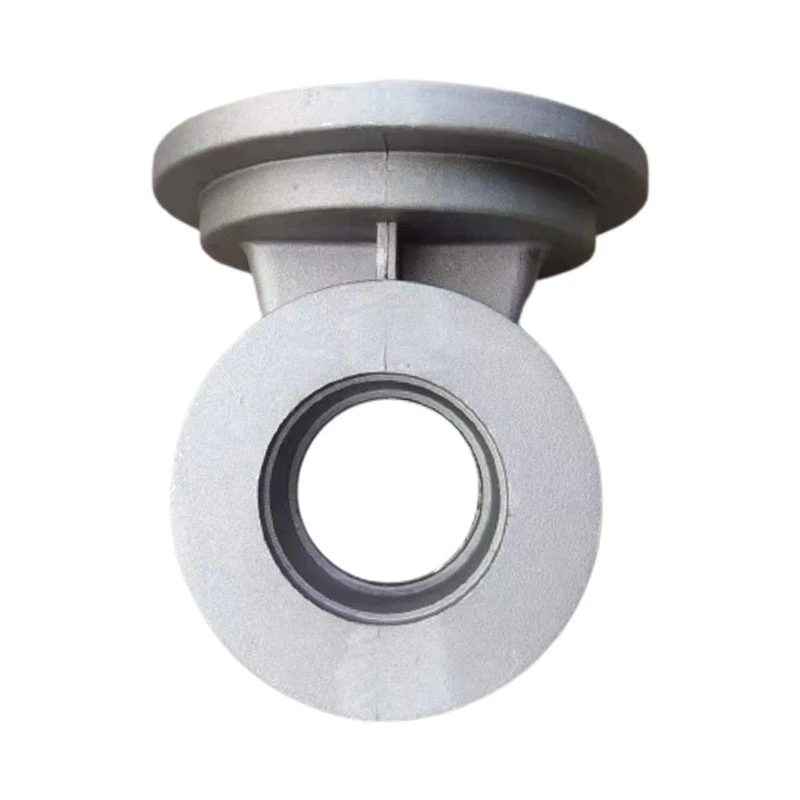
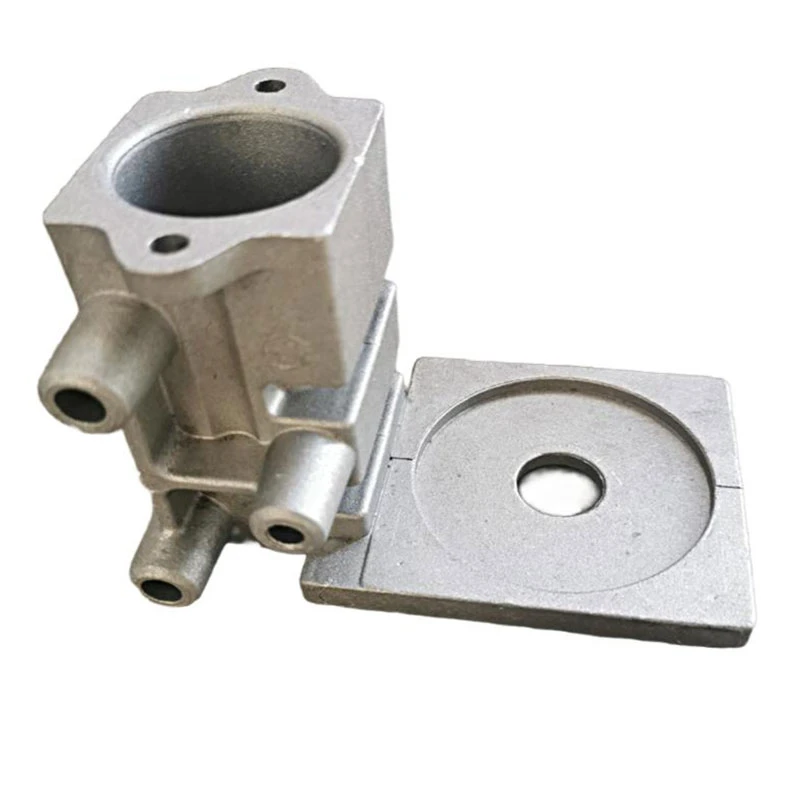
At its core, a numatics precision limit valve is a pneumatic device designed to control and limit the pressure or position of a moving element, ensuring the system operates within safe, defined limits. Think of it as a guardian for pneumatic systems, ensuring that motions don’t exceed predetermined thresholds.
Unlike broader valve types that simply regulate flow, these precision limit valves act with fine-tuned accuracy, responding instantly to prevent overshooting or unsafe operating conditions. This functionality makes them indispensable in sectors like automotive manufacturing, packaging lines, and even in remote resource extraction facilities.
numatics precision limit valve designs often feature compact builds with high repeatability, meaning they consistently perform the same action without fail — an essential trait when safety and quality matter.
Core Components and Design Features
1. Durability and Material Selection
These valves usually need to withstand harsh environments — corrosive chemicals, extreme temperatures, or continuous pressure fluctuations. Manufacturers often use stainless steel, brass, or specially coated alloys to extend lifespan. This choice matters for maintenance costs and operational uptime.
2. Scalability and Integration
Precision limit valves come in many sizes and specifications, suiting them from delicate lab equipment to heavy industrial machines. Their design accommodates diverse pneumatic circuits, making them versatile across industries — from food processing to aerospace.
3. Cost Efficiency
While early models might have seemed prohibitively expensive, recent innovations have made them more affordable without compromising quality. Investing upfront reduces the likelihood of expensive equipment failures, a tradeoff many engineers appreciate.
4. Responsiveness and Accuracy
Fast response times combined with precise positioning ensure the system reacts almost instantly. This feature is particularly critical in automated production lines, where milliseconds can mean the difference between scrap and quality output.
5. Ease of Maintenance
Many models allow for easy in-field servicing, which is vital in remote or high-risk sites. Modular designs mean technicians can swap parts quickly and reduce downtime.
Product Specification Table
| Specification | Typical Value | Notes |
|---|---|---|
| Operating Pressure | 0–150 psi (0–10.3 bar) | Standard range for industrial use |
| Temperature Range | -20°C to 80°C (-4°F to 176°F) | Suitable for most environments |
| Repeatability | ±0.1 mm | High precision for positioning |
| Materials | Stainless steel, brass, POM | Ensures longevity and corrosion resistance |
| Mounting | Inline or manifold | Flexible installation options |
How Industries Around the World Use Precision Limit Valves
It’s honestly fascinating how widespread these valves are. In automotive factories in Germany, they help control rapid assembly robots, preventing misalignments. In Southeast Asia’s burgeoning packaging sector, these valves ensure delicate materials aren’t crushed or misshaped, preserving brand quality. Even in remote oil extraction sites off the coast of West Africa, precision limit valves guarantee operational safety under extreme conditions.
Humanitarian efforts too aren’t left out. During post-disaster infrastructure rebuilds, pneumatic systems fitted with precision limit valves help manage water distribution networks, ensuring that pressure surges don’t damage fragile pipelines. This is where engineering meets social good.
Mini Takeaway: The versatility and reliability of numatics precision limit valves make them a backbone component in diverse fields worldwide, transcending borders and industries alike.
Advantages and the Long-Term Value of Investing in Precision Limit Valves
Your initial thoughts might lean towards cost-benefit: Is the upfront investment justified? Many industry veterans argue, yes. These valves reduce sudden system shocks that often trigger costly downtime and repairs. In real terms, fewer halts mean higher throughput and less stress on both machinery and personnel.
On a personal note, safety feels paramount. The valve acts like a silent sentinel protecting operators and critical equipment. That peace of mind — knowing systems won’t behave unpredictably — is hard to quantify but vital.
Then there’s sustainability. By fine-tuning pneumatic pressures, these valves minimize energy waste. This efficiency helps companies meet ISO 14001 environmental management standards, enhancing corporate responsibility credentials.
A Peek into the Future: Trends and Innovations in Precision Limit Valve Technology
Manufacturers are gradually integrating smart sensors with these valves, enabling real-time monitoring and predictive maintenance. Imagine a valve that can alert you before it fatigues, or adjust pressure limits dynamically based on operational feedback.
Materials science is evolving too. New composites are making components lighter and more resilient, which is crucial for highly automated, green energy projects like offshore wind turbines or hydrogen production plants.
Quite a shift from the largely mechanical roots, these future-ready valves will support digital transformation while adhering to sustainability goals entwined with the Paris Agreement.
Tackling Challenges and Offering Solutions
Admittedly, challenges persist. Issues like wear from contaminants or incorrect system integration can reduce valve performance. Often, it’s not the valve itself but the supporting infrastructure that limits effectiveness.
Experts recommend comprehensive training for operators and choosing valves from reputable vendors who offer customization and after-sales support. Advances in modular designs also simplify replacement and reduce errors during servicing.
Vendor Comparison Table
| Vendor | Precision Range | Material Options | Global Support | Pricing Tier |
|---|---|---|---|---|
| Numatics Inc. | ±0.1 mm | Stainless steel, Brass | Worldwide | Mid to High |
| ValveTech Solutions | ±0.15 mm | Brass, Polymer composites | Europe & Asia | Mid |
| PneuCore | ±0.2 mm | Stainless steel, Aluminum | North America | Low to Mid |
FAQs: Quick Answers About Numatics Precision Limit Valves
- Q1: What makes a numatics precision limit valve different from a standard valve?
- A numatics precision limit valve offers exceptionally accurate control of pneumatic pressure and position limits, unlike standard valves that regulate flow less precisely. This accuracy reduces the risk of equipment damage and ensures safer operations.
- Q2: Can these valves be used in harsh environments?
- Yes, many precision limit valves are built with corrosion-resistant materials like stainless steel and specialized coatings, enabling them to perform reliably in extreme temperatures, chemical exposures, and dusty or sandy conditions.
- Q3: How often do precision limit valves require maintenance?
- Maintenance schedules vary by application but typically include regular inspections every 6 to 12 months. Modular designs simplify replacing worn parts, minimizing downtime.
- Q4: Are these valves compatible with existing pneumatic systems?
- Generally yes. Most vendors design precision limit valves with standard ports and mounting options to easily integrate with existing pneumatic circuits, though checking specifications is always recommended.
Conclusion: Why Numatics Precision Limit Valve Is a Wise Long-Term Investment
Looking back, it’s clear that investing in a reliable numatics precision limit valve isn’t just a technical decision — it’s a commitment to operational excellence, safety, and sustainability. These valves improve system longevity, help meet environmental goals, and foster human-centered industrial progress. For anyone running or designing pneumatic systems, considering this component carefully can pay dividends for years.
Want to explore options and get expert advice? Feel free to visit our website: https://www.hairunsourcing.com.
References
-
Comprehensive Guide to Automotive Die Casting for Enhanced Vehicle PerformanceNewsJan.27,2026
-
Comprehensive Guide to Aluminum Pressure Die Casting Manufacturing ProcessesNewsJan.27,2026
-
Hot Chamber Die Casting vs Cold Chamber Die Casting ExplainedNewsJan.06,2026
-
Hot Chamber And Cold Chamber Die Casting Solutions for Industrial Applications | Hairun SourcingNewsJan.06,2026
-
Hot and Cold Chamber Die Casting: Key Insights from Industry ExpertsNewsJan.06,2026
-
Comprehensive Guide on Graphite Die Casting for B2B Manufacturing | HairunSourcingNewsJan.05,2026