


Die Casting Uses: Benefits, Costs, and Sustainability Insights for B2B Decision Makers
Die Casting Uses is a key solution in the industry, specifically within manufacturing and industrial production environments. This article explores how https://www.hairunsourcing.com supports professionals with durable, high-performance products, and explains why this product is an ideal choice for businesses in these sectors.
Table of Contents
- Die Casting Uses Overview
- Benefits & Use Cases of Die Casting Uses
- Cost, Maintenance & User Experience
- Sustainability & Market Trends
- Frequently Asked Questions about Die Casting Uses
- Conclusion on Die Casting Uses from China
Die Casting Uses Overview
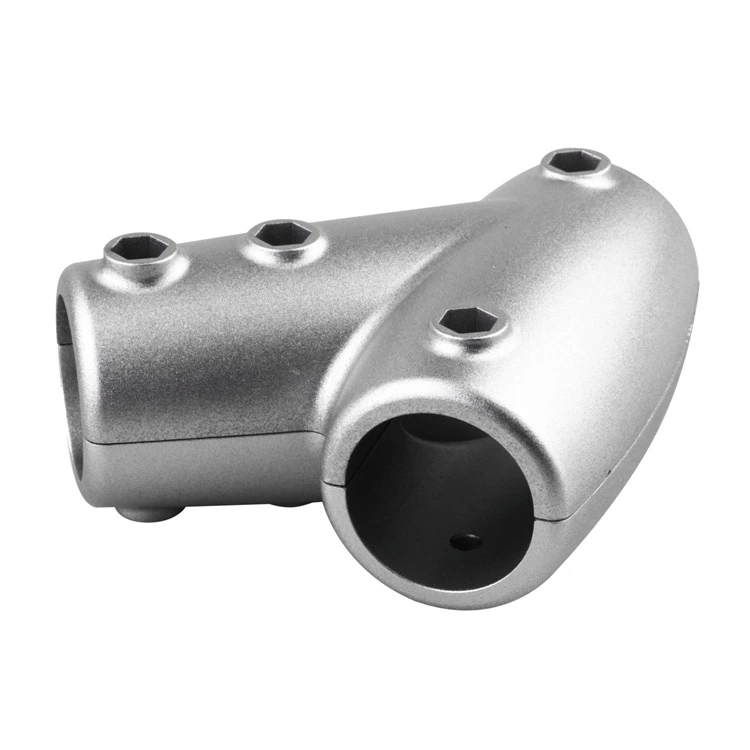
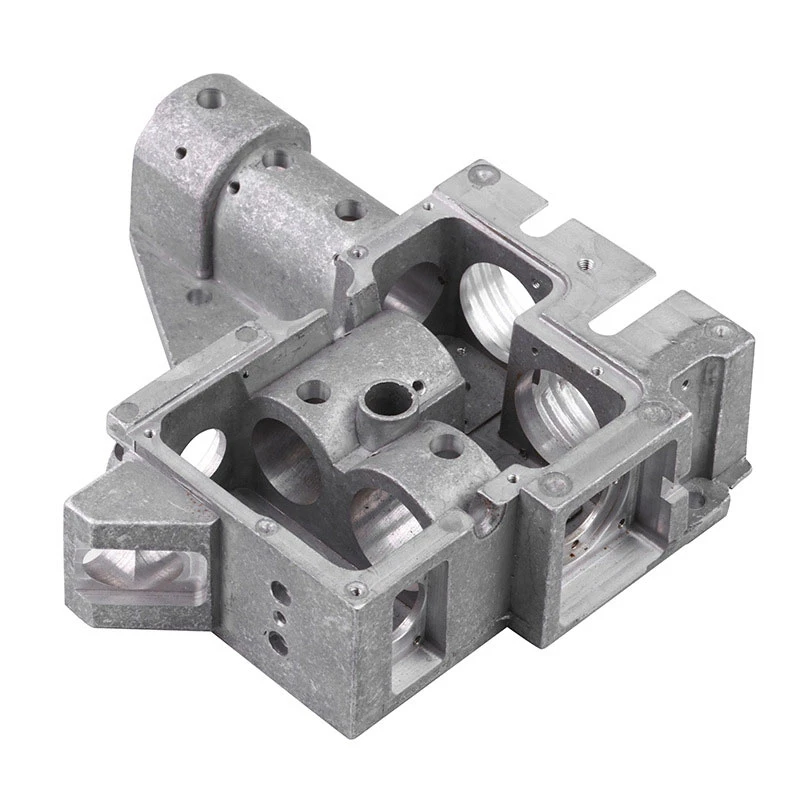
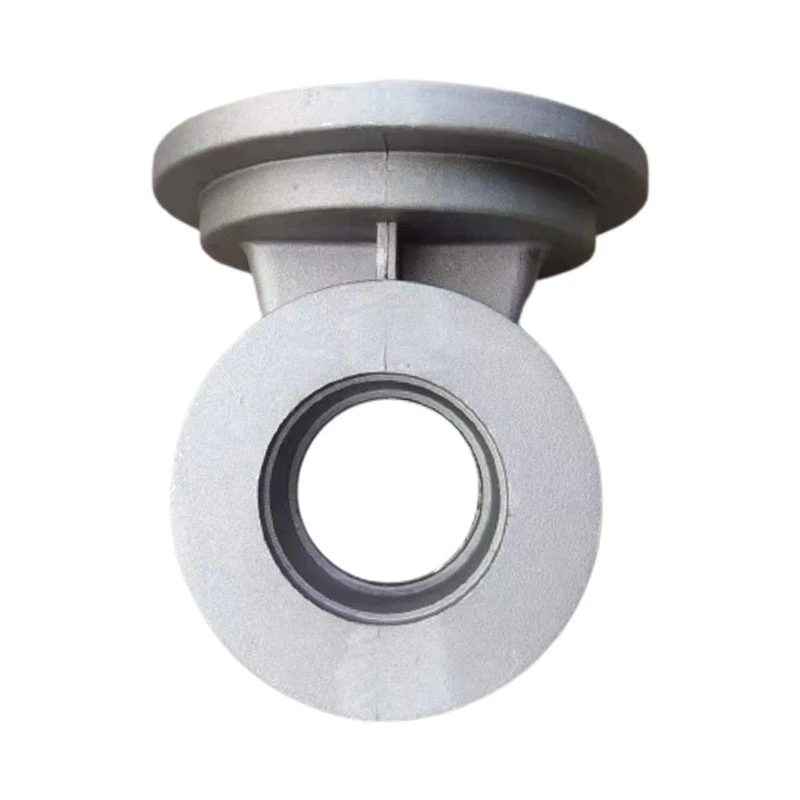
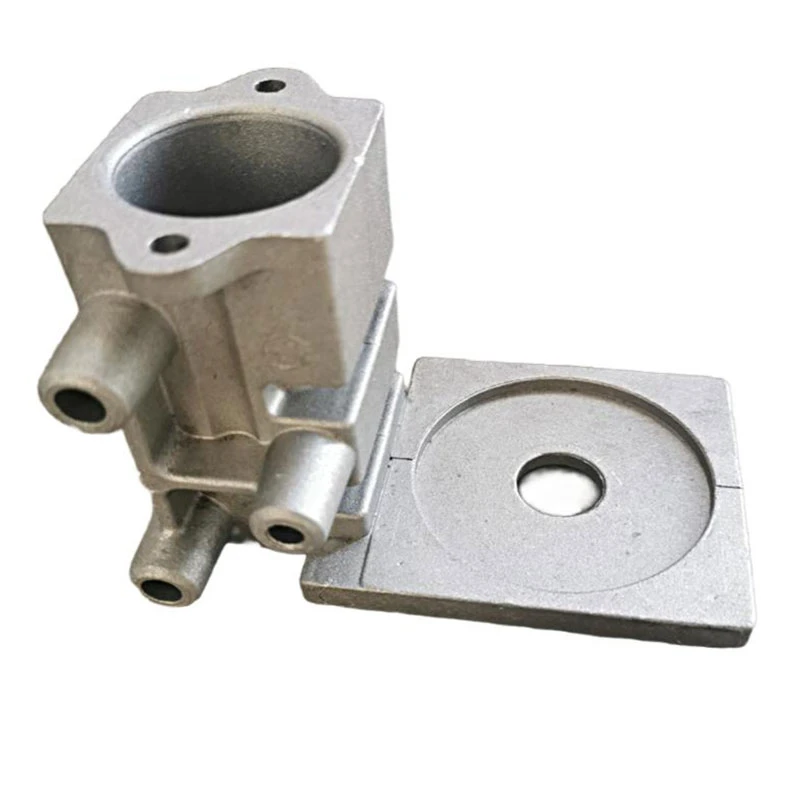
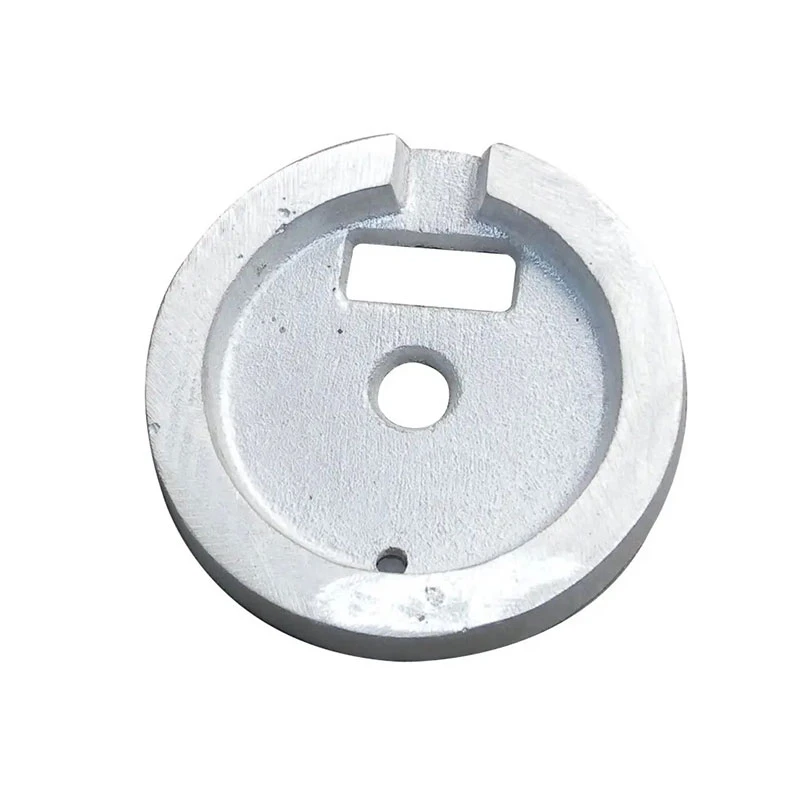
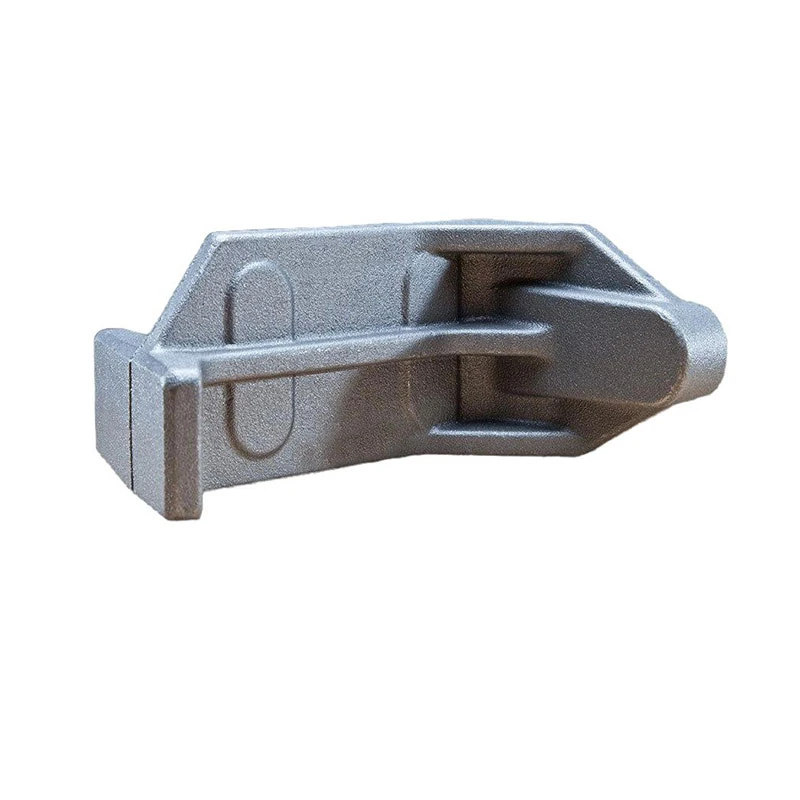
In essence, die casting is a manufacturing process where molten metal is injected into a mold cavity under high pressure. But oddly enough, it’s much more than just “making metal shapes.” It’s about precision, strength, repeatability, and design flexibility — all crucial for industries ranging from automotive to aerospace. People often overlook how much engineering finesse goes into crafting these castings. When you visit Hairun Sourcing, you’ll find products that meet tight specs, often with tolerances down to fractions of a millimeter, which frankly, not all factories can claim.
- Die casting typically uses non-ferrous metals such as zinc, aluminum, and magnesium.
- The process enables rapid production of complex parts, with excellent surface finish and mechanical properties.
- For example, Hairun’s automotive component line boasts parts tested for tensile strength exceeding 300 MPa and excellent corrosion resistance.
| Spec | Typical Range | Hairun Product Example |
|---|---|---|
| Material | Aluminum Alloy (A380) | Aluminum A380 High-Precision |
| Tensile Strength | 250 - 350 MPa | 300 MPa+ |
| Surface Finish | 0.8 - 1.5 Ra (µm) | 0.7 Ra (µm) |
| Tolerance | ±0.1 mm | ±0.05 mm |
Benefits & Use Cases of Die Casting Uses
Die casting’s reach is broad and its benefits numerous, especially if you think about industrial applications where quality and reliability matter. For example, in automotive manufacturing, die casting stands out for producing engine components, gearboxes, and housings that need to withstand tough conditions without excess weight. Lightweight but strong — a combo that sort of sounds like magic.
- Enables high-volume production with consistent quality — useful for electronic enclosures, automotive parts, and hardware fixtures.
- Competitive edge includes excellent mechanical properties, superior thermal conductivity, and minimal material waste.
- Hairun’s clients benefit from its ability to customize molds quickly, respond to design changes, and deliver functional prototypes in record time.
Cost, Maintenance & User Experience
When considering the total cost of ownership for die casting solutions, things often look quite favorable — at least in the mid to long term. The upfront investment might seem substantial due to tooling and setup costs, but in real terms, the durability and minimal maintenance of die cast parts usually justify it. Customers I’ve spoken with often mention how the longer service life reduces downtime and replacement frequency, helping with ROI.
- Die cast parts require little maintenance; corrosion resistance and surface treatments prolong lifespan.
- Users report satisfaction with Hairun’s thorough quality assurance and support, translating to fewer defects and quicker turnaround.
- Feedback from key sectors indicates improved productivity when switching from machined or forged parts to die cast alternatives.
Vendor Comparison
| Feature | Hairun Sourcing | Generic Vendor A | Generic Vendor B |
|---|---|---|---|
| Customization Speed | 3 weeks | 6 weeks | 5 weeks |
| Tolerance Capabilities | ±0.05 mm | ±0.1 mm | ±0.1 mm |
| Post-Process Services | Heat treatment, plating | Limited | Heat treatment only |
| MOQ (Minimum Order Quantity) | 100 pcs | 500 pcs | 250 pcs |
Sustainability & Market Trends
Sustainability in die casting has gained traction, especially with regulations tightening around waste and energy consumption. Most industries now prefer suppliers who not only deliver quality parts but also demonstrate green credentials. It’s encouraging to see companies like Hairun sourcing recycled aluminum alloys and deploying energy-efficient machines. Oddly enough, embracing sustainability here isn't just about compliance — it also cuts operational costs and makes good business sense.
- The global die casting market is expected to grow by over 5% annually, driven by automotive electrification and aerospace demand.
- Technological innovations such as additive manufacturing integrations and AI-driven mold design enhance precision and reduce waste.
- Regulations such as RoHS and REACH in Europe push suppliers to adopt safer alloys and cleaner processes.
Frequently Asked Questions about Die Casting Uses
- What is Die Casting Uses and how does it work?
- Die Casting Uses refers to the way die casting technology is applied across different sectors to manufacture precision metal parts. It works by injecting molten metal into high-precision steel molds under pressure, achieving fast production cycles and consistent part quality at scale.
- What are the main benefits of using Die Casting Uses in industrial applications?
- Main benefits include excellent mechanical strength, tight tolerances, lightweight designs, high repeatability, and cost efficiency in mass production. Die cast parts also often require less machining, reducing lead time and waste.
- How does Die Casting Uses compare to traditional alternatives?
- Compared to forging or machining, die casting typically offers faster production and more intricate designs with comparable strength. However, initial tooling costs are higher, so it’s best suited for medium to high volume runs.
- What industries can benefit most from Die Casting Uses implementation?
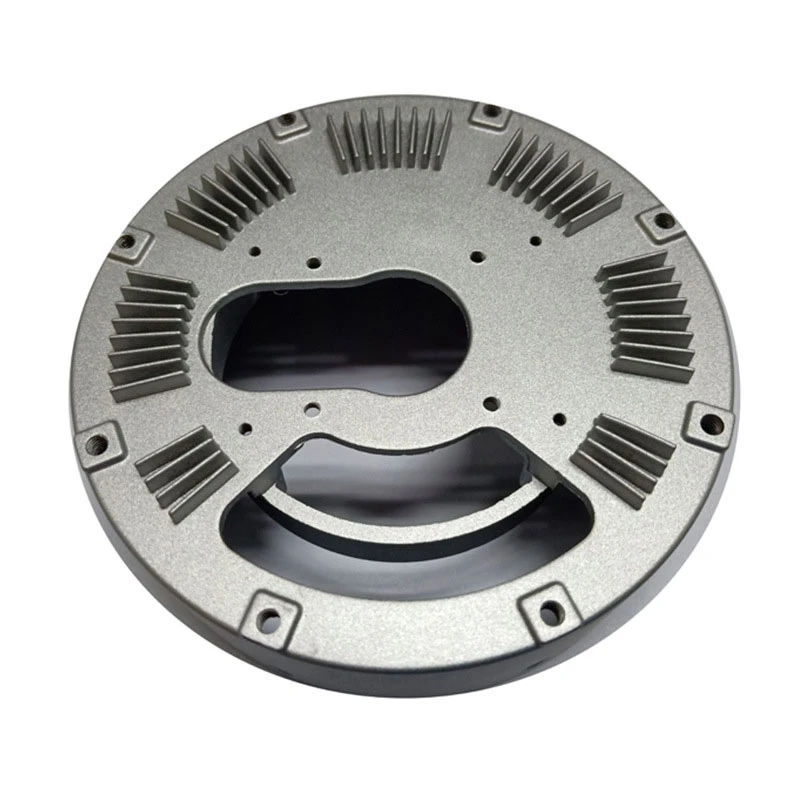
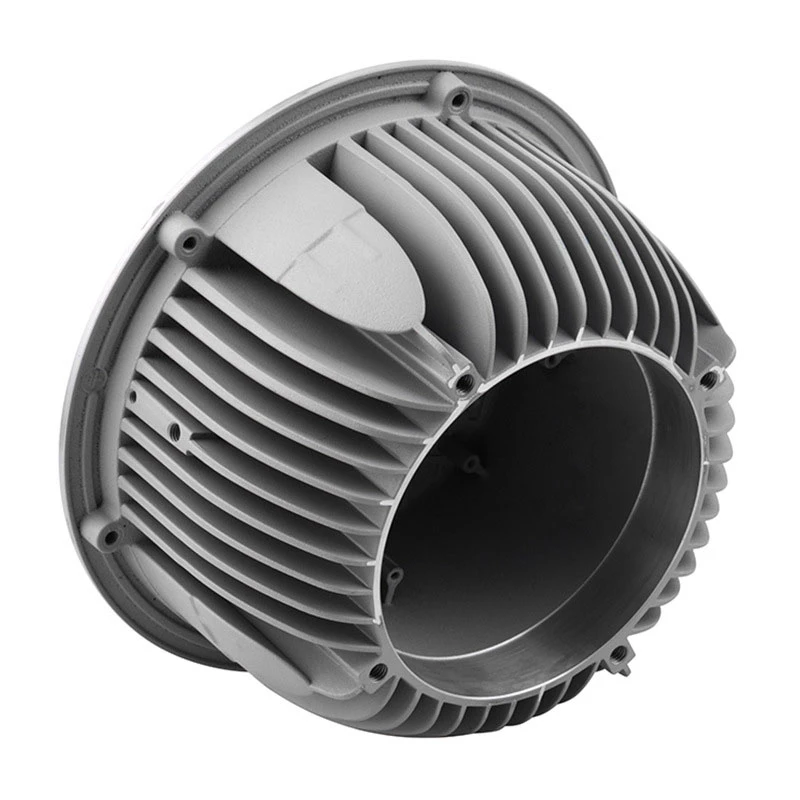
- Industries like automotive, aerospace, consumer electronics, and telecommunications benefit immensely due to the demand for precision, lightweight metal parts. Success stories include engine brackets, heatsinks, and connector housings.
Conclusion on Die Casting Uses from China
In conclusion, die casting uses represent a sophisticated yet practical approach to manufacturing quality metal components at scale. Companies like Hairun Sourcing exemplify how modern die casting solutions serve diverse industrial demands with precision, durability, and sustainability in mind. If you're a decision-maker aiming to improve product performance while managing costs and lead times, exploring these die casting offerings could be well worth your attention.
- They deliver consistent quality that supports long-term reliability.
- Visit our website: https://www.hairunsourcing.com to learn more.
Reflecting on this, I realize how niche yet vital die casting is in keeping modern industry rolling — often unnoticed, but always essential.
- Source: Modern Die Casting Handbook, 2022
- Industry Report: Global Die Casting Market to 2030, 2023
- Customer Testimonials and Case Studies from Hairun Sourcing, accessed 2024
-
Comprehensive Guide to Automotive Die Casting for Enhanced Vehicle PerformanceNewsJan.27,2026
-
Comprehensive Guide to Aluminum Pressure Die Casting Manufacturing ProcessesNewsJan.27,2026
-
Hot Chamber Die Casting vs Cold Chamber Die Casting ExplainedNewsJan.06,2026
-
Hot Chamber And Cold Chamber Die Casting Solutions for Industrial Applications | Hairun SourcingNewsJan.06,2026
-
Hot and Cold Chamber Die Casting: Key Insights from Industry ExpertsNewsJan.06,2026
-
Comprehensive Guide on Graphite Die Casting for B2B Manufacturing | HairunSourcingNewsJan.05,2026