


Die Casting vs Sand Casting: Industrial Insights for Optimal Metal Casting
Die Casting vs Sand Casting: What Every Industrial Pro Should Know
Having spent years in the industrial equipment sector, I've seen firsthand how the choice between die casting and sand casting can make or break a project’s success. These two metal casting processes might seem straightforward on paper — pour molten metal, cool it down, done — but the reality is nuanced. Frankly, the better you understand the subtle differences, the more you can tailor manufacturing to your exact needs.
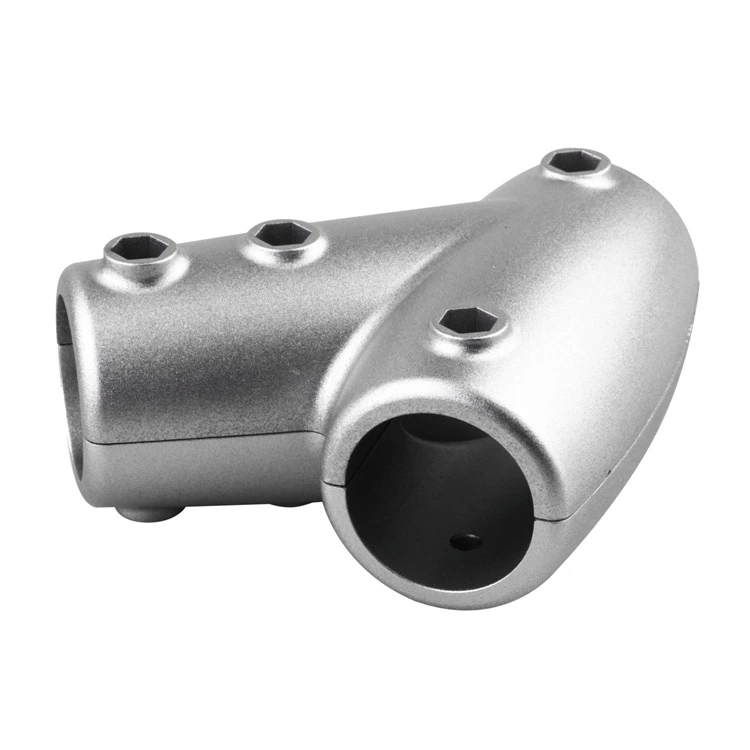
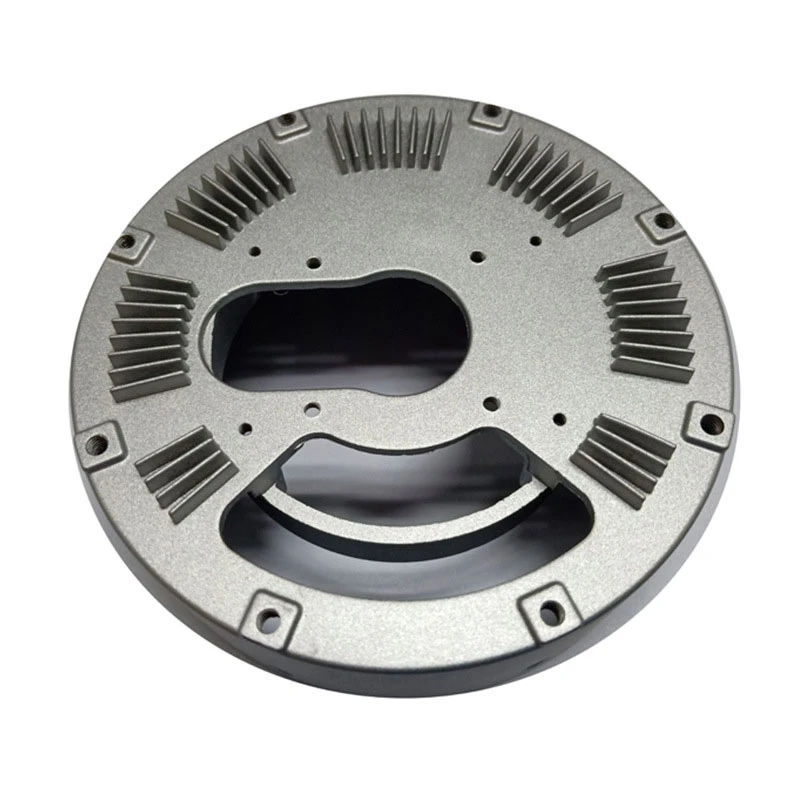
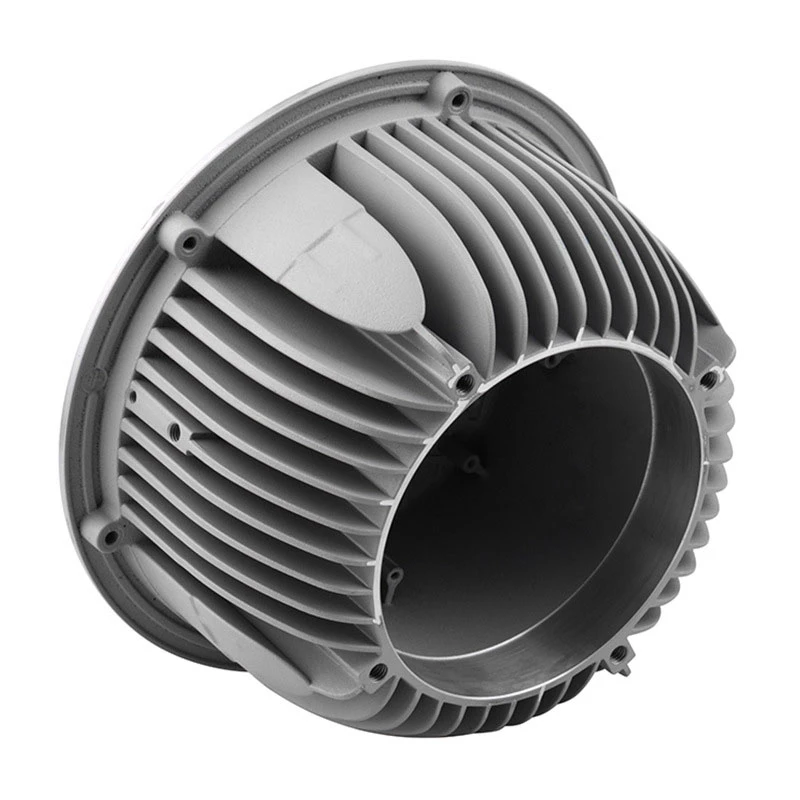
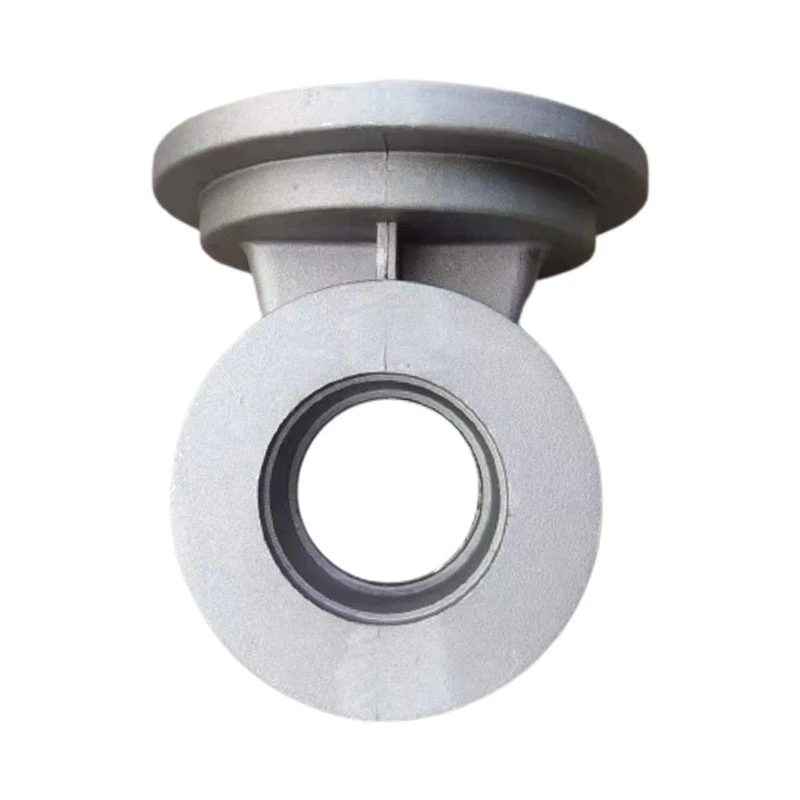
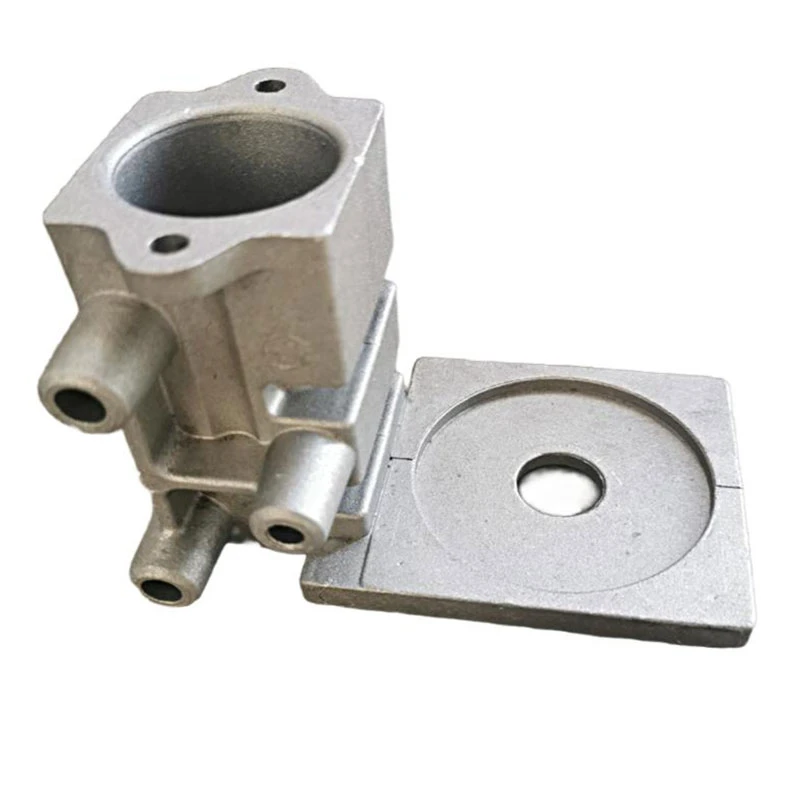
Let’s start with die casting. This method uses reusable steel molds (dies), which are precision-machined — often with CNC nowadays — and can run through thousands of cycles. The metal, usually non-ferrous like aluminum, zinc, or magnesium alloys, is injected into the die under high pressure. What I like about die casting is the repeatability and surface finish quality; the parts come out nearly ready for assembly, with tight dimensional tolerances. If you’re producing components that need fine detail, consistent wall thickness, and smooth surfaces for things like automotive or electronics housings, die casting is your go-to.
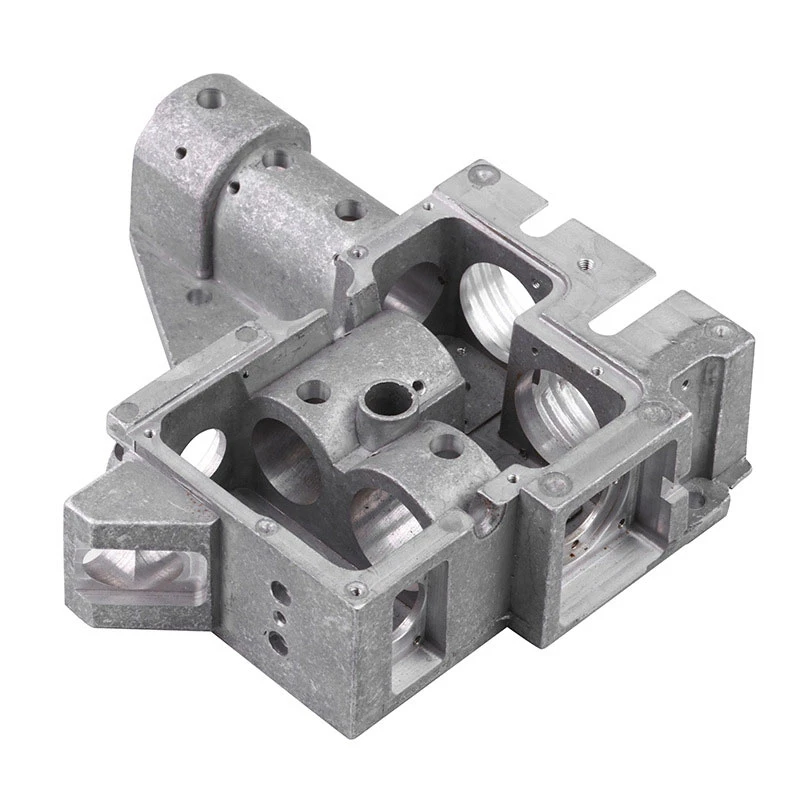
Sand casting, on the other hand, has a more artisanal feel. It uses expendable sand molds, which you shape around a pattern made from wood, metal, or other materials. The metal cools inside these sand molds — often iron or steel alloys — and the process is slower, messier, and less precise. Yet, that’s its charm. It’s flexible and ideal for large parts or small batch production where cost is a bigger factor than perfect finish. You can customize sizes on the fly, change patterns faster, and work with complex shapes or cores more easily. I remember working on a custom gear housing that would’ve been prohibitively expensive with die casting but came out perfectly with sand casting.
Of course, there’s no one-size-fits-all. I often say it depends on the product lifecycle, production volumes, and material choice. For instance, alloys used in die casting tend to have lower melting points to speed the cycle time, but for stronger metals, sand casting remains dominant. Also, from a testing standpoint, die casting’s low porosity means fewer issues with leaks or structural weaknesses, which is crucial in aerospace components.
| Specification | Die Casting | Sand Casting |
|---|---|---|
| Material Compatibility | Al, Zn, Mg alloys (low melting point) | Iron, Steel, Aluminum, Copper (varied) |
| Dimensional Accuracy | ±0.1 mm | ±1.0 mm or more |
| Surface Finish | Smooth, minimal machining | Rough, requires machining |
| Production Volume | High volume (>10,000 units) | Low to medium volume |
| Lead Time | Short once dies are made | Longer due to mold prep |
When selecting a vendor for these casting processes, several factors pop up. Fairly often, I’ll compare costs, lead times, customization options, and quality assurance capabilities. Some vendors push die casting as “faster and cheaper” for every job, but it’s wise to dig in deeper — if your design is intricate or your runs are small, sand casting may turn out less costly overall. I've drawn up a quick comparison below of typical vendor strengths:
| Criteria | Die Casting Vendor | Sand Casting Vendor |
|---|---|---|
| Customization | Moderate (fixed dies) | High (new molds easier) |
| Production Scalability | Very high volume | Flexible but slower |
| Quality Control | Automated testing, consistent | Manual checks, variable |
| Lead Time to First Part | 3-6 weeks (die making) | 1-3 weeks (pattern & mold) |
| Typical Applications | Electronics, automotive, appliances | Heavy machinery, valves, pumps |
Something I noticed early on is how choice of casting method can impact downstream processes — welding, painting, or machining. Die cast parts often need little machining, saving time and cost. Sand castings usually require more finishing work; expect that in your project timeline.
Oh, and one anecdote: A mid-sized manufacturer I worked with switched from sand casting to die casting for a consumer electronics enclosure. Initially, tooling costs were high, but within months, they slashed per-piece cost and improved product appearance. It was a win–win. However, smaller batch runs still favor sand casting simply because it's more adaptable and less of a financial gamble upfront.
In real terms, knowing when to push for die casting versus sand casting is subtle. It’s a decision influenced not just by specs but the whole product, from prototype to repairability. Ultimately, working with a supplier who understands these technical nuances and can walk you through pros and cons makes a huge difference.
Whether you lean towards the precision and scale of die casting, or the classic versatility of sand casting, understanding both methods intimately is a must in this line of work. If you want to explore trusted manufacturing partners or get a tailored consultation, check out the die casting resources they offer — they’ve helped me navigate supplier selection with confidence over the years.
Keep in mind: metallurgy, project scale, and end-use drastically influence which casting suits best. Don’t hesitate to get expert advice.
References:
1. Metals Handbook, ASM International
2. "Casting Processes" by James Clyde Flyn
3. Practical experience from multiple OEM projects, 2010–2023
Thinking back, the best casting decisions often come after a blend of technical specs and gut feel — which, oddly enough, you develop only by getting your hands a little dirty in the shop.
-
Comprehensive Guide to Automotive Die Casting for Enhanced Vehicle PerformanceNewsJan.27,2026
-
Comprehensive Guide to Aluminum Pressure Die Casting Manufacturing ProcessesNewsJan.27,2026
-
Hot Chamber Die Casting vs Cold Chamber Die Casting ExplainedNewsJan.06,2026
-
Hot Chamber And Cold Chamber Die Casting Solutions for Industrial Applications | Hairun SourcingNewsJan.06,2026
-
Hot and Cold Chamber Die Casting: Key Insights from Industry ExpertsNewsJan.06,2026
-
Comprehensive Guide on Graphite Die Casting for B2B Manufacturing | HairunSourcingNewsJan.05,2026