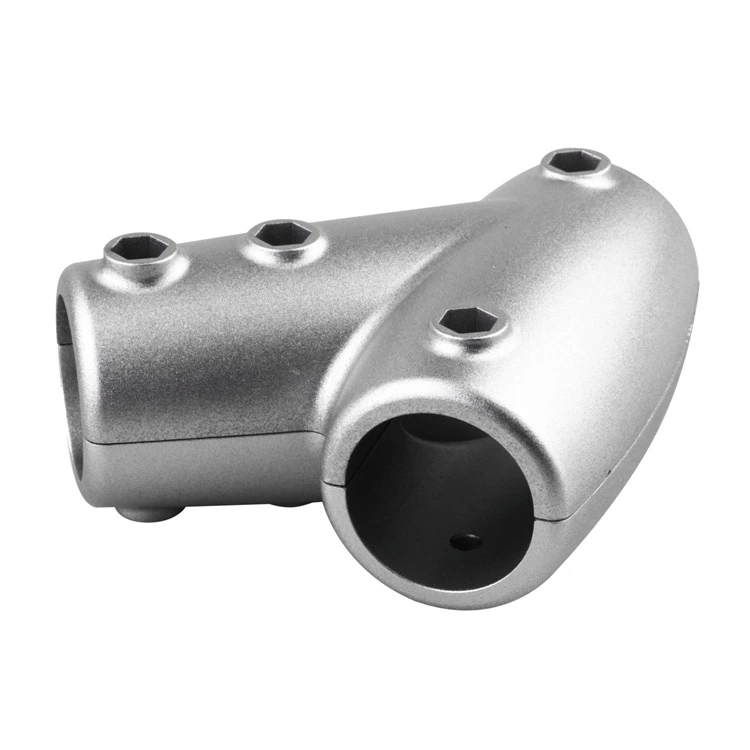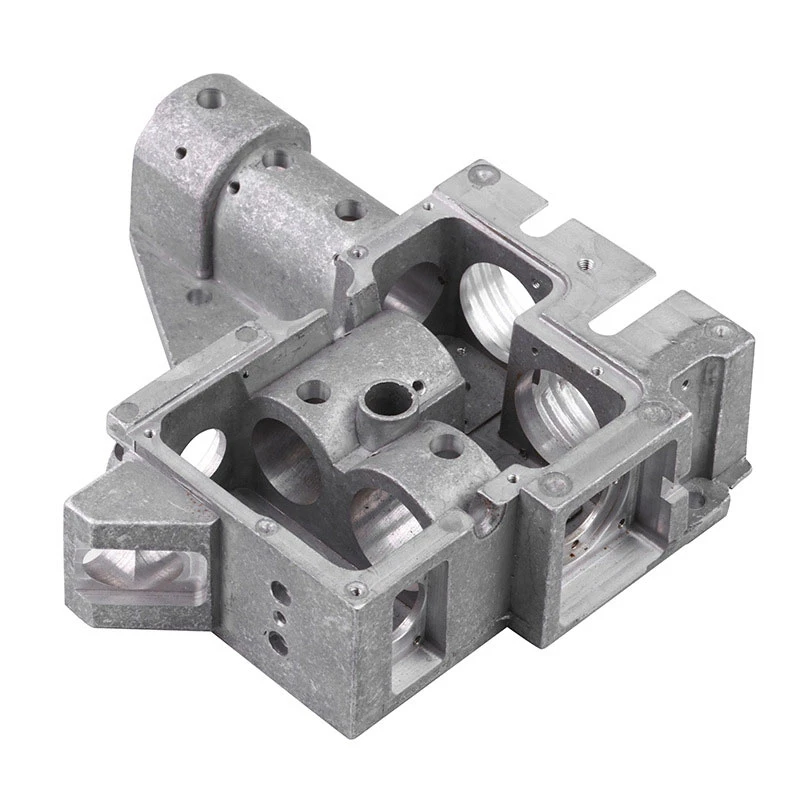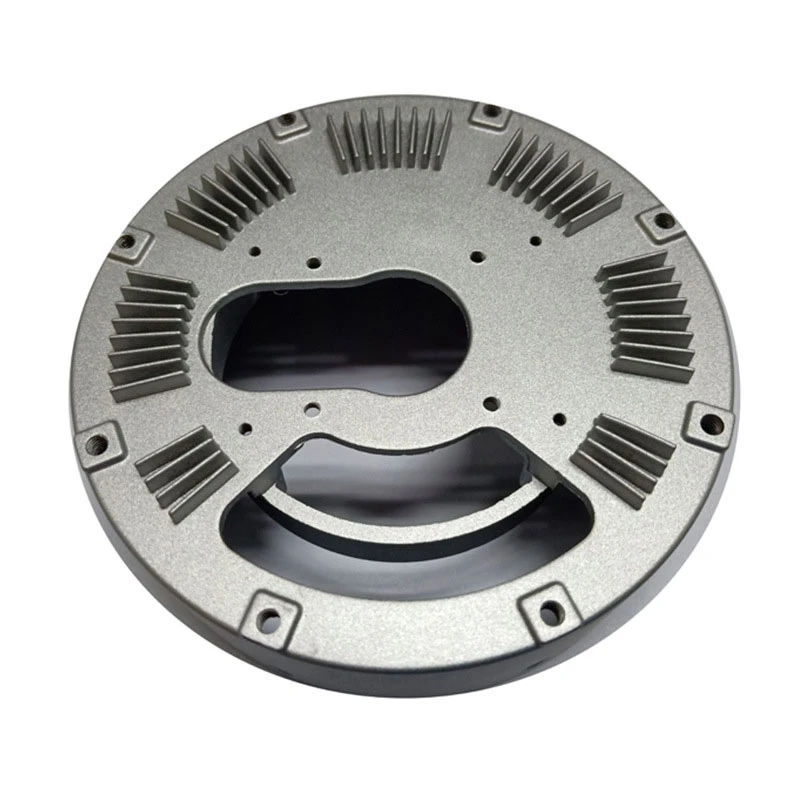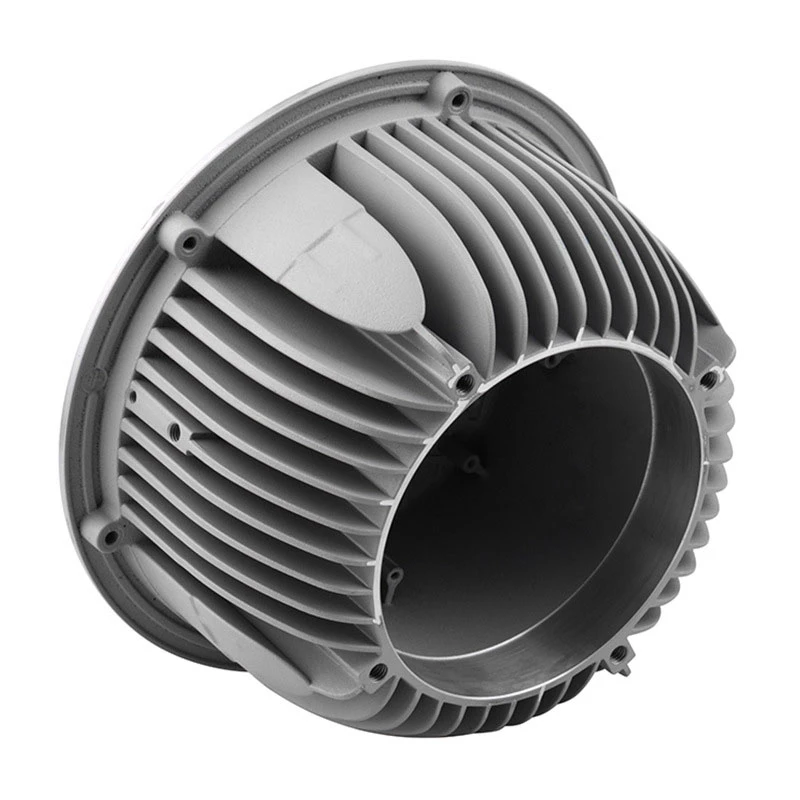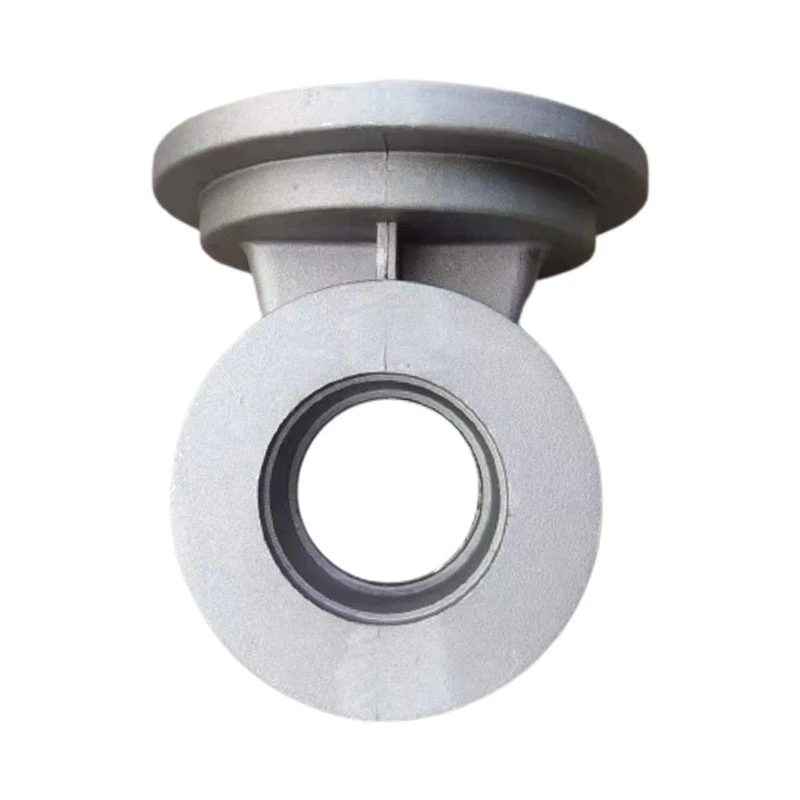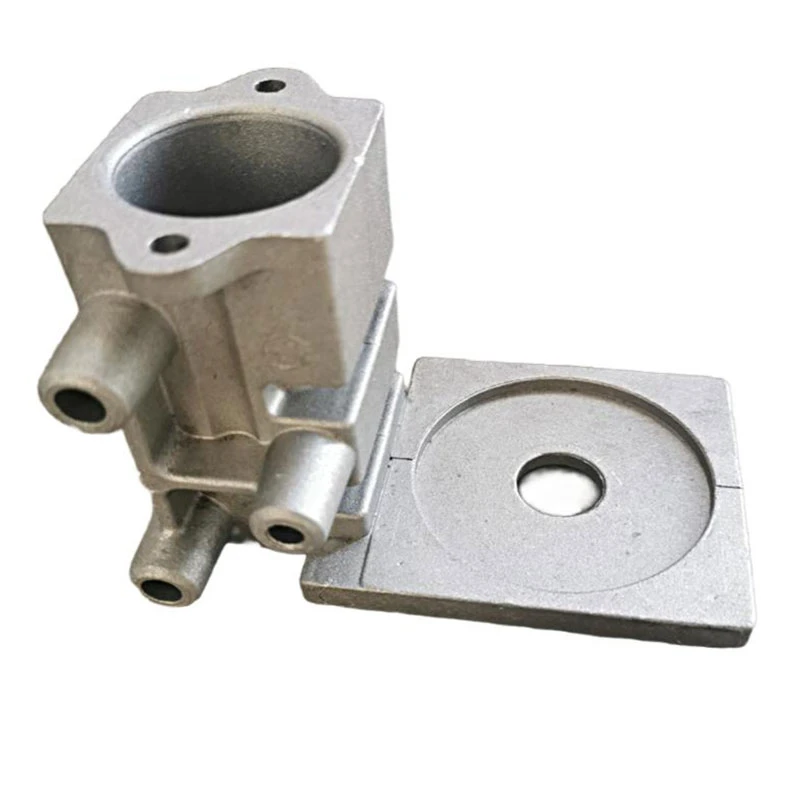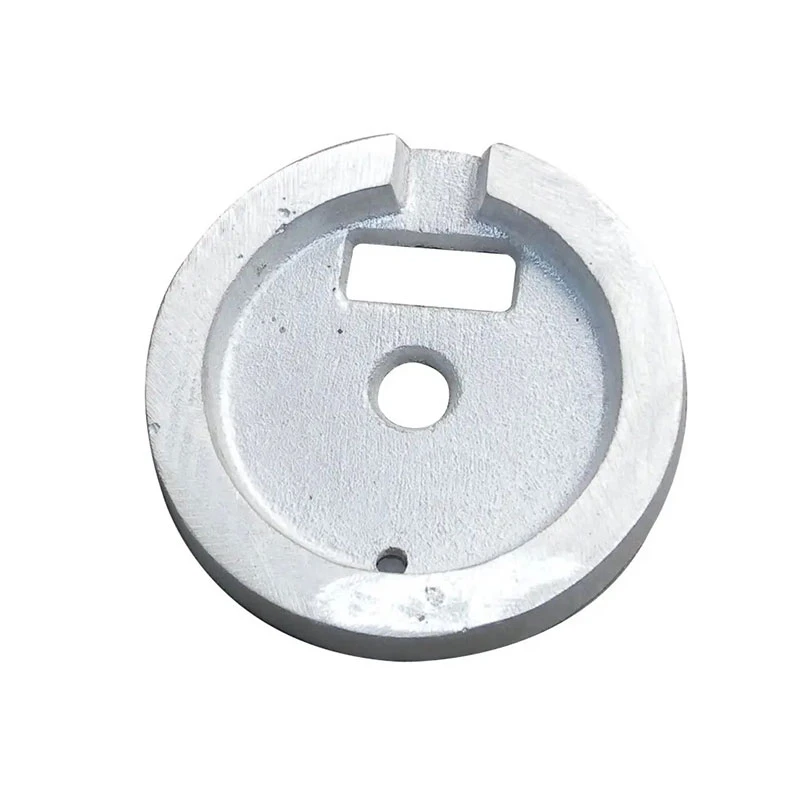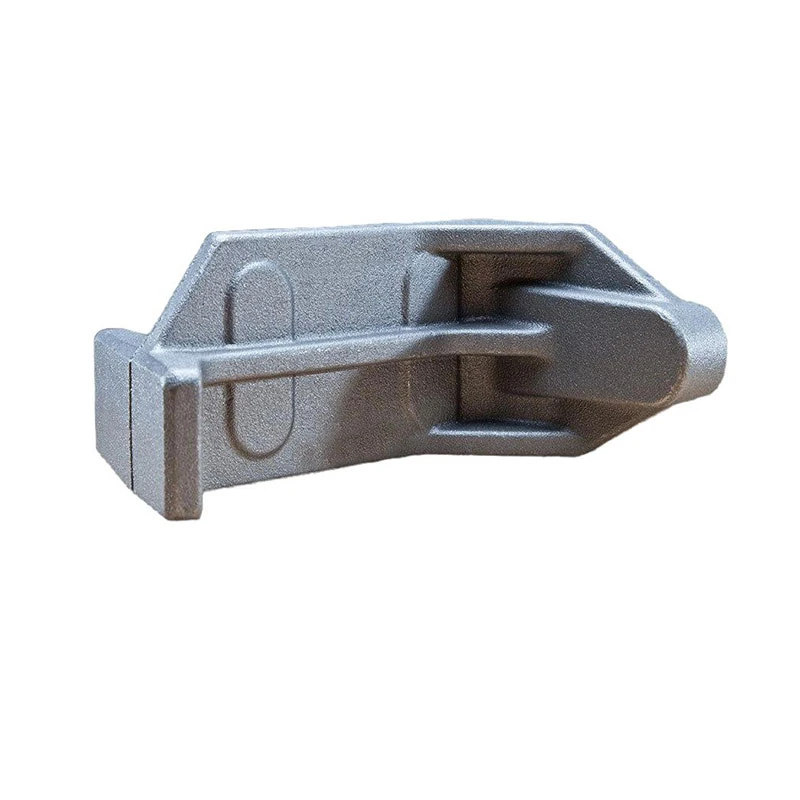



Precision Carbon Steel Investment Casting for Auto Spare Parts
Why Carbon Steel Investment Precision Casting Matters for Automobile Spare Parts
Having spent over a decade working shoulder to shoulder with the industrial equipment sector—especially in automotive components—I’ve come to appreciate the quiet magic behind carbon steel investment precision casting. It’s not just about shaping metal; it’s an art married to engineering discipline, often overlooked in the rush for innovation.
When you talk about carbon steel investment precision casting for automobile spare parts, the first thing that hits me is durability married to accuracy. These aren’t your average castings—the process allows for complex geometries and tight tolerances that modern vehicles demand. Frankly, this is the backbone behind parts like transmission housings, valve bodies, and turbocharger components.
Design & Material Insights: Why Carbon Steel?
Designers and engineers often lean towards carbon steel for its balance of strength, machinability, and cost. It feels like the “jack of all trades” in the metal world. High tensile strength? Check. Heat resistance? Yep, it stands up well. Plus, the investment casting process brings out the material’s best qualities by minimizing defects and ensuring consistent density throughout the part.
Oddly enough, some might think just any steel will do, but the grade of carbon steel here is critical. Medium to high carbon steels typically get used because they strike a fine balance between strength and hardness, which is vital under constant automotive stress. Plus, you get excellent fatigue resistance—a must for enduring the harsh conditions engines and gearboxes experience daily.
Testing and Quality: The Real Deal Behind Trustworthy Parts
It’s not all casting and hoping it sticks—quality control is brutally rigorous. I recall a project where they put valve bodies through countless cycles of pressure and corrosive environments to mimic real-life use. Roughly 20% of castings would fail initial inspection, mostly from microscopic porosity or surface irregularities. This is why integrating non-destructive testing like X-ray or ultrasonic scans is becoming standard, to catch those elusive defects before assembly.
Besides, the tight tolerance afforded by the investment casting process means less machining afterward. In real terms, that translates to fewer resources spent and a more reliable part out of the box. Man, saving machining time was always music to my engineering supervisor’s ears.
Product Specification Table
| Specification | Details |
|---|---|
| Material Type | Medium-High Carbon Steel (AISI 1045 - 1060) |
| Casting Method | Investment (Lost-wax) Precision Casting |
| Typical Tolerance | ±0.1 mm to ±0.25 mm |
| Surface Finish | Ra 1.6 μm or better |
| Heat Treatment | Quenching and Tempering to Enhance Hardness |
| Max Part Size | Up to 500 mm (length) |
How Vendors Stack Up: A Comparison
| Vendor | Lead Time | Customization Options | Min Order Quantity | Quality Certifications |
|---|---|---|---|---|
| Hairun Sourcing | 4-6 weeks | Full customization, small MOQ | 50 pcs | ISO 9001, IATF 16949 |
| Competitor A | 6-8 weeks | Limited customization, larger MOQ | 200 pcs | ISO 9001 |
| Competitor B | 5 weeks | Moderate customization | 100 pcs | ISO 9001, TS 16949 |
Customer Insights & Real-World Applications
I remember a mid-sized automotive parts manufacturer recently switched their fuel injector bodies to carbon steel investment cast parts sourced from a trusted vendor. The difference was striking—not just in longevity but in machining time reductions. What caught my attention was how they reported fewer rejects through assembly lines due to the tighter tolerances.
Automotive applications aren’t forgiving—these parts be shoved under the hood, exposed to harsh chemicals, vibration, and extreme temperatures. If something isn’t up to scratch, that’s more than a headache—it’s costly recalls or worse. So make no mistake: the upfront cost might seem a pinch higher, but it pays dividends long term.
To me, this technique perfectly balances tradition with precision—like a craftsman choosing the right chisel and hammer but wielding a CNC machine alongside. It’s practical, reliable, and kind of elegant.
Final Thoughts
If you’re in the market for durable, precise automobile spare parts made from carbon steel, investment precision casting is worth a serious look. Whether you’re evaluating cost, quality, or turnaround time, this method continues to impress those of us who’ve seen the evolution of automotive manufacturing firsthand. For detailed sourcing and to explore practical options, I suggest checking out Hairun Sourcing—they offer a solid mix of customization with reliable delivery.
— Your seasoned industrial sector insider
References
- Industry insights from 10+ years of automotive equipment manufacturing
- Material fatigue testing studies by SAE International
- Quality certifications and vendor performance reports (2023)
-
Comprehensive Guide to Automotive Die Casting for Enhanced Vehicle PerformanceNewsJan.27,2026
-
Comprehensive Guide to Aluminum Pressure Die Casting Manufacturing ProcessesNewsJan.27,2026
-
Hot Chamber Die Casting vs Cold Chamber Die Casting ExplainedNewsJan.06,2026
-
Hot Chamber And Cold Chamber Die Casting Solutions for Industrial Applications | Hairun SourcingNewsJan.06,2026
-
Hot and Cold Chamber Die Casting: Key Insights from Industry ExpertsNewsJan.06,2026
-
Comprehensive Guide on Graphite Die Casting for B2B Manufacturing | HairunSourcingNewsJan.05,2026