


Precision Investment Casting Company for High-Tolerance Parts
Understanding Precision Investment Casting: A Foundation for Industrial Excellence
The demand for high-performance, complex metallic components across diverse industrial sectors necessitates advanced manufacturing techniques capable of delivering exceptional dimensional accuracy, superior surface finish, and intricate geometries. In this landscape, the role of a precision investment casting company becomes paramount. Investment casting, also known as lost-wax casting, is a sophisticated process renowned for its capability to produce near-net-shape components from a wide range of ferrous and non-ferrous alloys, minimizing the need for extensive post-casting machining. This method is particularly valued in industries where component integrity, material strength, and precise fit are critical for operational safety and efficiency.
The global precision investment casting market is experiencing robust growth, projected to reach approximately USD 20.5 billion by 2028, driven by increasing adoption in aerospace, automotive, medical, and industrial gas turbine sectors. This growth underscores the technique's unmatched ability to produce components with intricate designs and excellent mechanical properties. Manufacturers are increasingly seeking partners who can not only deliver on technical specifications but also offer comprehensive solutions, from material selection to rigorous quality assurance.
Our focus today is on the capabilities and strategic advantages offered by a leading precision investment casting company, exploring how they address the complex needs of modern industrial applications through innovative processes and engineering expertise.
The Precision Investment Casting Process Flow: From Concept to Component
The production of high-quality, precision castings is a multi-stage process that demands meticulous control at every step. As a premier precision investment casting manufacturer, adherence to strict protocols ensures the integrity and performance of the final product. Here's a detailed breakdown of the typical manufacturing process:
- Wax Pattern Creation: The process begins with injecting molten wax into an aluminum die to create a precise replica of the final component. Multiple patterns may be produced and assembled onto a wax 'tree' or cluster using a gating system that will facilitate metal flow.
- Ceramic Shell Building: The wax cluster is repeatedly dipped into a ceramic slurry and then coated with refractory sand. This process, known as stuccoing, is done in multiple layers, allowing each layer to dry and harden, forming a robust ceramic shell around the wax pattern. This shell is engineered to withstand extreme temperatures during casting.
- Dewaxing: Once the ceramic shell is sufficiently thick and strong, it is heated in an autoclave. The wax melts and drains out, leaving a hollow ceramic mold. This "lost wax" step is where the process gets its name. The wax is often recycled.
- Firing: The ceramic mold is then fired at high temperatures (typically 800-1100°C) to remove any residual wax, increase its strength, and preheat it for metal pouring. This preheating prevents thermal shock and ensures optimal filling of intricate sections.
- Metal Pouring: Molten metal, precisely prepared to meet specific alloy compositions, is poured into the hot ceramic mold. Common materials include various grades of stainless steel, carbon steel, alloy steel, and non-ferrous alloys. Gravity casting or vacuum casting methods may be employed depending on the alloy and component requirements.
- Cooling and Solidification: The molten metal cools and solidifies within the ceramic mold, taking the exact shape of the original wax pattern.
- Knockout and Cleaning: Once cooled, the ceramic shell is mechanically removed using hammers or high-pressure water jets, revealing the metal casting tree. Individual castings are then cut from the tree.
- Finishing Operations: This crucial stage involves grinding away gates and risers, deburring, and often includes heat treatment (e.g., annealing, normalizing, quenching, tempering) to achieve desired mechanical properties. Other processes like CNC machining, surface finishing (polishing, sandblasting), and coating may also be applied based on customer specifications.
- Quality Control and Testing: Each component undergoes stringent testing to ensure adherence to technical specifications and industry standards. This includes visual inspection, dimensional checks, non-destructive testing (NDT) such as X-ray, ultrasonic, magnetic particle, and dye penetrant testing, as well as destructive testing like tensile strength, hardness, and impact testing. Materials are certified to ISO, ASTM, DIN, JIS, and ANSI standards.
The rigorous control over each phase ensures that products like Oem Precision Castings Flange Joints meet high performance and service life expectations, often exceeding 20 years in demanding environments.
Technical Specifications and Parameters for Precision Castings
A leading precision investment casting company excels in producing components with tightly controlled technical parameters. These specifications are critical for ensuring the functionality, reliability, and safety of parts in high-stress applications. We consistently meet or exceed industry benchmarks for dimensional accuracy, surface finish, and metallurgical integrity.
Product Focus: Oem Precision Castings Flange Joints
Our Oem Precision Castings Flange Joints exemplify the precision and quality achievable through advanced investment casting techniques. These components are vital for secure and leak-proof connections in various piping systems.
| Parameter | Specification | Industry Standard Adherence |
|---|---|---|
| Material Options | Carbon Steel, Stainless Steel (304, 316, 316L), Alloy Steel, Duplex Steel | ASTM A216 WCB, ASTM A351 CF8/CF8M/CF3M, EN 10213, JIS G5101/G5151 |
| Dimensional Tolerance | ISO 2768-mK / CT5-CT7 per VDG P690 | ISO, DIN, ANSI, ASME B16.5 |
| Surface Roughness (Ra) | Ra 3.2 – 6.3 µm (as-cast), Ra 0.8 – 1.6 µm (machined) | ASME B46.1 |
| Weight Range | 0.01 kg – 50 kg (typical) | N/A (application specific) |
| Wall Thickness | Minimum 2.0 mm (dependent on part geometry) | N/A (design specific) |
| Heat Treatment | Annealing, Normalizing, Quenching & Tempering | ASTM A991/A991M |
| Non-Destructive Testing (NDT) | MPI, LPI, UT, RT (Level II/III) | ASTM E1444, ASTM E165, ASTM E2373, ASTM E1032 |
These technical capabilities underscore the commitment of a proficient steel investment casting company to deliver components that meet the most stringent performance requirements, ensuring optimal functionality and extended service life in critical applications.
Technical Advantages of Investment Casting
The choice of manufacturing process is paramount in determining the ultimate performance and cost-effectiveness of industrial components. Investment casting offers distinct technical advantages that set it apart from other methods like sand casting, die casting, or forging, particularly for complex, high-precision parts.
- Exceptional Dimensional Accuracy: Investment casting can achieve tolerances of ±0.005 inches per inch, significantly reducing the need for post-cast machining. This near-net-shape capability translates directly into cost savings and faster production cycles.
- Superior Surface Finish: Components typically have a surface finish (Ra) ranging from 3.2 to 6.3 µm, often requiring minimal to no additional surface treatment for many applications. This smooth finish not only enhances aesthetics but also reduces friction and improves corrosion resistance.
- Design Flexibility and Intricate Geometries: The lost-wax process allows for the creation of highly complex and intricate shapes, internal passages, thin walls, and fine details that would be impossible or very expensive to achieve with other casting or machining methods. This enables engineers to optimize part design for performance and weight reduction.
- Wide Material Selection: Almost any alloy can be investment cast, including various grades of stainless steel, carbon steel, alloy steels, nickel-based alloys, cobalt-based alloys, and aluminum alloys. This versatility ensures that the optimal material can be chosen for specific application demands, such as high temperature, corrosion resistance, or wear resistance.
- Excellent Metallurgical Integrity: The controlled cooling process in investment casting generally results in fine grain structures and uniform mechanical properties throughout the component, free from porosity or other casting defects. This enhances the strength, ductility, and fatigue resistance of the parts.
- Reduced Material Waste: The near-net-shape nature of investment castings significantly reduces material waste compared to machining from bar stock, contributing to more sustainable and cost-efficient manufacturing.
These advantages make investment casting an ideal choice for industries where performance, precision, and cost-efficiency are critical, ensuring components from a reputable precision investment casting manufacturer consistently meet the highest standards.
Application Scenarios and Target Industries
The versatility and high-performance characteristics of components produced by a precision investment casting company make them indispensable across a broad spectrum of demanding industries. From critical infrastructure to high-tech machinery, the ability to produce complex, durable parts with superior finishes is highly valued.
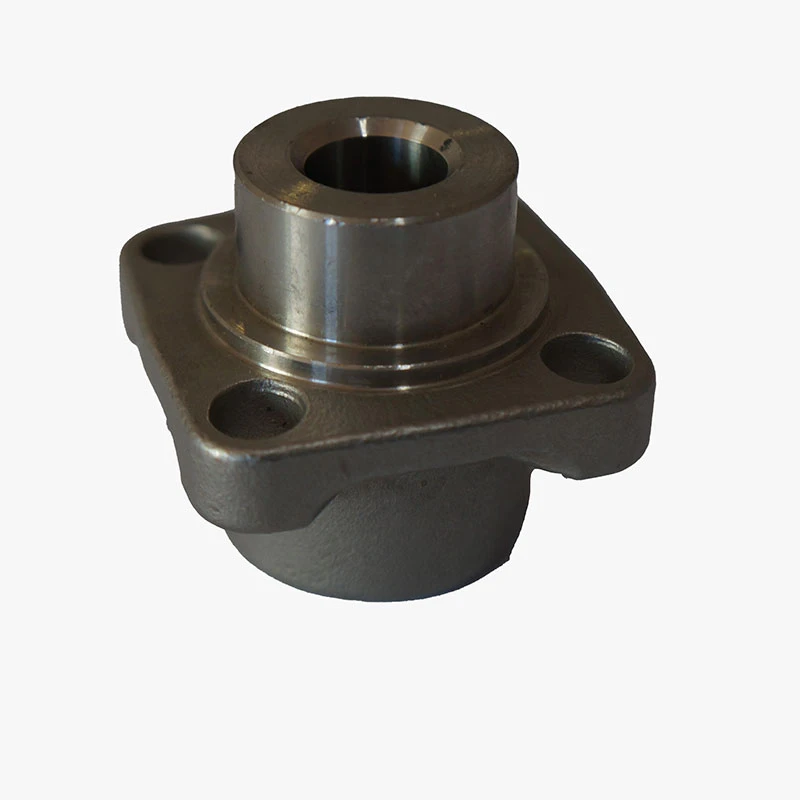
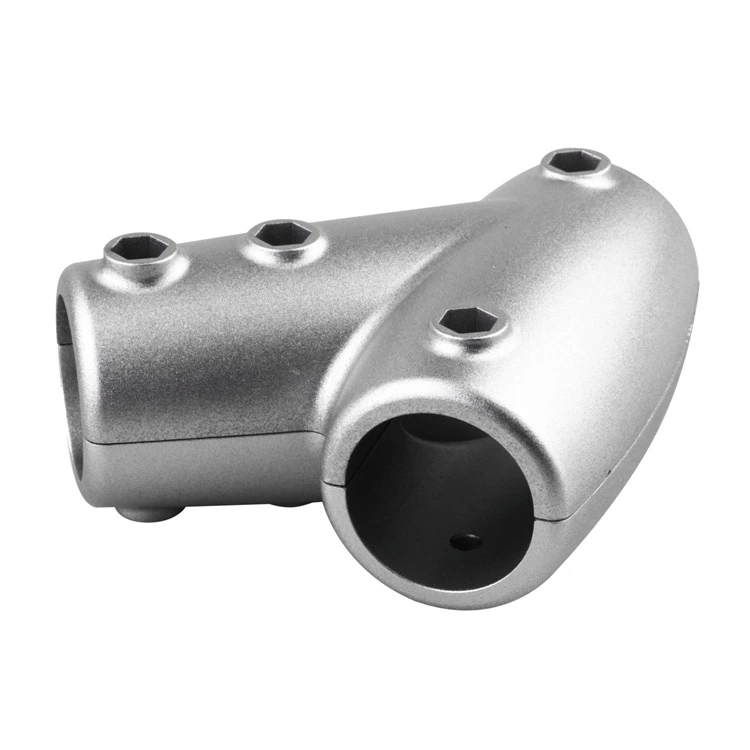
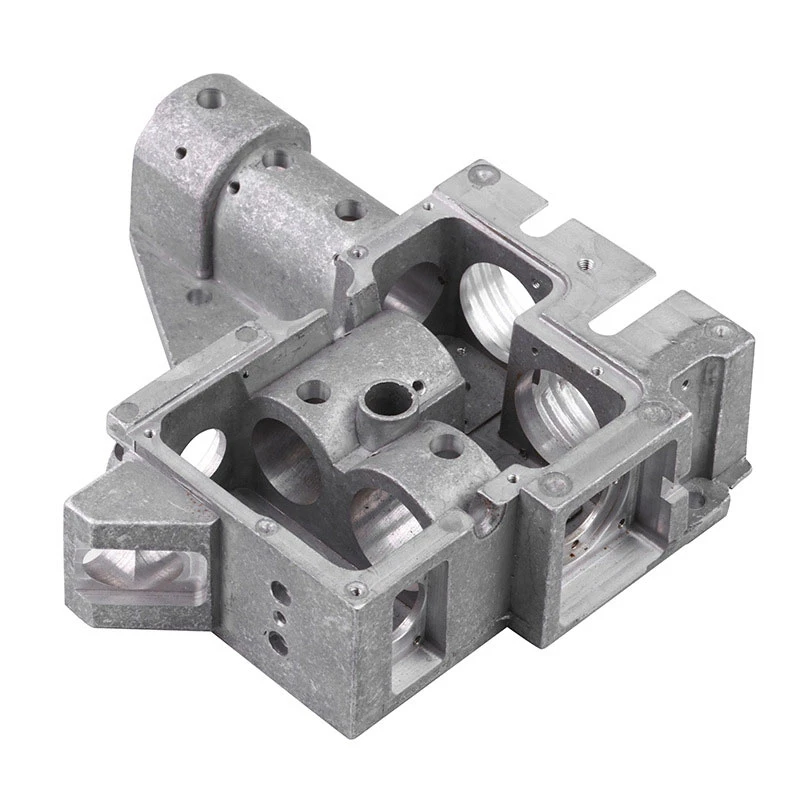
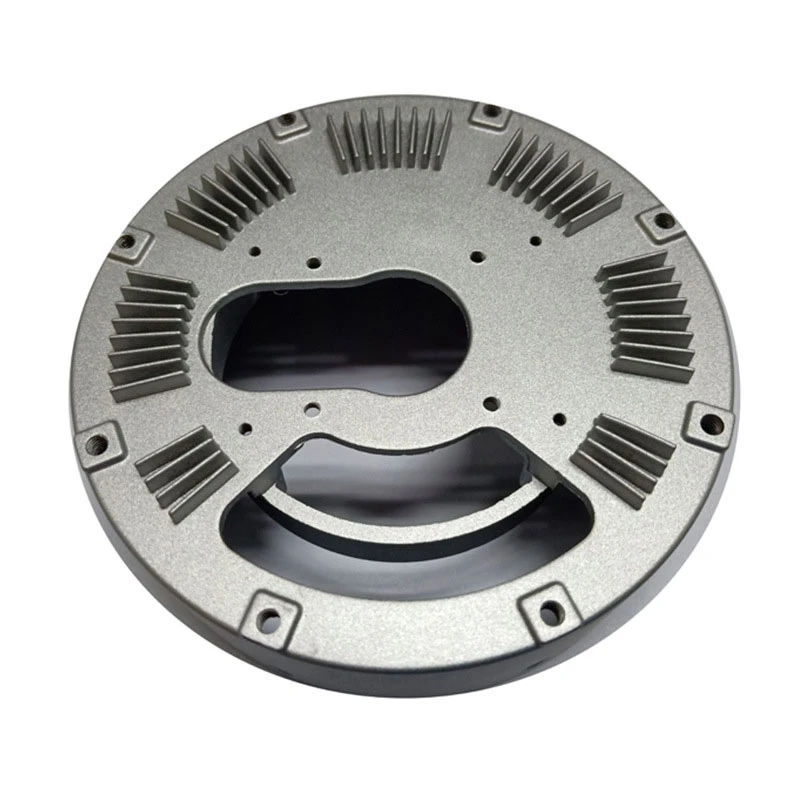
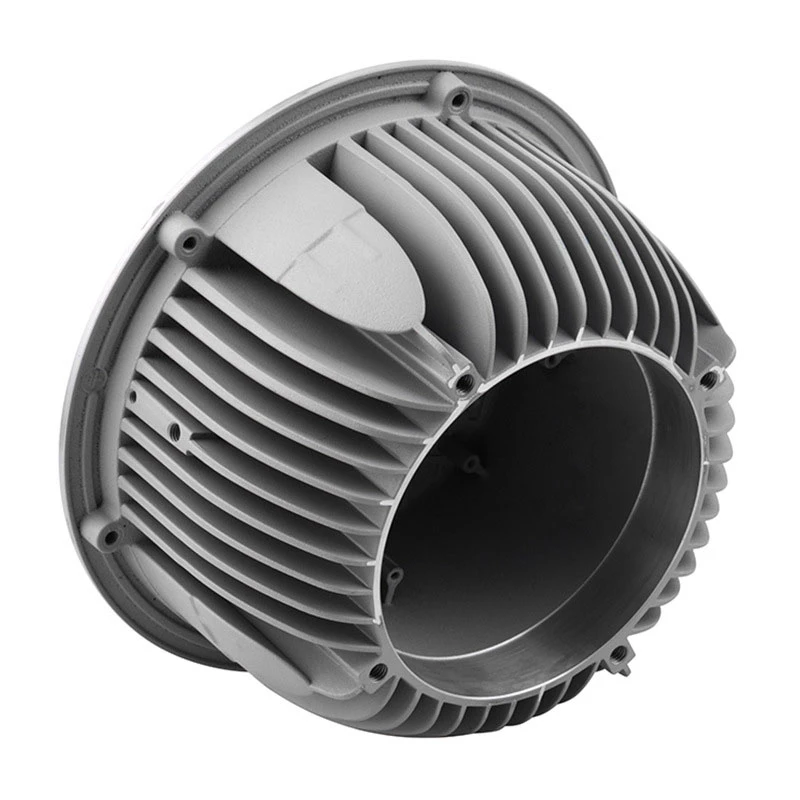
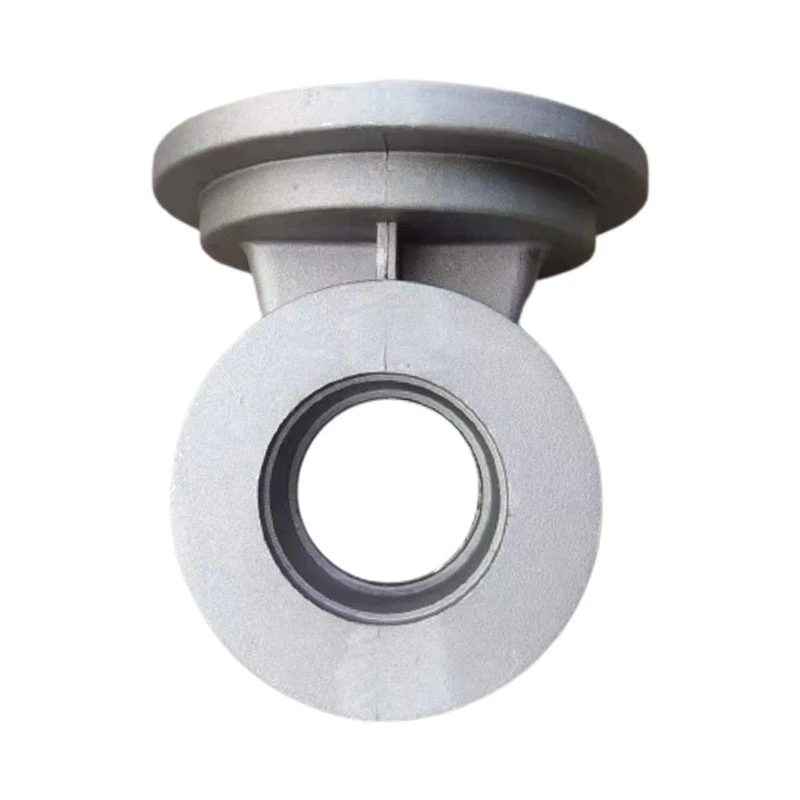
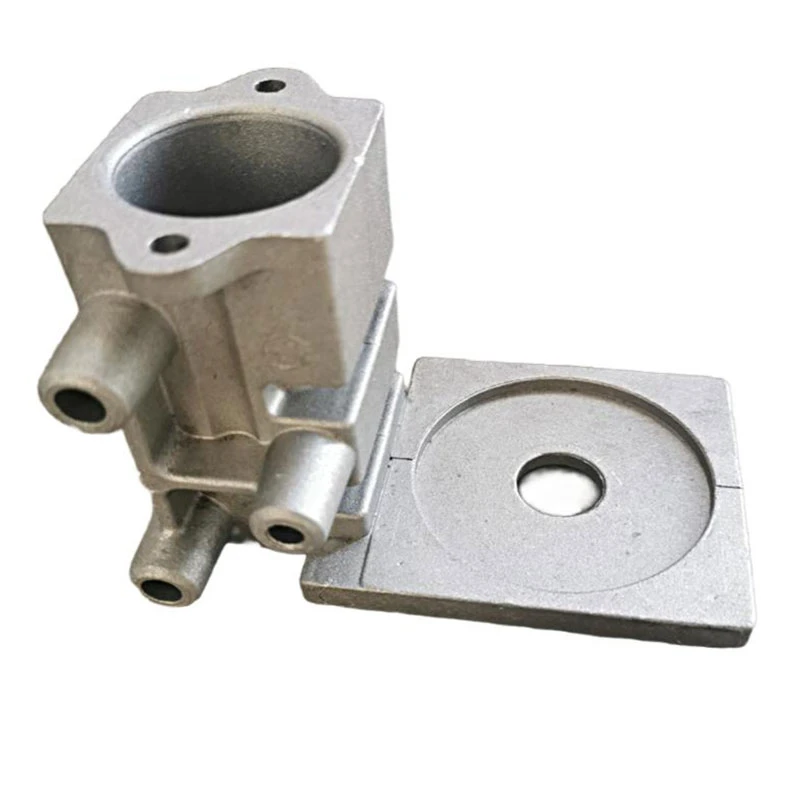
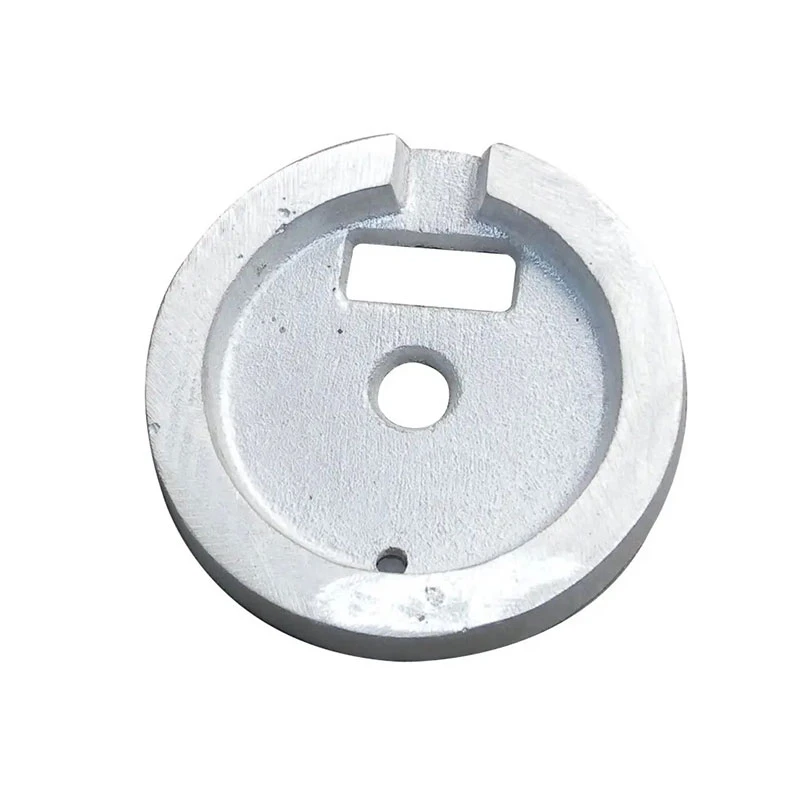
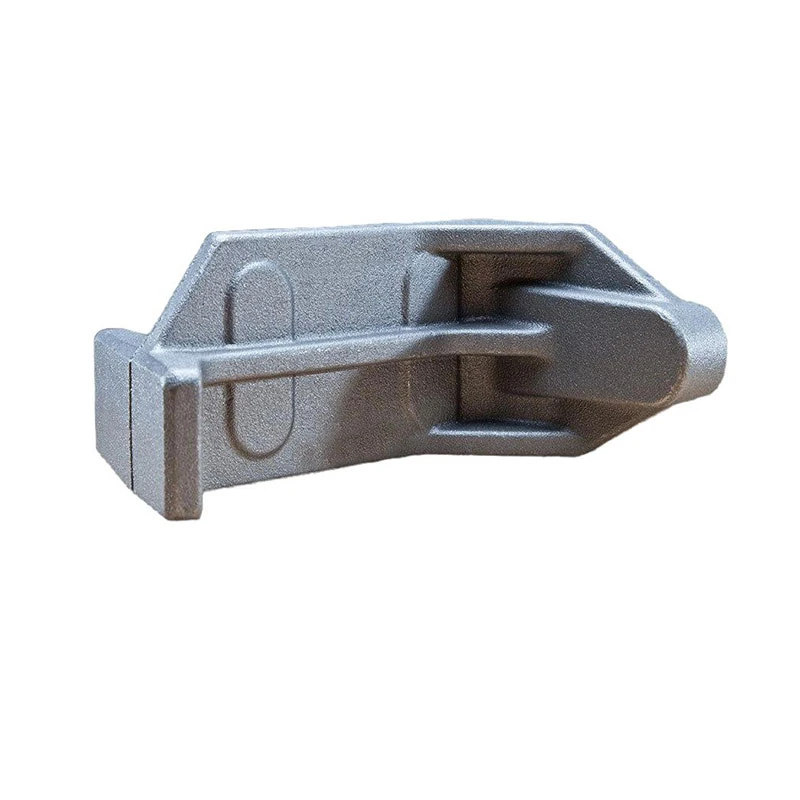
Image: Exemplary precision castings illustrating complex geometries and fine surface finish.
Key Industries Served:
- Petrochemical Industry: Components such as valve bodies, impellers, pump housings, and flange joints are critical in environments dealing with corrosive fluids, high temperatures, and high pressures. Precision castings ensure leak integrity and long service life, contributing to energy saving by reducing system losses and downtime.
- Metallurgy Sector: Parts for furnaces, rolling mills, and processing equipment, often requiring materials resistant to extreme heat and abrasion. The ability to cast wear-resistant alloys precisely extends equipment lifespan.
- Water Supply & Drainage Systems: Components like pipe fittings, pump parts, and valve components that demand excellent corrosion resistance and reliable performance in continuous fluid flow applications. Stainless steel investment castings are particularly favored here.
- Aerospace and Defense: Turbine blades, structural components, and intricate engine parts where lightweighting, high strength-to-weight ratio, and thermal stability are paramount. Precision casting enables complex designs for optimized airflow and performance.
- Automotive Industry: Turbocharger components, exhaust system parts, engine components, and various brackets that require high-temperature resistance, fatigue strength, and intricate shapes for performance optimization.
- Medical Devices: Surgical instruments, implants, and equipment parts that demand biocompatibility, high precision, and sterilization capability. Often, stainless steel and cobalt-chromium alloys are used.
- General Industrial Machinery: Gears, levers, cams, and various linkages where intricate shapes and high mechanical properties are essential for machine reliability and efficiency.
In these scenarios, components forged by precision castings China companies offer tangible benefits such as enhanced energy saving through optimized fluid dynamics, superior corrosion resistance prolonging equipment life, and improved system reliability through the reduction of failure points.
Customized Solutions and Vendor Comparison
In the highly specialized world of industrial components, off-the-shelf solutions often fall short of unique application requirements. This is where the capability of a precision investment casting company to offer fully customized solutions becomes a significant competitive advantage.
Customized Solutions: Tailored to Your Specifications
Our approach begins with a deep understanding of our clients' specific needs, leveraging advanced CAD/CAM software for design optimization and rapid prototyping. Customization extends to:
- Material Selection: Guiding clients through the selection of the most suitable alloy based on environmental conditions (temperature, pressure, corrosives), mechanical properties (strength, hardness, ductility), and cost targets.
- Design for Manufacturability (DFM): Collaborating with engineering teams to optimize component designs for the investment casting process, reducing production costs, improving casting quality, and enhancing performance.
- Secondary Operations: Offering a full suite of post-casting services, including precision CNC machining, heat treatment, surface finishing (e.g., passivation, electropolishing, coating), and assembly, to deliver a complete, ready-to-use component.
- Prototyping and Low-Volume Production: Supporting R&D efforts with efficient prototyping and flexible low-volume production capabilities before scaling up to mass production.
Vendor Comparison: Why Choose a Specialized Partner
When selecting a precision investment casting manufacturer, it's crucial to evaluate several factors beyond just price. A truly valuable partner offers expertise, reliability, and comprehensive support.
| Feature | Specialized Precision Casting Company | General Casting Foundry |
|---|---|---|
| Dimensional Accuracy | High (CT5-CT7, ISO 2768-mK) | Moderate to Low (CT8-CT10, wider tolerances) |
| Surface Finish | Excellent (Ra 3.2-6.3 µm as-cast) | Good to Rough (Ra 12.5-50 µm for sand casting) |
| Complexity of Parts | Highly intricate, thin walls, internal passages | Limited complexity, simpler geometries |
| Material Versatility | Wide range of ferrous and non-ferrous alloys, including superalloys | More restricted, typically common alloys |
| Secondary Machining Needed | Minimal (near-net-shape) | Significant (rough casting) |
| Certifications & Quality Control | Extensive (ISO 9001, NDT, material certs) | Variable, often less stringent |
Choosing a specialized precision investment casting company ensures access to unparalleled technical expertise, advanced quality control, and the ability to produce highly customized, critical components that meet stringent industry standards.
Application Case Studies: Real-World Impact
The tangible benefits of working with a skilled precision investment casting company are best illustrated through real-world applications. These case studies highlight how precision castings deliver optimal performance and cost-efficiency in challenging industrial environments.
Case Study 1: High-Pressure Valve Components for Petrochemical Refinery
Challenge:
A major petrochemical client required complex valve bodies and impellers for a new refinery expansion. These components needed to withstand extreme pressures (up to 200 bar), corrosive media (sulfuric acid derivatives), and operating temperatures up to 350°C. Traditional machining from forged blanks proved cost-prohibitive due to the intricate internal geometries, while sand casting failed to meet the required surface finish and dimensional accuracy for proper sealing.
Solution:
Our team, acting as their trusted precision investment casting manufacturer, proposed a solution using lost-wax casting with Duplex Stainless Steel (UNS S31803). We utilized advanced simulation software to optimize the wax pattern and gating system, ensuring full mold fill and minimal porosity. Post-casting, the components underwent solution annealing and precise CNC machining for critical sealing surfaces.
Outcome:
The client received components with exceptional metallurgical integrity, an Ra 3.2 µm internal surface finish (reducing fluid friction and enhancing energy saving), and dimensional tolerances within ±0.005 inches per inch, eliminating the need for extensive post-casting remediation. The overall production cost was reduced by 30% compared to machining, and the components achieved a projected service life of over 25 years.
Case Study 2: Medical Device Components for Surgical Robotics
Challenge:
A medical robotics innovator required miniature, highly complex stainless steel components for a new surgical device. These parts demanded extreme precision, a flawless surface finish for biocompatibility and sterilization, and strict adherence to FDA-compliant material specifications. Weight reduction was also a critical design goal.
Solution:
As an experienced precision castings China provider, we engaged in a collaborative DFM process. We selected Medical Grade Stainless Steel 17-4PH for its high strength and corrosion resistance. Our investment casting process was optimized for extremely thin wall sections (down to 1.5mm) and intricate geometries, followed by precision deburring, electropolishing to achieve a mirror-like finish (Ra
Outcome:
The resulting components met all critical specifications, including dimensional accuracy, surface finish, and material certification, achieving FDA compliance. The near-net-shape capability significantly reduced post-processing, saving substantial manufacturing costs and accelerating time-to-market for the innovative medical device. Customer feedback highlighted the exceptional precision and consistency of the parts.
Authoritativeness, Trustworthiness, and Customer Support
Building trust and demonstrating authority are fundamental to our operations as a leading precision investment casting company. Our commitment extends beyond product delivery to comprehensive support and transparent practices that assure clients of our expertise and reliability.
Certifications and Industry Recognition:
- ISO 9001:2015 Certified: Our quality management system adheres to the highest international standards, ensuring consistent quality and continuous improvement across all processes.
- Material Traceability: Full material traceability certificates (e.g., 3.1 EN 10204) are provided with every shipment, verifying chemical composition and mechanical properties.
- Adherence to Global Standards: Our products and processes conform to major international standards including ASTM, ANSI, DIN, JIS, and BS, ensuring compatibility and reliability for global applications.
- Over 15 Years of Expertise: With over a decade and a half of dedicated service, we have cultivated deep technical knowledge and practical experience in precision casting for diverse industries.
Frequently Asked Questions (FAQ):
- Q: What is the typical lead time for custom precision investment castings?
- A: Lead times vary based on complexity, material, and order volume. For new tooling and prototypes, it typically ranges from 4-8 weeks. Production orders usually range from 3-6 weeks after tooling approval.
- Q: What is your warranty policy for precision cast components?
- A: We offer a comprehensive warranty covering material defects and manufacturing faults for a period of 12 months from the date of shipment, ensuring components meet agreed-upon specifications and performance criteria.
- Q: Do you provide design assistance and engineering support?
- A: Absolutely. Our engineering team provides full design for manufacturability (DFM) support, material recommendations, and prototyping services to optimize your components for the investment casting process.
- Q: What are your quality control measures?
- A: We implement a multi-stage quality control process, including incoming material inspection, in-process checks at every production stage, final dimensional inspection, NDT (X-ray, MPI, LPI, UT), and comprehensive mechanical and chemical analysis, all documented and traceable.
Customer Support and Fulfillment:
- Dedicated Account Management: Each client is assigned a dedicated account manager for streamlined communication and consistent support from inquiry to delivery.
- Transparent Communication: Regular updates on production status, lead time adjustments, and proactive communication regarding any potential challenges.
- Global Logistics Support: We assist with efficient and reliable shipping solutions to ensure timely delivery to your specified location worldwide.
- After-Sales Service: Our commitment extends beyond delivery with responsive after-sales support for any technical queries, performance feedback, or future requirements.
Conclusion and References
The expertise and capabilities of a specialized precision investment casting company are critical for industries requiring components with exceptional dimensional accuracy, superior surface finish, and complex geometries. From the rigorous process flow and stringent quality control to customized solutions and robust customer support, the value proposition of partnering with a leading manufacturer is clear. As industrial demands continue to evolve, precision investment casting remains a pivotal technology, driving innovation and efficiency across critical sectors worldwide.
Authoritative References:
- American Society for Testing and Materials (ASTM) Standards. Various publications on metal casting, material specifications, and testing methods.
- International Organization for Standardization (ISO) Standards. ISO 9001:2015 for Quality Management Systems and ISO 2768 for general tolerances.
- Investment Casting Institute (ICI). Technical papers and industry guidelines on investment casting processes and applications.
- "ASM Handbook, Volume 15: Casting" by ASM International. Comprehensive reference on casting processes, including investment casting principles and metallurgy.
- MarketsandMarkets. "Investment Casting Market by Material, End-Use Industry, and Region - Global Forecast to 2028." Industry report on market trends and growth projections.
-
Comprehensive Guide to Automotive Die Casting for Enhanced Vehicle PerformanceNewsJan.27,2026
-
Comprehensive Guide to Aluminum Pressure Die Casting Manufacturing ProcessesNewsJan.27,2026
-
Hot Chamber Die Casting vs Cold Chamber Die Casting ExplainedNewsJan.06,2026
-
Hot Chamber And Cold Chamber Die Casting Solutions for Industrial Applications | Hairun SourcingNewsJan.06,2026
-
Hot and Cold Chamber Die Casting: Key Insights from Industry ExpertsNewsJan.06,2026
-
Comprehensive Guide on Graphite Die Casting for B2B Manufacturing | HairunSourcingNewsJan.05,2026