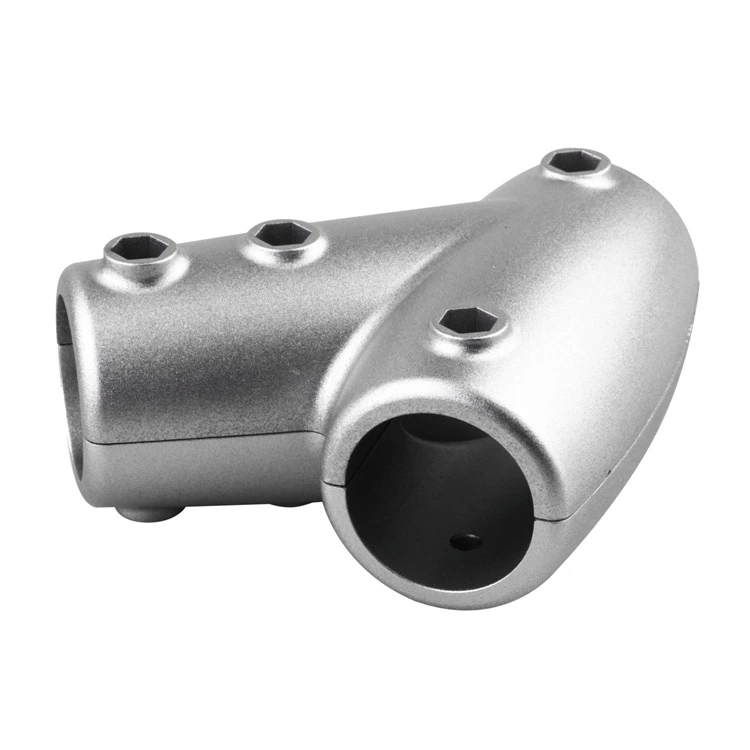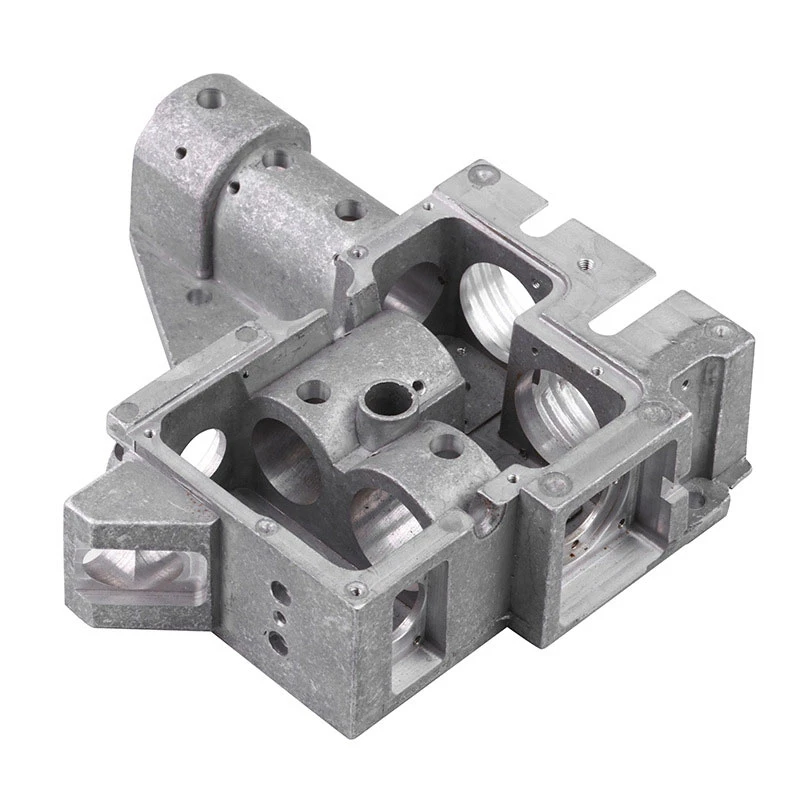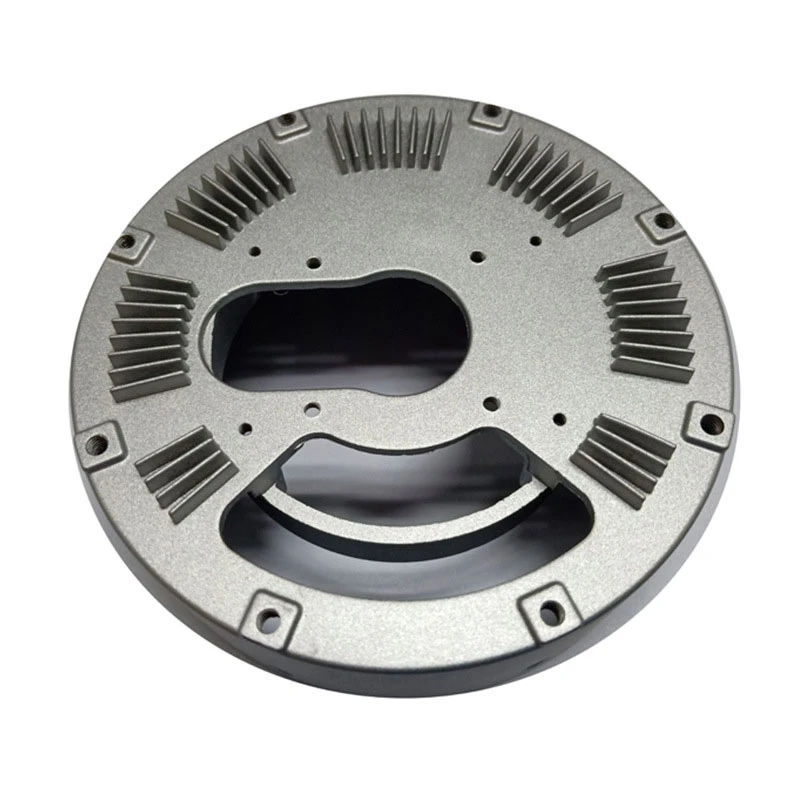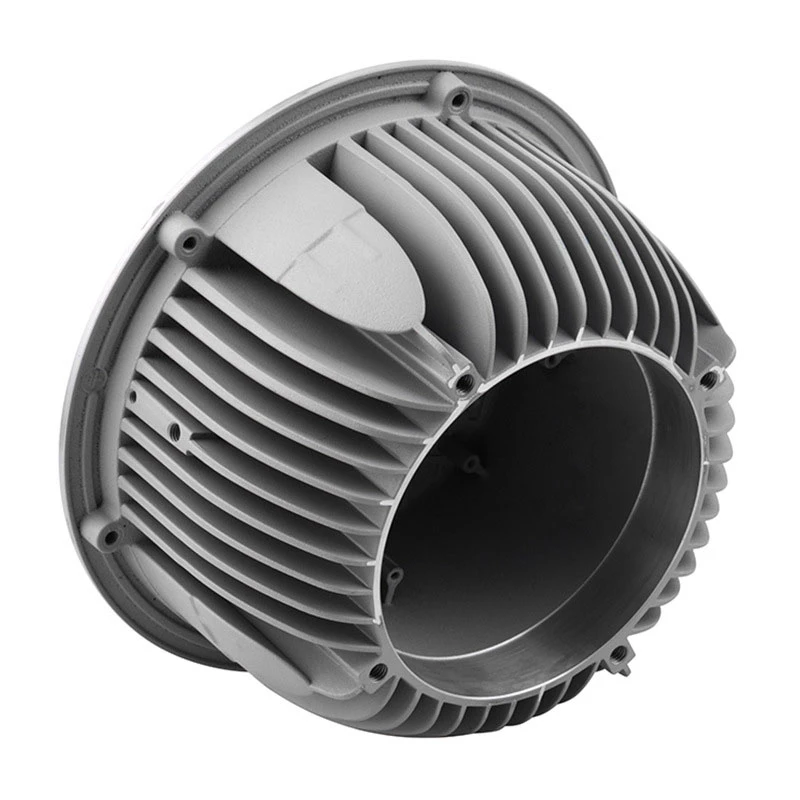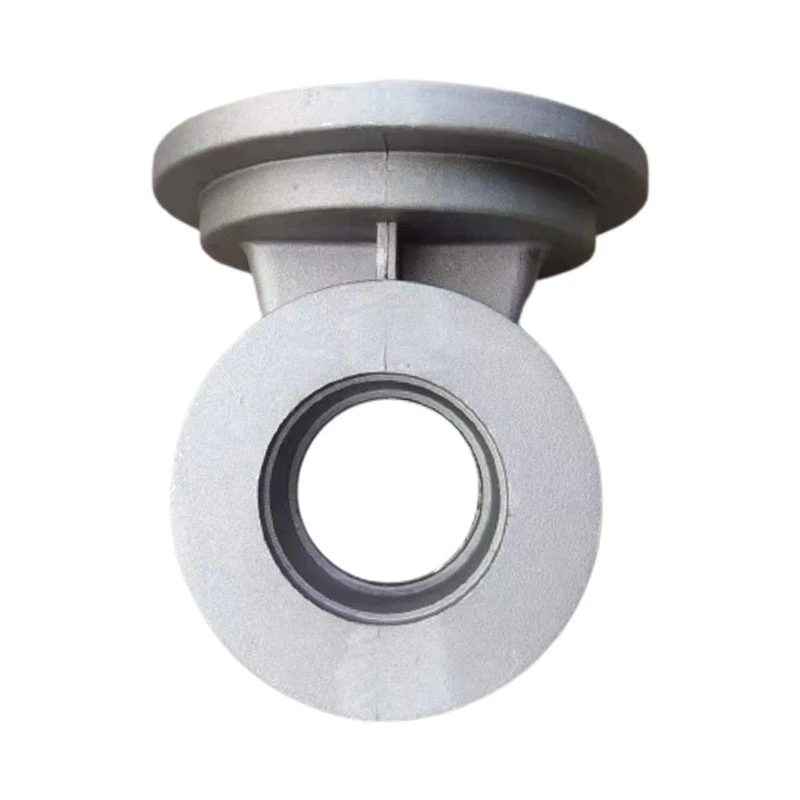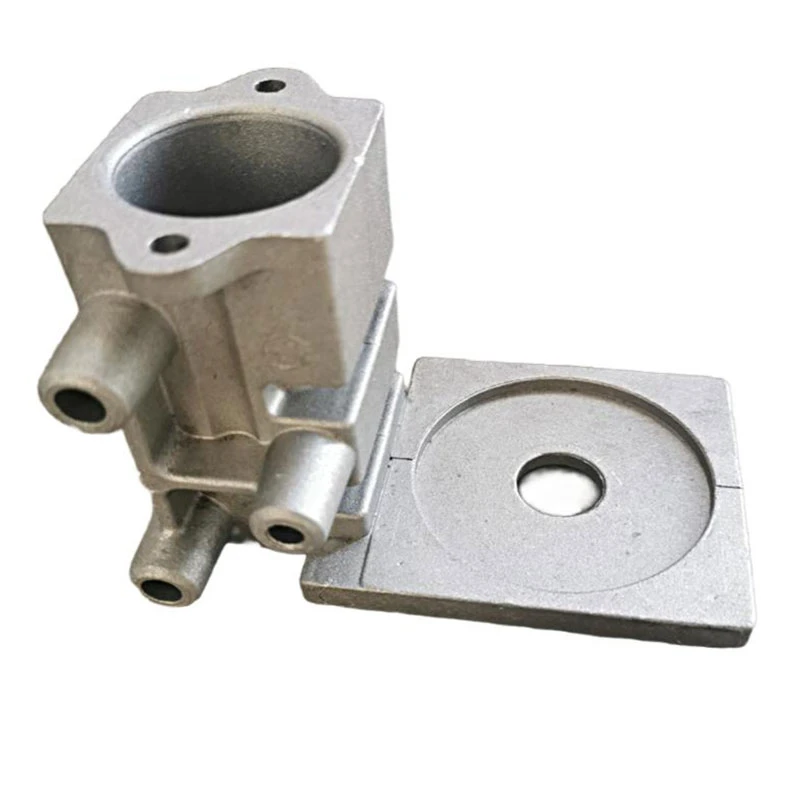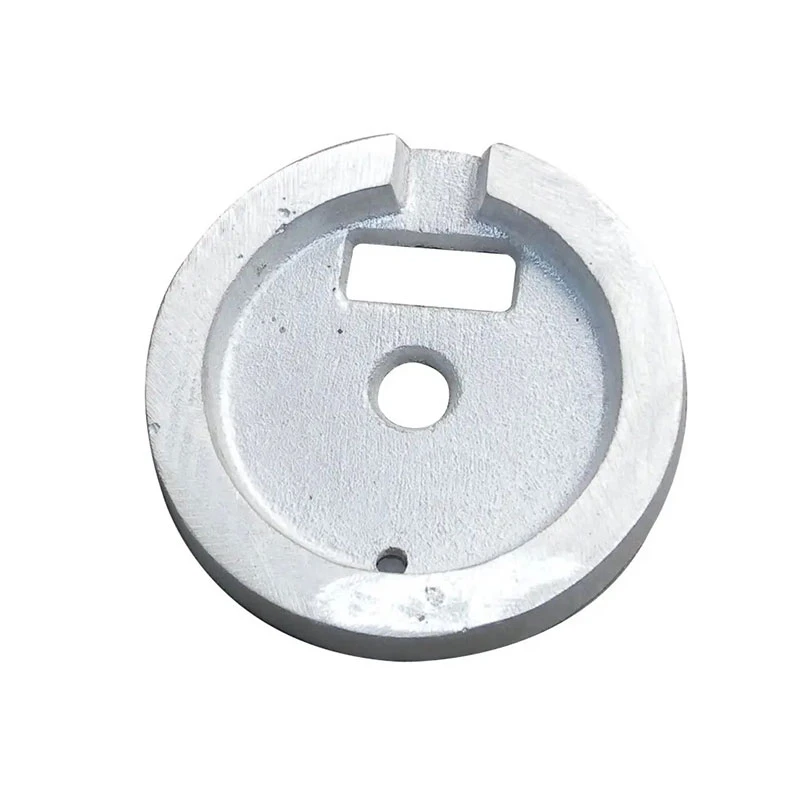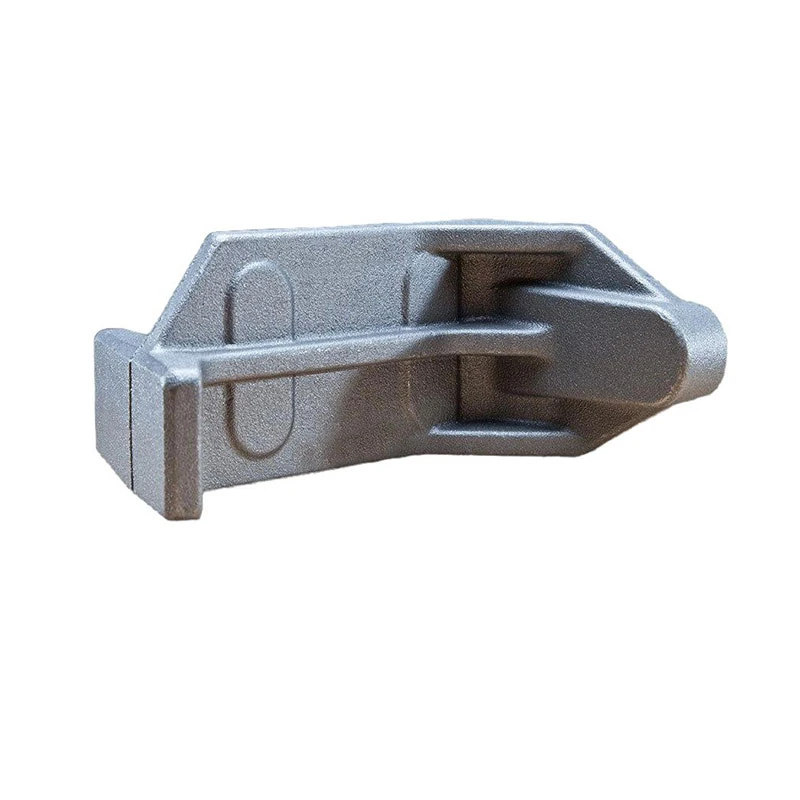



Precision Lost Wax Casting Parts – High-Quality Metal Components for Modern Industry
Understanding Precision Lost Wax Casting Parts: What They Are and Why They Matter
Precision lost wax casting parts might sound like jargon for the uninitiated, but these components form the backbone of countless industries worldwide—from aerospace to medical devices. Simply put, it's a method that promises incredibly detailed, high-quality metal parts without the usual machining hassles. Given the rising demand for lightweight, durable, and complex parts, understanding precision lost wax casting is key to tapping into a future where performance meets cost-efficiency.
Globally, this casting method cuts down raw material waste, reduces production time, and caters to ever-tighter tolerances, proving indispensable in sectors where “close enough” just doesn’t cut it. So, whether you’re a manufacturer, engineer, or buyer, it’s worth getting familiar with the nuances. And not just because it’s fascinating—though it really is—but because it impacts how things get made in a greener, smarter way every day.
Mini takeaway: Lost wax casting isn’t just old-school; it’s a precision powerhouse influencing modern manufacturing worldwide.
The Global Landscape of Precision Lost Wax Casting Parts
Across continents, countries are ramping up their low-volume, high-precision parts manufacturing, relying heavily on lost wax casting technology. According to recent data from the International Organization for Standardization (ISO), demand for cast metal components with tight specs has grown by roughly 7% annually over the past five years.
This surge is especially visible in aerospace hubs like Europe and the US, emerging industrial centers in Asia, and even specialized manufacturing in Latin America. The challenge? Producing intricate, dimensionally accurate parts without excessive post-processing. That's where precision lost wax casting parts come in, allowing manufacturers to meet global quality standards without breaking budgets or timelines.
But, oddly enough, the technique also finds its place in humanitarian contexts—think medical implants or disaster relief equipment, where customized, reliable metal parts are critical. So, it’s not just about sleek factory floors; it’s about life-saving applications too.
Mini takeaway: The global manufacturing landscape increasingly hinges on this technology to balance complexity, quality, and sustainability.
What Exactly Are Precision Lost Wax Casting Parts?
In its simplest form, precision lost wax casting parts are metal components created by a process that involves making a detailed wax model, covering it in a ceramic shell, then melting out the wax to leave a hollow mold. Molten metal is poured into this mold, capturing the exact shape and fine details of the wax original.
This age-old method—some say it dates back over 6,000 years—has evolved with modern materials and technology so that today, it produces parts with exceptional surface finishes and dimensional accuracy, often eliminating the need for further machining.
Because the process supports complex geometries, thin walls, and fine features, it’s highly suited for industries like:
- Aerospace: turbine blades, precision housings
- Medical: implants, surgical instruments
- Automotive & Motorsports: engine parts, fuel system components
- Art and jewelry, where shape and detail really count
Interestingly, the process also aligns with humanitarian goods manufacturing, like specialized parts for water filters or emergency medical devices that need to be both sturdy and finely engineered.
Mini takeaway: Precision lost wax casting parts marry ancient craft with cutting-edge needs, turning wax models into metal masterpieces.
Key Factors Behind the Success of Precision Lost Wax Casting Parts
1. Durability and Material Versatility
The process supports a wide range of metal alloys—from stainless steel and aluminum to exotic superalloys—allowing components to perform under intense stress, heat, or corrosive environments.
2. Unmatched Dimensional Accuracy
Thanks to the fine resolution of wax models and ceramic molds, parts often meet tolerances within ±0.1mm, cutting down rework and ensuring reliability.
3. Complex Geometries Made Possible
Shapes that are difficult or impossible with traditional machining, such as internal channels and thin-walled structures, come to life with ease using this process.
4. Cost-Efficiency for Low to Medium Volumes
Unlike tooling-heavy methods, lost wax casting requires less upfront investment, making it ideal for specialized parts or small batch runs.
5. Reduced Waste and Sustainable Practices
Molten metal recycling and precise material use reduce waste, while advances in eco-friendly ceramic shell materials are pushing the process toward greener production.
Mini takeaway: It’s a blend of physics and art—precision casting thrives where accuracy, complexity, and material performance must meet.
Where Precision Lost Wax Casting Parts Make a Real Difference
You might be surprised how ubiquitous these parts really are. In the aerospace sector, for example, turbine blade casting demands both heat resistance and aerodynamic precision—both served beautifully by lost wax casting. Meanwhile, in remote industrial zones, where machining a part on-site isn’t feasible, pre-cast components ensure machinery uptime and reliability.
Post-disaster relief operations often depend on equipment with tough but fine components—for example, water purifier parts that need exact measurements to avoid leaks but must be manufacturable quickly to meet urgent demand. NGOs even work with manufacturers to custom order precision lost wax casting parts for these purposes.
In Asia, a burgeoning electronics sector leverages the technology for miniature precise housings. And interestingly, luxury watchmakers use the process to craft detailed, tiny parts that few other techniques can manage.
Product Specification Table: Typical Precision Lost Wax Casting Parts
| Specification | Typical Range | Notes |
|---|---|---|
| Part Size | 0.5 cm – 100 cm | Small to fairly large parts |
| Tolerance | ±0.05 – ±0.2 mm | Dependent on alloy & size |
| Wall Thickness | 1 – 15 mm | Thin walls preserved |
| Materials | Stainless Steel, Aluminum, Titanium, Superalloys | Wide alloy selection |
| Surface Finish | Ra 0.8 – 3.2 µm | Minimal machining often needed |
Comparing Leading Vendors in Precision Lost Wax Casting Parts
| Vendor | Specialization | Geographic Reach | Lead Time | Eco-Friendly Options |
|---|---|---|---|---|
| WaxTech Foundry Co. | Aerospace & Medical | Global (Europe, Asia, N.A.) | 4–6 weeks | Yes, biodegradable ceramic shells |
| CastPro Precision | Automotive & Industrial | North America & Europe | 3–5 weeks | Limited, focus on recycling metals |
| GreenCast Solutions | Custom small batches | Asia-Pacific & Middle East | 2–4 weeks | Strong emphasis on low VOC ceramics |
Why Choose Precision Lost Wax Casting Parts? The Long-Term Payoff
From a purely practical standpoint, these parts correspond to cost savings in manufacturing and operation. Less machining means less labour and fewer defects; the ability to create complex parts reduces assembly steps—an innovation that resonates across rooftops ranging from tiny workshops to massive factories all over the world.
There’s also an emotional side: engineers often express peace of mind knowing that the parts will perform safely under pressure—and in critical applications like medical implants or aerospace, that's huge. It’s about trust and dignity—not just cash.
Sustainability-wise, the process is far kinder to the environment than alternatives that churn out excess metal waste and consume more energy. Advances in biodegradable casting materials and metal recycling only sweeten the deal.
Mini takeaway: Cost, reliability, and environmental impact combine to make precision lost wax casting parts a truly future-ready manufacturing solution.
Looking Ahead: Innovations on the Horizon
Recently, automation and digital modeling increasingly integrate with lost wax casting, speeding up wax model production and mold making. 3D printing wax patterns is becoming mainstream, cutting down lead times drastically.
Material scientists are pushing boundaries with new alloys engineered specifically for lost wax processes, optimizing strength and corrosion resistance.
And of course, green energy policies worldwide are pressuring foundries to minimize emissions, prompting investments in cleaner furnaces and more sustainable consumables.
Frankly, it feels like the lost wax casting process is having a renaissance, but one shaped by technology and conscience.
Obstacles and How Companies Are Tackling Them
Despite all advantages, challenges remain. High tooling costs can deter ultra-low volume production, and managing surface finish variability requires tight process control. Shrinkage defects, common in casting overall, need careful mold design and simulation to avoid.
Some vendors use AI-driven simulation software to predict and mitigate defects before pouring metal. Others collaborate closely with customers during design to optimize manufacturability. Increasingly, environmentally conscious firms push to replace ceramic shells with reusable molds or bio-based alternatives.
It's a mix of old craftsmanship and new tech—kind of like restoring a vintage car with cutting-edge parts.
FAQ: Common Questions About Precision Lost Wax Casting Parts
- What advantages do precision lost wax casting parts offer over traditional machining?
- The process reduces machining needs by producing near-net shape parts, cuts material waste, and enables complex geometries that machining alone struggles to achieve. This translates into lower costs and faster turnaround.
- How long does it typically take to produce parts via lost wax casting?
- Lead times usually range from 2 to 6 weeks depending on complexity and batch size. Recent integration of 3D printing for wax patterns has shortened this timeline significantly for some manufacturers.
- Are precision lost wax casting parts environmentally friendly?
- Compared to other casting methods, yes—especially with new biodegradable molds and recycled metals. However, the environmental impact varies based on vendor processes and waste management practices.
- Can I customize parts for specific applications?
- Absolutely. The process is ideal for custom, low- to medium-volume runs where detailed tailoring is essential, whether for aerospace components or medical implants.
- Is it feasible to source precision lost wax casting parts internationally?
- Yes, many foundries operate globally and have export experience. It's best to work with vendors who understand import regulations and quality standards. For examples, visit precision lost wax casting parts.
Wrapping Up: Durable, Precise, and Ready for Tomorrow
All told, precision lost wax casting parts represent a blend of tradition and innovation, delivering a versatile manufacturing solution that's tough to beat. From the smallest intricate parts to critical mechanical components, their reliability and detailed finish give industries—and the people depending on them—extra assurance.
Curious to explore more or need bespoke parts? Visit our website: https://www.hairunsourcing.com.
References
- Wikipedia: Investment Casting Overview
- International Organization for Standardization (ISO)
- United Nations sustainability initiatives and manufacturing impact
-
Comprehensive Guide to Automotive Die Casting for Enhanced Vehicle PerformanceNewsJan.27,2026
-
Comprehensive Guide to Aluminum Pressure Die Casting Manufacturing ProcessesNewsJan.27,2026
-
Hot Chamber Die Casting vs Cold Chamber Die Casting ExplainedNewsJan.06,2026
-
Hot Chamber And Cold Chamber Die Casting Solutions for Industrial Applications | Hairun SourcingNewsJan.06,2026
-
Hot and Cold Chamber Die Casting: Key Insights from Industry ExpertsNewsJan.06,2026
-
Comprehensive Guide on Graphite Die Casting for B2B Manufacturing | HairunSourcingNewsJan.05,2026