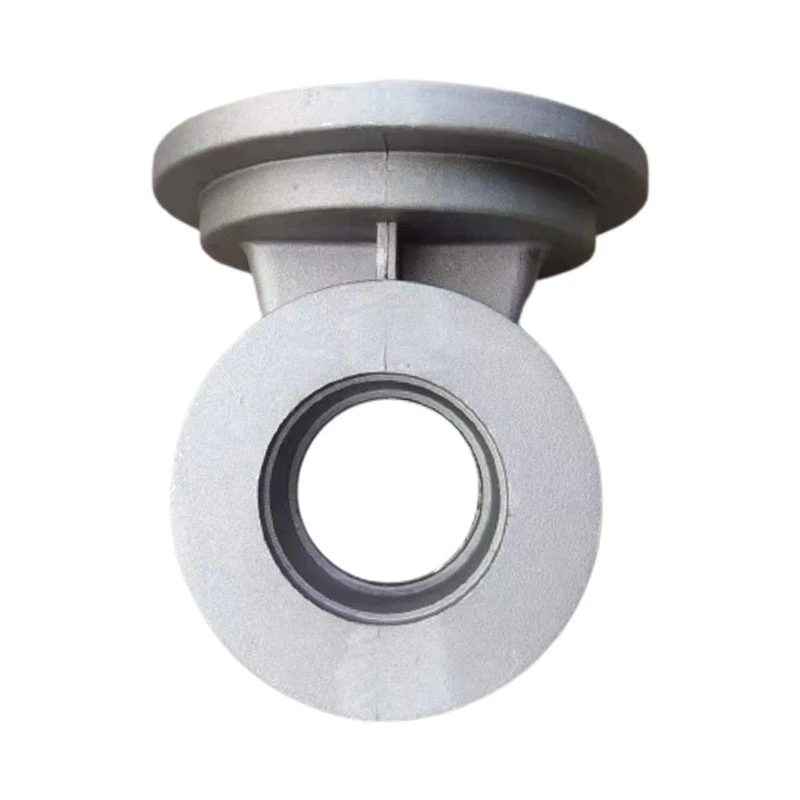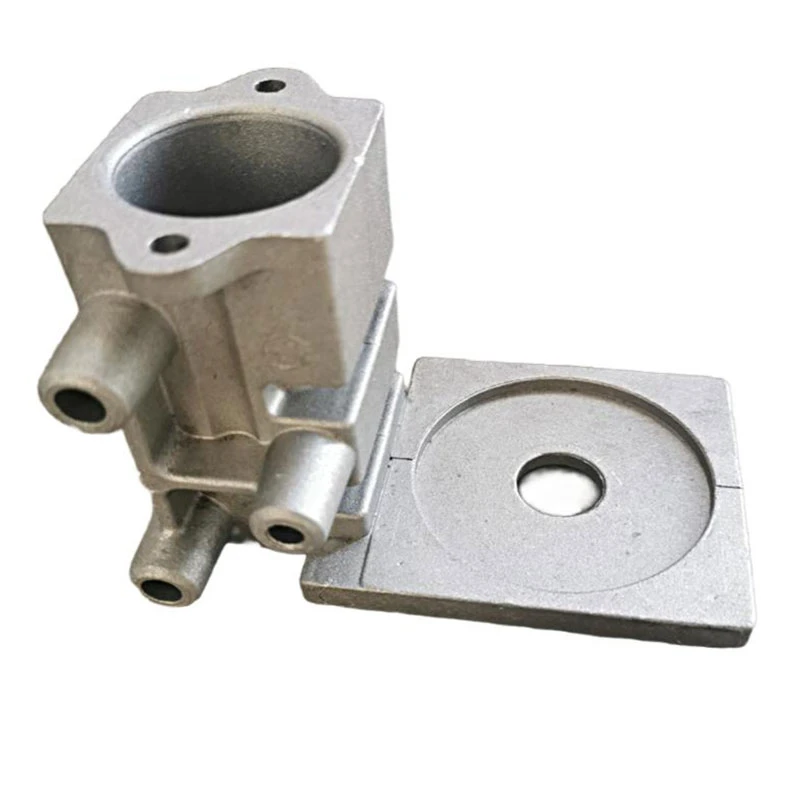



Precision Metering Valve – Accurate Fluid Control Solutions for Industry
The Unsung Hero of Fluid Control: Precision Metering Valve
Let me start by saying that when you think about controlling fluids in industries—whether that's oil, chemicals, water treatment, or even pharmaceuticals—precision is everything. A precision metering valve is that often overlooked but essential component that keeps the flow just right. Globally, as industries demand stricter control, efficiency, and safety, understanding these valves isn't just technical jargon—it’s a key to smarter, safer, and greener operations.
Why Does Precision Metering Valve Matter on a Global Scale?
Water scarcity, environmental regulations, and the push for sustainable manufacturing are realities everywhere. According to the United Nations, roughly 2.2 billion people lacked safely managed drinking water services as of 2020. That’s staggering. Now imagine the role precision metering valves play in industries responsible for purifying, pumping, and distributing water—or handling chemicals where any slip-up could mean contamination or waste.
Beyond water, sectors like pharmaceuticals, petrochemicals, and food & beverage increasingly rely on exact fluid flow control to meet quality standards and reduce material loss. The International Organization for Standardization (ISO) has even released standards related to valve testing to ensure performance consistency globally.
But here’s the rub: imprecise flow means inefficiency, potential hazards, and higher costs. So the challenge precision metering valves address is nothing short of preventing costly mistakes and environmental issues.
Getting Real: What Exactly Is a Precision Metering Valve?
At its core, a precision metering valve is designed to regulate fluid flow very accurately. It differs from a standard valve because it allows measured amounts of gas or liquid to pass, often with very fine increments. Think of it like a faucet with a superhuman ability to control the drip, drop, or steady stream—but in industrial-strength form.
These valves typically come with features such as needle-shaped valve stems that create tight seals, enabling granular adjustment of flow rates. In industries where fluids must be injected in exact doses—like medical drug manufacturing or chemical processing—this level of precision is indispensable. Plus, a precision metering valve often supports automated or remote operation, adding to the versatility.
Core Components That Make Precision Metering Valves Tick
1. Durability
Many precision metering valves must operate in corrosive or high-pressure environments. Materials like stainless steel or specialized alloys make sure they last longer and don’t give out unexpectedly—a must for businesses where downtime is costly.
2. Scalability
Whether you’re handling a tiny lab-scale experiment or a massive petrochemical plant, these valves come in sizes and configurations to suit. Some come with modular elements allowing easy integration into complex flow control systems.
3. Cost Efficiency
It sounds paradoxical, but spending more upfront on a higher-quality valve usually pays off. Less waste, fewer maintenance headaches, and more consistent output lower operational costs over time. Kind of like investing in a premium espresso machine vs. a cheap one.
4. Accuracy & Repeatability
This is the heart of the game. A well-designed precision metering valve delivers the same exact flow, batch after batch, ensuring trust in processes that can’t tolerate variation.
5. Compatibility & Integration
Modern valves often feature standard connection types and electronic controls compatible with SCADA systems and IoT monitoring—super helpful in today's automated plants.
Mini Takeaway:
Think of precision metering valves as the “fine-tuners” within fluid systems, where durability and accuracy blend to cut costs and boost reliability.
How Precision Metering Valves Fit Into Real-World Applications
These valves aren’t just laboratory curiosities or niche tools—they’re everywhere:
- Water Treatment Plants: Precisely dosing disinfectants and chemicals to avoid overuse and contamination.
- Pharmaceutical Manufacturing: Delivering exact amounts of liquid ingredients to ensure drug consistency and compliance.
- Food & Beverage Industry: Controlling additives, flavorings, or carbonation in beverages—no one likes a flat soda.
- Oil & Gas: Regulating flow during refining processes where each drop counts toward efficiency and safety.
- Post-disaster Relief Operations: Portable water purification systems equipped with precision valves help ration and treat scarce clean water.
- Remote Industrial Zones: Automated valves reduce the need for constant human monitoring, cutting labor costs and risk.
Key Product Specifications at a Glance
| Parameter | Typical Range/Value | Notes |
|---|---|---|
| Flow Rate | 0.1 to 100 L/min | Adjustable in fine increments |
| Materials | Stainless steel, Brass, PTFE | Chemical & corrosion resistant |
| Operating Pressure | Up to 10,000 psi (≈ 700 bar) | Varies with design |
| Temperature Range | -40°C to 200°C | Depends on materials used |
| Connection Types | NPT, BSP, Flanged, Quick-connect | Standardized to ease integration |
Vendor Comparison: Choosing the Right Precision Metering Valve Supplier
| Vendor | Product Range | Customization | Price Range | Lead Time |
|---|---|---|---|---|
| ValveTech Industries | Wide (Lab to Industrial) | High | $$$ | 4-6 weeks |
| FlowMaster Co. | Medium (Industrial focus) | Medium | $$ | 2-4 weeks |
| PrecisionFluids Ltd. | Niche (Scientific & Medical) | Very High | $$$$ | 6-8 weeks |
Long-Term Benefits & Why They Matter
Trust me, the long game is where precision metering valves shine—cutting down waste not only saves money but drastically reduces environmental footprints. Many engineers swear by them for enabling safer chemical dosing that lowers risk to workers and communities.
Beyond cost savings, there’s peace of mind: knowing that every drop is controlled means better product quality, fewer rejects, and less downtime. It’s like having a reliable teammate on the factory floor who never calls in sick.
Future Trends Making Precision Metering Valves Smarter
The valve world isn’t stuck in a metal-and-screws rut. Companies are buzzing about integrating IoT sensors for real-time flow diagnostics and predictive maintenance—think valves that alert you before failure happens.
Combine that with greener materials and digital twin models for valve simulation, and you get a future where fluid control is not just precise, but proactive and sustainable.
Common Challenges and How Experts Recommend Tackling Them
Still, no system is perfect. Typical issues include wear and tear from abrasive fluids, difficulties in calibration, and compatibility hiccups with automation systems.
To get ahead, many firms adopt modular designs allowing quick part swaps, invest in better seals, or choose vendors that offer thorough testing and support. Some even integrate real-time sensors to constantly verify performance—a bit like a fitness tracker for your valve.
FAQ: Getting to Know Your Precision Metering Valve
- Q: How precise can a metering valve get in regulating flow?
- A: Modern precision metering valves can regulate flow down to fractions of a milliliter per minute, with repeatability better than ±1%. This level of control is vital in high-stakes industries like pharmaceuticals.
- Q: Are these valves compatible with automated control systems?
- A: Yes. Many precision metering valves come with electronic actuators and sensors built for integration with SCADA, PLCs, and IoT platforms, enabling remote monitoring and adjustments.
- Q: Can precision metering valves handle corrosive chemicals?
- A: Absolutely. Valves made from stainless steel, PTFE, or Hastelloy resist corrosion, making them ideal for aggressive chemical environments without sacrificing accuracy.
- Q: What maintenance do precision metering valves require?
- A: Regular inspection and cleaning are needed to prevent clogging and seal wear. Some designs allow quick in-place servicing, minimizing downtime.
- Q: How do I choose the right valve for my application?
- A: Consider fluid properties, required flow range, operating pressure, and integration needs. Consulting vendors with customization options often leads to the best fit.
Wrapping Up: Why Precision Metering Valve Should Be on Your Radar
In a world demanding smarter, more efficient fluid handling, precision metering valves stand out as critical enablers. They provide accuracy, reliability, and peace of mind, all wrapped in a compact mechanical marvel.
If you want to explore specific options or request detailed specs, visiting our site is a good starting point. Whether you’re fine-tuning a pharmaceutical line or ramping up a chemical plant, investing in quality valves pays dividends down the road.
References & Further Reading
Mini Takeaway:
Precision metering valves quietly power countless industries with exact flow control — the real flex is in how they balance cutting-edge design with raw reliability.
-
Comprehensive Guide to Automotive Die Casting for Enhanced Vehicle PerformanceNewsJan.27,2026
-
Comprehensive Guide to Aluminum Pressure Die Casting Manufacturing ProcessesNewsJan.27,2026
-
Hot Chamber Die Casting vs Cold Chamber Die Casting ExplainedNewsJan.06,2026
-
Hot Chamber And Cold Chamber Die Casting Solutions for Industrial Applications | Hairun SourcingNewsJan.06,2026
-
Hot and Cold Chamber Die Casting: Key Insights from Industry ExpertsNewsJan.06,2026
-
Comprehensive Guide on Graphite Die Casting for B2B Manufacturing | HairunSourcingNewsJan.05,2026