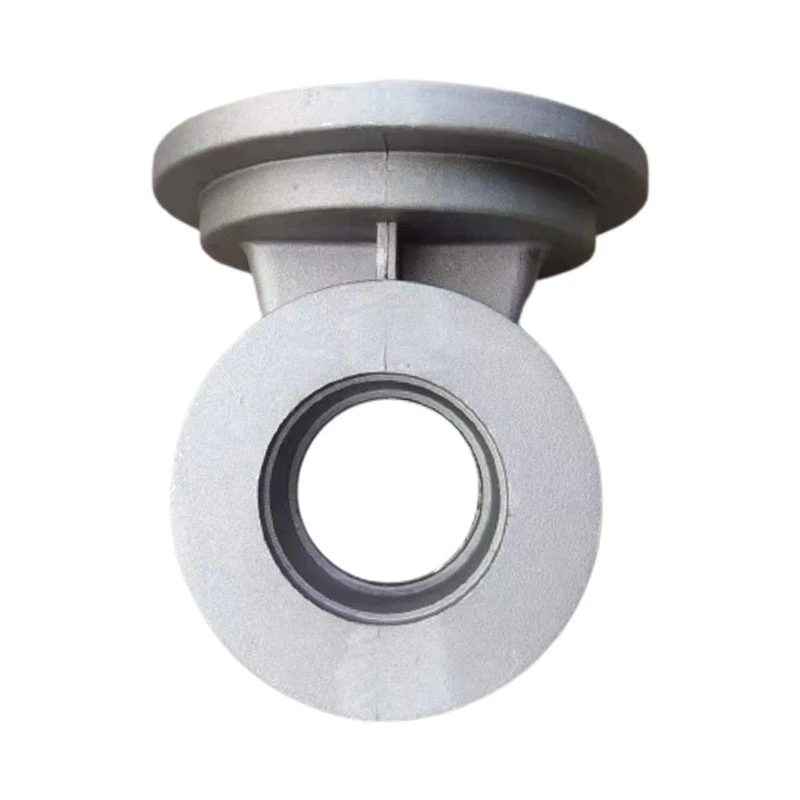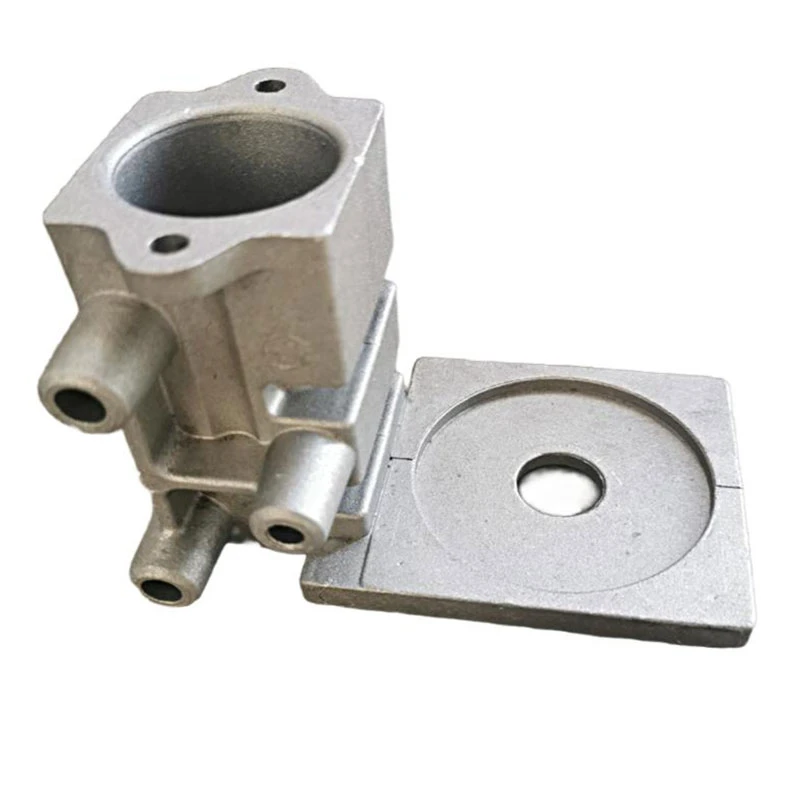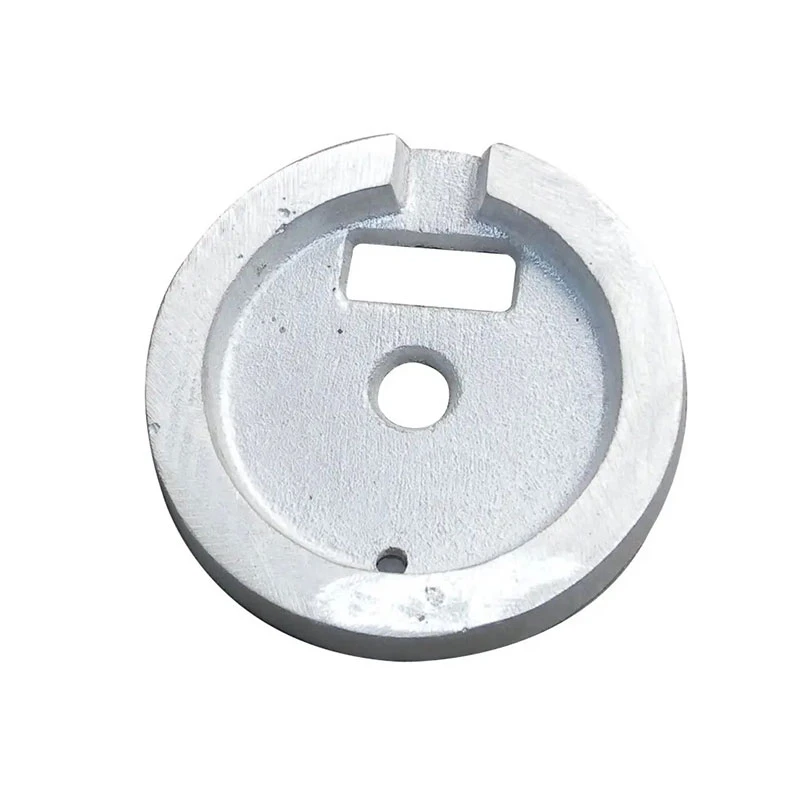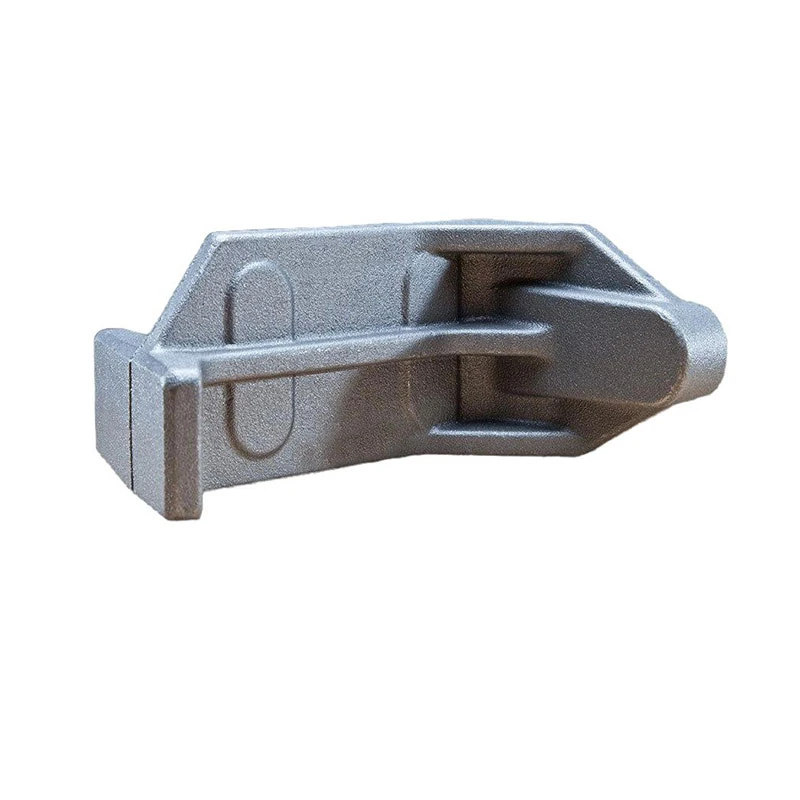



Precision Needle Valve: Essential Flow Control for Global Industries
Understanding the Precision Needle Valve: A Small Component with a Global Impact
When we talk about global industry and critical infrastructure, it’s often the big things that grab attention. Yet, some of the most pivotal components are tiny, precise, and meticulously engineered — like the precision needle valve. Though it might sound obscure, this little valve plays an outsized role across sectors like oil and gas, pharmaceuticals, water treatment, and humanitarian aid distribution systems worldwide.
Why care about such a device? Because controlling fluid flow with unmatched accuracy can mean the difference between safety and disaster, efficiency and waste, or clean water reaching vulnerable communities vs. nothing at all. This article digs into the nuts and bolts of the precision needle valve, why it's indispensable globally, and how understanding its elements might just save you a headache — or worse.
Precision Needle Valve in the Global Industry Landscape
Globally, precision flow control is fundamental in industries that sustain modern life. According to a 2023 report from ISO (International Organization for Standardization), the value chain for flow control components is growing at an average 5.3% yearly, reflecting increased demand for safe, sustainable, and efficient fluid handling. The World Bank notes that reliable water purification systems, many incorporating needle valves, support public health across developing regions — directly impacting goals like the UN’s Sustainable Development Goal 6 for clean water and sanitation.
One challenge that the precision needle valve addresses is the fine-tuning of flow rates under variable pressures, preventing leaks or overuse. In harsh or remote environments, a faulty valve can halt operations or cause costly delays, which often translates to human risk. So, the push for better, more dependable precision valves is more than just engineering pride — it's a lifeline in many contexts.
What Is A Precision Needle Valve, Anyway?
At its core, a precision needle valve is a type of flow control valve characterized by a small, tapered needle-like plunger that fits into a matching seat. Turning the valve handle adjusts how far the needle moves, finely controlling the fluid or gas flow through it. Unlike ball or gate valves that are more about ‘on-off’ control, the needle valve lets operators dial in flow rates with exceptional accuracy.
These valves shine where precision matters: laboratory instrumentation, fuel supply lines, and delicate chemical injections. The needle concept also helps reduce turbulence and wear — both critical for reliability and longevity.
Mini Takeaway:
Simply put, precision needle valves are the tiny maestros of fluid control — small yet highly specialized for critical accuracy.
Core Components and What Makes Them Tick
1. Durable Materials
Typically made from stainless steel, brass, or exotic alloys, the materials must resist corrosion, pressure, and temperature extremes. For example, many pharmaceutical-grade valves use 316L stainless steel to meet sanitary standards.
2. Fine Threading and Tolerances
The heart of precision lies in how finely the needle threads into the seat. The smaller the increments of movement, the finer the flow control. Skilled machining ensures the needle fits perfectly to avoid leakage or abrupt jumps in flow.
3. Compact Design
These valves often need to fit into tight panels or intricate piping systems, demanding compact, user-friendly designs without sacrificing performance.
4. Seal Integrity
Leak-proof operation demands tight seals. Many precision needle valves feature PTFE or similar sealing materials, combining chemical inertness with excellent sealing to handle diverse fluids and gases.
5. Adjustable Operation
Operators benefit from ergonomic knobs or handles that allow gradual, controlled adjustments, vital in steady process changes.
Mini Takeaway:
The secret sauce behind the precision needle valve’s power is in the marriage of material science, machining finesse, and smart design.
Global Applications: Where Precision Needle Valves Really Make a Difference
From massive industrial complexes to grassroots relief efforts, these valves pop up worldwide:
- Oil & Gas: Controlling injection rates of chemicals or fuel flow in refineries.
- Pharmaceutical Production: Metering precise dosages or mixing chemicals during manufacturing.
- Water Treatment Plants: Adjusting flows of disinfectants to ensure safe, clean water supplies.
- Post-Disaster Humanitarian Relief: In remote camps, precision needle valves help regulate water systems, ensuring steady delivery without wastage — a literal life-saver.
- Laboratory Instruments: Maintaining controlled flows in sensitive experiments or gas chromatographs.
In fact, NGOs operating in Southeast Asia and Sub-Saharan Africa often source precision needle valves suitable for rugged environmental conditions. It’s also common to find such valves within renewable energy systems, regulating hydrogen or natural gas flows, especially as green energy technology grows.
Mini Takeaway:
Whether refining fuel or delivering water to remote villages, precision needle valves quietly enable critical systems around the globe.
A Quick Overview: Product Specifications of a Typical Precision Needle Valve
| Specification | Value |
|---|---|
| Material | 316L Stainless Steel |
| Thread Type | Fine (24 TPI - Threads Per Inch) |
| Operating Pressure | Up to 6000 psi (414 bar) |
| Temperature Range | -50°C to +200°C |
| Seal Material | PTFE (Teflon) |
| Connection Type | 1/4" NPT Female |
Choosing Your Vendor: Comparing Top Precision Needle Valve Suppliers
| Vendor | Material Options | Price Range (USD) | Lead Time | Customization | Warranty |
|---|---|---|---|---|---|
| HuiRun Precision | 316L SS, Brass, Alloy 20 | $50 - $150 | 2 - 4 Weeks | Full Custom Options | 1 Year |
| ValveTech Inc. | Stainless Steel, Carbon Steel | $70 - $180 | 3 - 6 Weeks | Limited Customization | 2 Years |
| FlowMaster Co. | Brass Only | $40 - $90 | 1 - 2 Weeks | No Customization | 6 Months |
Why Invest in Precision Needle Valves? Advantages and Long-Term Value
Beyond their compact size, precision needle valves offer remarkable advantages:
- Cost Efficiency: By reducing fluid waste and preventing leaks, these valves cut operational expenses significantly.
- Reliability: Their robust design means less downtime and fewer emergency repairs.
- Sustainability: Accurate control reduces environmental emissions by avoiding excess chemicals or fuels.
- Safety and Trust: In industries like pharmaceuticals or disaster relief, their flawless function safeguards lives and builds confidence.
- Innovation: As digital integration spreads, needle valves now increasingly come with smart sensors enabling remote monitoring and automation.
Mini Takeaway:
Precision needle valves aren’t just tiny parts — they’re major contributors to safer, smarter, and greener operations.
Emerging Trends: What’s Next for Precision Needle Valves?
The future’s bright and full of potential breakthroughs:
- Smart Valve Technology: Integration of IoT sensors for real-time data on flow rates and predictive maintenance.
- Eco-Friendly Materials: Biocompatible and recyclable materials are under exploration to reduce waste.
- Advanced Manufacturing: 3D printing and nano-coatings are pushing precision and durability higher.
- Automation Compatibility: Automated systems capable of self-adjusting valves based on environmental feedback.
Challenges in Precision Needle Valve Use and How to Overcome Them
As with any technology, some hurdles remain:
- Wear & Tear: Tiny valve parts can degrade under abrasive fluids. High-grade materials and regular maintenance mitigate this.
- Cost of Customization: Tailored valves may be expensive, but upfront investment often prevents costly failures later.
- Operator Skill: Precise adjustment requires training; many manufacturers now provide better user guides or online tutorials.
Innovators recommend routine inspections and leveraging predictive monitoring technologies (such as IoT-enabled valves) to significantly cut failure rates and optimize lifespan. It's kind of like giving your valve a health check before it acts up.
FAQ: What You Might Be Wondering About Precision Needle Valves
- Q1: How does a precision needle valve differ from other valves like ball or gate valves?
- A: Unlike ball or gate valves that are mainly for on/off control, precision needle valves allow for extremely fine adjustments of flow rate. This makes them ideal for dosing or lab applications where accuracy matters most.
- Q2: Are precision needle valves suitable for high-pressure environments?
- A: Yes, many precision needle valves are designed to handle high pressures (often up to several thousand psi), especially those made with stainless steel and engineered components. Always check specifications for your application.
- Q3: Can I use precision needle valves with corrosive fluids?
- A: With proper material selection—like 316L stainless steel and PTFE seals—precision needle valves can handle aggressive chemicals. However, confirm compatibility with the vendor to avoid unexpected corrosion.
- Q4: How often should precision needle valves be maintained or replaced?
- A: Maintenance frequency depends on use and fluid type but typically involves inspection every 6-12 months. Signs of wear, leakage, or stiff operation suggest replacement or servicing is necessary.
- Q5: Where can I find reliable suppliers for precision needle valves?
- A: It’s best to choose trusted manufacturers offering certifications and customization options. Vendors like HuiRun Precision (link) provide versatile selections suited for various industries.
Wrapping Up: The Quiet Power of Precision Needle Valves
All in all, the precision needle valve is one of those unassuming heroes in hardware — small, intricate, and often overlooked, yet absolutely crucial to countless industrial and humanitarian applications. Their ability to facilitate exact flow control minimizes waste, boosts safety, and supports innovation in sectors critical to global wellbeing.
Next time you think no one notices the tiny parts, remember this: machines, systems, and ultimately people rely on precision down to the last millimeter. If you want to explore the latest models, technical specs, and custom solutions, visit our website: https://www.hairunsourcing.com — your gateway to quality precision needle valves.
References
-
Comprehensive Guide to Automotive Die Casting for Enhanced Vehicle PerformanceNewsJan.27,2026
-
Comprehensive Guide to Aluminum Pressure Die Casting Manufacturing ProcessesNewsJan.27,2026
-
Hot Chamber Die Casting vs Cold Chamber Die Casting ExplainedNewsJan.06,2026
-
Hot Chamber And Cold Chamber Die Casting Solutions for Industrial Applications | Hairun SourcingNewsJan.06,2026
-
Hot and Cold Chamber Die Casting: Key Insights from Industry ExpertsNewsJan.06,2026
-
Comprehensive Guide on Graphite Die Casting for B2B Manufacturing | HairunSourcingNewsJan.05,2026