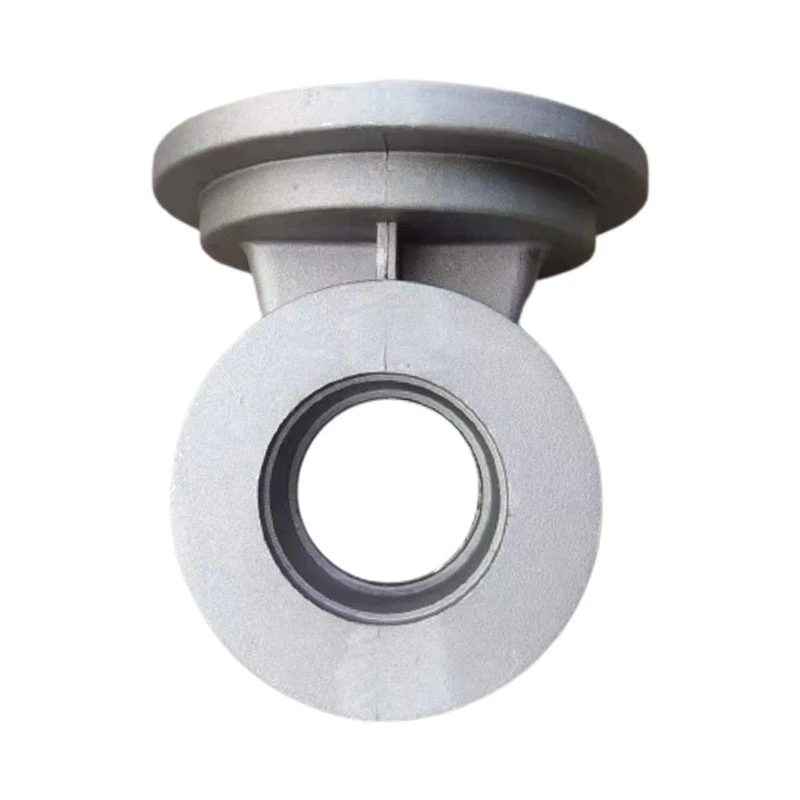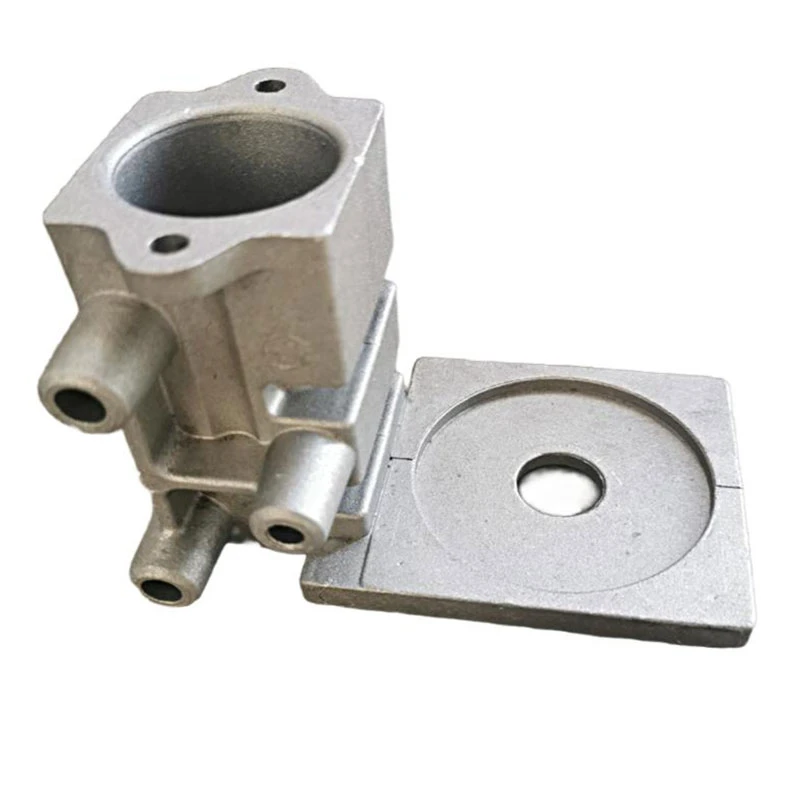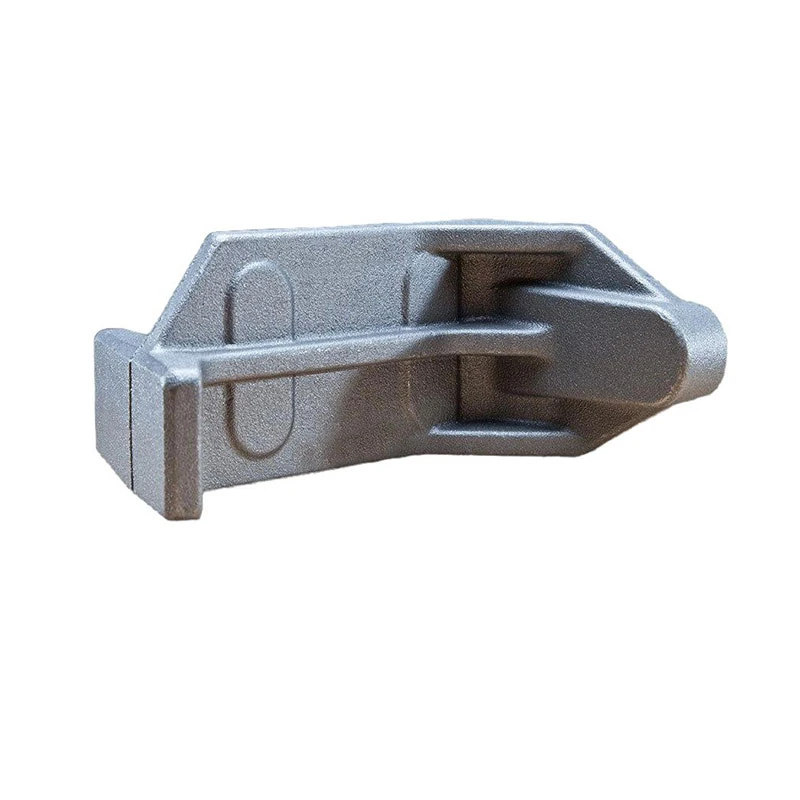



Precision Valve SA – Advanced Flow Control Solutions for Modern Industries
Understanding Precision Valve SA: Why It Matters in Today’s Industrial World
In a world where industrial efficiency and safety continually push the boundaries of innovation, understanding precision valve SA isn’t just a niche topic restricted to engineers and product developers. This technology quietly but critically ensures smooth flow control across multiple sectors — from oil and gas to water treatment and even humanitarian relief efforts. Globally, valves are part of a $60 billion market and expected to grow steadily, underpinning the complex pipelines and manufacturing lines we depend on every day. Grasping the nuances of precision valve SA unlocks benefits such as enhanced reliability, cost savings, environmental compliance, and operational safety — factors that ripple far beyond the factory floor.
Global Context: Why Precision Valve SA Is Gaining Worldwide Attention
Let’s set the stage. According to data from the International Organization for Standardization (ISO), industries across continents are pushing for valves that deliver exacting control with minimal downtime. At the same time, the UN reports over $40 billion annually is lost globally due to equipment failures in critical infrastructure settings — a staggering figure that hints at why precision engineering matters so much.
Precision valve SA solves a persistent problem: how to reliably regulate fluid and gas under extreme conditions without wasting resources or risking safety. Whether it’s refining oil in Saudi Arabia or ensuring clean water delivery in sub-Saharan Africa, the demand for valves that are both precise and durable has never been higher.
What Is Precision Valve SA? Breaking It Down
Simply put, precision valve SA refers to valves manufactured and calibrated with an emphasis on exact flow control, tight tolerances, and consistent performance meeting the highest industry standards. The “SA” often denotes a specialized product series or a manufacturer’s branding that stands for “Superior Accuracy” or sometimes “Standard Approval” depending on vendor practices.
These valves play pivotal roles in systems that can't afford minute deviations—think chemical plants, power plants, and advanced manufacturing autopilots. In humanitarian contexts, for example, high-quality valves ensure safe transport of water and fuel during disaster relief, where reliability can save lives.
Key Features of Precision Valve SA: What Makes It Tick?
1. Durability and Material Integrity
Most precision valves are crafted from stainless steel, brass, or exotic alloys that fend off corrosion, heat, and pressure. This isn’t just about stubbornness against wear—it’s about preventing contamination, leaks, and failures that could lastingly disrupt processes.
2. Tight Tolerances and Calibration
Precision means near-perfect matching between the valve components and their function. The sealing surfaces are polished and tested, sometimes down to microns, ensuring minimal leaks and repeatable control of fluids or gases.
3. Scalability Across Applications
A single precision valve SA design can often be adapted from miniature instrumentation valves to massive pipeline gate valves. This scalability allows industries to standardize maintenance regimes and reduce spare part variety.
4. Cost-Efficiency Over Time
Though initial costs may be higher, precision valves often pay for themselves by reducing downtime, minimizing repair frequency, and lowering energy loss due to inefficiencies.
5. Compliance With International Standards
Gear shift: producing precision valve SA models means adhering to strict ISO, ANSI, or API standards, ensuring global interoperability and quality assurance. This factor matters if you’re exporting or working on international megaprojects.
Mini takeaway: Durability, precision, and compliance aren’t just buzzwords—they frame the groundwork for trust in any modern industrial operation.
Where Are Precision Valve SA Products Used Around the World?
Oddly enough, the reach of precision valves goes beyond just factories and refineries. Real-world examples include:
- Middle East oil fields: Saudi Arabia and UAE depend on precision valves for gas flare control and flow metering — critical for environmental compliance.
- European pharmaceutical plants: Precise dosing and contamination control require valves rated for sanitary use, often precision valve SA series or equivalents.
- NGO water relief operations in Africa: Precision valves regulate clean water distribution in post-disaster scenarios, preventing leaks and cross-contamination.
- Automotive manufacturing hubs in Asia: Use valves for automated robotic fluid dispensing ensuring product consistency.
Example: A recent relief operation in Mozambique noticed their water filtration system efficiency improved by 15% after upgrading to precision valve SA components, directly enhancing local health conditions.
Advantages & Long-Term Value of Investing in Precision Valve SA
From a purely logical standpoint, investing in precision valve SA technology boils down to reduced risk and improved uptime. But the benefits expand to a broader horizon:
- Sustainability: Lower leakage rates mean less environmental harm and compliance with tightening environmental regulations.
- Safety & Trust: Industrial accidents linked to valve failure have human and economic costs—precise valves mitigate these risks.
- Innovation Enablement: Precise control opens doors to modern process automation and digital monitoring.
- Emotional resonance: For workers on the ground, knowing the valves are dependable fosters confidence and reduces stress.
Here’s a quick rundown of typical specifications for a precision valve SA product:
| Specification | Typical Value |
|---|---|
| Material | 316 Stainless Steel |
| Operating Pressure | up to 6000 psi (414 bar) |
| Temperature Range | -40°C to 250°C |
| Leak Rate | Class VI (bubble-tight) |
| Standards | ISO 9001, API 598 |
Leading Vendors: How Precision Valve SA Brands Stack Up
| Vendor | Specialty | Price Range | Global Footprint | After-Sales Support |
|---|---|---|---|---|
| ABC Valves Inc. | High-temp and high-pressure valves | $$$ | North America, Europe, ME | 24/7 global support hotline |
| Precision FlowTech SA | Micro-regulation valves for pharma and biotech | $$$$ | Europe, Asia | Dedicated field engineers |
| Global Valve Solutions | Versatile valves for oil & gas | $$ | Worldwide with warehouses in key regions | Bespoke training & maintenance contracts |
Emerging Trends & Innovations On The Horizon
Automation is creeping into every valve — smart actuators, IoT sensors, and remote diagnostics are no longer novelties but increasingly standard. Sustainability is another driver: valves made from recyclable materials or designed with zero-waste production principles.
Digitally, think predictive maintenance powered by AI, where valves self-report wear before failures happen. And oddly enough, some companies are experimenting with graphene coatings — thanks to their durability and corrosion resistance — promising game-changing lifespans.
Challenges & Practical Solutions
Of course, no technology rides smoothly all the time. Precision valves, for all their strengths, can pose challenges such as higher upfront costs, difficulty sourcing spare parts in remote locations, and a need for specialist maintenance skills.
But vendors and engineers fight back with modular designs for easier field repair, global logistics partnerships, and comprehensive staff training programs — many of which you can explore through resources like precision valve sa.
FAQ: Top Questions About Precision Valve SA
- Q: What industries benefit most from precision valve SA products?
A: Industries like oil & gas, pharmaceuticals, chemical processing, and water treatment rely heavily on precision valve SA for their critical flow control needs due to their high safety and performance standards. - Q: How often should precision valves be serviced?
A: It varies by application, but typically every 6-12 months. Critical systems may require more frequent checks, especially where contamination or high cycles are involved. - Q: Can these valves withstand extreme temperatures?
A: Many precision valve SA models are rated for temperatures from -40°C up to 250°C or more, suitable for harsh industrial environments. - Q: Are precision valves more expensive than standard valves?
A: Yes, upfront costs tend to be higher due to tighter manufacturing tolerances, but lifecycle cost savings usually offset the initial investment. - Q: How do I ensure compatibility when sourcing precision valves internationally?
A: Look for certifications such as ISO 9001 or API approvals, and ask vendors about compliance with your local standards to ensure smooth integration.
Final Thoughts & Next Steps
Precision valve SA technology isn’t just a technical jargon phrase; it represents a cornerstone of modern industry’s safety, efficiency, and sustainability efforts. Whether you’re managing a factory floor or overseeing humanitarian logistics, the right valve can mean the difference between predictable operations and costly downtime or worse.
Interested in exploring the full range of precision valve solutions? Visit us at precision valve sa to discover vendors, specifications, and support options tailored to your industry’s demands.
Mini takeaway: It’s always a smart bet to partner with experienced suppliers who understand the delicate balance between precision, cost, and durability — the three pillars of a valve that works when you need it most.
References:
-
Comprehensive Guide to Automotive Die Casting for Enhanced Vehicle PerformanceNewsJan.27,2026
-
Comprehensive Guide to Aluminum Pressure Die Casting Manufacturing ProcessesNewsJan.27,2026
-
Hot Chamber Die Casting vs Cold Chamber Die Casting ExplainedNewsJan.06,2026
-
Hot Chamber And Cold Chamber Die Casting Solutions for Industrial Applications | Hairun SourcingNewsJan.06,2026
-
Hot and Cold Chamber Die Casting: Key Insights from Industry ExpertsNewsJan.06,2026
-
Comprehensive Guide on Graphite Die Casting for B2B Manufacturing | HairunSourcingNewsJan.05,2026