


Premium Die Casting Dies for Precision and Durability | Hairun Sourcing
The Essential Guide to die casting dies
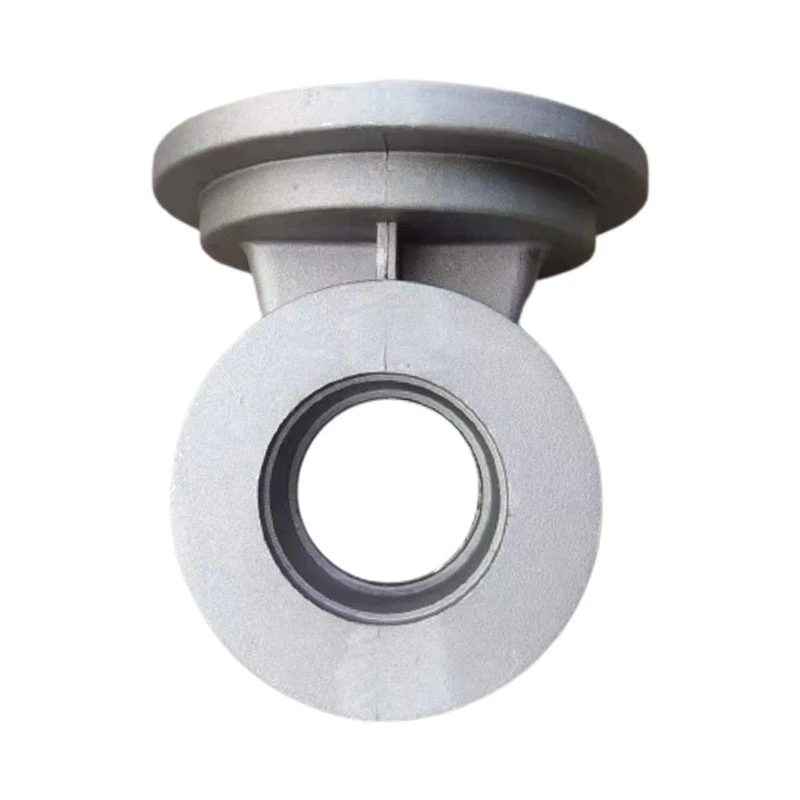
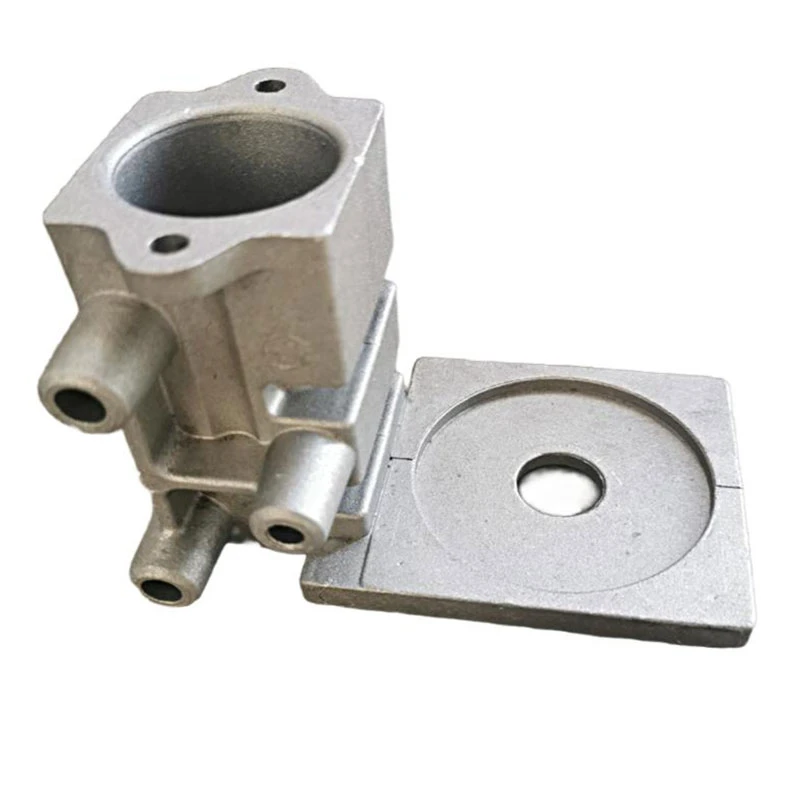
If you’ve spent any amount of time in the industrial equipment field — especially around metal manufacturing — you know firsthand how critical die casting dies are for creating reliable, repeatable parts. I remember my early days working near the production floor watching these massive blocks of hardened steel literally shape molten metal into everything from tiny automotive parts to complex electronic housings. It’s a kind of precision artistry that often goes unnoticed, yet it drives entire industries.
Frankly, a good die casting die isn’t just a tool: it’s the heart of efficiency, quality, and cost control in die casting operations. Over time, I’ve learned that the design and material of these dies often spell the difference between a flawless production run and a costly delay filled with rejects or downtime.
What Makes a Die Casting Die Work?
At its core, a die casting die is a mold used to shape molten metal under high pressure. The typical metals cast include aluminum, zinc, and magnesium alloys. What’s interesting is the kind of steel used for these dies — usually premium grades like H13 or P20 steel — that can withstand extreme thermal cycling, mechanical stress, and abrasive wear.
One thing I noticed — and many engineers will agree — is the careful attention to cooling channels inside the mold. Good dies incorporate a delicate network of water or oil cooling to keep parts from warping and reduce cycle time. Designing these channels is an art because it requires balancing fast cooling and maintaining mold strength.
Product Specifications at a Glance
| Specification | Typical Value | Notes |
|---|---|---|
| Material | H13 Steel (Air or Water Hardened) | Good thermal and wear resistance |
| Max Operating Temperature | 550°C (1022°F) | Depends on metal alloy |
| Tensile Strength | 950 MPa | Ensures mold integrity |
| Typical Die Size | 500 x 400 x 200 mm | Varies by application |
| Cooling Channel Diameter | 8–12 mm | Optimizes thermal management |
Finding the Right Vendor: A Quick Comparison
Choosing the right supplier for your die casting dies is often as important as the dies themselves. After all, precision and material quality can fluctuate dramatically industry-wide. Based on my experience and market research, here’s a quick overview of three leading vendors:
| Vendor | Material Quality | Customization Options | Lead Time | Typical Clients |
|---|---|---|---|---|
| Hairun Sourcing | Premium H13 & P20 Steel | Full customization including cooling design | 4–6 weeks | Automotive & Electronics |
| Global Mould Tech | Standard H13 Steel | Limited to common die sizes | 6–8 weeks | Consumer Goods |
| Precision Dies Co. | High-grade Tool Steel | Good, but premium price | 3–5 weeks | Industrial & Aerospace |
An Anecdote from the Floor
I recall a project a few years back with an automotive parts supplier. They struggled with dies wearing out faster than expected, causing serious bottlenecks. It turned out their dies were lacking proper heat treatment and had suboptimal cooling channels. Switching to a supplier who focused on premium materials and offered tailored cooling solutions—yes, you guessed it, like Hairun Sourcing—made a huge difference. The new dies lasted roughly twice as long and saved the factory thousands in downtime and scrap.
That’s just to say: investing in quality die casting dies pays for itself quickly. You’re not just buying a mold; you’re buying peace of mind and stability in production.
The Future and Customization
Oddly enough, as automation and electric vehicles gain ground, die casting dies are evolving too. Digital simulation tools now help engineers tweak every nuance before letting molten metal flow. Customization has become not just desired but essential—like conformal cooling channels or coatings to extend die life. So if you’re entering the market or rethinking suppliers, remember: the details of your die casting dies can deeply influence your business’s agility and product quality.
At the end of the day, I suppose it boils down to this: understanding what goes into a die casting die, working with trusted manufacturers, and focusing on durability and precision are your best bets for success. There are no shortcuts when molten metal is involved, but top-tier dies built with experience and expertise make all the difference.
Thanks for sticking with me through this rundown. If you want to dive deeper or source quality die casting dies, it’s worth exploring trusted suppliers like Hairun Sourcing firsthand.
Quick takeaway: Invest smartly in your dies to maximize output and minimize headaches. It’s an industry truth I’ve seen proven time and again.
References:
1. “Heat Treatment and Cooling Design in Die Casting” – Industrial Metallurgy Journal, 2021
2. “Materials Science in Tooling: Advances in Steel Alloys” – Manufacturing Today, 2022
3. Hairun Sourcing Product Catalog and Vendor Profiles – hairunsourcing.com, 2023
-
Comprehensive Guide to Automotive Die Casting for Enhanced Vehicle PerformanceNewsJan.27,2026
-
Comprehensive Guide to Aluminum Pressure Die Casting Manufacturing ProcessesNewsJan.27,2026
-
Hot Chamber Die Casting vs Cold Chamber Die Casting ExplainedNewsJan.06,2026
-
Hot Chamber And Cold Chamber Die Casting Solutions for Industrial Applications | Hairun SourcingNewsJan.06,2026
-
Hot and Cold Chamber Die Casting: Key Insights from Industry ExpertsNewsJan.06,2026
-
Comprehensive Guide on Graphite Die Casting for B2B Manufacturing | HairunSourcingNewsJan.05,2026