



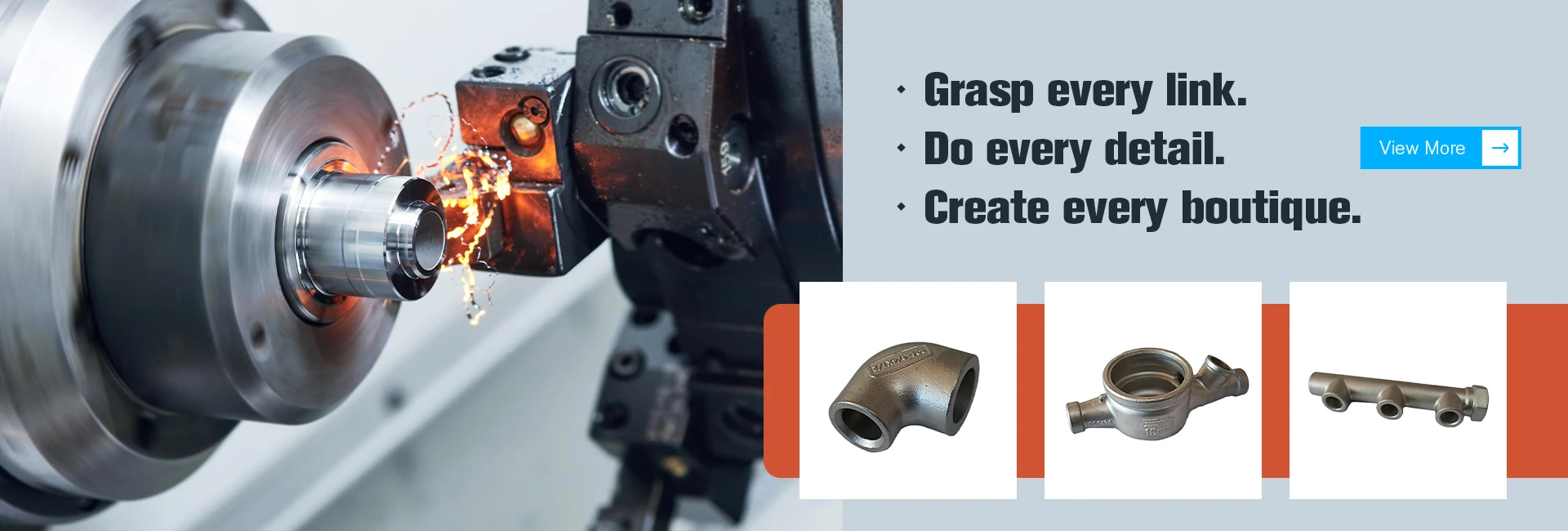
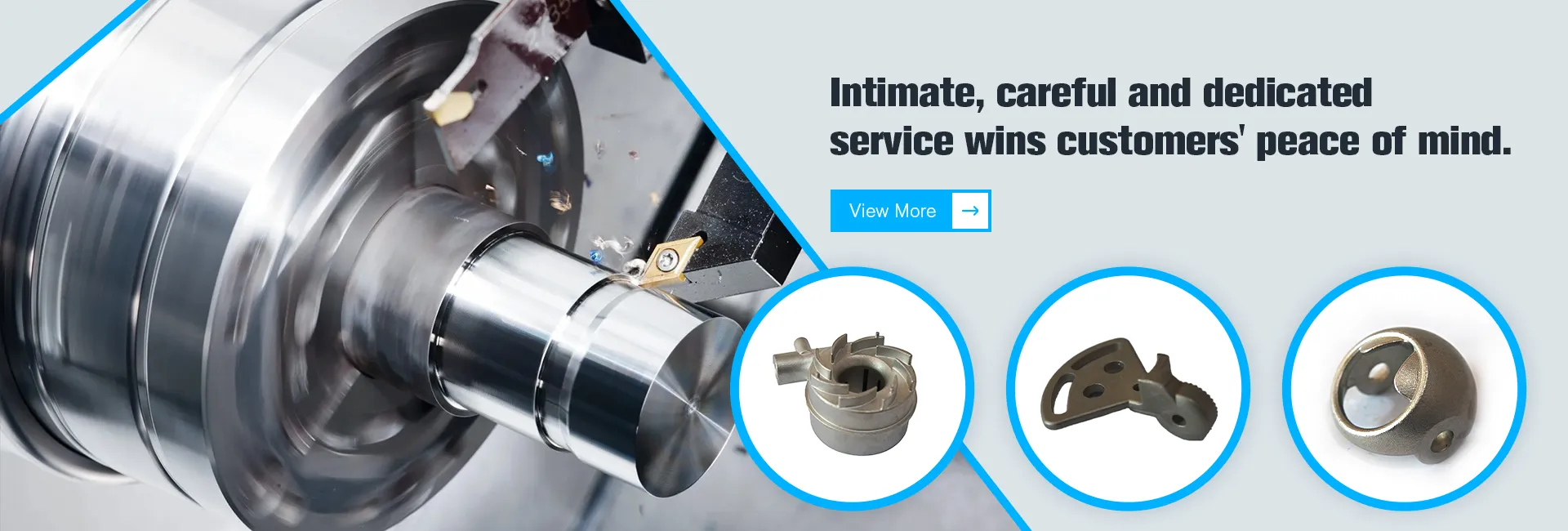
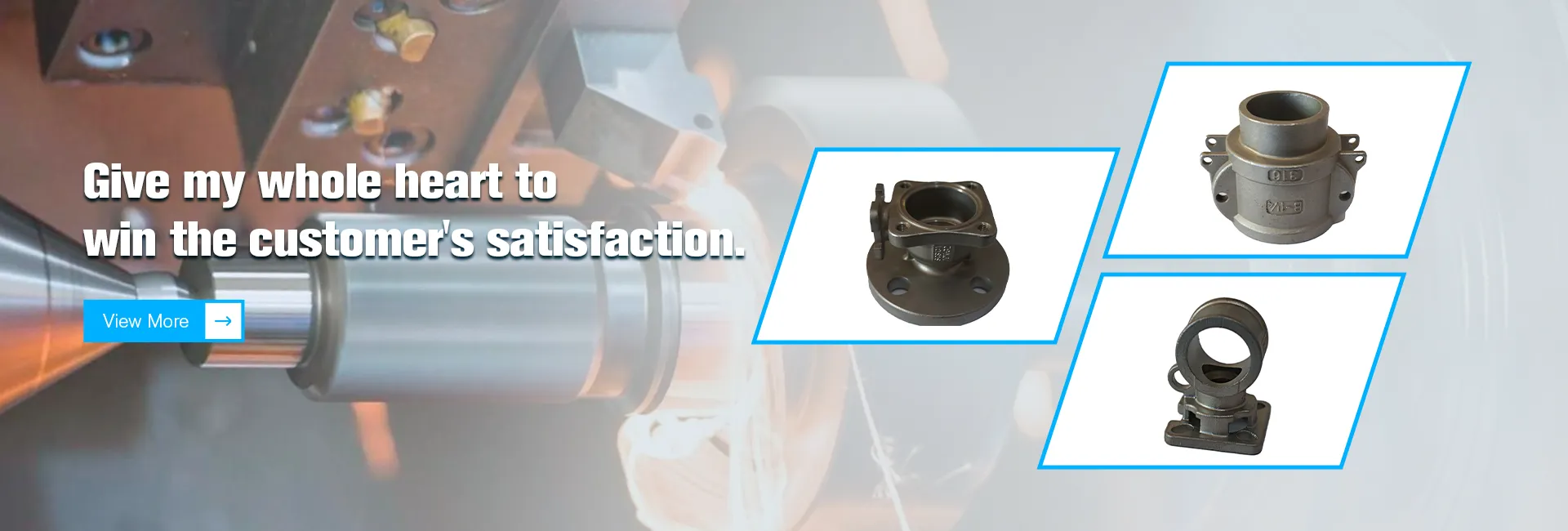
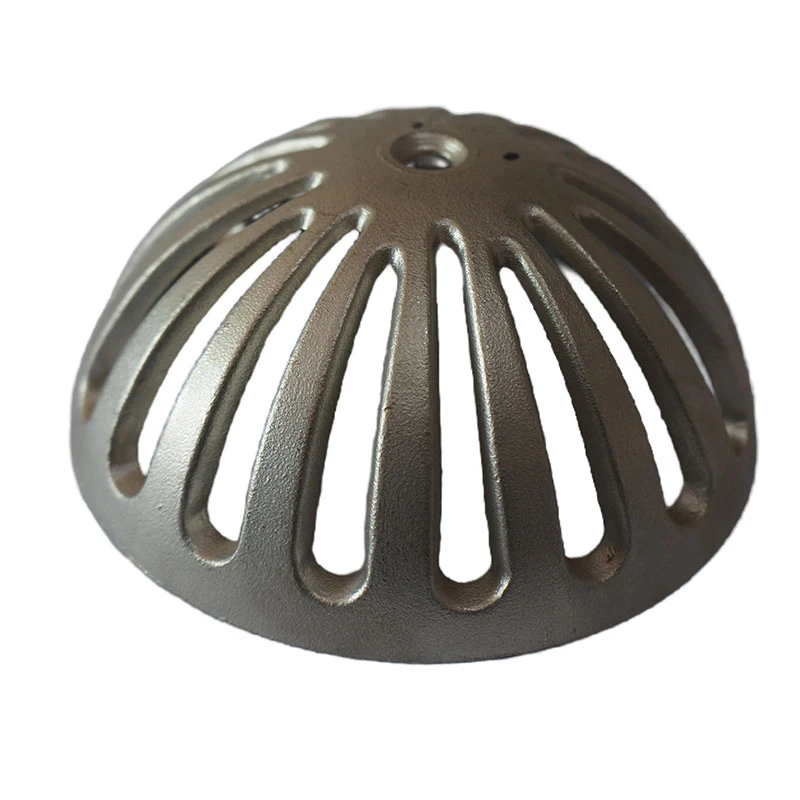
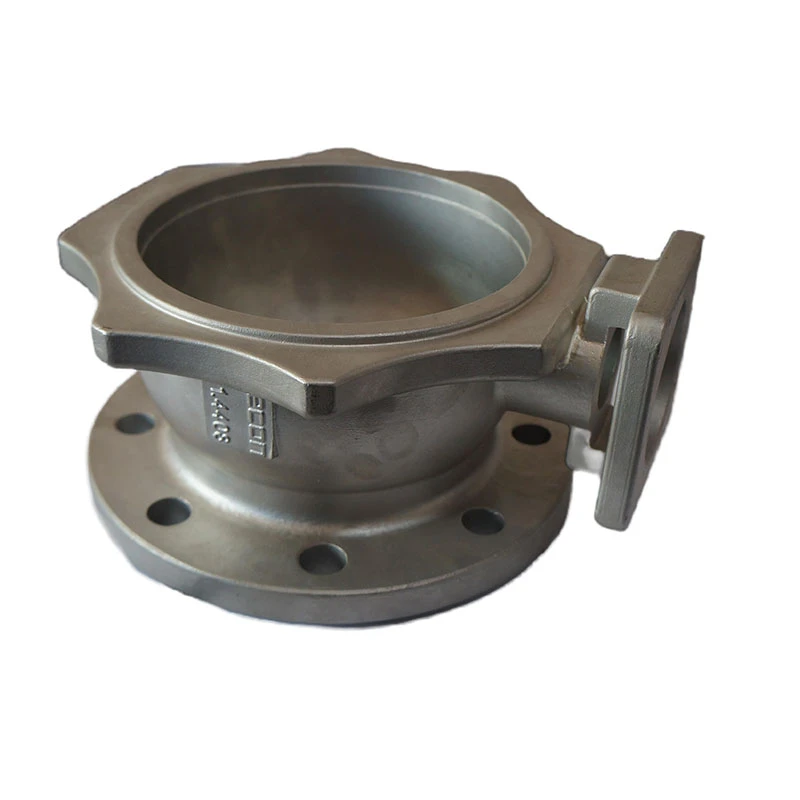
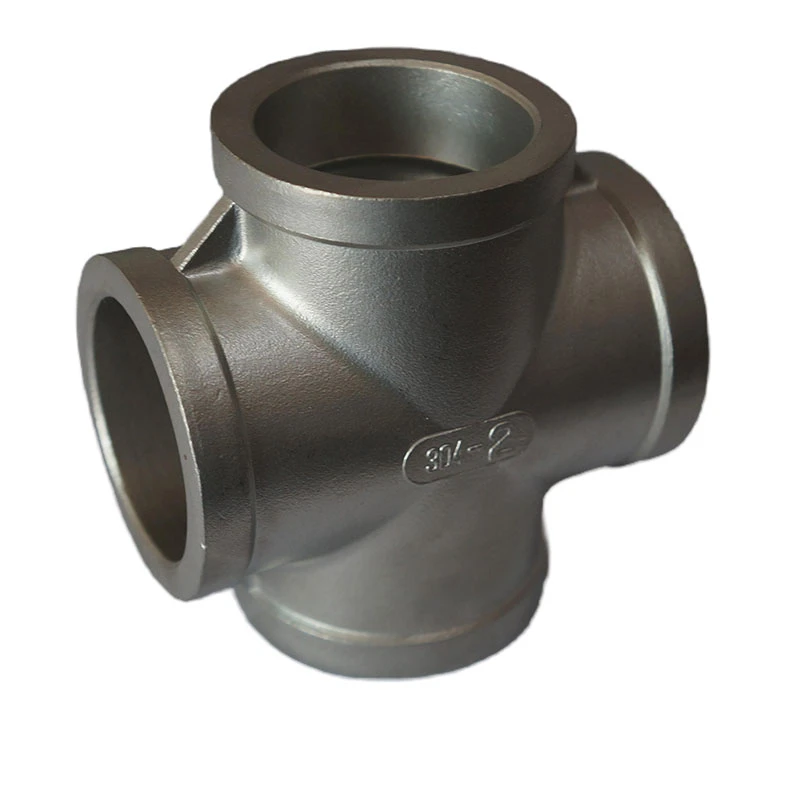
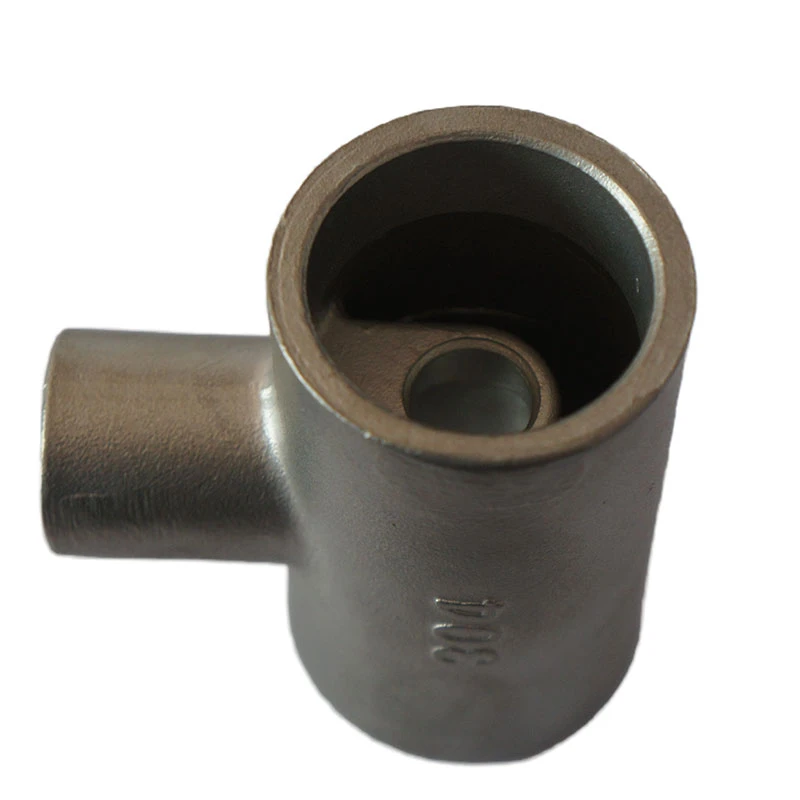
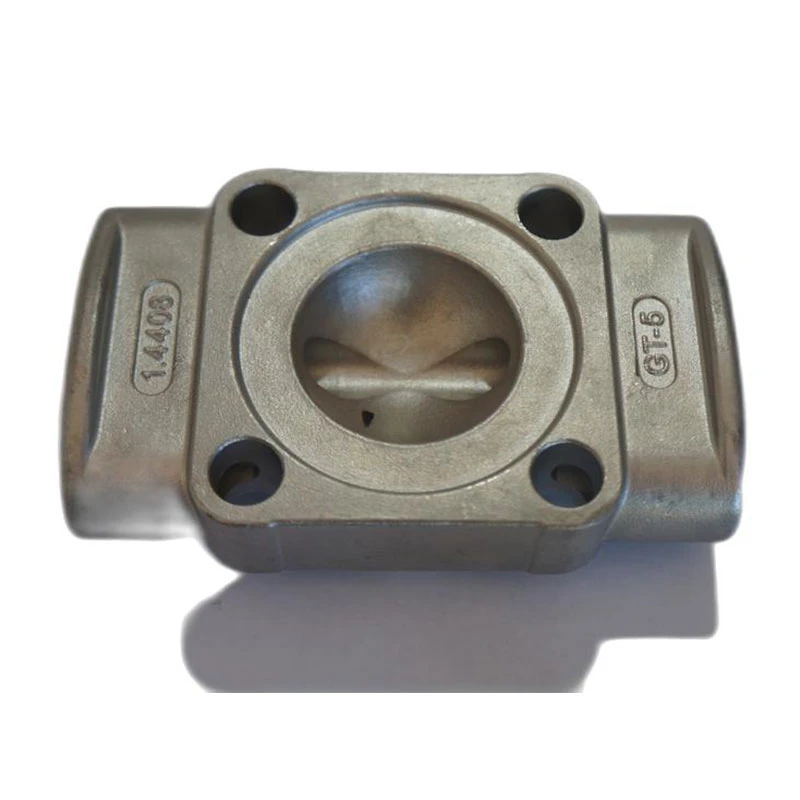
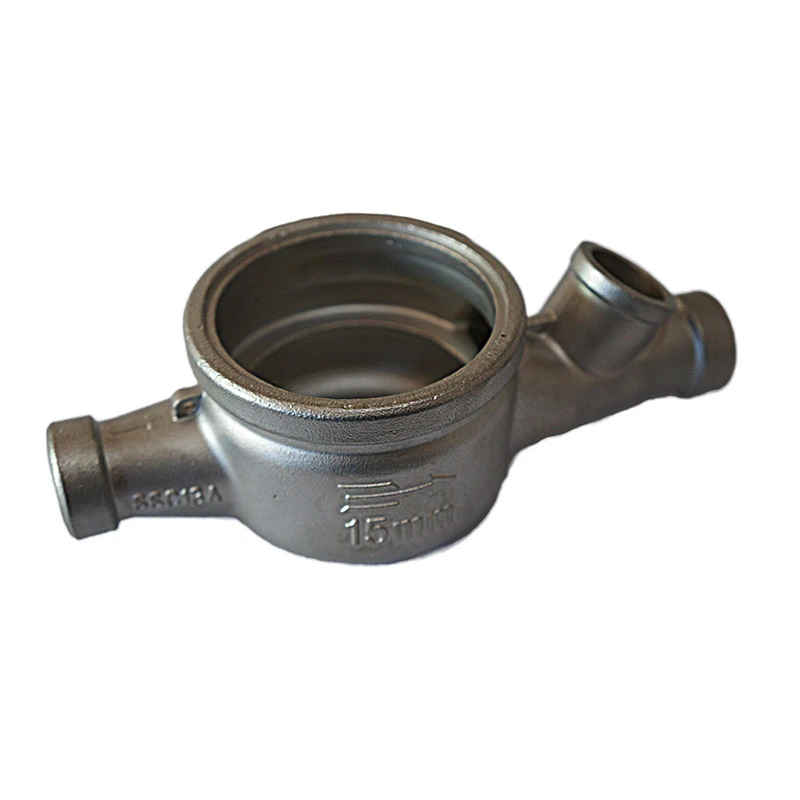
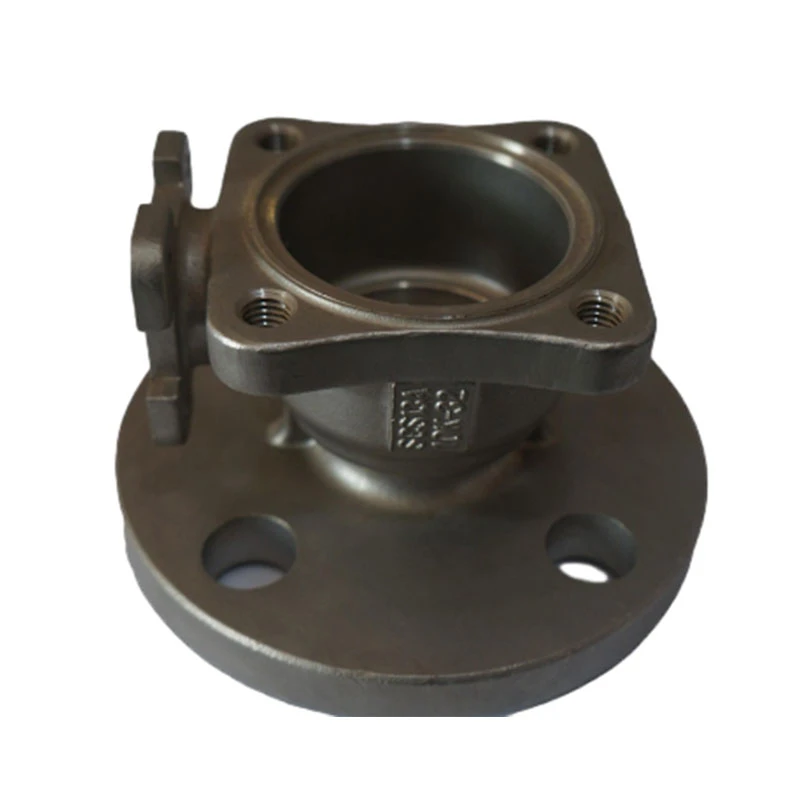
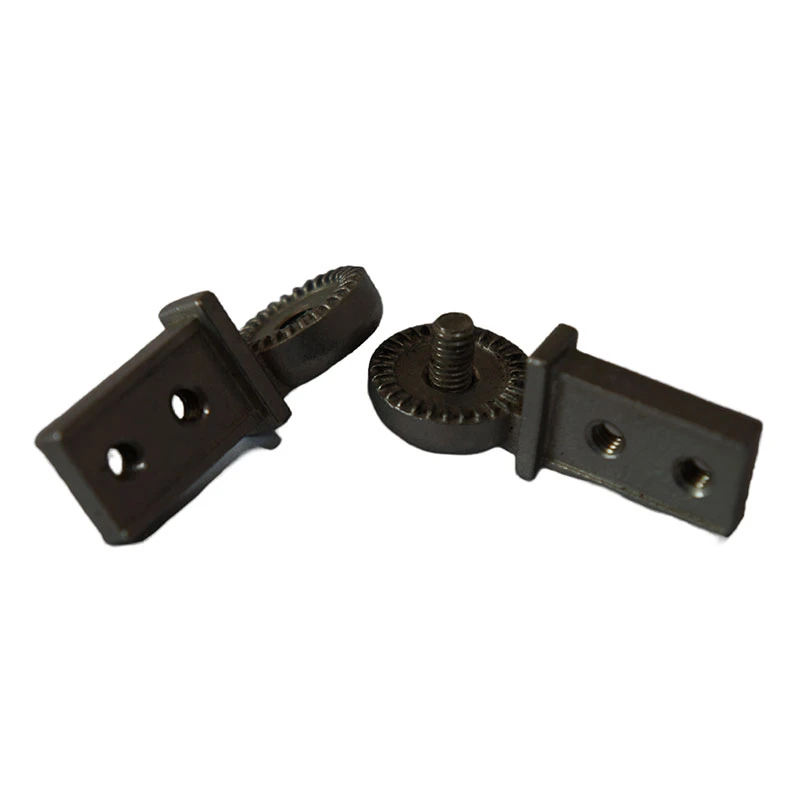
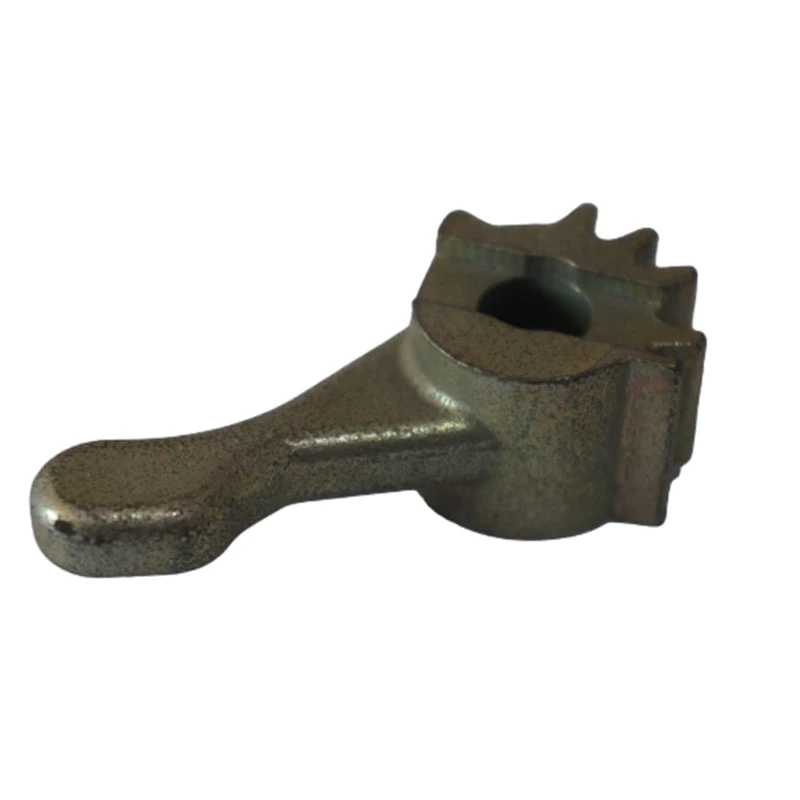
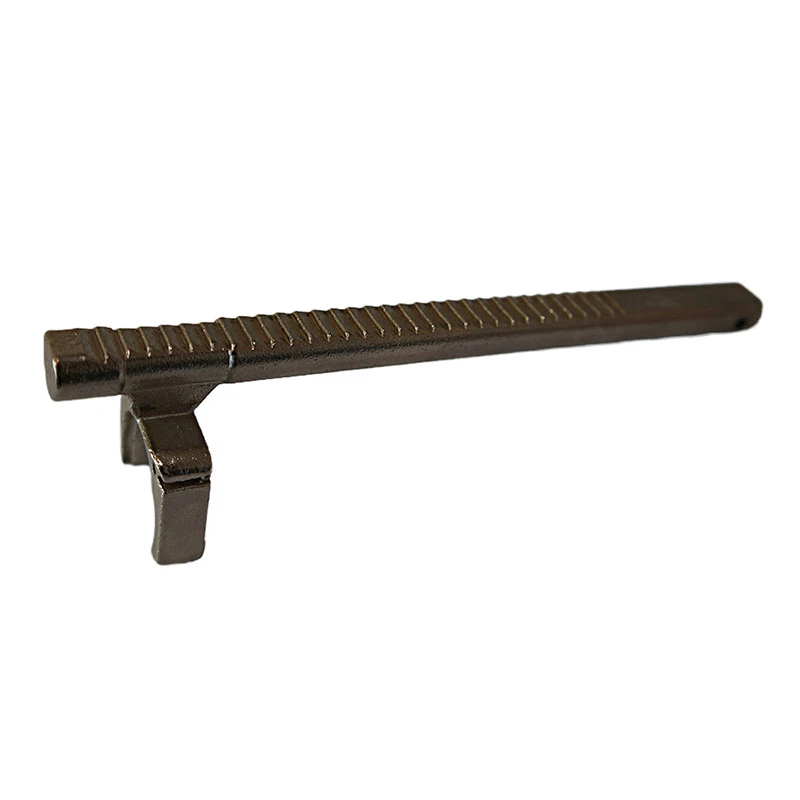
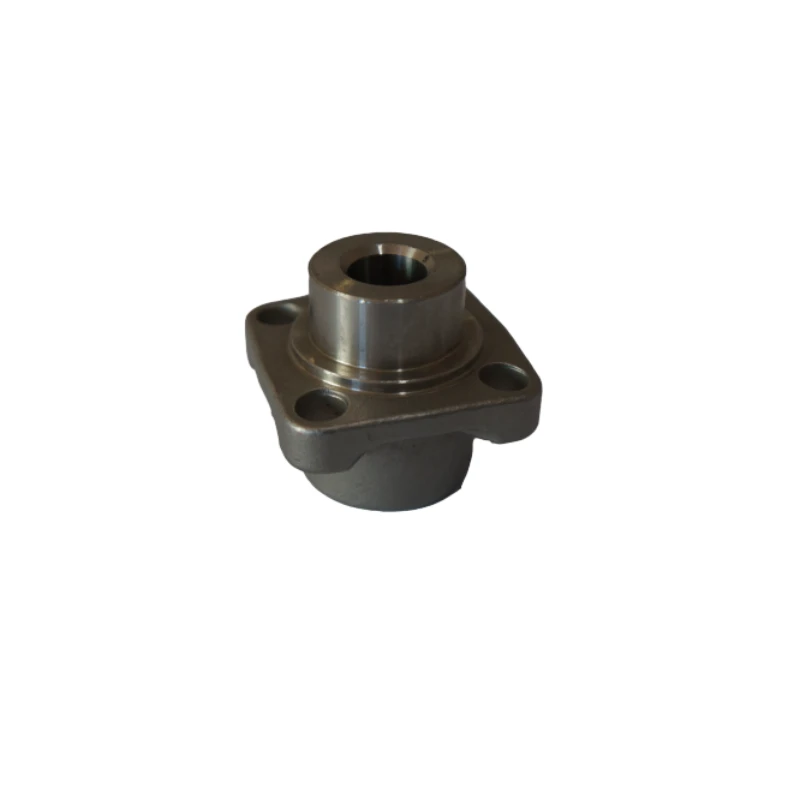
Precision castings, also known as investment castings or lost-wax castings, are high-quality metal components produced by pouring molten metal into a carefully designed mold to achieve intricate shapes with tight tolerances. The process begins with creating a wax model of the desired part. This wax pattern is then coated with multiple ceramic layers, forming a hard shell mold. Once the ceramic is set, the wax is melted out, leaving a hollow cavity that exactly replicates the part’s geometry.
Molten metal—such as steel, aluminum, or specialty alloys—is then poured into the mold. After solidification, the ceramic shell is broken away, revealing a precision casting that closely matches the original design. The cast part is further cleaned, heat-treated, or machined to meet final specifications.
Precision castings are widely used in industries such as aerospace, automotive, oil & gas, defense, and medical equipment because they can produce complex shapes, thin walls, and smooth surfaces without extensive machining. Compared to traditional sand casting, precision casting reduces material waste, minimizes machining time, and delivers consistent dimensional accuracy.
This method is especially suitable for producing small to medium-sized components, high-value parts, or those requiring fine detail. Examples include turbine blades, pump impellers, surgical instruments, and automotive engine components. Overall, precision casting is valued for its ability to combine design flexibility, cost efficiency, and superior product performance.
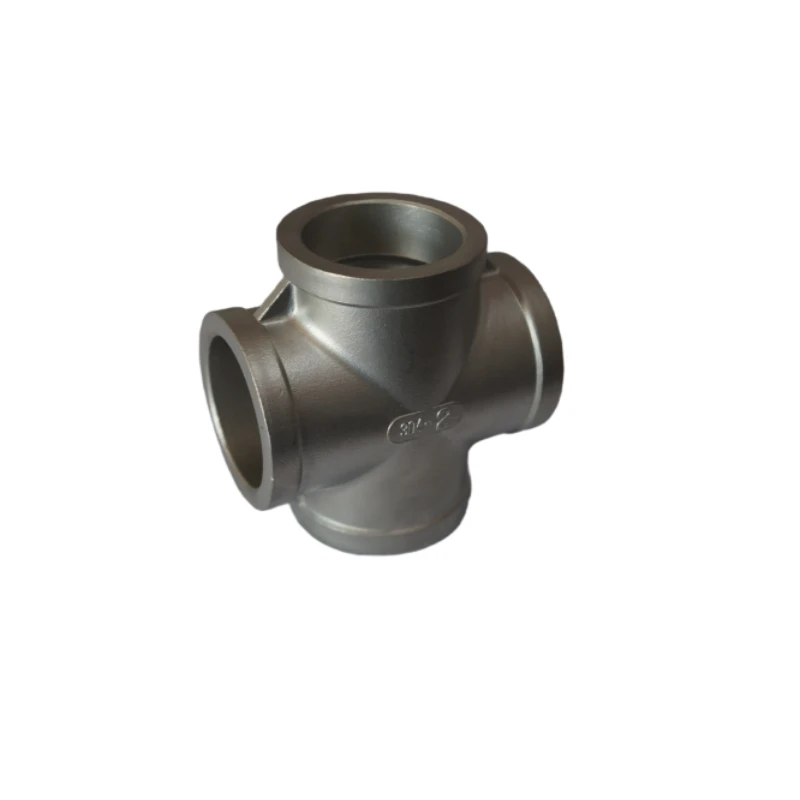
What Is The Difference Between Precision Investment Casting And Other Casting Methods?
Precision investment casting, often called lost-wax casting, differs significantly from other casting processes such as sand casting, die casting, or forging. The main advantage of investment casting is its ability to achieve complex geometries, smooth finishes, and tight dimensional tolerances without requiring excessive secondary machining.
In sand casting, molten metal is poured into a sand mold, which is economical but less accurate and leaves a rough surface. Die casting, on the other hand, uses high-pressure injection into metal molds, offering high-speed production but limited to non-ferrous metals like aluminum, zinc, or magnesium. Forging shapes metal using compressive forces, which enhances strength but restricts design freedom.
Precision investment casting stands out because it accommodates a wide range of metals and alloys, including steel, stainless steel, aluminum, cobalt, and superalloys. It allows manufacturers to produce near-net-shape parts with intricate internal features, thin sections, and fine surface detail.
Another difference lies in tooling. Investment casting requires precise wax patterns and ceramic shells, which take more time to prepare but ensure repeatability and consistency in mass production. While the upfront tooling cost may be higher, the per-unit cost decreases significantly for medium to high production volumes.
In summary, precision investment casting provides a unique balance of design versatility, high accuracy, material flexibility, and cost-effectiveness, making it the preferred method for industries demanding reliability and performance.
What Materials Are Commonly Used In Precision Steel And Aluminum Castings?
Precision castings can be manufactured using a wide variety of metals, but steel and aluminum are two of the most commonly used materials due to their versatility and mechanical properties.
Precision steel castings are favored for their high strength, durability, and resistance to wear and heat. Different grades of steel can be used depending on the application:
-
Carbon steel for cost-effective general applications.
-
Alloy steel for improved toughness and fatigue resistance.
-
Stainless steel for corrosion resistance in medical, food, and marine environments.
Steel precision castings are widely applied in industries such as aerospace (engine components, brackets), automotive (gear parts, exhaust systems), oil & gas (valves, fittings), and heavy machinery.
Precision aluminum castings, on the other hand, are popular for their lightweight nature, good corrosion resistance, and excellent thermal/electrical conductivity. Aluminum alloys are particularly important in automotive and aerospace sectors, where weight reduction directly improves fuel efficiency and performance. Applications include housings, brackets, heat sinks, and structural components.
Both steel and aluminum can achieve high dimensional accuracy and smooth surfaces through the investment casting process. Aluminum castings generally require lower melting temperatures and faster production cycles, while steel castings provide superior mechanical strength and heat resistance.
By choosing the right material, manufacturers can balance strength, weight, corrosion resistance, and cost efficiency, ensuring that the final precision casting meets the exact requirements of its intended application.
What Are The Benefits Of Precision Castings With Machining And Foundry Tooling?
While precision castings already deliver high accuracy, combining them with secondary machining and specialized foundry tooling provides even greater performance and customization.
Foundry tooling refers to the wax injection dies, ceramic cores, and metal molds used to create the patterns for investment casting. High-quality tooling ensures consistency, repeatability, and dimensional accuracy across large production runs. Tooling can also be customized to optimize production efficiency, reduce material waste, and enable complex geometries that would be impossible with standard molds.
Once the cast part is produced, CNC machining or other precision machining methods may be applied to meet tight tolerances, add threaded holes, refine critical surfaces, or create fine details not achievable in casting alone. For example, aerospace and medical industries often require post-casting machining to ensure components meet stringent quality standards.
The combination of precision casting and machining results in components that are dimensionally accurate, structurally sound, and application-ready. This hybrid approach reduces overall production time, as the casting already provides a near-net shape that requires minimal finishing. It also helps manufacturers achieve cost savings compared to fully machining a part from solid metal stock.
Ultimately, precision castings with machining and advanced tooling deliver high-quality, reliable, and customized parts suitable for demanding industries like defense, power generation, oil & gas, and automotive manufacturing.