


Advanced Insights on Precision Caster Technology & Applications
Precision Caster: What It Is and Why It Matters Worldwide
At first glance, "precision caster" might sound like some niche term meant for a very specific set of engineers or manufacturers. But in reality, this humble technology plays a surprisingly outsized role in industries as diverse as aerospace, automotive, and even humanitarian aid. Odds are, countless products you rely on have components shaped or improved by the exacting art of precision casting. That’s what makes understanding it not just a technical exercise but a practical one—whether you’re aiming to improve quality, reduce waste, or innovate faster in a fast-evolving global market.
So why is precision casting such a big deal? In a world striving for efficiency and sustainability, being able to produce complex parts with near-perfect dimensions and reduced material loss can translate into billions saved and significant environmental gains. Plus, it unlocks designs that would otherwise be impossible, making it a cornerstone of modern manufacturing.
The Global Context: Why Precision Casting Is an Industry Powerhouse
Looking at broad numbers, the global precision casting market hits several billion dollars annually and is projected to keep growing at a strong clip (~5% CAGR according to ISO manufacturing sector reports). This isn’t just about making fancy car parts. It’s about meeting the huge demand for complex components in aerospace turbines, surgical instruments, power generation equipment, and more — all requiring unmatched accuracy.
Yet, there’s often a catch. The challenge many manufacturers face worldwide is balancing speed and quality while keeping costs reasonable—a classic industry whodunit. Precision casters solve this partially by drastically reducing secondary machining and improving yield. And with increasing pressure for greener manufacturing, reducing scrap through precise casting is more urgent than ever.
What Is a Precision Caster, Anyway?
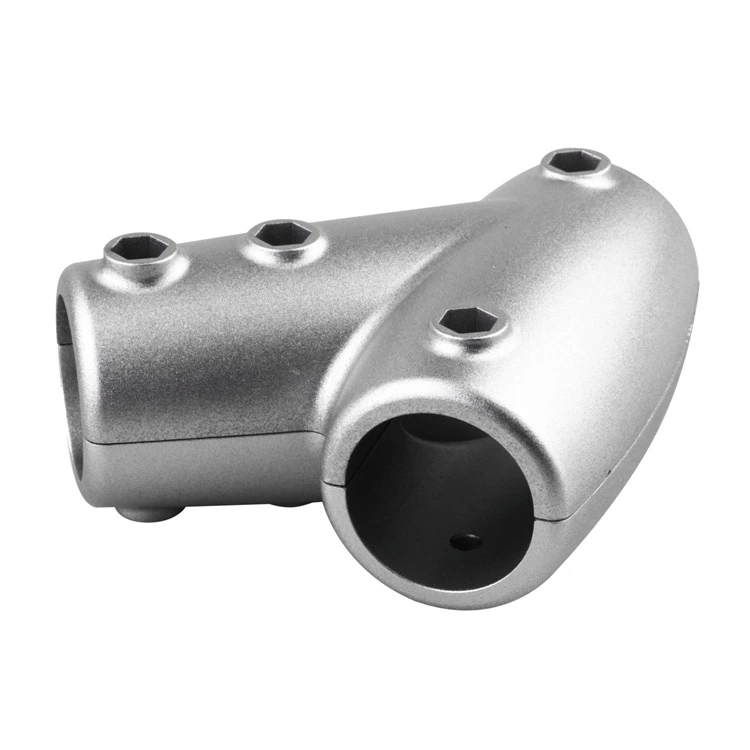
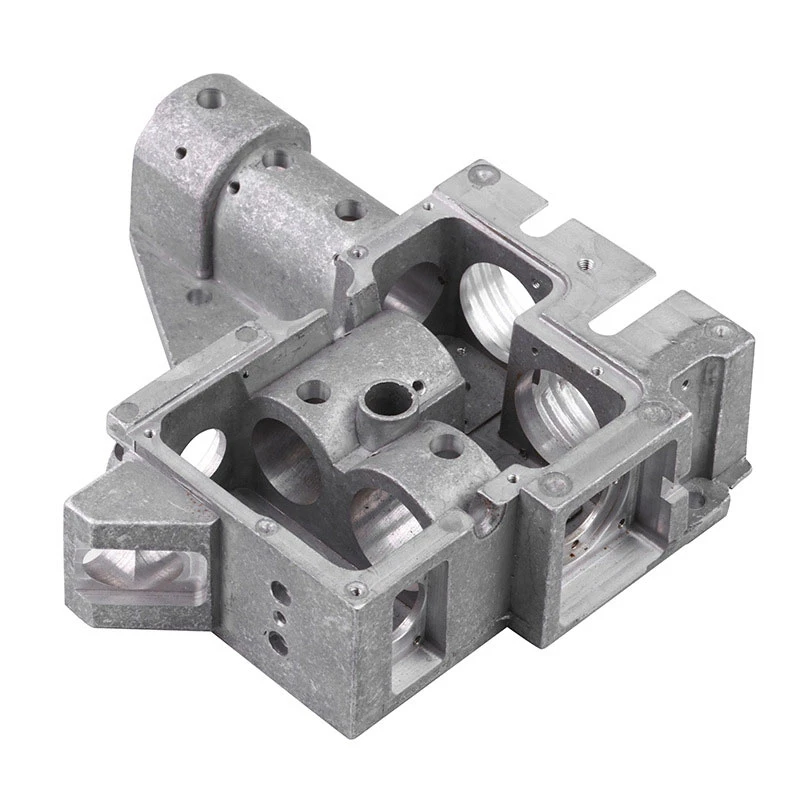
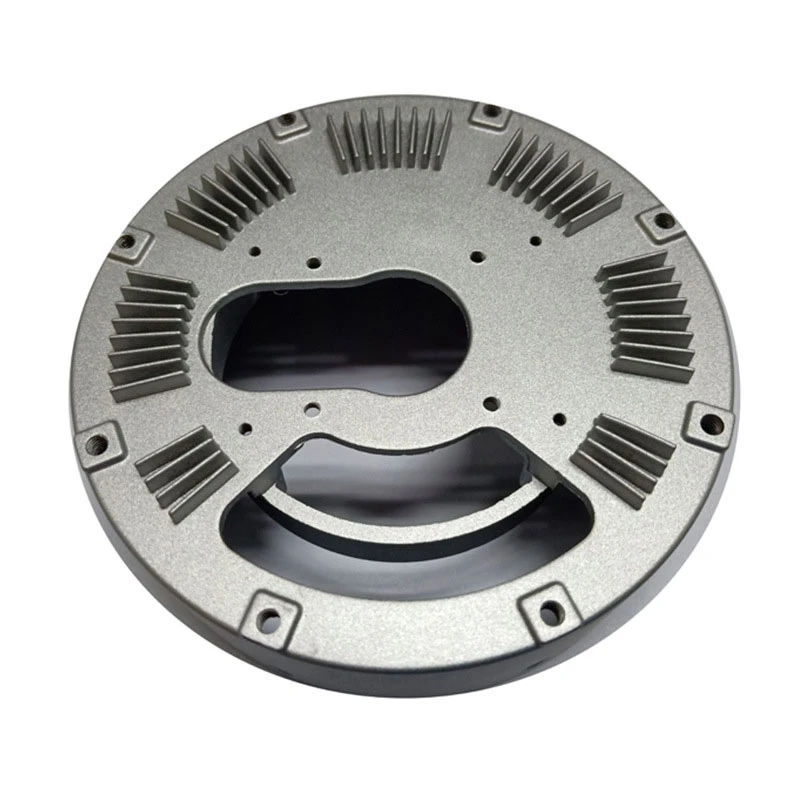
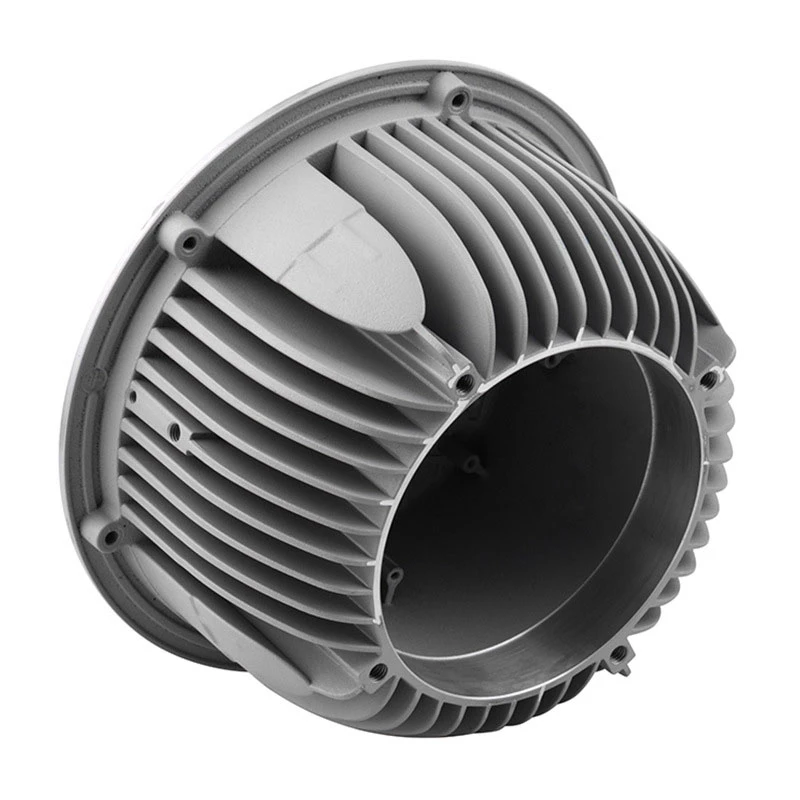
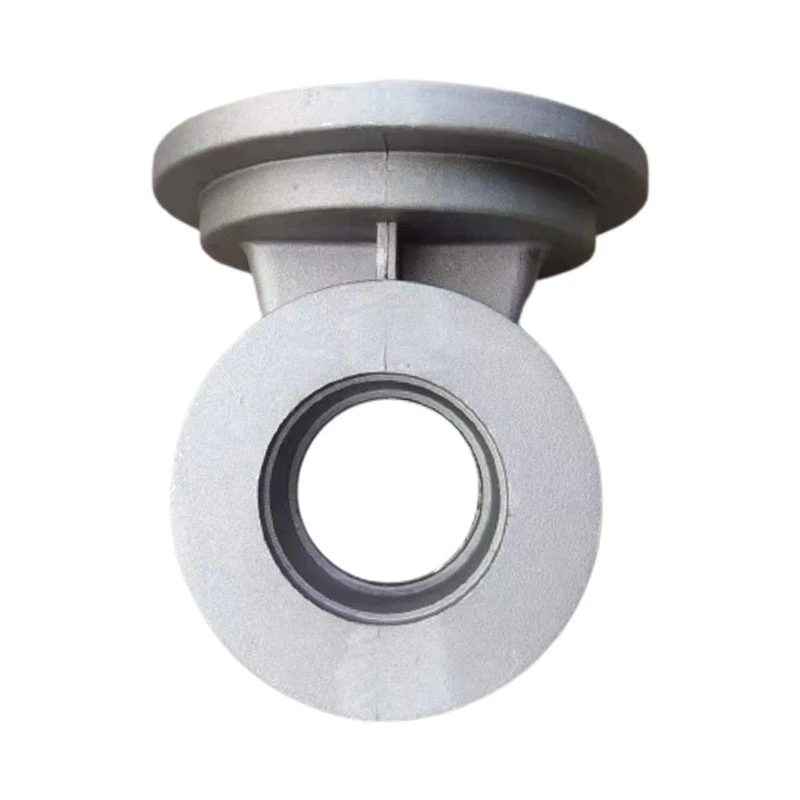
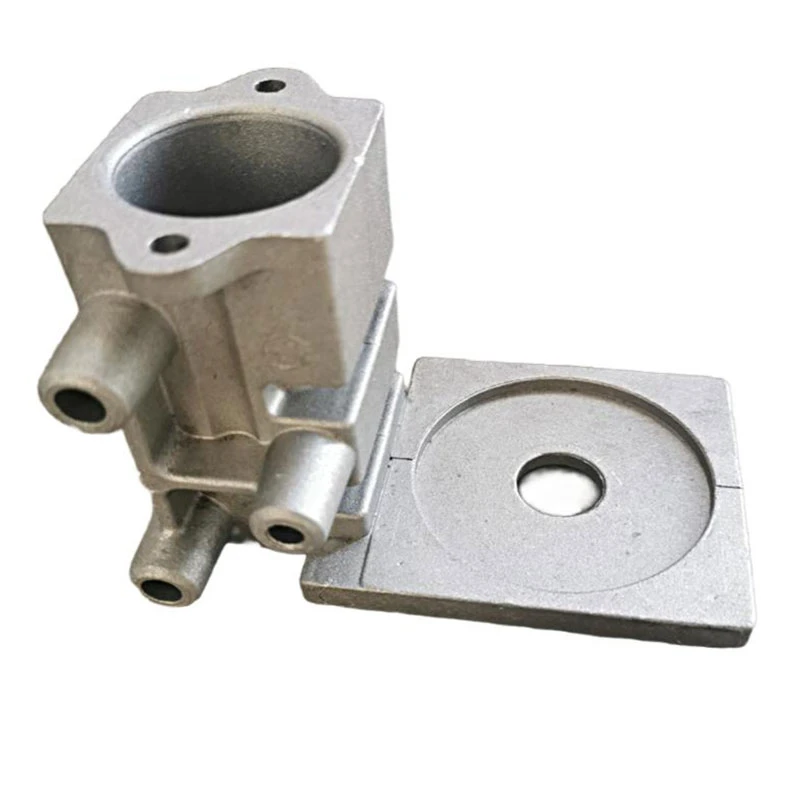
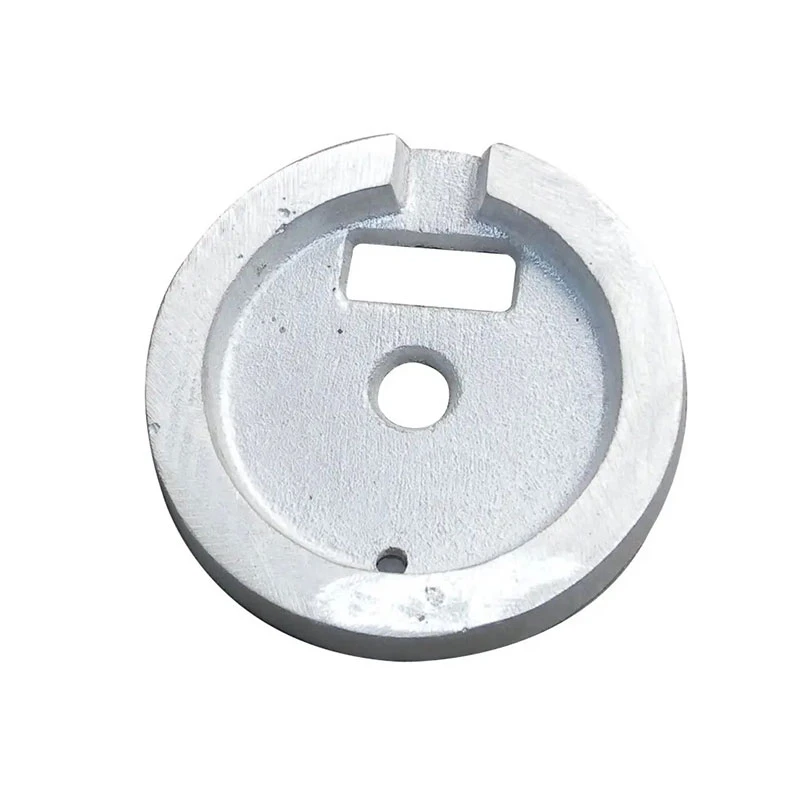
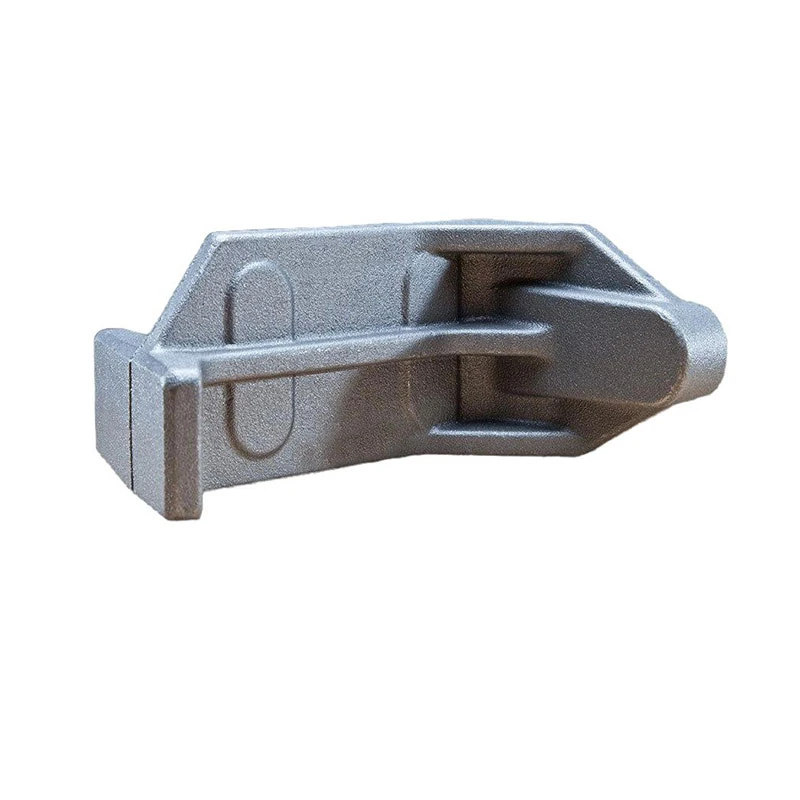
Simply put: a precision caster is a company or technology that produces parts by carefully pouring molten metal into complex molds to create near-net shapes with exact tolerances. No sloppy scrap or guesswork allowed here. The process demands skilled artisanship coupled with advanced materials science and computerized control.
This method contrasts with basic casting where tolerances are looser, and post-processing is heavy. Today, precision casters are critical suppliers in industries needing reliable, high-performance parts — think jet engine blades, medical implants, or specialized tooling.
Core Elements of Precision Casting
1. Durability & Material Selection
From superalloys resisting temperatures over 1,000°C to biocompatible titanium, the material palette a precision caster must master pushes technical boundaries. Durability isn’t just about toughness but also about consistency batch after batch.
2. Scalability & Customization
While crafting a single turbine blade demands exquisite care, many manufacturers want hundreds or thousands of nearly identical parts. Precision casters have developed scalable methods to deliver custom designs without compromise.
3. Cost Efficiency Through Waste Reduction
By molding parts close to final shape, precision casting drastically limits machining waste, energy use, and production time. For manufacturers, that means tighter margins can stretch product value substantially.
4. Surface Finish & Detail Accuracy
Fine surface finish reduces the need for polishing or coating, meaning faster integration into assemblies. Plus, the technology enables intricate internal passageways or hollow structures impossible by other means.
Real-World Uses: Who Benefits From Precision Casting?
Precision casting isn’t some theoretical process dreamed up in a lab. It’s what keeps jet engines humming, medical devices safe, and even disaster relief tools robust under pressure. For example:
- Aerospace: Jet engine blade manufacturing requires precision casters who can shape complex alloys resistant to thermal fatigue.
- Automotive: High-performance engines use precision-cast components to improve fuel efficiency and reduce weight.
- Medical: Implants and surgical instruments rely on parts with exact dimensions for safety and functionality.
- Humanitarian Aid: In post-disaster scenarios, durable shelter frameworks or quick-deploy generators with precision-cast parts ensure reliability where it matters most.
Regions like Europe, North America, and increasingly Asia-Pacific have emerged as hubs due to industrial concentration and technical expertise—but the benefits ripple worldwide.
Advantages & Long-Term Value of Precision Cast Components
Here’s the practical side that engineers and decision makers often weigh. Precision casting:
- Reduces lead times and raw material waste, which syncs perfectly with lean manufacturing and cost targets.
- Improves product performance and lifespan through superior material integrity and detailed craftsmanship.
- Bolsters sustainability by lowering energy consumption in secondary processing and extending component usability.
- Enhances safety and user confidence—think about medical tools that have zero tolerance for error.
Of course, beyond dollars and specs, these benefits add up to innovations that improve daily lives, reduce environmental legacies, and build trust between manufacturers and consumers.
Product Specification Table: Typical Precision Caster Offering
| Attribute | Details/Range |
|---|---|
| Material Types | Superalloys, Titanium, Stainless Steel, Aluminum Alloys |
| Max Part Weight | Up to 50 kg (varies by foundry) |
| Dimensional Tolerance | ±0.05 mm typical |
| Surface Finish | As-cast Ra 1.6 µm or better |
| Production Volume | Prototype to 10,000+ units/year |
| Lead Time | 4 - 8 weeks (depending on complexity) |
How Vendors Stack Up: Comparing Leading Precision Casters
| Vendor | Material Expertise | Typical Turnaround | Specialty Industries | Eco Initiatives |
|---|---|---|---|---|
| Foundry A | Superalloys, Titanium | 6 weeks | Aerospace, Medical | Energy-efficient furnaces |
| Foundry B | Aluminum, Stainless Steel | 4 weeks | Automotive, Industrial | Recycled material sourcing |
| Foundry C | Wide range alloys | 8 weeks | Energy, Defense | Water recycling systems |
Looking Ahead: Trends & Innovations in Precision Casting
One of the most exciting areas in precision casting is the marriage of automation with advanced materials. Automated mold-making and digital quality controls minimize human error and speed delivery. Plus, alloy research constantly pushes to lightweight, corrosion-resistant mixes that stay tough in extreme conditions.
Not to forget sustainability, green foundries that reduce carbon footprint and recycling of scrap are entering the mainstream, reflecting a growing industry-wide commitment to eco-responsibility. The buzzwords here are “digital twin” simulations and AI-driven process optimization, which help foundries anticipate defects before they happen.
Challenges Industry Experts Often Face
Granted, the precision caster journey is not without bumps. Complex geometries can complicate mold design, yield issues might surface, and mastering exotic alloys is always a high bar. Plus, supply chain constraints—especially for rare metals—mean foundries need to innovate or face delays.
But many vendors tackle these challenges with integrated design-for-casting strategies and collaborative R&D. Plus, new hybrid manufacturing approaches—combining 3D printing with traditional molds—open fresh possibilities for cost and speed.
Frequently Asked Questions About Precision Caster
Q1: What industries rely most heavily on precision casting?
A1: Primarily, aerospace, automotive, medical devices, and energy sectors need precision casting for highly reliable, complex parts. Each demands tight tolerances and unique material properties, making precision casting indispensable.
Q2: How does precision casting differ from traditional casting?
A2: Precision casting focuses on producing near-net-shape parts with very tight dimensional control and minimal finishing, whereas traditional casting tolerances are looser and often require heavy machining afterward.
Q3: Is precision casting environmentally sustainable?
A3: When done right, yes. Its process reduces material waste and energy opposed to casting-plus-extensive machining methods. Many foundries adopt green technologies such as recycled alloys and energy-efficient furnaces to enhance sustainability.
Q4: Can small manufacturers access precision casting services?
A4: Absolutely. Many foundries cater to prototype jobs or limited runs, offering design consultation to optimize your parts for casting—so it’s not just for large scale industrial clients.
Q5: What lead time should I expect for a precision cast part?
A5: Typical turnaround ranges between 4 to 8 weeks depending on complexity, material, and volume. Planning ahead helps avoid costly expedited charges.
Wrapping Up: The Value of Precision Casters in Modern Manufacturing
In an era defined by rapid innovation and sustainability challenges, precision caster technology is quietly but crucially shaping the world around us. It empowers industries to create high-quality, safe, and reliable products that meet demanding performance standards with minimum environmental impact. For engineers, buyers, or decision-makers, leveraging precision casting solutions often means unlocking new levels of efficiency and trust in supply chains that stretch globally.
If you want to explore how precision caster expertise can bolster your projects — be it aerospace, medical, or fast-moving industrial parts — I recommend checking out trusted providers like precision caster suppliers who blend technical prowess with sustainability commitments.
After all, sometimes the details that go unnoticed make all the difference.
References
-
Comprehensive Guide to Automotive Die Casting for Enhanced Vehicle PerformanceNewsJan.27,2026
-
Comprehensive Guide to Aluminum Pressure Die Casting Manufacturing ProcessesNewsJan.27,2026
-
Hot Chamber Die Casting vs Cold Chamber Die Casting ExplainedNewsJan.06,2026
-
Hot Chamber And Cold Chamber Die Casting Solutions for Industrial Applications | Hairun SourcingNewsJan.06,2026
-
Hot and Cold Chamber Die Casting: Key Insights from Industry ExpertsNewsJan.06,2026
-
Comprehensive Guide on Graphite Die Casting for B2B Manufacturing | HairunSourcingNewsJan.05,2026