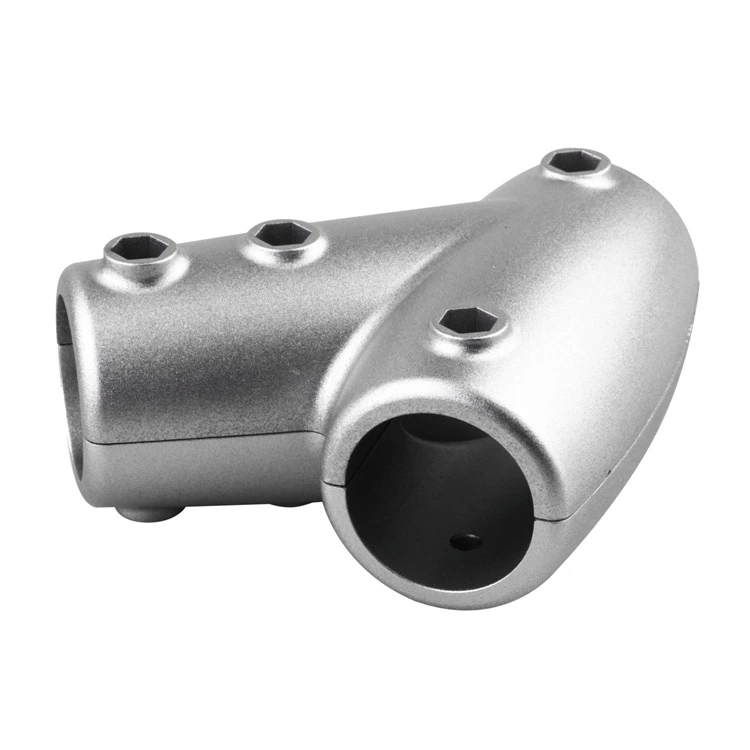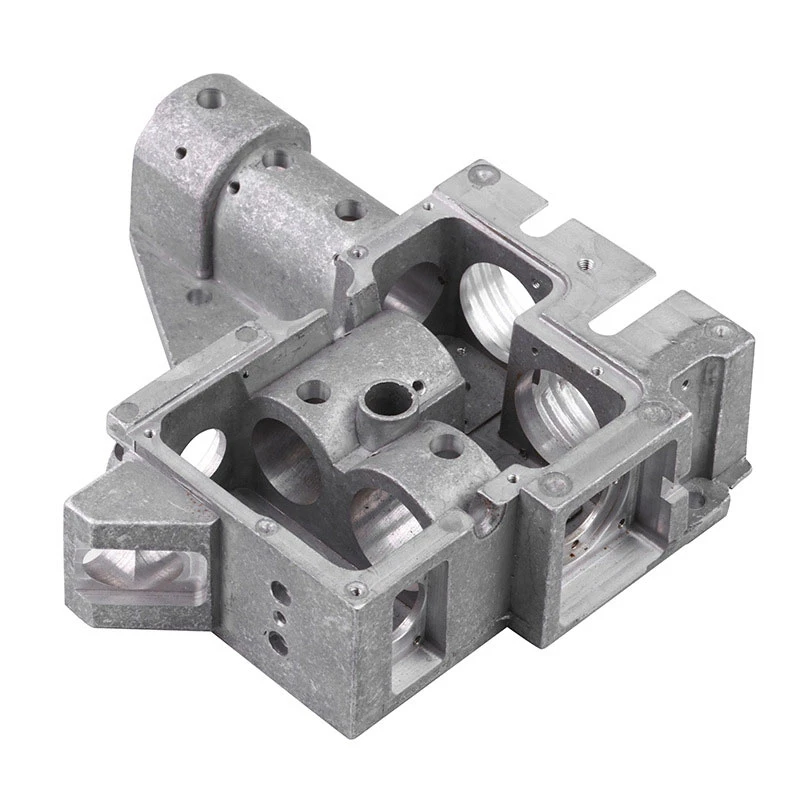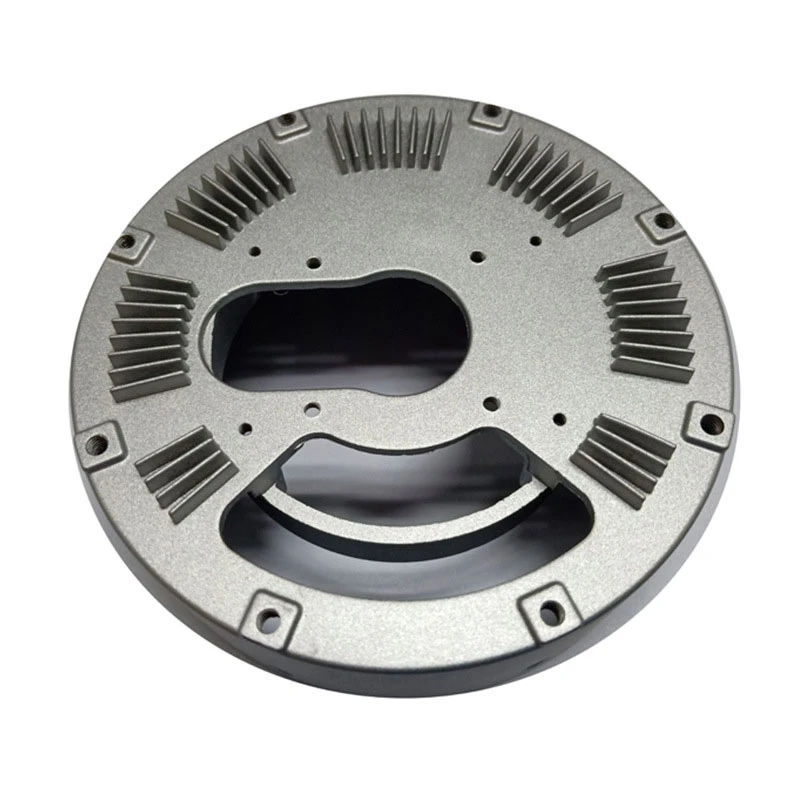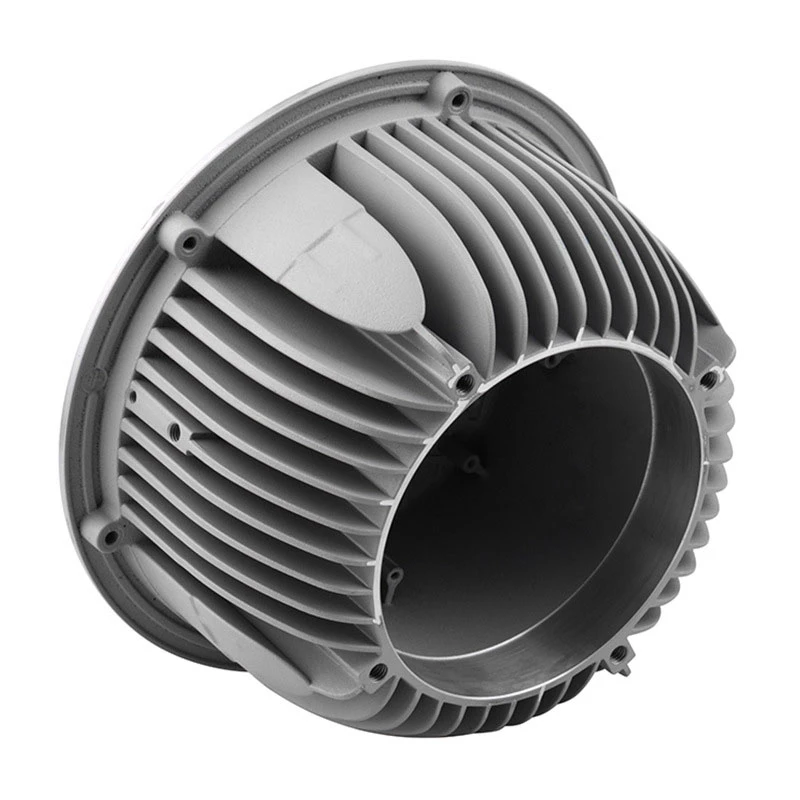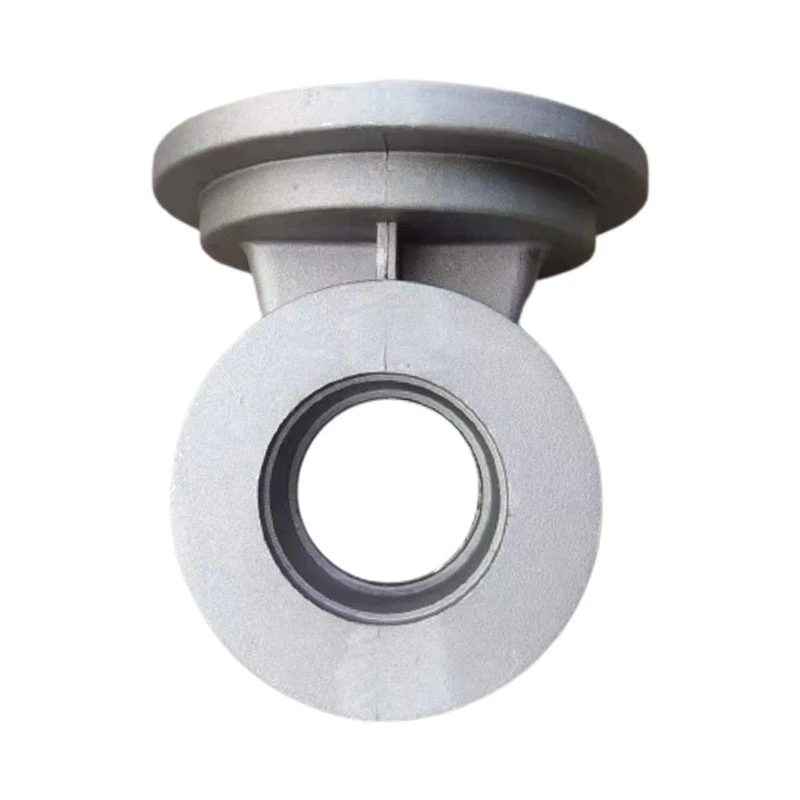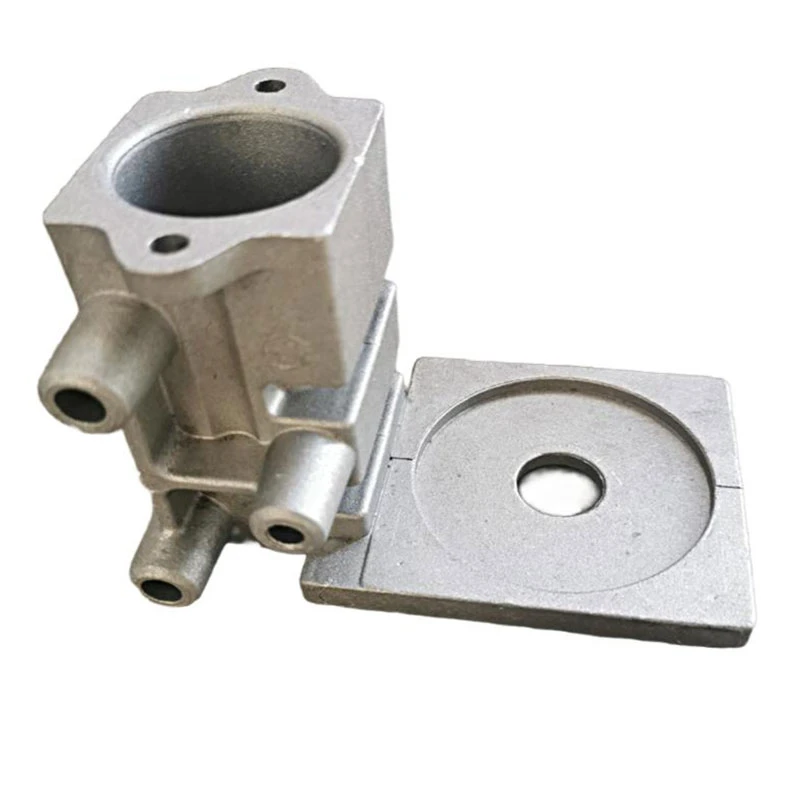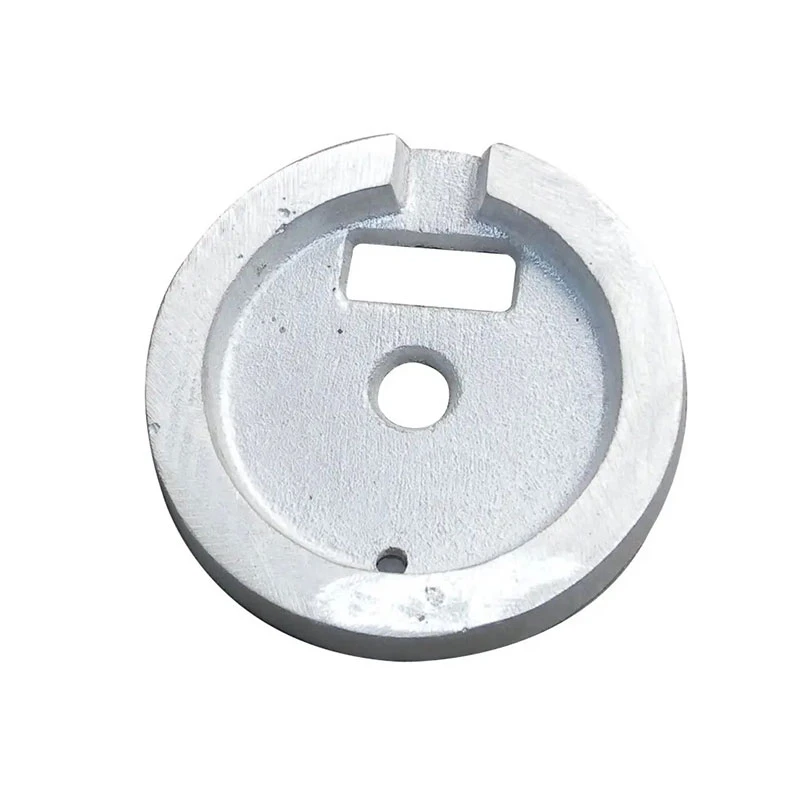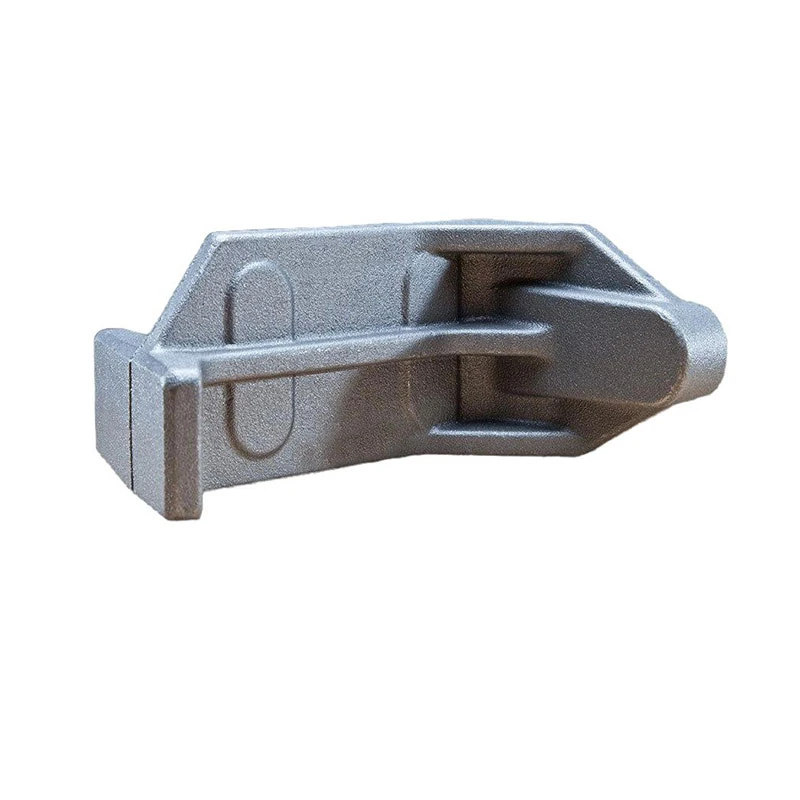



Precision Cast Plastic Parts – High-Quality Lightweight Components for Modern Industries
Precision Cast Plastic Parts: Why They Matter More Than Ever
In a world that increasingly demands lighter, stronger, and more cost-effective components, precision cast plastic parts are quietly revolutionizing manufacturing and supply chains everywhere. From automotive to medical devices, and even humanitarian relief, understanding these parts isn’t just a niche concern — it’s a key to unlocking efficiencies, sustainability, and innovation on a global scale.
Simply put, precision cast plastic parts combine the accuracy of casting techniques with the flexibility of modern plastics, yielding components that fit perfectly, perform reliably, and cost less to make. Given the rapid pace of industrial demands and environmental challenges, grasping their benefits helps companies stay competitive and communities receive better, lighter, and safer products.
Global Context: How Precision Cast Plastic Parts Fit into Today’s Industries
You might not see it immediately, but precision cast plastic parts are everywhere — and the global market for them is booming. According to recent ISO standards and industry reports, plastic production has grown steadily at roughly 4% per year worldwide, dovetailing with demand for precise yet scalable manufacturing processes.
Moreover, the United Nations Environment Programme highlights plastics’ dual challenge: while plastic parts enable lighter, energy-efficient machines, their waste can be problematic. Hence, innovations in precision casting strive to optimize material use and long-term durability, reducing waste over time.
One big challenge? Achieving consistently tight tolerances on complex parts without driving up costs or lead times. That’s where precision-casting technologies come in, offering accurate molds with repeatable results — which is why industries from aerospace to medical devices lean in hard.
What Exactly Are Precision Cast Plastic Parts?
Put simply, these are components shaped by injecting or molding plastic materials into highly precise casts or molds — often crafted by CNC machining or additive manufacturing for exactness. The goal is to get every curve, hole, and edge within fractions of a millimeter.
They’re not just your average molded plastic bits. Precision cast plastic parts serve in environments demanding strength and dimensional accuracy, like fuel injection systems, surgical instruments, and even lightweight drone frames. They connect advanced materials science with practical manufacturing, enabling the redesign of traditional metal parts into lighter, corrosion-resistant alternatives.
Frankly, it feels like the perfect marriage between high-tech fabrication and everyday utility.
Key Aspects That Define Their Strength
1. Durability and Performance
Because these parts often undergo rigorous quality controls and use engineering-grade polymers, they tend to withstand wear, heat, and chemical exposure better than standard components. That’s essential where failure isn’t an option — say, aerospace control panels or automotive safety systems.
2. Scalability and Speed
Once molds are perfected, manufacturers can produce thousands of identical parts quickly. This scalability is good news for industries needing rapid prototyping or large runs without sacrificing accuracy.
3. Cost Efficiency
Less raw material waste, lower tooling costs compared to metal casting, and faster turnaround collectively trim expenses. Plastic parts also reduce assembly costs by integrating several metal parts into one complex polymer shape.
4. Design Flexibility
Complex geometries that are impossible or prohibitively expensive with metals can be realized using precision plastic casting. That means designers can experiment with shapes fostering better airflow, ergonomics, or aesthetic appeal.
5. Environmental Impact
Though plastics are often viewed skeptically, precision casting promotes sustainable manufacturing by minimizing scrap and allowing use of recyclable or bio-based polymers — making it a greener choice in many cases.
6. Quality Assurance
Thanks to advances like 3D scanning and automated inspection, each precision cast part can be verified against tight tolerances, ensuring consistency and reducing costly defects.
Mini takeaway: Precision cast plastic parts aren’t just about plastics—they represent a smart blend of engineering, economics, and ecology.
Global Applications: Where These Parts Really Shine
Industries spanning automotive, aerospace, healthcare, electronics, and consumer goods rely heavily on precision cast plastic parts. For example:
- Automotive: Lightweight plastic control arms or fuel system components reduce vehicle weight, enhancing fuel economy and lowering emissions.
- Medical Devices: Surgical instrument housings and diagnostic equipment components demand hygiene, exact fits, and durability — all benefited by precision molding.
- Aerospace: Remote sensors or drone frames leverage plastic’s lightweight nature without sacrificing strength.
- Consumer Electronics: Durable, precisely fitting casings for smartphones or wearables improve product reliability and design appeal.
- Humanitarian Aid: In post-disaster relief, lighter, modular plastic parts enable faster assembly of temporary shelters and equipment, speeding aid delivery.
Regionally, countries with advanced plastics manufacturing like Germany, Japan, and the U.S. lead in precision cast plastic innovation, though emerging markets in Southeast Asia use these parts to leapfrog older production methods.
Advantages and Long-Term Value
Why invest in precision cast plastic parts? The benefits fall into several categories:
- Cost Savings: Lower material use and assembly reduce expenses, especially in mass production.
- Lightweight & Efficient: Reducing weight in vehicles or tools translates into energy savings and better user experience.
- Sustainability: Improved durability means fewer replacements; recyclable materials enhance circular economy efforts.
- Reliability & Safety: Tight tolerances mean a part fits and works every time — critical in medical or aerospace fields.
- Innovation Catalyst: Complex geometries and integrated features spur new product designs previously impossible.
And on a human level, consider how optimized, quality parts improve device safety and lifespan. It’s not just "engineering wins," but user trust and dignity — especially in crucial sectors like healthcare.
Looking Ahead: Future Trends in Precision Cast Plastic Parts
The road ahead is exciting. Here’s what many engineers are watching:
- Advanced Materials: Bioplastics, nano-enhanced polymers, and flame-retardant compounds are making parts smarter and greener.
- Digital Twins & AI: Virtual simulations paired with AI-driven quality controls shorten design cycles and reduce errors.
- Automation: Robotic casting lines coupled with IoT sensors yield real-time data and higher throughput.
- Additive Manufacturing Integration: Combining 3D printing with casting molds improves customization and reduces lead times.
- Governmental Regulations: Increasing mandates on sustainability and recyclability push innovation in casting techniques.
Challenges and How Experts Are Solving Them
No method is perfect, of course. Some persistent challenges include:
- Material Limitations: Not all plastics can tolerate extreme heat or mechanical stress.
- Initial Tooling Cost: Designing and manufacturing precise molds can be pricey upfront.
- Waste Management: Ending the lifecycle sustainably still demands better recycling infrastructure.
Innovations such as use of hybrid ceramic/plastic molds, modular tooling to spread cost, and bio-based polymers offer promising solutions. Plus, many manufacturers now collaborate with research institutions to tackle these barriers faster than ever.
FAQ: Answers to Common Questions About Precision Cast Plastic Parts
- Q: How do precision cast plastic parts improve product reliability compared to traditional plastic molding?
- A: Precision casting focuses on tight tolerances and material consistency, which leads to parts that fit perfectly and perform consistently — reducing failures and increasing lifespan compared to generic molding.
- Q: Are there environmental benefits in choosing precision cast plastic parts?
- A: Yes. These parts often require less material waste and enable use of recyclable or bio-based plastics, contributing to overall sustainability goals.
- Q: Can small businesses benefit from precision casting, or is it just for large manufacturers?
- A: Thanks to advances in digital prototyping and modular tooling, small businesses can now economically access precision casting for low-to-medium volume runs, enhancing their competitiveness.
- Q: What industries are driving innovation in precision cast plastics?
- A: Aerospace, automotive, medical, and consumer electronics industries are the leading forces pushing newer materials, faster machining, and smarter inspection methods.
A Quick Look: Product Specification Table
| Specification | Typical Value | Notes |
|---|---|---|
| Material Types | Polycarbonate, ABS, Nylon, PEEK | Engineering grade polymers preferred |
| Dimensional Tolerance | ±0.05 mm (typical) | Depends on mold quality and inspection |
| Max Part Size | Up to 1.5 meters | Larger parts may require segmented molds |
| Production Volume | 10 — 100,000+ units | High scalability |
| Lead Time | 2–8 weeks | Highly dependent on complexity |
Vendor Comparison: Who’s Leading in Precision Casting?
| Vendor | Specialty | Typical Industries Served | Turnaround Time | Sustainability Initiatives |
|---|---|---|---|---|
| PlastiCast Solutions | High-precision aerospace components | Aerospace, defense | 4–6 weeks | Zero-waste mold recycling program |
| EcoMold Plastics | Bio-based polymer casting | Medical, consumer goods | 2–4 weeks | Utilizes 75% recycled materials |
| RapidCast Engineering | Fast prototyping & low volume production | Automotive, electronics | 1–3 weeks | Lean manufacturing with minimal scrap |
Of course, many companies — ranging from boutique specialists to full-service manufacturers — are stepping into this space. For a broad range of options and partners, consider visiting precision cast plastic parts sourcing directories.
Wrapping It Up: Why Precision Cast Plastic Parts Are Here to Stay
As industries continue to push for lightweight, reliable, and eco-friendly components, precision cast plastic parts offer an elegant answer. They embody a balance of craftsmanship and technology — delivering durability without the weight of metal, precision without astronomical costs, and a pathway to sustainable manufacturing that fits global regions and purposes.
In real terms, investing in these parts means better product performance, reduced waste, and faster turnaround. But beyond all the specs and costs, it’s also about innovation that serves human needs — from designing sleek medical devices to assembling rapid shelter components in disaster zones.
If this sounds like a game-changer for your projects or supply chains, feel free to dive deeper and explore more. Visit us here for resources, supplier connections, and technical insights that can take your manufacturing capabilities to the next level.
Mini takeaway: Precision cast plastic parts are more than just components — they’re a catalytic tool for tomorrow’s smarter, lighter, greener products.
References:
1. ISO - International Organization for Standardization
2. United Nations Environment Programme
3. Wikipedia: Plastic Molding
-
Comprehensive Guide to Automotive Die Casting for Enhanced Vehicle PerformanceNewsJan.27,2026
-
Comprehensive Guide to Aluminum Pressure Die Casting Manufacturing ProcessesNewsJan.27,2026
-
Hot Chamber Die Casting vs Cold Chamber Die Casting ExplainedNewsJan.06,2026
-
Hot Chamber And Cold Chamber Die Casting Solutions for Industrial Applications | Hairun SourcingNewsJan.06,2026
-
Hot and Cold Chamber Die Casting: Key Insights from Industry ExpertsNewsJan.06,2026
-
Comprehensive Guide on Graphite Die Casting for B2B Manufacturing | HairunSourcingNewsJan.05,2026