


Precision Aluminum Die Casting: Advantages, Applications & Future Trends
What is Precision Aluminum Die Casting and Why It Matters Today
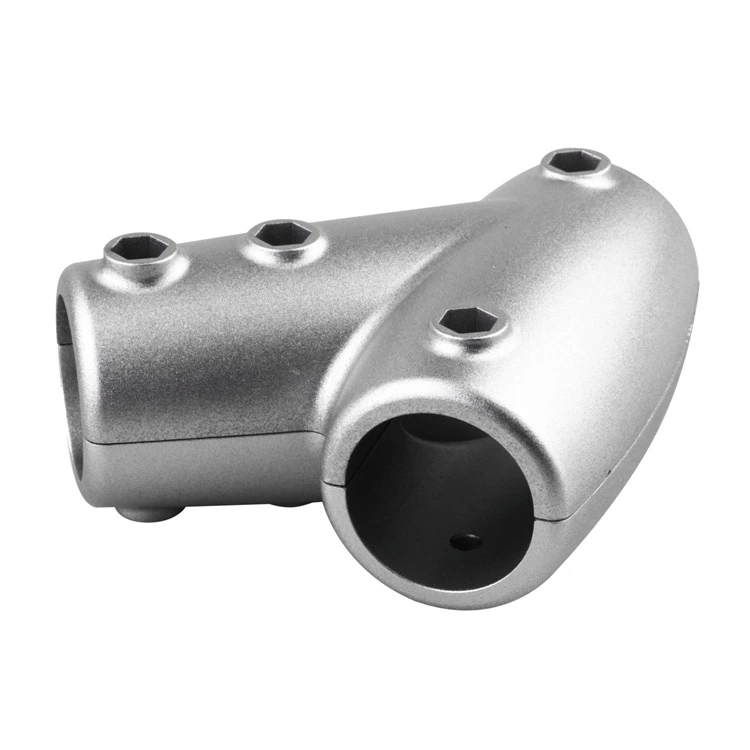
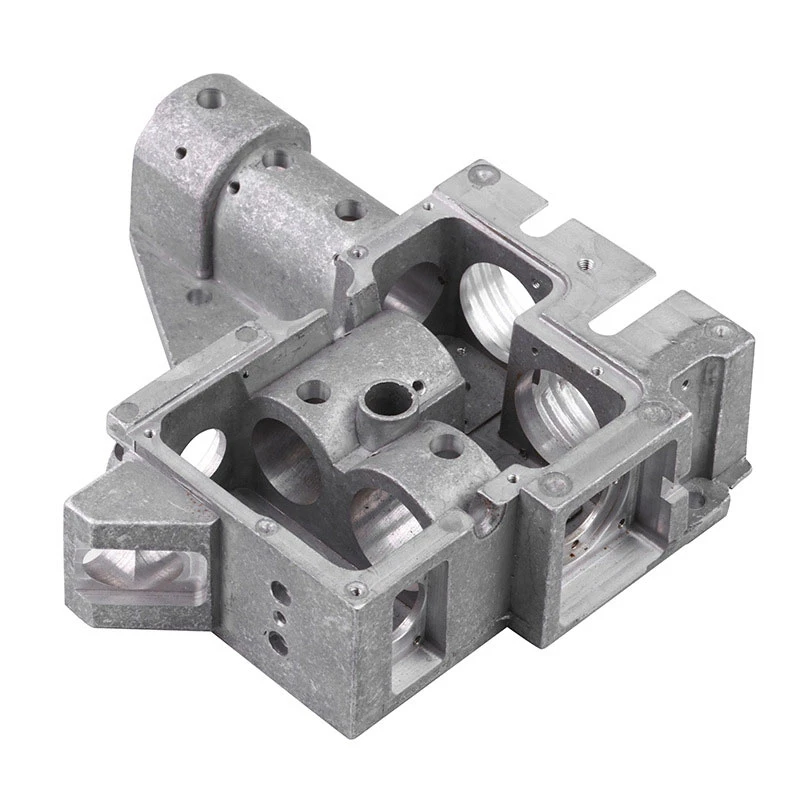
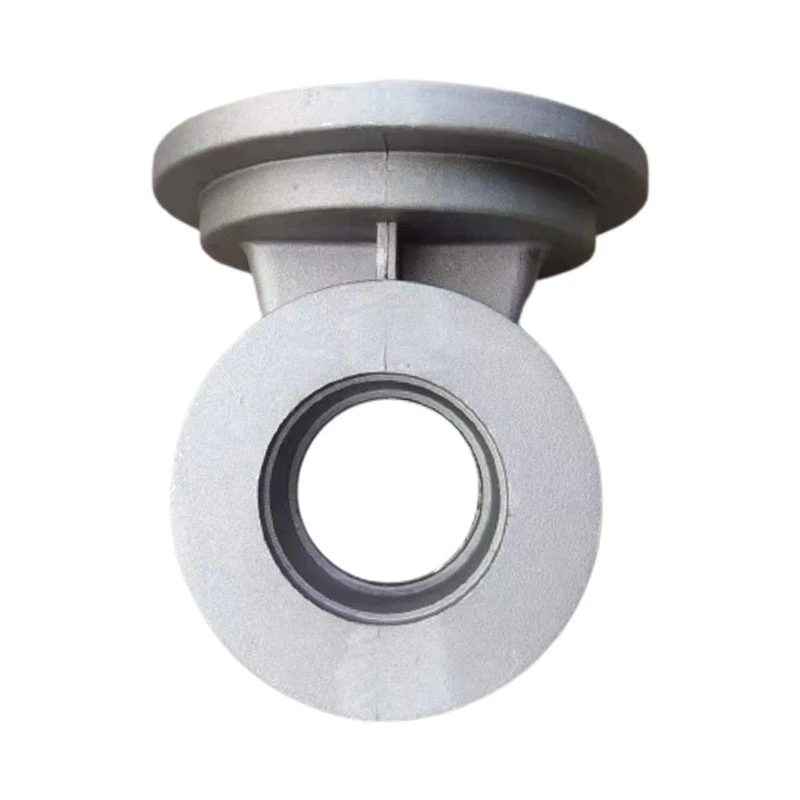
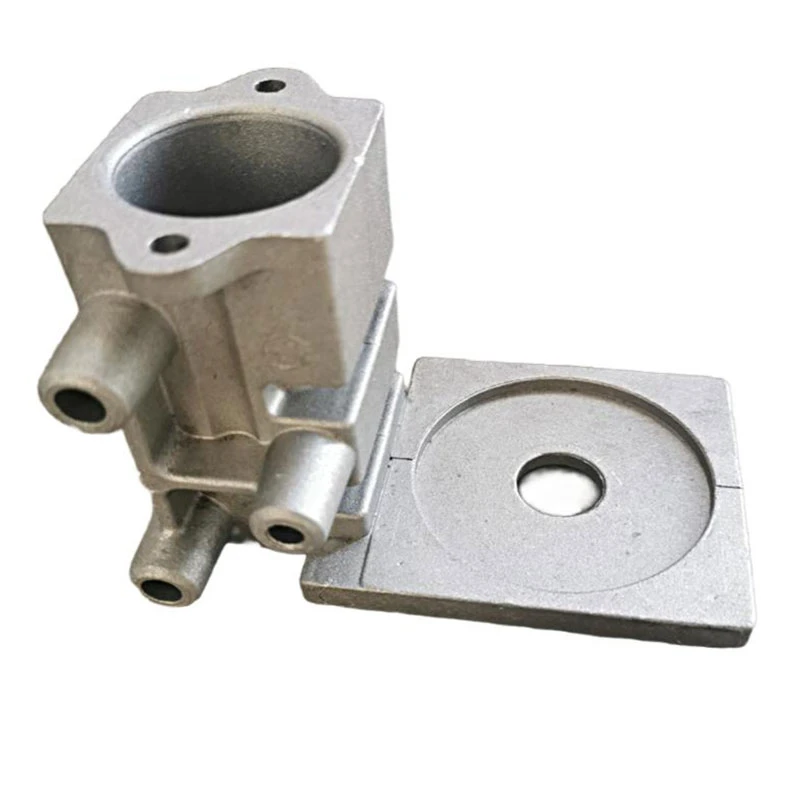
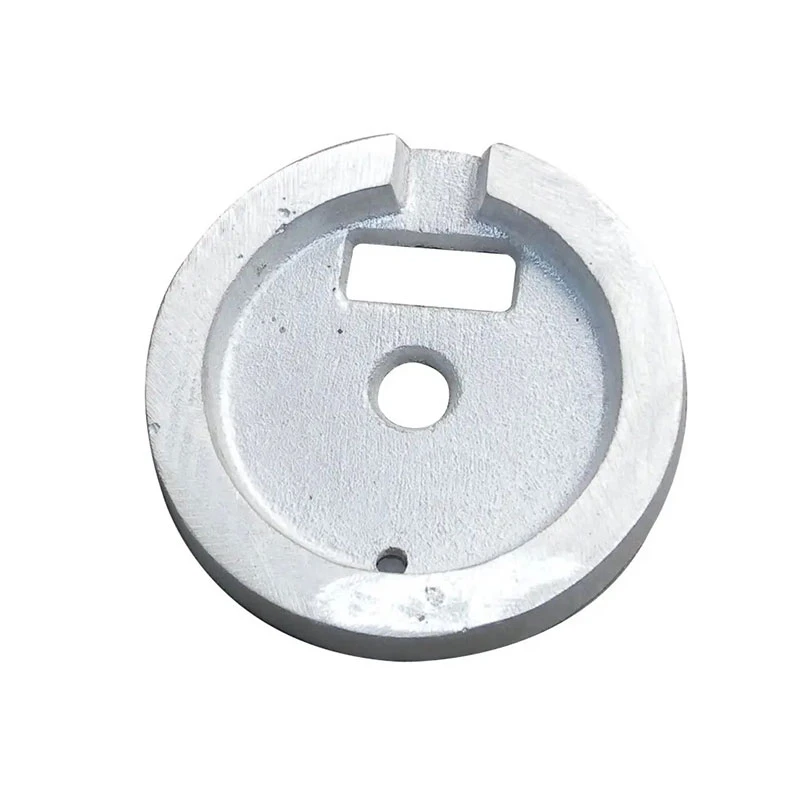
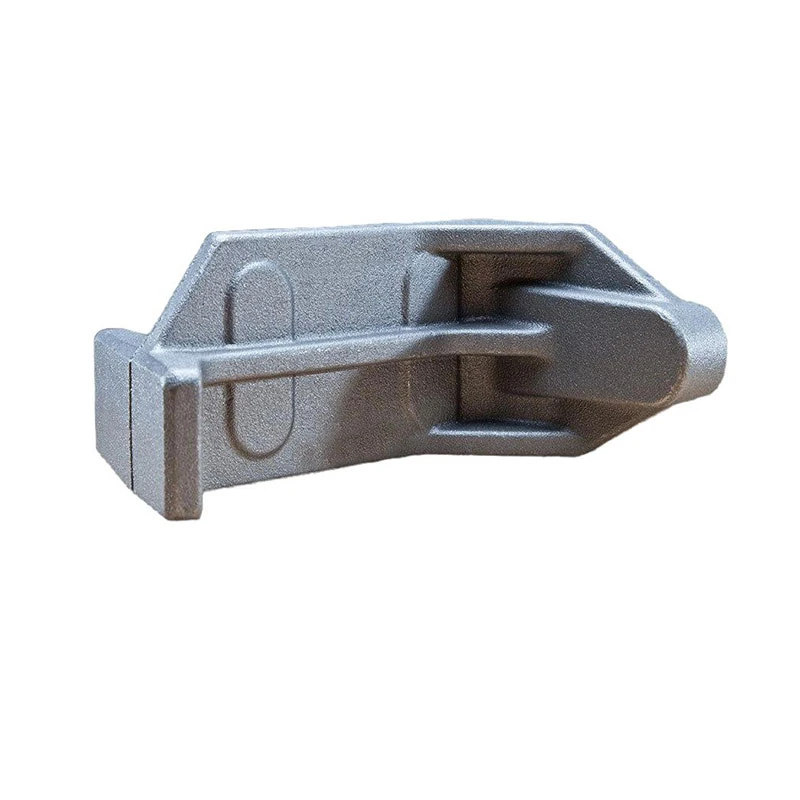
Precision aluminum die casting is a manufacturing marvel that’s quietly shaping the backbone of countless industries worldwide — from automotive to aerospace, electronics, and even humanitarian supply chains. At its core, it’s a way of molding aluminum with incredible accuracy and repeatability to produce complex shapes that would otherwise be too costly or impossible with other methods.
Why does this matter on a global scale? Aluminum is lightweight, strong, and recyclable — perfect for sustainable production efforts. Precision aluminum die casting enables mass production while maintaining tight tolerances, reducing waste and energy consumption. Understanding this process unlocks opportunities for innovation and cost savings, plus it supports industries that underpin modern life and humanitarian aid alike.
Precision Aluminum Die Casting in a Global Context
In an era where manufacturing efficiency and sustainability are more than buzzwords, precision aluminum die casting stands out. According to the International Aluminum Institute, global aluminum demand continues to climb steadily, especially in transport and construction sectors that push the limits of design and material performance. Simultaneously, the adoption of cleaner, energy-saving manufacturing methods aligns with UN Sustainable Development Goals.
Yet challenges remain—traditional machining of aluminum parts can generate waste, and some manufacturing techniques lack the control needed for intricate geometries. Aluminum die casting answers many of these by allowing high-volume, accurate, and recyclable production. It’s no wonder precision aluminum die casting is a go-to for engineers seeking the sweet spot between cost, quality, and environmental impact.
Defining Precision Aluminum Die Casting
So, what exactly is precision aluminum die casting? Simply put, it is a metal casting process where molten aluminum is injected under high pressure into steel molds (dies). Because the molds are reusable and finely crafted, the parts produced have excellent surface finish, structural integrity, and dimensional accuracy.
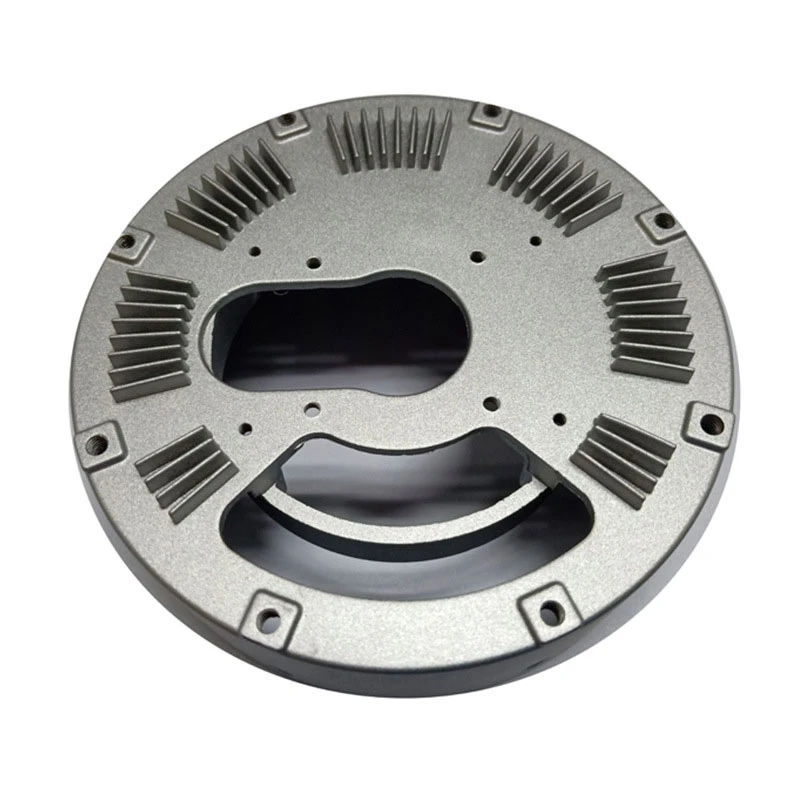
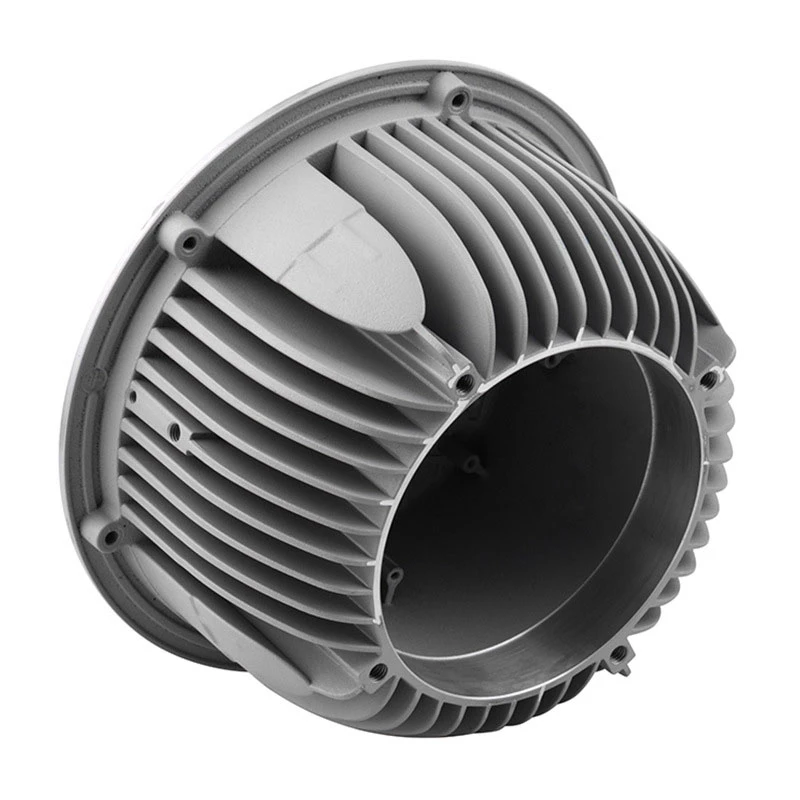
Unlike sand casting or other methods, die casting permits intricate shapes, thin walls, and close tolerances — essential for modern components. Think of it as a high-speed way to "print" aluminum parts that meet both engineering specs and mass-market volumes. This process supports everything from lightweight car chassis components to intricate housings for electronics — even some modular, rapid-deploy structures used in emergency relief.
Key Aspects of Precision Aluminum Die Casting
Durability and Strength
Aluminum alloys cast with precision offer impressive strength-to-weight ratios. This durability ensures parts withstand stress and wear — crucial in transport or industrial machinery applications.
Scalability for Volume Production
Because dies can be reused thousands of times, manufacturers can scale from prototype to high-volume production without losing shape fidelity or quality — a big deal for fast-moving industries.
Cost Efficiency and Waste Reduction
Although initial tooling costs can be high, per-piece costs drop significantly with volume. Plus, aluminum is highly recyclable, and the process itself reduces raw material waste compared to machining or forging.
Precision and Complexity
You can realize parts with complex internal structures, thin walls, and fine detailing. This opens doors for functional integration — fewer assembly steps, lighter systems, and smarter designs.
Surface Finish and Post-Processing
Cast parts often come out of the mold with smooth surfaces, minimizing the need for costly finishing. This also impacts speed to market.
Quick Takeaway
Precision aluminum die casting brings together strength, speed, and scalability — making it a cornerstone of efficient, sustainable manufacturing.
Applications Around the World
From automotive factories in Germany to electronics hubs in Taiwan, precision aluminum die casting is everywhere. In the automotive sector, lightweight aluminum components reduce vehicle weight, improving fuel economy and lowering emissions (ISO 14040 has interesting insights on lifecycle impacts). Aerospace companies use it for engine components needing complex geometries and heat resistance.
Oddly enough, this process also finds a place in disaster relief: quickly producible aluminum housings or structural parts can be used in modular emergency shelters—both durable and reusable. In remote industrial zones, the reliability and consistency of die cast aluminum parts mean less downtime and fewer maintenance headaches.
Specification Table of a Typical Precision Aluminum Die Cast Component
| Specification | Value/Range | Notes |
|---|---|---|
| Material Alloy | A380, A360, or ADC12 | Most common aluminum alloys used |
| Max Casting Size | Up to 500x400x100 mm (varies by vendor) | Dependent on die size |
| Typical Tolerance | ±0.05–0.15 mm | Very tight for die casting |
| Surface Finish | Up to Ra 1.6 μm | Smooth finish reduces machining |
| Cycle Time | 10 to 45 seconds per part | Depends on complexity and machine |
| Recyclability | Up to 100% recycled material possible | Significant sustainability advantage |
Looking at Top Vendors: A Quick Comparison
| Feature | Vendor A | Vendor B | Vendor C |
|---|---|---|---|
| Max Casting Size | 480x350x90 mm | 500x400x100 mm | 450x330x110 mm |
| Typical Tolerance | ±0.1 mm | ±0.05 mm | ±0.12 mm |
| Production Volume | Medium to High | High | Low to Medium |
| Additional Services | Assembly & finishing | Tooling design & prototyping | Surface treatment options |
| Environmental Certification | ISO 14001 | ISO 9001 & ISO 14001 | ISO 9001 |
Advantages & Long-Term Benefits
Beyond just numbers, precision aluminum die casting delivers a real punch in terms of sustainability and social impact. Its lightweight products help reduce fossil fuel consumption in transport. The recyclability factor dramatically trims down landfill waste and carbon footprints.
On an emotional level, it means safer cars, more reliable electronics, and fast-response aid materials when disaster strikes. It can preserve dignity by facilitating sturdy, quick shelters or medical device parts that save lives. Many engineers say the trust built in these consistent parts is priceless.
Future Trends & Innovations to Watch
The horizon looks especially bright because die casting is embracing Industry 4.0. Automation, IoT sensors embedded in machines, and AI-driven quality control enhance precision further. Material-wise, more eco-friendly aluminum alloys and secondary recycled content percentages are rising, fitting the global push toward green manufacturing.
Digital twin simulations help designers foresee casting defects, reducing trial-and-error. Finally, linking precision aluminum die casting with renewable energy technology is creating new lightweight components for electric vehicles and wind turbines — exciting stuff.
Challenges and How to Overcome Them
Of course, no process is perfect. High tooling costs and lead times can scare smaller businesses away. Also, controlling porosity and shrinkage defects remains a technical challenge.
Rampant surface defects can be minimized by strict process controls and using advanced vacuum die casting. Design-for-casting principles help prevent problems up front. Some vendors also offer flexible low-volume die casting that eases initial costs.
FAQ: Common Questions About Precision Aluminum Die Casting
Q1: How does precision aluminum die casting differ from other casting methods?
Unlike sand or gravity casting, die casting uses high-pressure injection into steel molds, yielding rapid, accurate, and repeatable parts with finer detail and better surface finish. It’s ideal for complex, high-volume parts needing tight tolerance control.
Q2: What industries benefit the most from this technology?
Automotive, aerospace, electronics, consumer products, and even humanitarian equipment sectors heavily rely on precision aluminum die casting for its durability, lightweight, and cost advantages.
Q3: Is aluminum die casting environmentally sustainable?
Yes. Aluminum is highly recyclable, and die casting produces less waste than subtractive methods. Advances in low-energy furnaces and recycled content further improve sustainability.
Q4: What’s the typical lead time for producing die cast parts?
Initial tooling can take several weeks, but once ready, cycle times per part are often under a minute, allowing large batches quickly. Some specialized services offer rapid prototyping or low-volume runs too.
Q5: Can small businesses access precision die casting solutions?
Increasingly yes, as flexible tooling and low-volume die casting services become more common, lowering entry barriers and helping startups or specialized manufacturers benefit.
Final Thoughts
In real terms, precision aluminum die casting stitches the needle between quality, speed, and eco-conscious manufacturing — a trifecta that industries and humanitarian efforts worldwide can’t ignore. It’s more than just a process; it’s part of a smarter, sustainable future.
Thinking about integrating precision aluminum die casting into your next project? Visit https://www.hairunsourcing.com — your gateway to trusted suppliers and expert guidance. Because good parts make good products.
Reference List
-
Comprehensive Guide to Automotive Die Casting for Enhanced Vehicle PerformanceNewsJan.27,2026
-
Comprehensive Guide to Aluminum Pressure Die Casting Manufacturing ProcessesNewsJan.27,2026
-
Hot Chamber Die Casting vs Cold Chamber Die Casting ExplainedNewsJan.06,2026
-
Hot Chamber And Cold Chamber Die Casting Solutions for Industrial Applications | Hairun SourcingNewsJan.06,2026
-
Hot and Cold Chamber Die Casting: Key Insights from Industry ExpertsNewsJan.06,2026
-
Comprehensive Guide on Graphite Die Casting for B2B Manufacturing | HairunSourcingNewsJan.05,2026