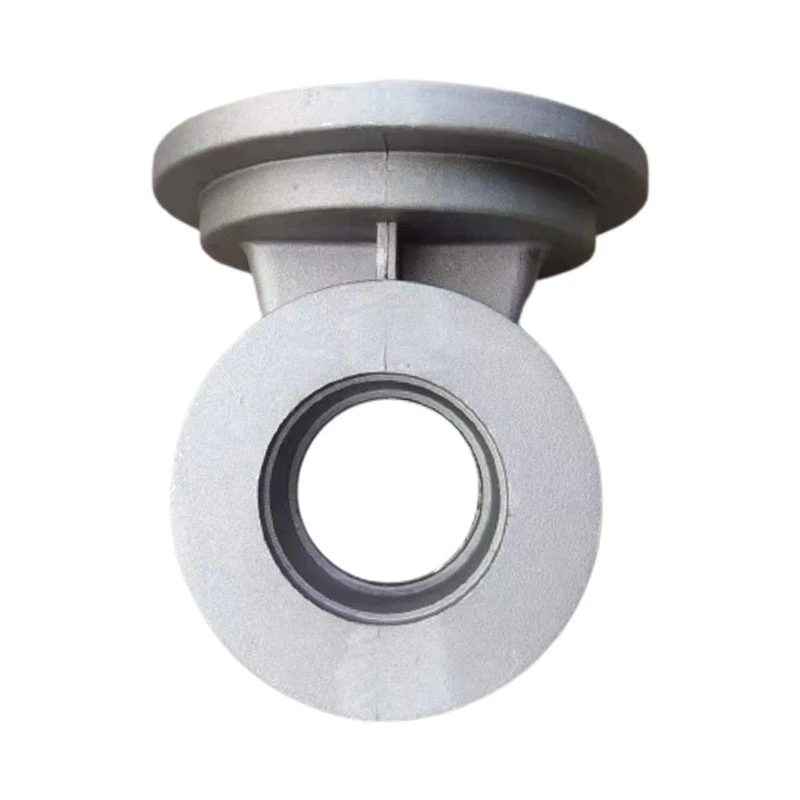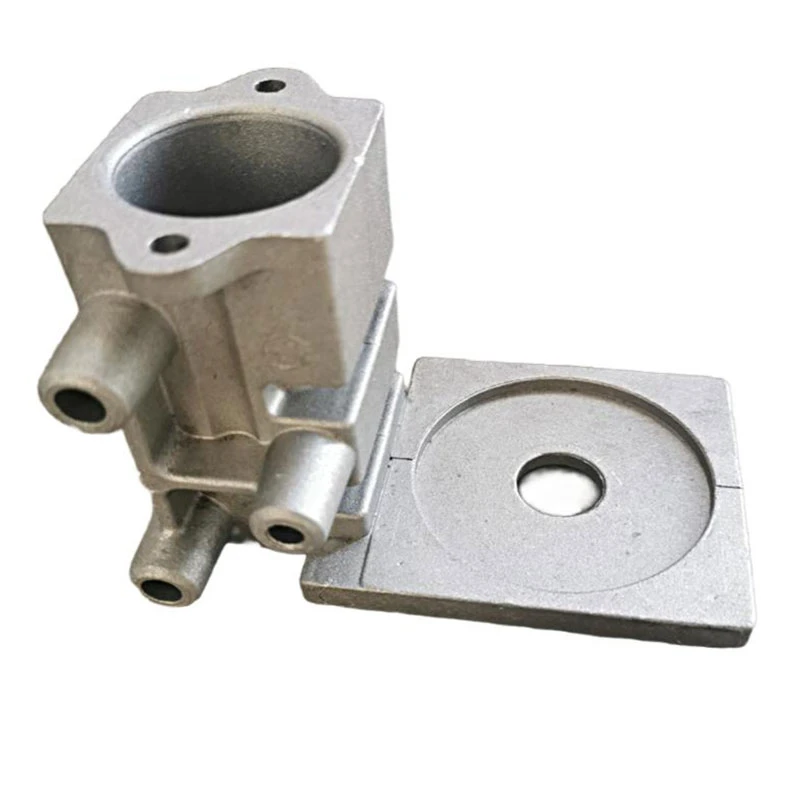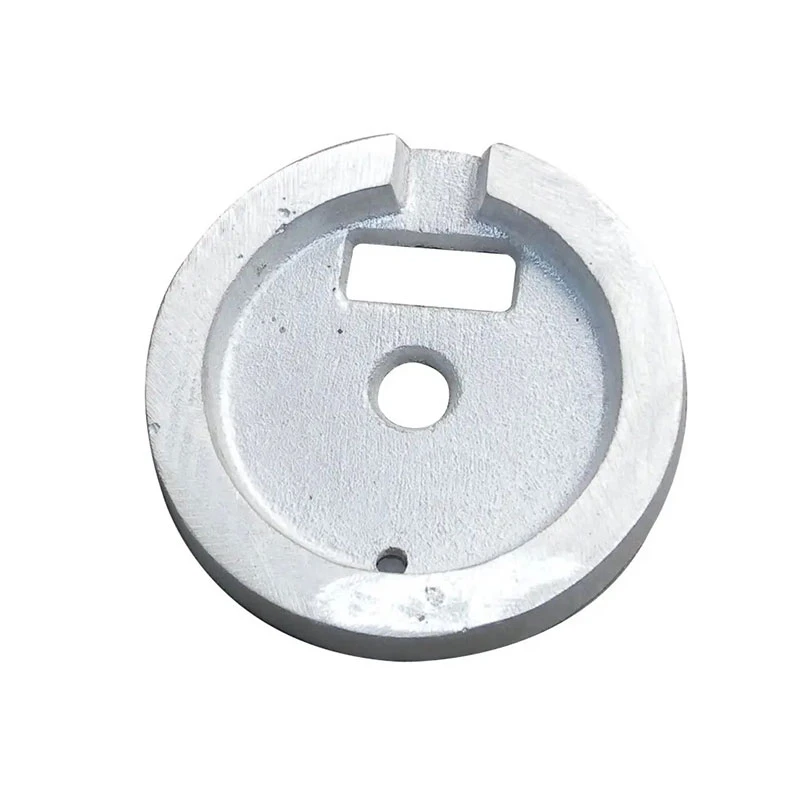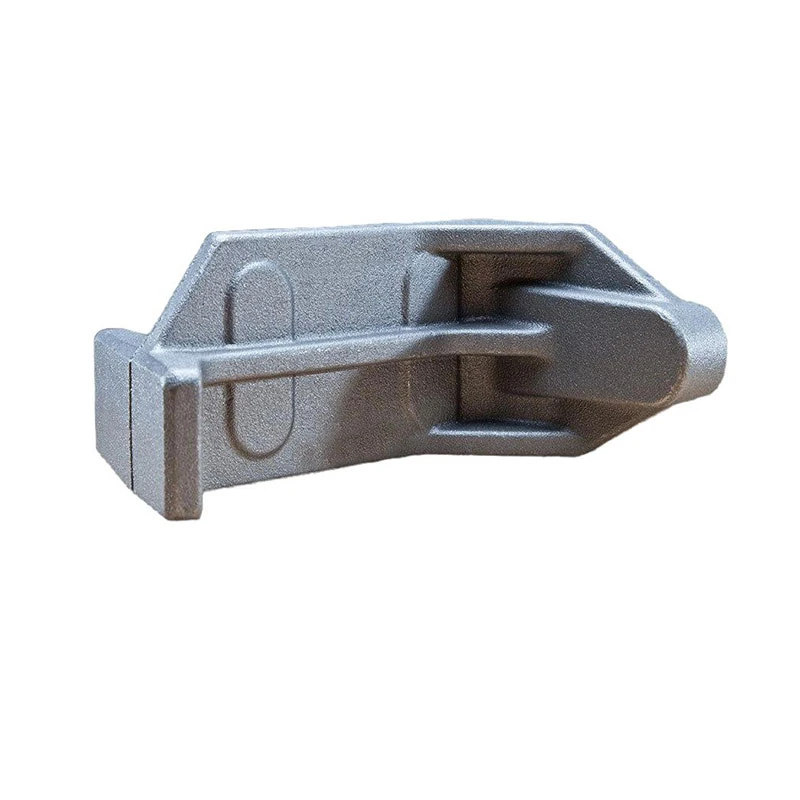



CF8 and CF8M Stainless Steel: Essential Alloys for Durable Industrial Applications
Understanding CF8 and CF8M: Why These Stainless Steels Matter Globally
If you’ve ever worked with industrial-grade stainless steels, you’ve certainly come across the acronyms CF8 and CF8M. But why should anyone outside metallurgy care? In brief, these two alloys form the backbone of corrosion-resistant components worldwide—from chemical plants to water treatment systems, engines to food production lines. Their durability, cost-effectiveness, and adaptability have earned them a critical spot in industries that keep economies humming and infrastructures resilient.
The global market for stainless steel, which includes grades like CF8 and CF8M, is projected to grow significantly—in fact, the demand is expected to reach 50 million tons by 2030 (World Steel Association). This buzz isn't just about metals; it's about how the right materials solve long-term challenges: corrosion, maintenance costs, safety, and sustainability.
In this article, I’ll walk you through what CF8 and CF8M are exactly, how they differ, and why savvy engineers and procurement specialists keep choosing them. Plus, we’ll glance at how usage trends are shaping the future.
CF8 vs. CF8M: What Are They, Really?
Let's clear the air—CF8 and CF8M are grades of stainless steel castings primarily based on austenitic stainless steel standards. Often called the casting equivalents of the wrought 304 and 316 stainless steels respectively, they’re specified by ASTM standards: CF8 roughly matches 304 stainless (with chromium and nickel), while CF8M includes added molybdenum for extra corrosion resistance, similar to 316 steel.
Oddly enough, this slight tweak—just adding molybdenum in CF8M—makes a big difference in harsh environments prone to pitting and crevice corrosion, like marine or chemical processing settings. It’s pretty much why CF8M has become the go-to for applications where corrosion resistance can’t be compromised.
So, you could think of CF8 as the reliable workhorse and CF8M as the toughened specialist, especially for aggressive media. If your project involves acids, saltwater, or anything nasty, CF8M tends to hold up — kind of like the difference between everyday sneakers and trail shoes, both trusty but built for slightly different terrain.
Key Properties That Make CF8 and CF8M Stand Out
1. Corrosion Resistance
Without a doubt, the main reason for choosing these stainless steel grades is their notable resistance to rust and corrosion. CF8 resists general oxidation and typical environmental factors well, but CF8M’s added molybdenum gives it the edge against localized corrosion, especially chlorides.
2. Mechanical Strength & Durability
Both CF8 and CF8M offer solid tensile strength and toughness, making them suitable for pressure vessels, pumps, and valves under stress. They don't crack or deform easily, promoting long-term reliability—key in industries where maintenance downtime is costly.
3. Heat Resistance
In applications like power generation or petrochemicals, heat resistance matters. CF8 and CF8M provide stability up to around 870°C (1600°F) depending on treatment, allowing them to handle moderate heat without losing mechanical properties.
4. Weldability and Machinability
I’ve read many engineers appreciate how these grades can be welded and machined without special procedures, enhancing their adaptability on-site. It’s often easier to work with compared to other specialty alloys, which can drive down fabrication costs.
5. Cost Efficiency
While CF8M is pricier due to its molybdenum content, both grades strike a balance between performance and cost—a big win for industries running tight budgets but high safety standards.
Typical Applications of CF8 and CF8M Stainless Steel
These materials find homes worldwide in a range of industries:
- Chemical and Process Industries: CF8M is favored for piping, tanks, and heat exchangers handling corrosive chemicals.
- Marine Environment: From ship components to offshore platforms, CF8M alloys withstand salty, damp conditions where failure isn’t an option.
- Food and Beverage: CF8 is commonly used in hygienic equipment, thanks to its smooth surface finish and corrosion resistance.
- Water Treatment: Pumps and valves constructed from CF8 castings are widespread for potable and wastewater systems.
- Oil and Gas: Both grades appear in valves and fittings, especially in less aggressive environments (CF8) or more severe ones (CF8M).
For example, during a recent flood relief project in Southeast Asia, modular water treatment units utilized CF8M components to ensure longevity despite constant exposure to polluted water — a sort of unsung hero moment for stainless steels!
Mini Takeaway
Knowing when to use CF8 or CF8M can be a game-changer—especially if you’re looking to balance upfront costs with long-term reliability.
CF8 & CF8M in Numbers: Specifications at a Glance
| Property | CF8 | CF8M |
|---|---|---|
| Chemical Composition | ~18% Cr, 8% Ni | ~18% Cr, 10% Ni, 2-3% Mo |
| Tensile Strength (MPa) | 520-620 | 520-620 |
| Yield Strength (MPa) | 205-280 | 205-280 |
| Corrosion Resistance | Good | Excellent (chloride resistant) |
| Typical Use Temperature | Up to 870°C | Up to 870°C |
How Vendors Compare: CF8 and CF8M Providers
| Vendor | Product Range | Customization Options | Lead Time | Certifications |
|---|---|---|---|---|
| GlobalSteel Corp. | CF8/CF8M fittings, valves, flanges | Material & size tailoring | 6-8 weeks | ISO 9001, API |
| Stellux Metals | Castings, pipes, and pump components | Welding prep, surface finishes | 4-6 weeks | ISO 14001, ASTM |
| UHT Alloys Inc. | Specialty CF8M for marine & pharma | Full chemical, mechanical testing | 8-10 weeks | ISO 9001, FDA compliant |
Advantages & Long-Term Value of Choosing CF8 and CF8M
Choosing CF8 or CF8M carries advantages beyond the obvious material properties. From cost savings to sustainability, here’s why many companies swear by them:
- Reduced Maintenance: Less corrosion means fewer repairs and replacements. Over years, that’s huge—both financially and operationally.
- Safety and Reliability: In critical systems, these materials hold the line against leaks or failures, directly impacting worker safety and environmental protection.
- Eco and Social Impact: Long lifespan reduces resource consumption & waste, aligning with sustainability goals common in ISO 14000 frameworks.
- Innovation-Friendly: CF8/CF8M’s weldability and machinability permit modifications and upgrades more easily than some exotic alloys.
In real terms, investing in high-grade CF8M components upfront often means a better overall ROI, especially for projects with tough environmental demands.
Looking Ahead: Trends and Innovations in CF8/CF8M Applications
Material science never really stands still, and neither do the industries using CF8 and CF8M. Some trends are reshaping how and why these alloys get specified:
- Green Manufacturing: Emphasis on recyclability and reducing carbon footprints is pushing vendors to improve casting processes and raw material sourcing.
- Advanced Coatings: Hybrid coatings or surface treatments on CF8M can enhance wear resistance even further, opening new applications.
- Digital Quality Control: Non-destructive testing (NDT) tools, including AI-powered imaging, improve consistency and safety assurance.
- Modular & Smart Components: Integration of sensors in CF8M valves for real-time monitoring is slowly becoming a thing—talk about smart steel.
Challenges & Expert Solutions in Using CF8/CF8M
Every rose has its thorns, and CF8/CF8M castings face some hurdles:
- Porosity & Defects: Castings sometimes develop porosity, impacting mechanical strength. Meticulous control during mold preparation and heat treatment help here.
- Cost Sensitivity: Molybdenum price fluctuations can impact CF8M pricing. Bulk sourcing and long-term contracts often mitigate this.
- Surface Finish Needs: Some applications require extremely smooth or sanitary finishes. Post-casting machining and polishing address this.
Luckily, manufacturers and users usually tackle these issues upfront by refining specs and adopting better process controls.
FAQ: Frequently Asked Questions About CF8 and CF8M Stainless Steel
- What is the main difference between CF8 and CF8M stainless steel?
- CF8 corresponds to 304 stainless steel and lacks molybdenum, whereas CF8M includes molybdenum (like 316 steel), enhancing corrosion resistance, especially in chloride environments.
- Can CF8M be used in marine environments?
- Absolutely. Thanks to its molybdenum content, CF8M is highly resistant to saltwater corrosion and is often used in offshore platforms and ship parts.
- Are CF8 and CF8M easy to weld and fabricate?
- Yes, both grades are pretty user-friendly in welding and machining compared to other stainless steels, making onsite modifications straightforward.
- How long do CF8M castings usually last in harsh chemical plants?
- With proper design and maintenance, CF8M components can last decades—20 years or more isn't uncommon—greatly reducing downtime and replacement costs.
- Is CF8M more expensive than CF8?
- Typically yes, primarily due to molybdenum content, but the increased upfront cost is often balanced by longer lifespan and less maintenance.
Wrapping Up: Why CF8 and CF8M Still Shine
CF8 and CF8M stainless steels might not make headlines like flashy new materials, but their quiet dependability underpins countless industries worldwide. They combine just the right chemistry, physical properties, and cost considerations to meet modern challenges head-on. Whether you’re specifying parts for a coastal desalination plant or updating valves in a food-grade facility, these grades hold a reliable promise.
If you want to explore reliable sources or find suppliers offering custom CF8/CF8M components, feel free to check out cf8 cf8m solutions, a trusted platform connecting you to suppliers and experts globally — because, frankly, in materials, connections matter as much as composition.
References
-
Comprehensive Guide to Automotive Die Casting for Enhanced Vehicle PerformanceNewsJan.27,2026
-
Comprehensive Guide to Aluminum Pressure Die Casting Manufacturing ProcessesNewsJan.27,2026
-
Hot Chamber Die Casting vs Cold Chamber Die Casting ExplainedNewsJan.06,2026
-
Hot Chamber And Cold Chamber Die Casting Solutions for Industrial Applications | Hairun SourcingNewsJan.06,2026
-
Hot and Cold Chamber Die Casting: Key Insights from Industry ExpertsNewsJan.06,2026
-
Comprehensive Guide on Graphite Die Casting for B2B Manufacturing | HairunSourcingNewsJan.05,2026