


Comprehensive Guide to CF8M CF3M Cast Stainless Steel Alloys and Applications
Understanding CF8M CF3M: What It Is and Why It Matters Globally
If you’ve ever found yourself knee-deep in discussions about stainless steel grades or wondered how certain industries maintain top-tier corrosion resistance standards, then chances are you’ve bumped into the terms cf8m cf3m. While the jargon might sound technical, the implications ripple far beyond the test lab—they touch on global infrastructure, medical tools, and even environmental sustainability.
To get straight to the point: cf8m cf3m refers to specific grades within the cast stainless steel family, optimized for durability and resistance in challenging environments. Their usage means less downtime, safer machinery, and longer service life, and if you ask any industry insider, that’s priceless. Grasping what makes these alloys unique is kind of like having the secret recipe to ironclad reliability.
Mini takeaway: CF8M CF3M grades are not just technical labels; they are essential to industries requiring robust, corrosion-resistant materials worldwide.
The Global Context: Why CF8M CF3M Holds Industrial Weight
According to the International Organization for Standardization (ISO), stainless steel usage is growing steadily—around 3-5% annually—driven by demands for sustainability and performance in fast-evolving industries like petrochemical processing and food production. Stainless steels like cf8m cf3m are front and center in this surge because they resist corrosion even in the harshest climates.
World Bank data reveals that infrastructure projects in emerging markets face tremendous challenges due to environmental factors like saline water intrusion or acidic soils. Here, using the right stainless steel grade isn’t a luxury—it’s a problem solver. The crumbly aftermath of corrosion can cost billions globally per year in repairs and lost productivity.
So, the challenge at hand: how do industries select materials that won’t betray them when things get tough? Enter cf8m cf3m as a trusty contender, engineered for that very reason.
Mini takeaway: Globally, industries lean heavily on CF8M and CF3M alloys to combat corrosion risks inherent in environmental and operational stress.
What Exactly Are CF8M and CF3M?
Let’s break it down. CF8M and CF3M are cast stainless steel grades. They fall under the ASTM A743 standard, detailing specifications for corrosion-resistant castings. The “CF” stands for “cast iron with ferrite,” “8” and “3” relate loosely to chromium content, and the “M” indicates molybdenum, added for enhanced corrosion resistance.
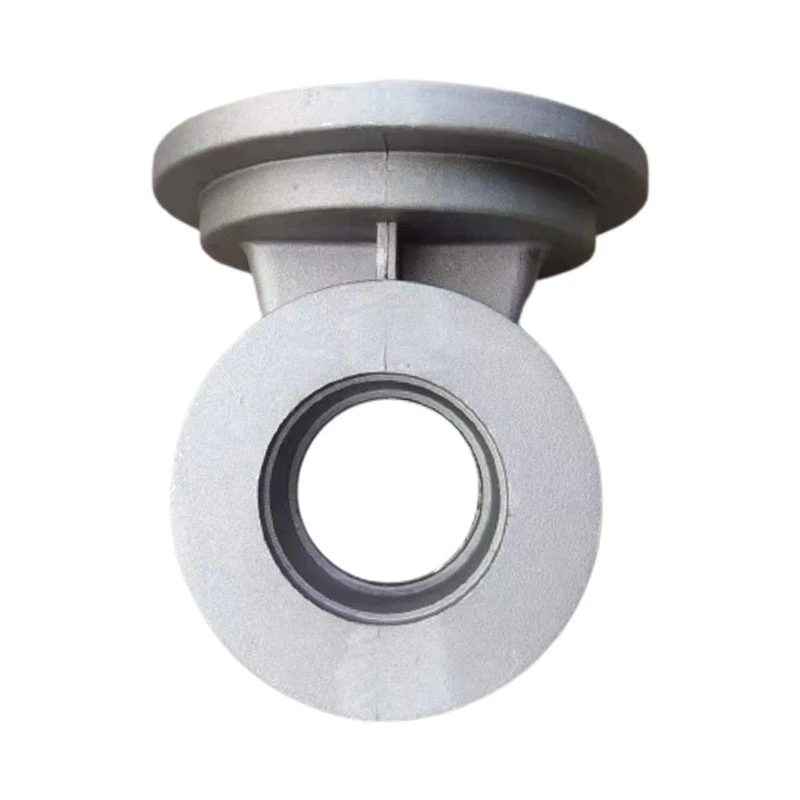
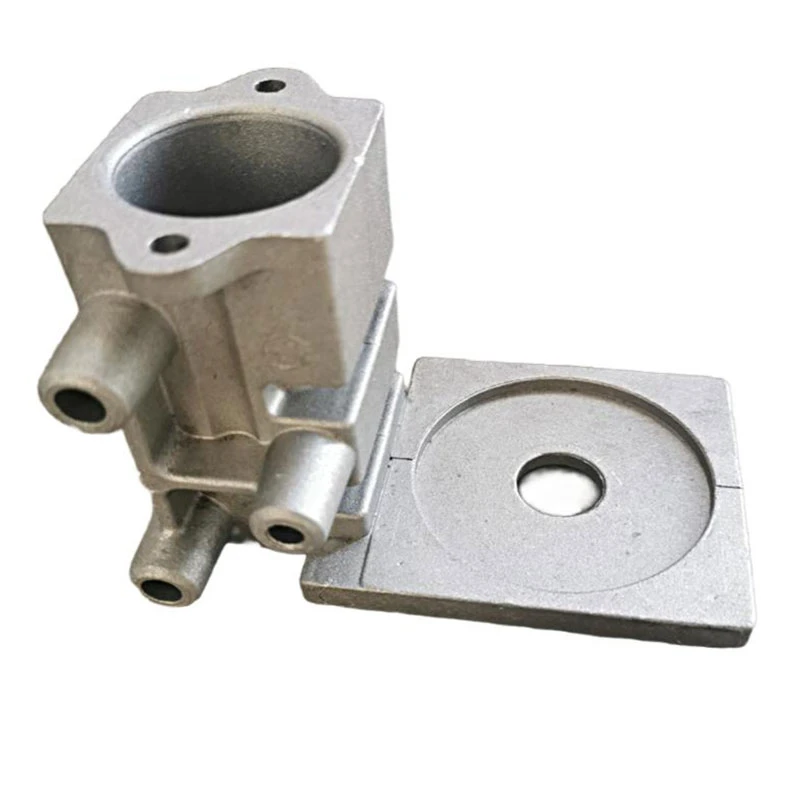
Simply put, CF8M resembles the wrought alloy 316 stainless steel but in cast form, offering excellent strength and resistance to pitting and crevice corrosion. This makes it ideal for valves, pumps, and fittings handling aggressive fluids.
CF3M is a lower-carbon variant of CF8M, designed to reduce intergranular corrosion that can happen after welding or heat treatment. It’s the go-to choice for applications that require post-fabrication machining or welding, without sacrificing durability.
Both grades find homes in modern industry sectors ranging from chemical plants to marine equipment; even certain medical device components capitalize on their reliable strength and hygiene.
Mini takeaway: CF8M and CF3M are cast stainless steels with carefully balanced chemistry built for corrosion resistance and mechanical toughness.
Core Characteristics of CF8M CF3M You Should Know
1. Corrosion Resistance
One cannot discuss CF8M CF3M without highlighting their stellar corrosion resistance. Chromium and molybdenum, the heavy hitters here, form passive oxide layers that ward off aggressive chemicals and salty air. This is why they're prevalent in marine and chemical industries.
2. Mechanical Strength
These grades offer impressive tensile strength and yield properties, making them trustworthy for high-pressure applications. CF8M is suitable for more heavy-duty scenarios, while CF3M caters to applications requiring slight flexibility.
3. Thermal Stability
Industries involving temperature fluctuations from sub-zero conditions to several hundred degrees Celsius often demand materials that resist cracking or warping. CF8M CF3M’s metallurgy is sophisticated enough to handle this, proving handy in power plants and exhaust systems.
4. Weldability
This might sound niche, but weldability is vital in fabrication and repair. CF3M’s lower carbon content minimizes risks of weld decay—a nightmare scenario for engineers who need to patch things in the field.
5. Fabrication Versatility
Beyond welding, both grades cut, machine, and finish quite well. This flexibility matters when custom or complex shapes are needed, letting designers rethink how the parts should perform under stress.
6. Cost Efficiency
While the initial price is not dirt cheap, the durability and reduced maintenance of CF8M CF3M often result in lower lifecycle costs—something savvy purchasers appreciate when budgeting for long-term projects.
Mini takeaway: These alloys strike a balance of corrosion resistance, strength, weldability, and long-term cost effectiveness that few other materials offer.
Where Does CF8M CF3M Really Shine? Global Applications & Use Cases
Industries worldwide rely on these steels — from Europe’s offshore wind farms to Asia’s sprawling chemical refineries. In post-disaster relief, CF8M CF3M components help rebuild reliable water treatment units swiftly, ensuring access to clean water isn’t delayed.
In remote industrial zones across Australia and Canada, rugged pumps and valves utilizing these grades withstand the harsh environment with minimal maintenance, keeping operations smooth despite logistical hurdles.
Even municipal sewage systems in coastal cities, battling constant exposure to corrosive elements, have adopted CF8M CF3M castings to prolong asset life and cut disruptive repairs.
| Property | CF8M | CF3M |
|---|---|---|
| Chemical Composition (Cr, Ni, Mo) | 18% Cr, 8-10% Ni, 2-3% Mo | 18% Cr, 8-10% Ni, 2-3% Mo Lower Carbon <0.03% |
| Tensile Strength | 600 MPa (min) | 570 MPa (min) |
| Hardness (Brinnell) | ≤ 217 | ≤ 201 |
| Common Applications | Pumps, valves, chemical apparatus | Welded components, structural parts |
Comparing Leading Suppliers of CF8M CF3M Castings
| Vendor | Range of Grades | International Reach | Customization | Typical Lead Time |
|---|---|---|---|---|
| Global Alloys Inc. | CF8M, CF3M, plus variants | North America, Asia, Europe | Full design & mold support | 4-6 weeks |
| Stainless Solutions Ltd. | CF8M, CF3M exclusively | Europe, Middle East | Standard casting sizes only | 3-5 weeks |
| Precision Castings Pvt. | Focus on custom CF3M parts | Asia, Africa | Highly flexible & rapid prototyping | 2-4 weeks |
Why Invest in CF8M CF3M? Advantages & Long-Term Value
On paper, transitioning to CF8M CF3M castings might seem like a straightforward material choice. But walk the corridors of your local refinery or petrochemical plant, and you’ll quickly sense how these steel grades prevent costly emergencies.
- Reduced Maintenance: Less frequent corrosion means fewer shutdowns and repairs.
- Safety Boost: Equipment remains structurally sound, reducing accident risks.
- Sustainability: Longer-lasting parts reduce waste and resource consumption.
- Trust & Reputation: Operators who use high-quality materials build client confidence.
There’s a subtle satisfaction in knowing your pumps or valves won’t fail when the going gets tough. CF8M CF3M castings offer a blend of engineering foresight and peace of mind that’s difficult to match.
Looking Ahead: Innovations & Future Trends
The metallurgy of CF8M CF3M isn’t static. Researchers are exploring nano-structured coatings and additive manufacturing processes that may soon improve corrosion resistance and reduce casting defects even further. Some companies experiment with integrating recycled metals — a nod to rising green manufacturing standards.
On the regulation front, global standards increasingly reward sustainable sourcing and traceability. It means companies who embrace CF8M CF3M grades—and do so responsibly—could edge ahead in bidding for eco-conscious infrastructure projects.
Digital twin simulations are also gaining traction, allowing engineers to virtually test CF8M CF3M components under extreme scenarios before physical production, saving time and cutting surprise failures.
Challenges and Smart Solutions in CF8M CF3M Usage
Despite their many perks, CF8M and CF3M do come with some challenges. They tend to be pricier than basic grades, and their casting requires strict quality control to avoid porosity and microscopic cracks. Plus, welding demands skilled operators to maintain integrity.
To tackle these, companies invest in advanced quality control technologies like X-ray and ultrasonic testing and train welders specifically for these alloys. Optimized supply chains have also shortened delivery times despite customization complexity.
FAQ: Frequently Asked Questions About CF8M CF3M
Q1: What makes CF8M and CF3M preferable for chemical industry applications?
Answer: Their superior corrosion resistance against acidic and saline environments, combined with high strength and thermal stability, makes CF8M and CF3M ideal for chemical industry pumps, valves, and fittings—ensuring long service life and fewer breakdowns.
Q2: How different is CF3M from CF8M in terms of welding?
Answer: CF3M has lower carbon content, reducing the risk of intergranular corrosion during welding, which is why it is preferred in applications requiring extensive fabrication or repair.
Q3: Are CF8M and CF3M eco-friendly materials?
Answer: While stainless steels consume resources during production, their longevity and recyclability make CF8M and CF3M more sustainable choices than lower-grade steels that corrode quickly and require frequent replacement.
Q4: Can NGOs or smaller organizations source CF8M CF3M parts globally?
Answer: Yes, through international suppliers specializing in customized castings (like cf8m cf3m vendors), NGOs can procure quality components with flexible quantities and specifications, often with expert logistical support.
Conclusion: Why CF8M CF3M Is a Smart Long-Term Investment
Picking the right stainless steel grade can seem mundane, but when you realize how much hinges on those components—whether protecting a water treatment plant or running essential machinery—you start to appreciate why CF8M CF3M matters. Their mix of corrosion resistance, strength, and adaptability continues to make them indispensable in global industry.
For anyone looking to source reliable, high-performance castings, tapping into trusted vendors and understanding these materials will pay dividends down the road. Curious to learn more or explore your options? Visit our website: cf8m cf3m.
References
-
Comprehensive Guide to Automotive Die Casting for Enhanced Vehicle PerformanceNewsJan.27,2026
-
Comprehensive Guide to Aluminum Pressure Die Casting Manufacturing ProcessesNewsJan.27,2026
-
Hot Chamber Die Casting vs Cold Chamber Die Casting ExplainedNewsJan.06,2026
-
Hot Chamber And Cold Chamber Die Casting Solutions for Industrial Applications | Hairun SourcingNewsJan.06,2026
-
Hot and Cold Chamber Die Casting: Key Insights from Industry ExpertsNewsJan.06,2026
-
Comprehensive Guide on Graphite Die Casting for B2B Manufacturing | HairunSourcingNewsJan.05,2026