


Reliable ci Foot Valve Solutions for Efficient Water Systems | Durable Cast Iron Valves
Understanding the ci foot valve: an unassuming but global hero
When you think about essential components that keep water flowing smoothly across industries and continents, you probably don’t immediately consider the humble ci foot valve. Yet, this small device quietly plays a huge role—from agricultural irrigation to municipal water supply. Understanding its design, purpose, and benefits isn't just for engineers or procurement specialists. Globally, reliable water systems underpin public health, food security, and industrial productivity. And the ci foot valve is central to that.
In rough terms, the ci foot valve (cast iron foot valve) acts as a gatekeeper at the input end of pumps or piping networks, preventing backflow and ensuring efficient suction. Improving its functionality directly saves energy, reduces maintenance costs, and guards equipment lifespan — benefits felt around the world wherever water moves.
Why does the ci foot valve matter worldwide?
Let’s zoom out a bit. According to the United Nations, over 2 billion people still lack safely managed water services, and water infrastructure investments are skyrocketing in emerging economies. The World Bank notes that nearly 70% of global freshwater usage goes to irrigation and industrial processes. And ISO standards increasingly emphasize equipment reliability and sustainability.
Against this backdrop, the ci foot valve isn’t just a component; it’s a pivotal piece in reducing downtime, water wastage, and energy consumption. For instance, in agriculture-heavy regions of Asia and Africa, these valves support irrigation pumps responsible for feeding millions. Meanwhile, in industrial zones stretching from the US Midwest to Southeast Europe, they help keep critical processes humming. Simply put: without the right foot valves, entire systems could falter — sometimes with costly consequences.
What exactly is a ci foot valve?
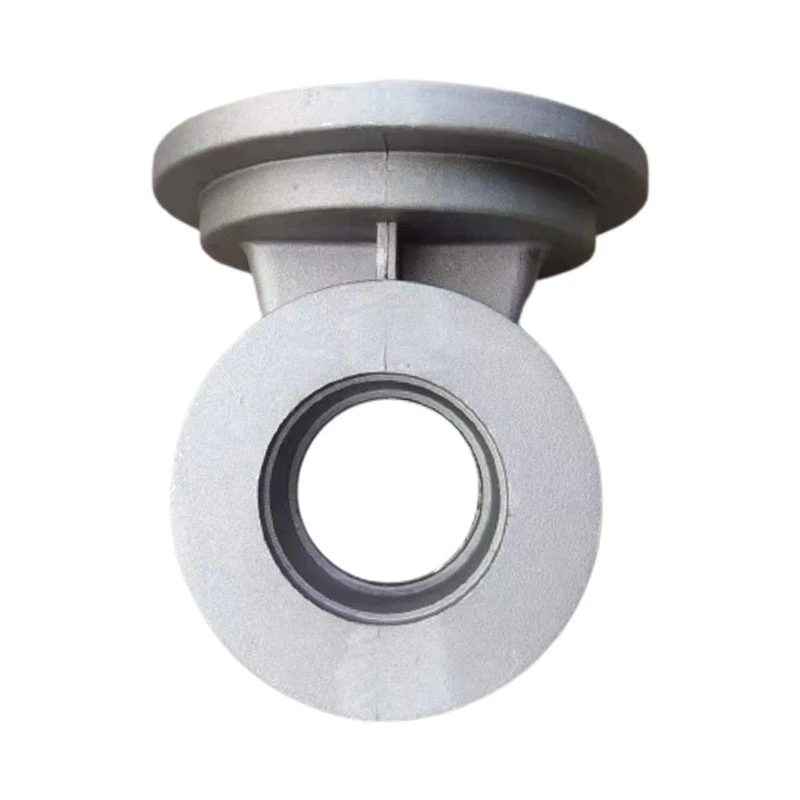
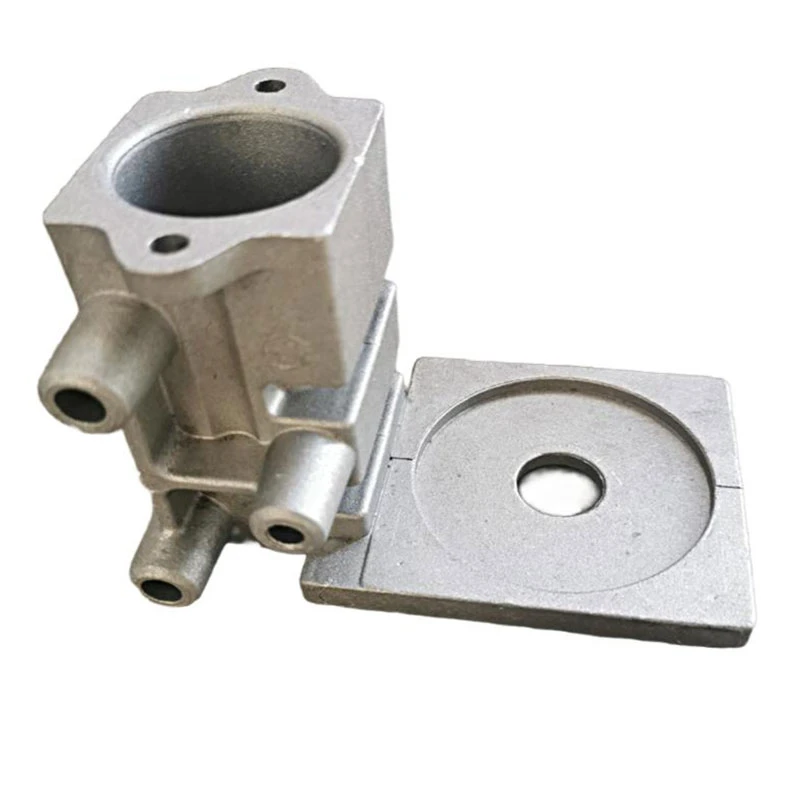
Simply put, a ci foot valve is a type of check valve fitted at the base of a pump’s suction line, designed to allow fluid flow in one direction only. ‘CI’ stands for cast iron—meaning it’s made from a durable iron alloy known for its strength, corrosion resistance, and cost efficiency.
The valve typically houses a mesh strainer to keep out debris and features an internal flap or disc that closes once flow reverses. This closure prevents backflow — stopping the pump from losing its prime and preventing damage or leaks.
In practical terms, this means a ci foot valve keeps the pump ready to draw water immediately when switched on, minimizing startup time and energy spikes. It’s a small device with a disproportionately big impact on system reliability.
What makes a ci foot valve tick? Core components explained
Durability: cast iron’s proven strength
Cast iron's long been a trusted material thanks to its robustness and resistance to wear. A ci foot valve withstands abrasive sediments, prolonged moisture, and pressure variations—especially important in rough environments.
Effective sealing mechanism
The valve relies on a well-fitted disc or flap that closes tightly to avoid backflow. Many designs include rubber or synthetic seals to enhance longevity and leak-proof performance.
Mesh or perforated strainer
Preventing debris clogging is critical. The strainer’s mesh size balances filtration and flow rate, keeping larger particles out without slowing the process.
Size & flow compatibility
Foot valves come in various diameters to fit pump suction capacities — matching these parameters ensures maximum efficiency.
Adaptability & installation ease
Because installation environments vary wildly—from shallow wells to long irrigation lines—the valve often features versatile mounting flanges or screw fittings.
Mini takeaway: The ci foot valve’s careful material choice and design directly contribute to durability, performance, and practical upkeep.
Worldwide uses and real-life case studies of the ci foot valve
You’d be surprised how widespread and diverse the applications are. In the heavy agricultural zones of Punjab, India, ci foot valves keep water pumps primed for continuous irrigation cycles essential to multiple crop yields annually. Similarly, many East African NGOs rely on these valves as part of their clean water projects, ensuring boreholes and wells function effectively without frequent repairs.
Industrial facilities in Germany and Brazil use ci foot valves to streamline chemical or cooling water intake systems, ensuring smooth continuous operation and reducing maintenance shutdowns. And in disaster relief operations—you know those temporary water supply setups in disaster-affected areas—the ease of deployment and reliability of ci foot valves make a big difference.
Example Specification Table: Typical ci foot valve model
| Specification | Details |
|---|---|
| Material | Cast Iron (CI) |
| Valve Size Range | 2" to 12" diameter |
| Pressure Rating | Up to 10 bar (145 psi) |
| Strainer Mesh Size | 1-3 mm aperture |
| Seal Type | Nitrile Rubber (NBR) |
| Weight | Varies by size, ~5-25 kg |
What sets ci foot valve vendors apart? A quick comparisons
| Vendor | Material Quality | Price Range | Customization | Delivery Times |
|---|---|---|---|---|
| AlphaValves Inc. | High-grade cast iron (EN-GJL-250) | $$$ | Custom sizing & seal options | 3-4 weeks |
| HydroFlow Solutions | Standard cast iron, commercial grade | $-$$ | Limited custom options | 2-3 weeks |
| EcoValve Tech | Recycled cast iron blend, eco-certified | $$ | Sustainable seal and design options | 4-6 weeks |
Why using a ci foot valve pays off long term
- Cost efficiency: Prevents pump damage and loss of prime, reducing downtime and expensive repairs.
- Sustainability: Cast iron’s recyclability and durability contribute to lower environmental footprints.
- Reliability: Consistent backflow prevention supports uninterrupted water supply, crucial especially in health or food sectors.
- Safety and dignity: By ensuring clean, stable water flows, communities gain improved sanitation and lifestyle quality.
- Innovation trust: Brands offering customized seals or corrosion-resistant coatings inspire greater confidence among engineers and facility managers.
Many engineers I’ve talked to swear by reliable ci foot valves as unsung heroes—not glamorous, but absolutely vital.
What’s next for ci foot valves? Trends and innovations
The future looks quite dynamic. With green energy becoming the buzzword, efforts are underway to develop valves with even lighter carbon footprints. Hybrid materials combining cast iron with polymer composites aim to boost corrosion resistance and reduce weight.
Digital integration is also emerging. Imagine valves with embedded sensors monitoring flow and sealing conditions, enabling predictive maintenance—cutting costs and avoiding surprises. Automation in water management systems increasingly values components like ci foot valves for their consistent performance under smart controls.
Addressing the common challenges
Of course, ci foot valves aren’t perfect. Issues can arise from sediment buildup causing clogging, wear of sealing surfaces, or incorrect sizing leading to inefficiency. Some environments expose valves to chemicals or extreme temperatures, shortening lifespan.
Solutions? Maintenance regimes including regular inspection and cleaning help a lot. Advances in seal materials (like EPDM or Viton) and coatings (epoxy, zinc) improve longevity. And expert pump system designers recommend always matching valve specs closely to flow requirements—never just ‘eyeballing’ it.
Frequently Asked Questions About ci foot valve
Q: How do I know what size ci foot valve to choose for my pump?
A: It's crucial to match the valve’s diameter and flow rating with your pump’s suction line and maximum flow. Oversized valves can cause sluggish flow; undersized ones risk excessive pressure drop. Consult pump specs, and if in doubt, contact manufacturers or professionals for recommendations.
Q: Can ci foot valves be used for salty or corrosive water?
A: Cast iron can corrode in saline or chemically aggressive conditions. For such uses, valves with special coatings, stainless steel trims, or alternative materials might be better. Otherwise, corrosion inhibitors and frequent maintenance are necessary.
Q: How often should I inspect or maintain my ci foot valve?
A: Depending on water quality and usage frequency, check valves should be inspected every 6-12 months. Early signs of wear, seal damage, or clogging should prompt cleaning or replacement to prevent pump issues.
Q: Are there CI foot valves that fit into automated water systems?
A: Yes, some advanced models integrate flow sensors or pressure monitors. These are compatible with automated monitoring, allowing real-time alerting for maintenance needs.
Q: Can I find customized ci foot valves locally, or should I import them?
A: While many local suppliers stock standard models, complex system requirements might require imported customized valves. Sites like ci foot valve suppliers provide international sourcing options with a range of specs.
Wrapping it up: why investing in ci foot valves is wise
So, the ci foot valve might not be the flashiest part of your water infrastructure, but it is one of the most essential. It ensures efficiency, protects equipment, and nurtures sustainability — all critical across industries and communities worldwide.
For those looking for durable, well-made foot valves that stand the test of time and tough conditions, investing in quality products isn’t just smart; it’s necessary. Curious to explore robust, cost-effective options? Visit our website and discover how the right foot valve can transform your water systems.
References
-
Comprehensive Guide to Automotive Die Casting for Enhanced Vehicle PerformanceNewsJan.27,2026
-
Comprehensive Guide to Aluminum Pressure Die Casting Manufacturing ProcessesNewsJan.27,2026
-
Hot Chamber Die Casting vs Cold Chamber Die Casting ExplainedNewsJan.06,2026
-
Hot Chamber And Cold Chamber Die Casting Solutions for Industrial Applications | Hairun SourcingNewsJan.06,2026
-
Hot and Cold Chamber Die Casting: Key Insights from Industry ExpertsNewsJan.06,2026
-
Comprehensive Guide on Graphite Die Casting for B2B Manufacturing | HairunSourcingNewsJan.05,2026