


Dec . 01, 2025 18:10
Back to list
Comprehensive Guide to ci Globe Valve: Industrial Flow Control and Global Applications
Understanding the ci Globe Valve: Why It Matters Globally
If you’ve ever wondered how industrial plants control the flow of liquids so precisely, chances are a ci globe valve is involved somewhere in the process. This often understated component plays a crucial role in many sectors — from water treatment to oil and gas, and even humanitarian infrastructure projects. The ci globe valve, with its cast iron (ci) body and globe valve design, offers reliable control, efficiency, and durability that industries worldwide rely on daily. Globally, with infrastructure development surging and sustainability goals pressing forward, understanding the strengths and limitations of ci globe valves is more important than ever (especially if you’re an engineer, procurement specialist, or even someone curious about industrial tech). The benefits ripple out: safer water systems, energy savings, better environmental management, and fewer breakdowns in critical services. Mini takeaway: The ci globe valve is a quiet workhorse around the world, integral to controlling fluid flow efficiently and safely, impacting industries and lives alike.The Global Context: Why ci Globe Valves Are Essential Today
According to the International Organization for Standardization (ISO), valves control more than two-thirds of the global flow control market. And out of those, globe valves are favored for their accuracy and durability. Cast iron is a go-to material due to its excellent corrosion resistance and strength-to-cost ratio, which makes ci globe valves a popular choice worldwide. Consider this — the World Bank has noted that efficient water management systems can reduce losses and contamination by over 30%, something that ci globe valves directly impact. Yet, many infrastructure projects stumble over choosing valves that don’t fit environmental or economic constraints. ci globe valves answer this challenge by providing an affordable yet rugged solution that suits many climates and industries, from Asia’s burgeoning industrial corridors to Europe’s water grids. But there’s a catch: while ci globe valves work well under steady pressures and moderate temperatures, industries sometimes find them less ideal for high-temperature or extremely corrosive environments, putting an emphasis on correct application and selection. Mini takeaway: Globally, ci globe valves bridge cost-effectiveness with industrial performance, helping meet infrastructure goals while navigating environment-specific challenges.Defining the ci Globe Valve in Plain Language
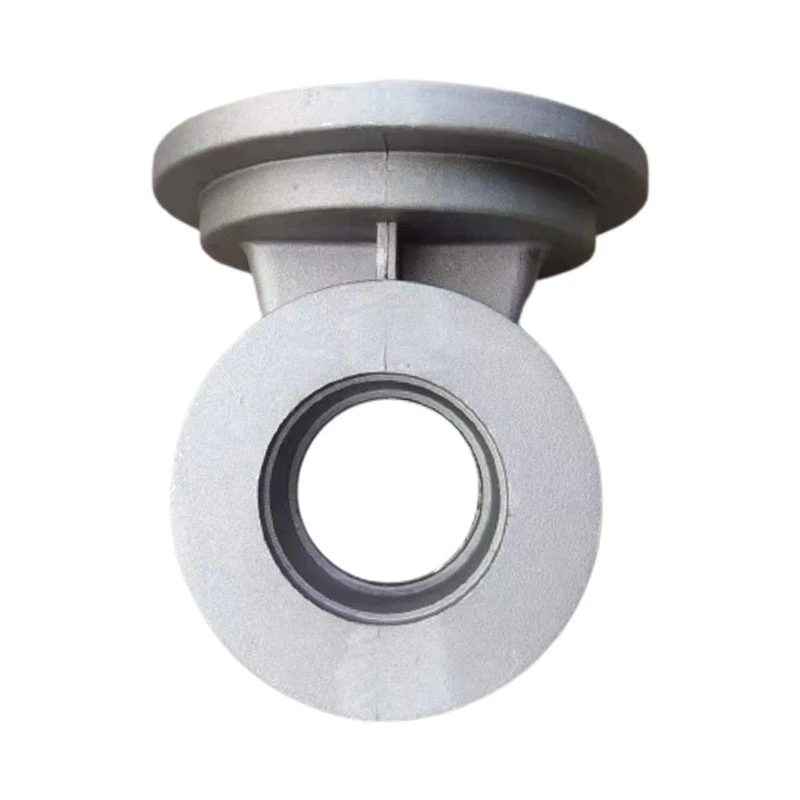
At its core, a ci globe valve is a type of valve characterized by a spherical body shape (hence “globe”) made of cast iron. The valve’s internal mechanism controls flow by moving a disk or plug against a seat, allowing users to precisely regulate how much fluid (liquid or gas) passes through. It’s straightforward yet elegant engineering: you turn a handwheel or actuator, moving the valve stem up or down, opening or closing the valve incrementally. Cast iron provides rigidity, good thermal stability, and resistance to rust, making these valves practical for many industrial fluids — from water and steam to oil or chemicals. This valve type is a cornerstone in water treatment plants, heating systems, and even food processing factories. It enables modern industry to balance pressure, flow, and safety, right when it counts. Mini takeaway: Put simply, a ci globe valve is a rugged, reliable gatekeeper, precisely moderating industrial fluid flow through a cast iron globe-shaped body.Key Features of ci Globe Valves
1. Durability and Strength
Cast iron’s natural robustness means these valves often last decades, especially in non-extreme environments. Many engineers appreciate how the CI body withstands external impacts and wear, offering longevity without pricey maintenance.2. Precise Flow Control
Globe valves, especially with their distinctive plug-and-seat design, excel in varying flow control. This contrasts with gate valves, which are more “on/off.” For applications requiring sensitive throttling—like chemical dosing or steam pressure balancing—a ci globe valve shines.3. Cost-Effectiveness
Compared to stainless steel or specialty alloys, cast iron is relatively low-cost and widely available. For large-scale installations or municipal projects where budget constraints matter, choosing a ci globe valve can be a practical balancing act.4. Moderate Temperature and Pressure Handling
Generally rated for up to 235°C (about 455°F) and standard industrial pressures, ci globe valves suit many pipelines but might require upgrades when facing very high-temperature steam or corrosive fluids.5. Ease of Maintenance
Valve internals and seats are often replaceable, reducing downtime and operational costs. With a bit of routine care, these valves keep pumping years past their conventional lifespan. Mini takeaway: If you need a valve that's built to last, budget-friendly, and offers fine control over flow, ci globe valves fit most industrial briefs—within certain operational limits.| Parameter | Value | Notes |
|---|---|---|
| Material | Cast Iron (CI), ASTM A126 Grade B | Common industrial grade |
| Pressure Rating | PN16 to PN40 (16–40 bar) | Varies by model |
| Temperature Range | Up to 235°C (455°F) | Limits for cast iron |
| Connection Types | Flanged, Threaded | Based on pipe standards |
| Flow Coefficient (Cv) | Varies (roughly 20-200) | Depends on size and design |
Real-World Uses of ci Globe Valves Around the World
The breadth of ci globe valve applications is wide but essential: - Municipal water systems: Cities like Mumbai and São Paulo rely on these valves to regulate water flow in treatment and distribution, addressing both scarcity and pressure needs. - Power plants: Thermal and nuclear plants worldwide use them to control steam lines safely. - Oil and gas: Though cast iron may not suit all pipelines, many refinery feed lines benefit from combined cost and flow-control features. - Disaster relief infrastructure: NGOs working in remote or underdeveloped areas, fighting challenges like water contamination, often install ci globe valves for granular water flow control — tough enough for harsh conditions yet easy to maintain. - Industrial plants: Chemical processing, food and beverage, and HVAC systems frequently match ci globe valve function with process needs, balancing cost and precision. To put it bluntly, wherever fluid flow matters a lot—pressure, safety, or dosing—the humble ci globe valve likely plays a role. ci globe valve Mini takeaway: The ci globe valve’s versatility has made it a backbone element in critical infrastructure from megacities to disaster zones, impacting lives pragmatically and immediately.Advantages and Long-Term Value of Using ci Globe Valves
- Cost Savings: Initial affordability combined with longevity reduces repeat spending. - Environmental Sustainability: Longer lifespan and cast iron’s recyclable nature lessen environmental impacts. - Reliability: Cast iron’s stable physical properties mean fewer failures under normal conditions. - Safety: Precise flow control helps avoid accidents due to sudden pressure changes. - Trust and Innovation: Proven technology frequently updated with actuator automation, ensuring contemporary relevance. Emotionally, it feels good knowing the valve keeping cities’ water running or hazardous fluids controlled won’t easily fail—offering peace of mind for operators and communities alike.Looking Ahead: Trends and Innovations for ci Globe Valves
Though the ci globe valve design has been around for decades, several exciting trends are shaping its future: - Smart IoT-enabled valves: Sensors integrated into valves provide real-time data on pressure, temperature, and wear, enabling predictive maintenance. - Eco-conscious materials: Research into composites and improved coatings promises to reduce weight and increase corrosion resistance further. - Automation: Remote actuators powered by solar or grid-connected systems simplify operations in off-grid zones. - Circular economy initiatives: Manufacturers focus on refurbishing old valves and facilitating easier parts replacement. These changes make ci globe valves not relics but adaptable tools for Industry 4.0 and green infrastructure.Challenges and Emerging Solutions for ci Globe Valves
No product is perfect — despite many strengths, cast iron globe valves face hurdles: - Brittleness at very low temperatures: Cast iron can crack if exposed to freezing conditions without proper insulation. - Corrosion risks with acidic fluids: Sometimes cast iron isn’t ideal without special linings or coatings. - Weight: Heavier than ductile iron or steel counterparts, posing installation challenges in large sizes. Experts suggest combining better material science with digital monitoring to anticipate failures well before they happen. Also, modular designs allow easier on-site maintenance and part swapping, which helps extend valve life in challenging environments.FAQ: Common Questions on ci Globe Valve
- What distinguishes a ci globe valve from other valves?
- A ci globe valve has a cast iron body shaped like a globe, primarily used for precise throttling of fluid flow, unlike gate valves which are mainly on/off. It’s robust and cost-effective for moderate temperature and pressure settings.
- Can ci globe valves handle corrosive chemicals?
- Generally no, unless fitted with special linings or coatings. Cast iron can corrode with acidic fluids, so stainless steel or alloy valves might be better for highly corrosive environments.
- How long can a ci globe valve typically last?
- With proper maintenance, these valves can last 20+ years in normal industrial use. Longevity depends on operating conditions, but the cast iron body is well-known for durability.
- Are ci globe valves suitable for automation?
- Yes, they can be fitted with electric or pneumatic actuators for remote control — a trend growing in smart infrastructure projects.
- Where can I buy reliable ci globe valves internationally?
- Trusted suppliers like ci globe valve vendor directories and certified industrial marketplaces are excellent places to start. Ensure compliance with local certifications and shipping terms.
Conclusion: The Quiet Power of ci Globe Valves and What’s Next
All said, the ci globe valve might not sound flashy, but it’s a linchpin for reliable industrial flow control around the world. Its combination of durability, precision, and affordability enables safe and efficient management in water systems, power plants, manufacturing, and beyond. As digital tech and sustainable materials evolve, the ci globe valve retains its relevance while promising smarter, greener, and easier management ahead. So the next time you see a valve tag or specs sheet, remember — this humble cast iron component shapes global infrastructure in ways most of us never notice but deeply depend on. For up-to-date supplies and expert advice, be sure to visit our website: https://www.hairunsourcing.com| Feature | Supplier A | Supplier B | Supplier C |
|---|---|---|---|
| Material Grade | ASTM A126 B | GB/T 12235 | EN 1561 |
| Pressure Rating | PN16 - PN40 | PN25 - PN40 | PN10 - PN25 |
| Customization Options | Available | Limited | Available |
| Delivery Time | 4-6 weeks | 6-8 weeks | 3-5 weeks |
| Standard Certifications | ISO 9001, CE | ISO 14001 | ISO 9001, API |
| Price Range (USD) | $100 - $500 | $120 - $550 | $90 - $480 |
References:
1. International Organization for Standardization (ISO)
2. World Bank Water Management Reports
3. Wikipedia: Globe Valve
Latest news
-
Comprehensive Guide to Automotive Die Casting for Enhanced Vehicle PerformanceNewsJan.27,2026
-
Comprehensive Guide to Aluminum Pressure Die Casting Manufacturing ProcessesNewsJan.27,2026
-
Hot Chamber Die Casting vs Cold Chamber Die Casting ExplainedNewsJan.06,2026
-
Hot Chamber And Cold Chamber Die Casting Solutions for Industrial Applications | Hairun SourcingNewsJan.06,2026
-
Hot and Cold Chamber Die Casting: Key Insights from Industry ExpertsNewsJan.06,2026
-
Comprehensive Guide on Graphite Die Casting for B2B Manufacturing | HairunSourcingNewsJan.05,2026