


Comprehensive Guide to A216 Steel: Properties, Applications, and Vendors
Understanding A216 Steel: Why It Matters in Modern Industry
In the vast world of metallurgy and industrial materials, a216 steel quietly powers countless components and infrastructures that keep our world running smoothly. Whether in heavy industry, pipelines, or pressure vessels, this particular grade of steel plays a pivotal role. But why should you care? Well, understanding a216 steel’s characteristics is not just a matter of technical jargon—it connects to global industries, engineering safety, and ultimately, the reliability of systems we all rely on daily.
Globally, demand for robust yet affordable steel materials has surged. According to the International Organization for Standardization, material standards that balance toughness, corrosion resistance, and weldability are critical. That’s where a216 steel fits in. It helps address the common challenge of building long-lasting infrastructure under extreme conditions, such as oil rigs off the coast of Brazil or chemical plants in the Middle East.
Mini takeaway: A216 steel stands as a crucial material enabling safe, durable equipment worldwide, linking global trade with engineering precision.
What Exactly Is A216 Steel?
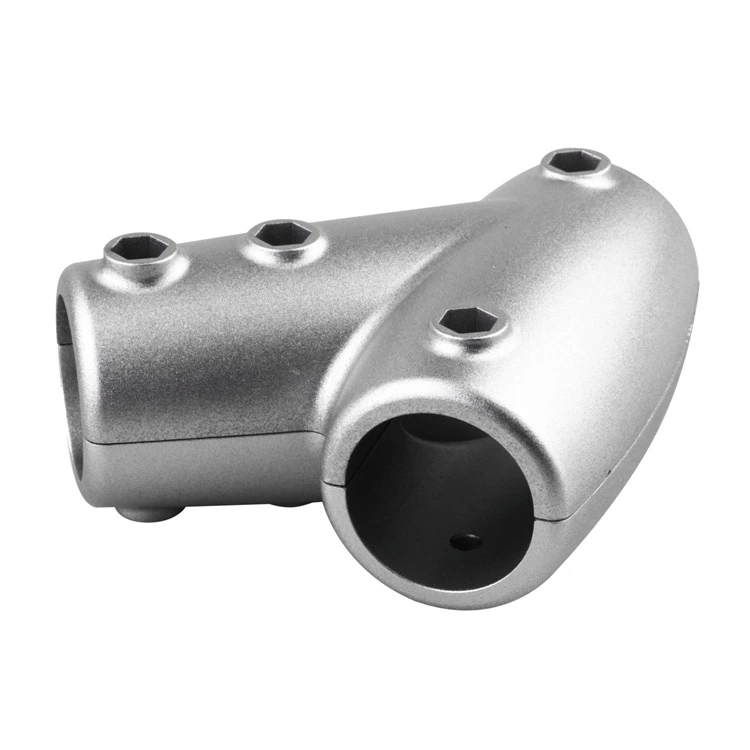
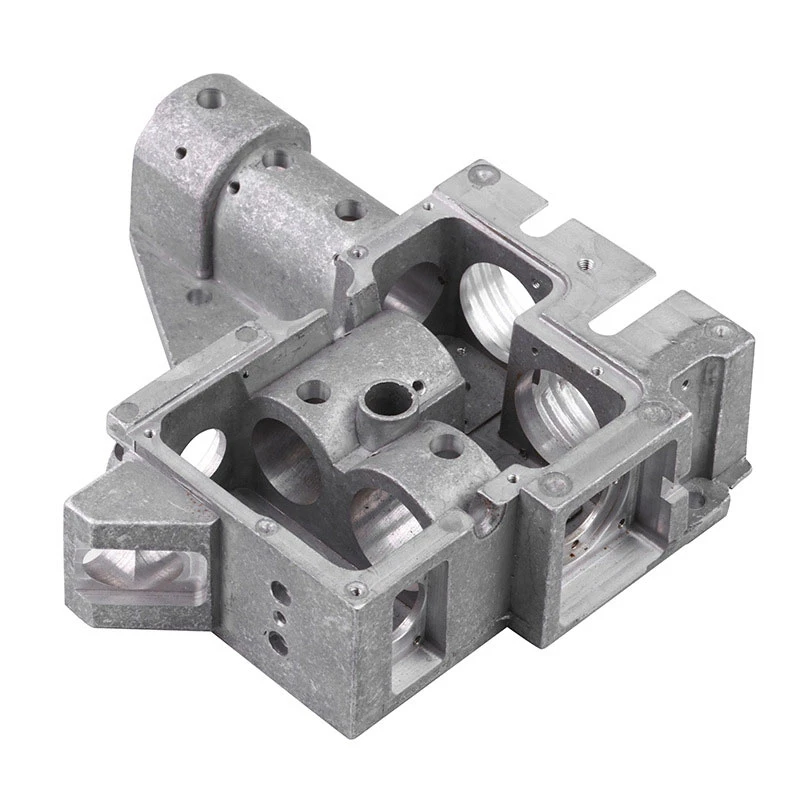
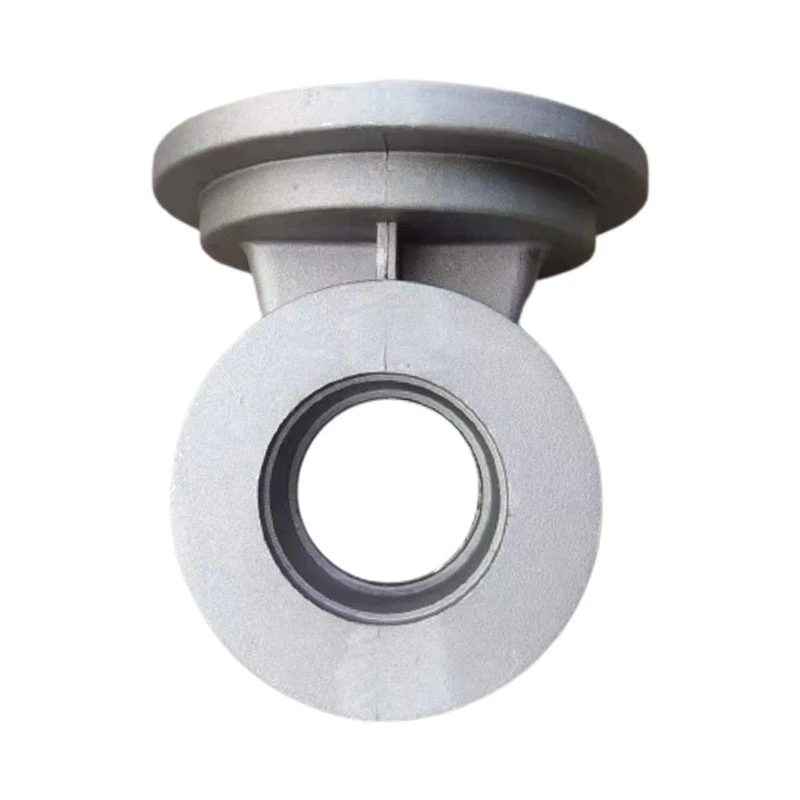
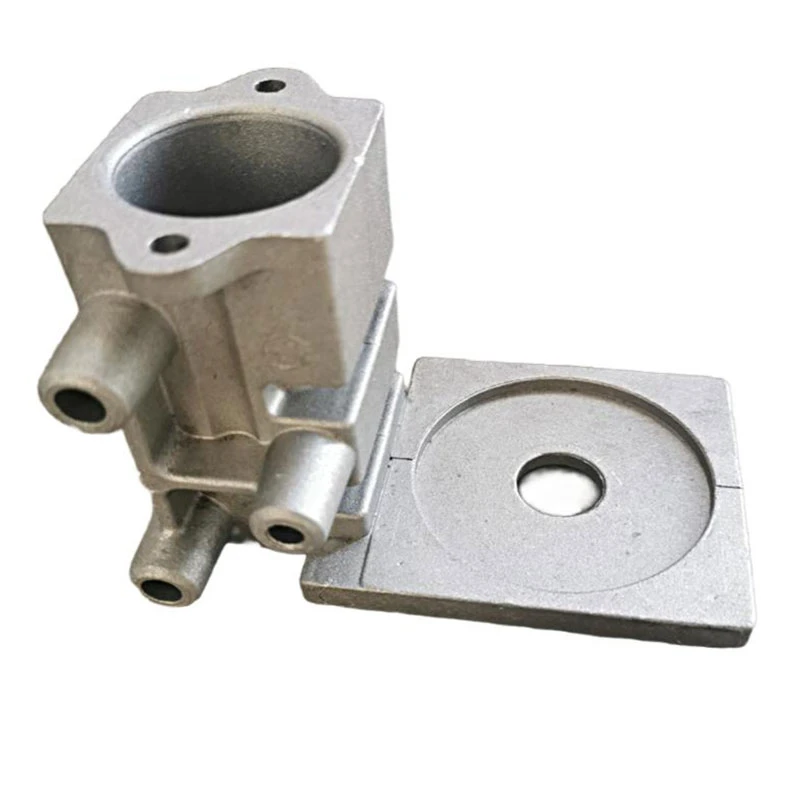
Put simply, a216 steel is a standardized grade of carbon steel castings primarily designed for pressure-containing parts like valves, flanges, and fittings used in high-temperature, high-pressure systems. It belongs to the ASTM A216 specification, which outlines various grades—including WCB, WC6, and others—tailored for different operational temperature ranges and mechanical properties.
Think of it as the industrial world’s go-to alloy when you need something tough but flexible enough to perform under pressure—literally. Its connection to modern industry is profound; sectors like power generation, oil & gas, and chemical processing wouldn’t operate safely without such materials. And from a humanitarian perspective, sturdy infrastructure—facilitated by materials like a216 steel—ensures essential services remain uninterrupted during crises.
Mini takeaway:
- A216 steel is a cast carbon steel suited for steam and pressure service.
- It’s fundamental to industrial safety and continuity.
Core Characteristics That Define A216 Steel
Durability and Heat Resistance
The steel’s composition ensures it withstands extremely high temperatures—roughly up to 650°C (1200°F) depending on the grade—without losing strength or cracking. This is vital in boiler components or heat exchangers where thermal cycling could cause lesser materials to fail prematurely.
Machinability and Weldability
Despite being tough, a216 steel is workable. Many engineers appreciate how it responds predictably to welding and machining processes, which often means lower production costs and fewer headaches in manufacturing plants.
Corrosion Resistance
While it’s not stainless steel, a216 grades often contain alloying elements like manganese, nickel, or chromium that improve resistance to oxidizing conditions and boiler water corrosion.
Cost Efficiency
Compared to specialized alloys, a216 steel remains budget-friendly, making it a popular choice for large-scale infrastructure projects and industries focused on balancing cost and performance.
| Property | Characteristic |
|---|---|
| Temperature Range | Up to ~650°C (1200°F, depends on grade) |
| Tensile Strength | Minimum 485 MPa (varies by grade) |
| Material Type | Carbon Steel Castings |
| Common Grades | WCB, WC1, WC6, WC9 |
| Typical Applications | Valves, flanges, fittings, pressure vessels |
Quick summary:
A216 steel combines strength, thermal resilience, and cost balance, making it a versatile choice for tough industrial applications.
How A216 Steel Serves the World: Real-World Examples
Across the globe, industries lean on a216 steel for critical components. Here are a few clear cut use cases:
- Energy Sector: Power plants in Europe often rely on WCB-grade a216 steel for their pressure valves and boilers, due to its excellent heat and pressure endurance.
- Oil & Gas: In the Middle East, the petrochemical industry uses these steels extensively for pipelines and fittings that must resist corrosive fluids.
- Maritime: Shipbuilding in Asia often incorporates cast a216 steel components because of their toughness in saltwater environments.
- Post-Disaster Reconstruction: NGOs working in remote industrial zones adopt products made from a216 steel because of its durability and availability, which helps rebuild water and energy infrastructure efficiently.
That last point feels particularly important. When systems collapse, a216 steel components help ensure quicker restoration of vital services — and that’s a powerful argument for why these technical specs matter beyond engineering specs.
Mini takeaway:
The versatility of a216 steel means it plays a vital role everywhere from energy grids to disaster relief efforts.
The Advantages That Keep A216 Steel Relevant
Here’s what engineers and project leads appreciate most:
- Cost Efficiency: Its relative affordability vs. more exotic alloys means bigger projects stay in budget without compromising safety.
- Reliability: Proven resistance to heat and pressure reduces downtime and maintenance needs.
- Sustainability: Long life cycles mean less frequent replacement, an important factor in lowering industrial waste.
- Safety: Using tested materials like a216 steel means fewer catastrophic failures—crucial when human lives depend on it.
- Innovation Friendly: Can be welded and machined to specific needs, allowing for custom designs and advanced engineering upgrades.
Looking Ahead: Trends Shaping the Future of A216 Steel
Industrial materials evolve alongside manufacturing and environmental demands. For a216 steel, some emerging trends include:
- Green Manufacturing: Efforts to reduce carbon footprints mean mills producing a216 steel are increasingly adopting cleaner technologies.
- Advanced Coatings: Innovations in surface treatments that improve corrosion and wear resistance extend service life further.
- Digital Integration: Smart monitoring systems embedded in pressure vessels help detect failures before they happen, indirectly enhancing the material’s value.
- Additive Manufacturing: While still emerging, 3D printing of steel parts could impact how a216 steel components are customized and replaced.
Facing Challenges and Finding Solutions
Of course, no material is perfect. A216 steel can struggle with:
- Brittleness at Low Temperatures: Some grades may become brittle in very cold environments unless treated.
- Corrosion Under Extreme Conditions: Without protective coatings, it can corrode faster in highly acidic or saline environments.
- Weight: Being dense, it’s not ideal for every application—lighter composite materials sometimes win weight-critical uses.
However, modern engineering practices—like thermal treatments, alloy modifications, and protective finishes—often mitigate these issues, allowing a216 steel to remain frontline material.
FAQ: Quick Answers About A216 Steel
- What makes a216 steel suitable for pressure vessels?
- A216 steel’s chemical composition and heat treatment give it excellent tensile strength and thermal resistance, essential for containing high-pressure steam or fluids safely in vessels.
- How does a216 steel compare with stainless steel in corrosion resistance?
- While stainless steel generally offers superior corrosion resistance, a216 steel can be alloyed and coated to resist common industrial environments effectively, often at lower cost.
- Is a216 steel suitable for welding and machining?
- Yes, most grades of a216 are designed for ease of welding and machining, facilitating fabrication in complex industrial components.
- Where can I source reliable a216 steel castings internationally?
- You can find certified manufacturers across Asia, Europe, and North America, often validated through ASTM standards. For trusted suppliers, visit a216 steel vendor listings.
Conclusion: The Enduring Value of A216 Steel
To sum up: a216 steel remains a bedrock material for many demanding applications worldwide. Its blend of strength, heat endurance, and cost-effectiveness supports critical industries from energy to maritime to disaster recovery. I suppose in an ever-changing industrial world, it’s kind of comforting to know there’s still a steel grade so reliably fit for purpose.
If you’re in procurement or design, exploring advanced a216 steel-grade options could unlock both greater reliability and cost savings. Curious where to start? Visit our site at a216 steel to dive deeper and find tailored solutions.
| Vendor | Grade Range | Certifications | Global Reach | Customer Support |
|---|---|---|---|---|
| SteelWorks Inc. | WCB, WC6, WC9 | ISO 9001, ASTM Certified | Global - Europe, Americas, Asia | 24/7 Technical Assistance |
| GlobalSteel Ltd. | WCB, WC1 | API Spec Q1, CE Mark | Europe, Middle East | Multilingual Service |
| Eastern Metallurgy Co. | WC6, WC9 | ASTM A216, ISO 14001 | Asia-Pacific Focus | On-Site Consultations |
References:
1. ASTM International. ASTM A216 Standard Specification for Steel Castings.
2. ISO 9001 Quality Management Standards. ISO.org
3. Wikipedia: Carbon Steel
-
Comprehensive Guide to Automotive Die Casting for Enhanced Vehicle PerformanceNewsJan.27,2026
-
Comprehensive Guide to Aluminum Pressure Die Casting Manufacturing ProcessesNewsJan.27,2026
-
Hot Chamber Die Casting vs Cold Chamber Die Casting ExplainedNewsJan.06,2026
-
Hot Chamber And Cold Chamber Die Casting Solutions for Industrial Applications | Hairun SourcingNewsJan.06,2026
-
Hot and Cold Chamber Die Casting: Key Insights from Industry ExpertsNewsJan.06,2026
-
Comprehensive Guide on Graphite Die Casting for B2B Manufacturing | HairunSourcingNewsJan.05,2026