


Comprehensive Guide to ASTM a217 c12 Steel Castings: Specs, Uses & Vendors
What Exactly Is a217 c12, and Why Should You Care?
Okay, so maybe a217 c12 sounds like some obscure industrial code at first. But, honestly, it’s far more interesting and impactful than the name suggests. Globally, it’s a specification standard that governs the production and testing of steel castings used especially in high-stress industrial applications like pressure vessels and infrastructure. Think of it as the silent backbone ensuring millions of machines, pipelines, and power plants keep humming safely around the world.
Understanding a217 c12 isn’t just an exercise in technical jargon. It actually pulls together engineering best practices and safety regulations into something usable—helping industries like oil and gas, nuclear, and chemical processing avoid catastrophic failures. So whether you’re a project manager sourcing castings or an engineer poring over specs, this knowledge will help steer smart decisions.
The Global Context: Why a217 c12 Matters in Industry
To set the stage, the World Steel Association reports over 1.8 billion metric tons of steel produced yearly, with a significant chunk tailored into castings for industrial use. The a217 c12 standards specifically regulate carbon and alloy steel castings to ensure materials can sustain extreme pressure and temperature conditions.
One real-world challenge it addresses is the safety of pressure vessels used in energy sectors, where failures could lead to environmental disasters or loss of life. For example, in nuclear power plants or offshore drilling, steel castings under a217 c12 standards get rigorously tested to avoid cracks or corrosion issues.
Global Snapshot
- The ISO and ASTM bodies often reference similar specs, making a217 c12 a cornerstone for international trade.
- Regions heavily industrialized—like North America, Europe, and parts of Asia—depend on these standards to align their manufacturing and supply chains.
- With climate change pushing for safer energy infrastructure, regulations around steel casting quality only grow stricter.
Defining a217 c12 in Simple Terms
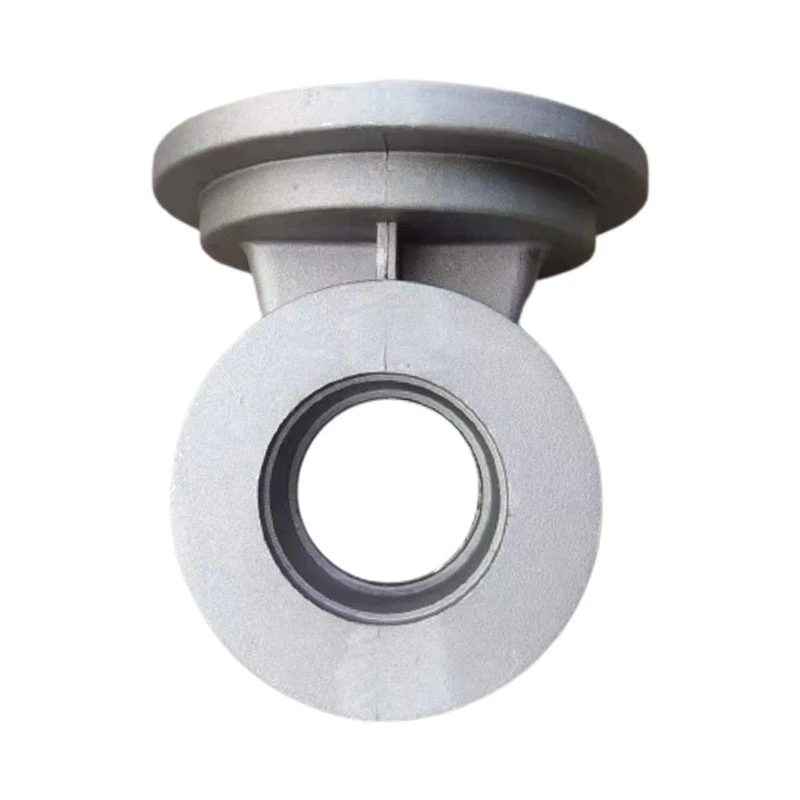
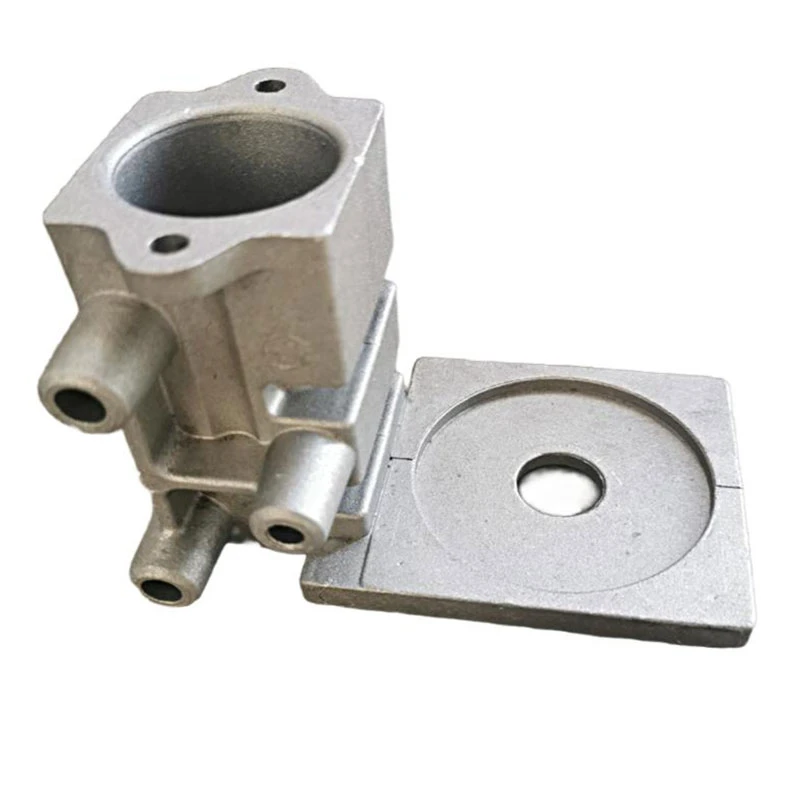
At its core, a217 c12 is a specification published by ASTM International that details requirements for carbon and alloy steel castings – intended primarily for use in pressure-containing parts, such as valves, pump bodies, and pressure vessels.
In everyday terms: it’s a quality assurance rulebook ensuring every piece of steel casting meets certain chemical compositions and mechanical properties to stand up to heat, pressure, and wear.
Industries using these castings depend on this standard because it prevents unexpected failures, which could be catastrophic or just plain costly.
Core Components of a217 c12: What Makes This Standard Tick?
1. Chemical Composition Controls
This portion of the spec ensures that the steel castings have the right balance of elements—carbon, manganese, silicon, and a few alloys. Too much carbon, for example, means brittleness, while too little may cause issues with strength.
2. Mechanical Properties
Engineers look at tensile strength, yield strength, and impact resistance that the casting must achieve after testing. This ensures the part won’t crack or fail when they’re under crushing pressures.
3. Heat Treatment Guidelines
After casting, steel parts often go through heat treatment cycles defined by a217 c12. This process optimizes internal structures to enhance durability and stress resistance.
4. Rigorous Testing
Castings are subjected to nondestructive and destructive testing methods—like ultrasonic inspections or hardness testing—to verify quality before they leave the foundry.
5. Dimensional and Surface Standards
Besides strength, the physical dimensions and surface conditions matter immensely for fitting into equipment properly and resisting corrosion or fatigue.
Applications Around the World: How a217 c12 Shapes Industries
The real-world footprint is vast. Here’s a quick tour:
- Energy Sector: Pressure vessel casings in nuclear reactors or oil refining plants rely on a217 c12 steel castings for safety and longevity.
- Chemical Processing: Valves and pump bodies made under this standard handle corrosive materials, ensuring plant uptime.
- Mining and Heavy Machinery: Parts that see high-impact loads and abrasion.
- Infrastructure: Specialty steel castings used in water treatment and power distribution grids.
For example, during post-disaster infrastructure repairs in Europe, suppliers adhering to a217 c12 ensured replacement parts met high safety benchmarks, getting critical systems back up quickly.
Specifications at a Glance: Key Details in a217 c12
| Property | Requirement / Range | Typical Application |
|---|---|---|
| Carbon Content (%) | 0.25 - 0.45 | Pressure vessel steel |
| Tensile Strength (MPa) | 485 min | High-pressure components |
| Impact Energy (J at -29°C) | 27 min (Charpy V-notch) | Low-temperature service castings |
| Heat Treatment | Normalizing + tempering | Enhanced toughness & ductility |
Advantages of Using a217 c12 Steel Castings
Tangibly, the benefits of following the a217 c12 standard go beyond just meeting specs:
- Reliability: Minimizes risk of catastrophic failure in high-pressure environments.
- Cost Efficiency: Reduces downtime and remanufacturing costs by ensuring longer-life parts.
- Safety & Trust: Provides engineers and operators peace of mind - which, frankly, is priceless.
- Sustainability: Durability means fewer replacements and lower material waste - a subtle but important eco-win.
From a human perspective, it’s about protecting lives, reducing environmental impact, and encouraging a culture of responsibility.
Vendor Comparison: Who Makes the Best a217 c12 Castings?
| Vendor | Lead Time | Price Range | Certifications | Testing Facilities |
|---|---|---|---|---|
| SteelCast Global | 6-8 weeks | $$$ | ISO 9001, ASTM A217 | Ultrasonic, Radiography |
| ForgeTech Industries | 4-6 weeks | $$ | ISO 14001, ASTM A217 | Magnetic Particle, Hardness Testing |
| CastRight Solutions | 8-10 weeks | $$$ | ISO 9001, API 6A | Hydrostatic, Ultrasonic |
What Does the Future Hold for a217 c12 Steel Castings?
Innovation here isn’t just about stronger steel; it’s also about smarter manufacture. Digital simulations now predict casting behavior, cutting waste by avoiding trial-and-error. Green manufacturing techniques aim to reduce CO2 footprint in foundries too.
There’s growing interest in advanced alloys and nano-structured treatments that could extend lifetime and performance even further. I suppose the challenge is marrying traditional practices – like heat treatment – with 21st-century automation and sustainability.
One can’t help but imagine these standards evolving alongside Industry 4.0, connecting quality control data streams in real time – a fascinating frontier.
Challenges in Implementing a217 c12 & How Industry Solves Them
As with many standards, variability in supply chain quality or testing consistency can trip up projects. Some castings still fail prematurely due to improper heat treatment or overlooked impurities.
Experts emphasize building stronger collaboration between foundries, end-users, and certifying bodies. Using AI-based defect detection and remote monitoring promises earlier fault identification.
Overall, learning from failures and continuously updating specs ensure that a217 c12 keeps pace with industrial needs.
FAQ: Your Burning Questions on a217 c12 Answered
- Q1: Why is a217 c12 preferred over other steel casting standards?
- A217 c12 specifically targets castings used under high-pressure and temperature, with stringent chemical and mechanical requirements. It’s widely recognized internationally, making it a safe choice with proven reliability in demanding industries.
- Q2: Can a217 c12 castings be customized for unique project needs?
- Yes, foundries often work within the a217 c12 framework while adapting heat treatments or dimensional specs to suit project specifics, provided all key properties remain compliant.
- Q3: How long can components made to a217 c12 last in harsh environments?
- With proper maintenance, castings adhering to this standard can last decades — often 20+ years — especially if corrosion controls and inspections are regularly performed.
- Q4: Are a217 c12 steel castings environmentally sustainable?
- While steel production is energy-intensive, the durability emphasized in a217 c12 reduces frequent replacements, lowering lifecycle impacts. Plus, many producers now integrate greener foundry processes.
- Q5: How easy is it to source a217 c12 castings internationally?
- Thanks to its global recognition, many manufacturers export components worldwide. NGOs and industrial firms usually consult suppliers with solid certifications and proven testing compliance to ensure smooth import/export.
Wrapping It Up: Why a217 c12 Remains a Game-Changer
So, in real terms, embracing a217 c12 means leaning on a standard that’s been battle-tested and polished to align safety, quality, and efficiency in steel castings. It’s one of those quiet, behind-the-scenes heroes keeping key industries stable, safe, and moving forward—a reassuring constant in a fast-changing world.
If you want to find reliable partners or deepen your technical insight, a217 c12 resources there provide great starting points to get connected. And trust me, once you get familiar with the ins and outs, it feels like unlocking a secret key to industrial resilience.
References & Further Reading
-
Comprehensive Guide to Automotive Die Casting for Enhanced Vehicle PerformanceNewsJan.27,2026
-
Comprehensive Guide to Aluminum Pressure Die Casting Manufacturing ProcessesNewsJan.27,2026
-
Hot Chamber Die Casting vs Cold Chamber Die Casting ExplainedNewsJan.06,2026
-
Hot Chamber And Cold Chamber Die Casting Solutions for Industrial Applications | Hairun SourcingNewsJan.06,2026
-
Hot and Cold Chamber Die Casting: Key Insights from Industry ExpertsNewsJan.06,2026
-
Comprehensive Guide on Graphite Die Casting for B2B Manufacturing | HairunSourcingNewsJan.05,2026