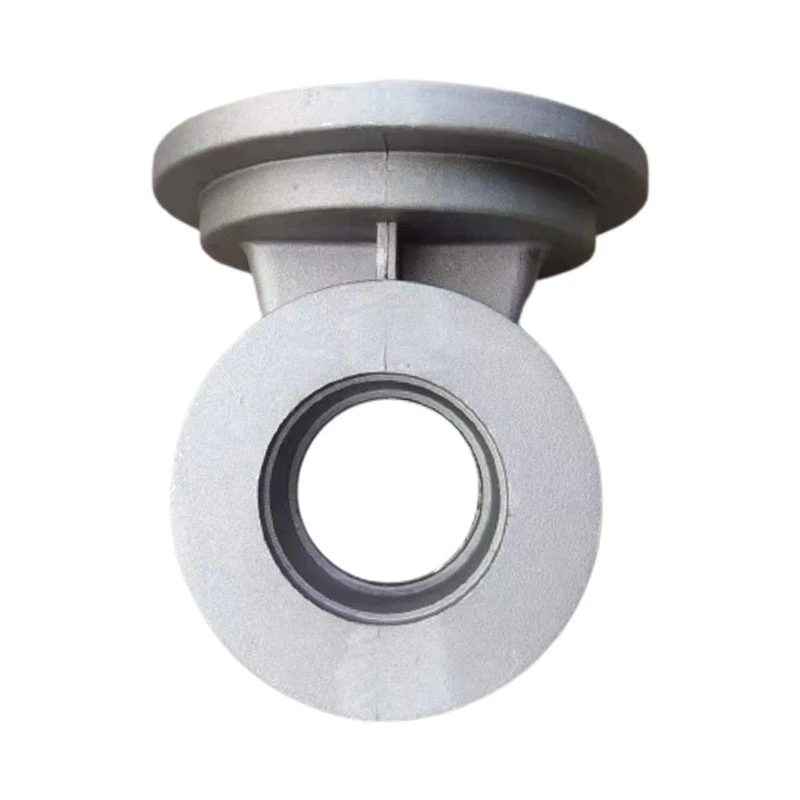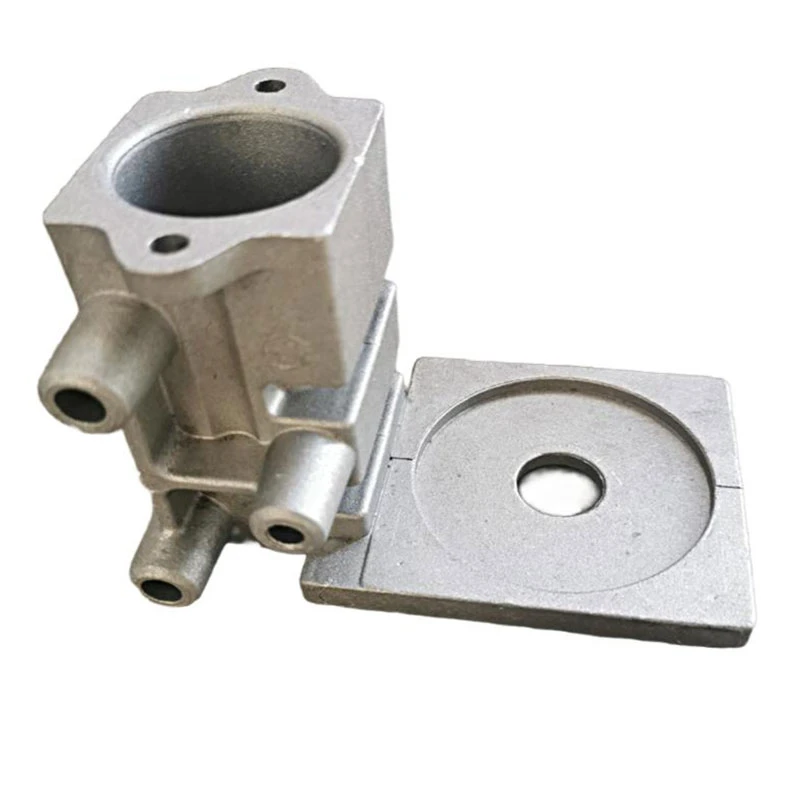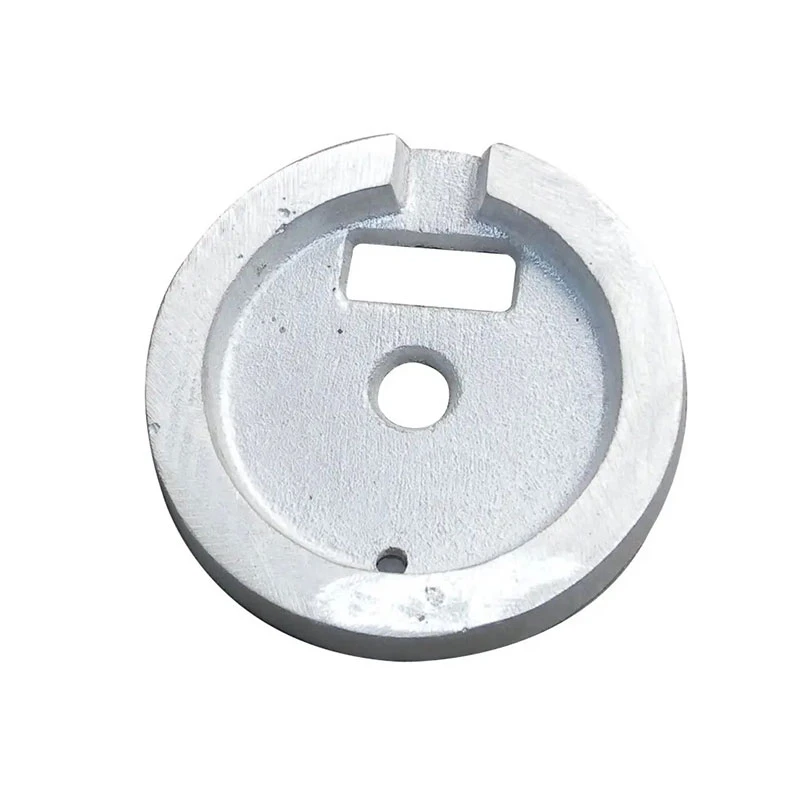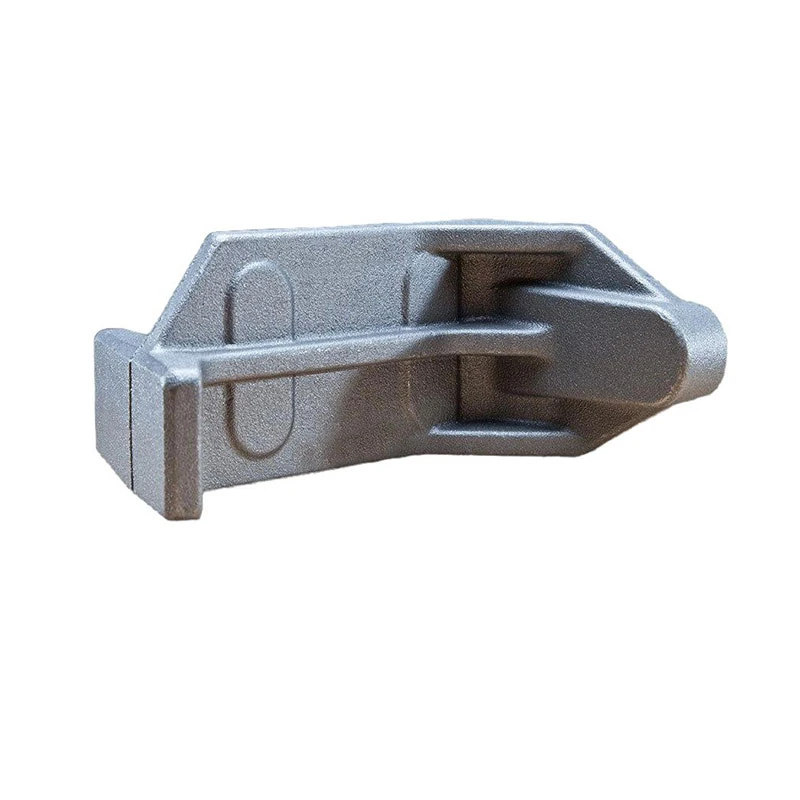



Comprehensive Guide to A217 C12A Steel – Specifications, Uses, and Suppliers
Understanding A217 C12A: What It Is and Why It Matters Globally
If you haven’t come across the term a217 c12a recently, you might be wondering what all the buzz is about. In essence, a217 c12a points to a specialized grade of steel that’s become quite crucial in critical applications worldwide. Why? Because it balances durability with strength in ways that industries from oil and gas to construction increasingly demand.
Globally, the need for reliable materials that can withstand extreme conditions is not just technical jargon — it’s a foundation for safety and economic stability. As climate events grow severe and industries push into harsher environments, understanding a217 c12a and its benefits isn’t merely academic but profoundly practical.
Mini takeaway: a217 c12a steel grades offer resilience where failure isn’t an option, underpinning infrastructure and safety standards worldwide.
The Global Relevance of A217 C12A Steel in Industry
According to recent data from the International Organization for Standardization (ISO) and energy sector reports, steel grades like a217 c12a have a giant footprint in heavy industry and construction. The a217 c12a variant particularly addresses challenges in high-temperature and high-pressure environments, especially in power plants and refineries.
Data from the World Bank suggests industries reliant on a217 c12a components contribute billions annually to GDPs from the Gulf to Southeast Asia. Yet, not all steel grades hold up under intense stress, and failures can be catastrophic, both financially and in human terms.
So, it’s not just about having steel—it’s about having the right steel. a217 c12a fills a niche that few others can—melding toughness with machinability and corrosion resistance.
Mini takeaway: a217 c12a steel is a key player in global heavy industries, helping solve complex engineering challenges.
Defining A217 C12A: What Makes This Steel Unique?
Simply put, a217 c12a refers to an ASTM (American Society for Testing and Materials) standard cast steel grade, primarily designed for pressure vessels operating at high temperatures. It’s a chromium-molybdenum alloy, which gives it enhanced strength and thermal resistance compared to plain carbon steels.
Its role extends from boiler components to valves and piping in the oil and energy sectors—essentially anywhere toughness and safety under thermal stress are non-negotiable.
Interestingly, its development ties closely with the evolution of industrial needs from the mid-20th century, when hotter, higher-pressure systems became common. The technology upgraded, and so did the steel.
Mini takeaway: a217 c12a is a high-performance cast alloy steel designed for critical pressure vessels and heavy-duty industrial use.
Core Components That Define A217 C12A’s Performance
Durability Under Thermal Stress
a217 c12a contains chromium and molybdenum, which help it resist crack formation at elevated temperatures often exceeding 427°C (800°F). This durability means it’s less likely to fail in power plants or refineries that routinely handle superheated steam or corrosive fluids.
Machinability and Fabrication
While many high-strength steels can be tough to shape, this grade strikes a decent balance—allowing foundries and fabricators to work with it more easily compared to other alloys with similar toughness.
Corrosion Resistance
Thanks to its chemical makeup, a217 c12a resists oxidation and corrosion better than standard carbon steels, making it ideal for long-term use in harsh environments.
Cost Efficiency
Though pricier than traditional steels, its longevity and reliability lower long-term maintenance and replacement costs. Many engineers I’ve spoken with swear by the "value over time" that this material provides.
Standards Compliance
ASTM specifications regulate all dimensions, mechanical properties, and quality assurance, ensuring every batch of a217 c12a meets rigorous industrial needs.
| Property | Typical Value | Unit |
|---|---|---|
| Tensile Strength | 415-620 | MPa |
| Yield Strength | 205 | MPa |
| Hardness (Brinell) | HB | |
| Max Service Temperature | 550 | °C |
| Chromium Content | 1.00 - 1.50 | % |
Mini takeaway: The alloy formula and properties of a217 c12a uniquely position it for harsh thermal and pressure settings.
Real-World Applications of A217 C12A Steel Worldwide
In practical usage, a217 c12a steel elements are everywhere—if you know where to look. Power generation plants, especially coal and gas-fired plants in Europe and Asia, use these steels extensively in pressure vessels and steam boilers.
Oil refineries in the Middle East also rely on a217 c12a in valve bodies and piping systems that handle hot hydrocarbons. In fact, some organizations working in extreme climates (like Arctic offshore rigs) prefer this grade because it maintains mechanical integrity where others fail.
Humanitarian or emergency infrastructure projects also utilize components made from a217 c12a when durability and safety are non-negotiable — like mobile power units or quick deploy heating systems for cold regions.
Mini takeaway: It’s a global player, serving industries from oilfields in Saudi Arabia to power plants in Germany and even in remote humanitarian operations.
Advantages and Long-Term Value of Using A217 C12A Steel
- Cost-effectiveness: Lower maintenance cycles mean less downtime and fewer replacements.
- Sustainability: With longer life spans, fewer resources are spent on production over time — an environmental plus.
- Safety: The high reliability directly translates to safer operations, protecting lives and assets.
- Innovation potential: Its metallurgical properties encourage design improvements and more efficient equipment.
Frankly, engineers often describe a217 c12a as “a dependable workhorse” that gives peace of mind in risky operations. That trust factor alone can make a huge difference when billions of dollars and human lives depend on stable infrastructure.
Emerging Trends: What’s Next for A217 C12A and Related Alloys?
As industries push more aggressively toward sustainability, there is a growing interest in enhancing the a217 c12a steel family with nano-scale coatings and better heat-treatment techniques. Digital monitoring combined with smart manufacturing processes is making it easier to certify and deploy these steels in even more demanding environments.
Also, automation in steel casting and real-time quality control are paving the way for more consistent and tailored products—sort of sharpening the edge of what a217 c12a can do.
Green energy tech, like concentrated solar power plants, might also tap similar alloys for heat exchangers and containment vessels, expanding the market beyond traditional oil and power plants.
Challenges and Solutions When Working with A217 C12A
While it’s impressive steel, the main issues include:
- Cost upfront: It’s not the cheapest grade out there, which can deter smaller projects.
- Fabrication skill demands: Requires experienced welders and controlled processes.
- Supply chain limitations: Not all foundries produce this grade, causing delays sometimes.
Proactive solutions involve establishing stronger vendor partnerships, continuous training, and exploring alternative alloys with similar properties but lower costs. You can see how industrial clusters in Asia are actively investing in these improvements.
| Vendor | Lead Time | Quality Certifications | Price Range (USD/ton) | Global Reach |
|---|---|---|---|---|
| SteelPro Inc. | 4-6 weeks | ISO 9001, API 6A | $2,200 - 2,500 | Americas, Asia |
| GlobalMetal Ltd. | 3-5 weeks | ISO 9001, PED | $2,150 - 2,400 | Europe, Middle East |
| Eastern Steel Works | 6-8 weeks | ISO 9001, API 6D | $2,300 - 2,600 | Asia, Australia |
FAQ: Practical Questions About A217 C12A Steel
Q1: What makes a217 c12a better than other steel grades for pressure vessels?
A1: Its combination of chromium-molybdenum alloying enhances resistance to heat and pressure, reducing cracking risk and extending service life compared to ordinary carbon steels. This makes it preferred in high-temperature environments like boilers.
Q2: How long does a217 c12a usually last in harsh operational settings?
A2: With proper maintenance, components made from a217 c12a can last 20–30 years or more, depending on operating conditions and load cycles. Its durability significantly exceeds many standard alloys in similar applications.
Q3: Is a217 c12a steel eco-friendly?
A3: While steel production has an environmental footprint, a217 c12a’s long lifespan and resistance to corrosion mean fewer replacements, reducing overall resource consumption and waste. Advances in recycling also help its eco profile.
Q4: How can businesses source a217 c12a internationally without delays?
A4: Establishing relationships with certified suppliers familiar with ASTM standards and ensuring clear communication about specifications and lead times is key. Companies like a217 c12a specialists often provide tailored logistics solutions.
Conclusion: Why A217 C12A Is a Sound Choice for the Future
All things considered, a217 c12a steel stands as a robust choice for engineers and planners needing dependable, enduring materials for pressure vessel and high-temperature uses. It represents a blend of old-school reliability with modern metallurgical innovation.
If your next project demands dependable materials that won’t let you down under pressure, exploring a217 c12a is definitely worth your while. For more details and trusted suppliers, a quick visit can’t hurt: https://www.hairunsourcing.com.
Mini takeaway: a217 c12a is not just steel—it’s peace of mind in critical industrial environments.
References
-
Comprehensive Guide to Automotive Die Casting for Enhanced Vehicle PerformanceNewsJan.27,2026
-
Comprehensive Guide to Aluminum Pressure Die Casting Manufacturing ProcessesNewsJan.27,2026
-
Hot Chamber Die Casting vs Cold Chamber Die Casting ExplainedNewsJan.06,2026
-
Hot Chamber And Cold Chamber Die Casting Solutions for Industrial Applications | Hairun SourcingNewsJan.06,2026
-
Hot and Cold Chamber Die Casting: Key Insights from Industry ExpertsNewsJan.06,2026
-
Comprehensive Guide on Graphite Die Casting for B2B Manufacturing | HairunSourcingNewsJan.05,2026