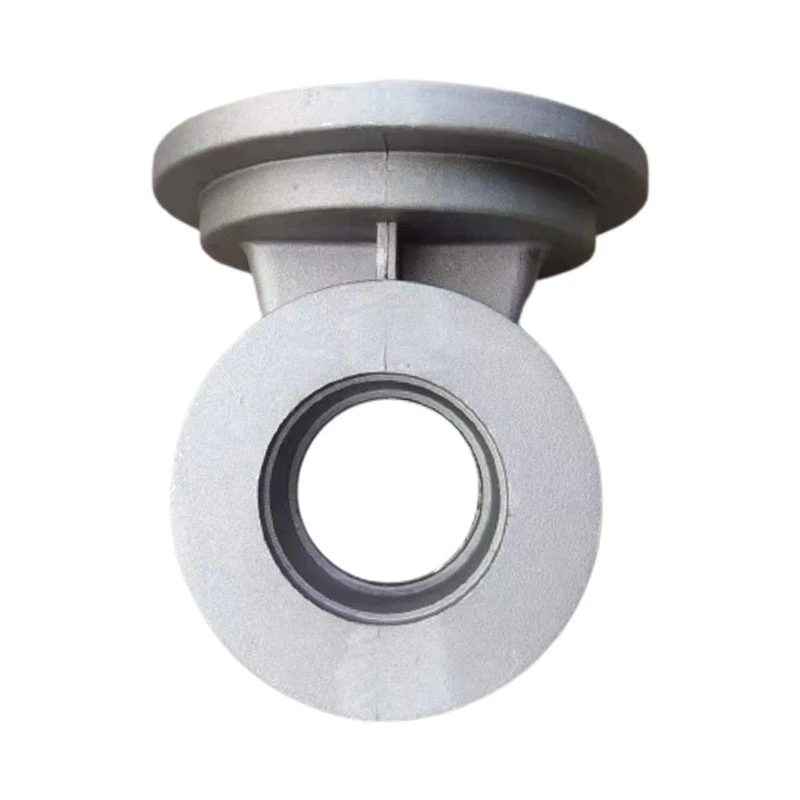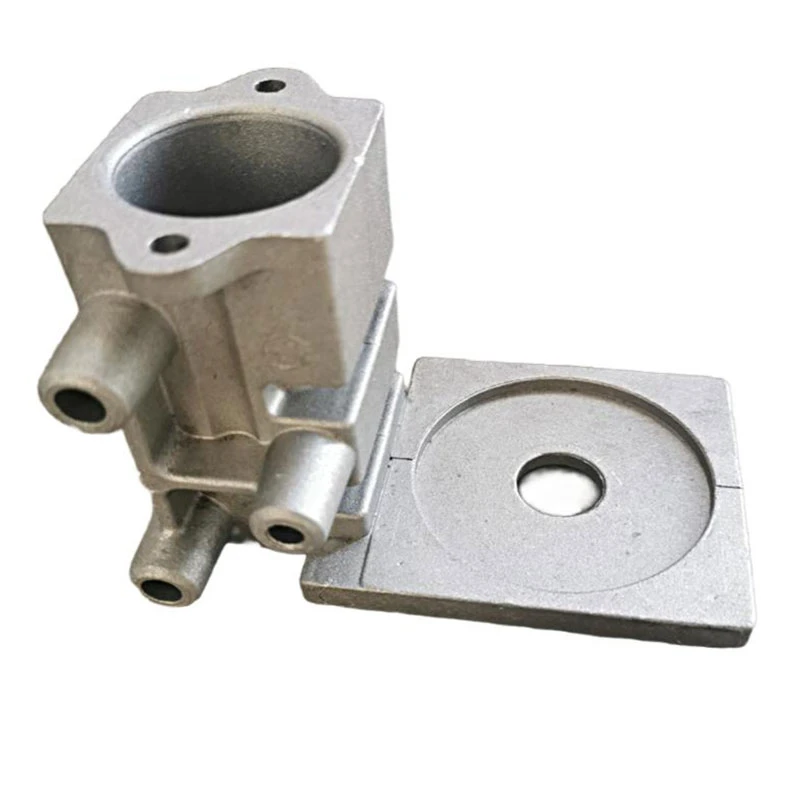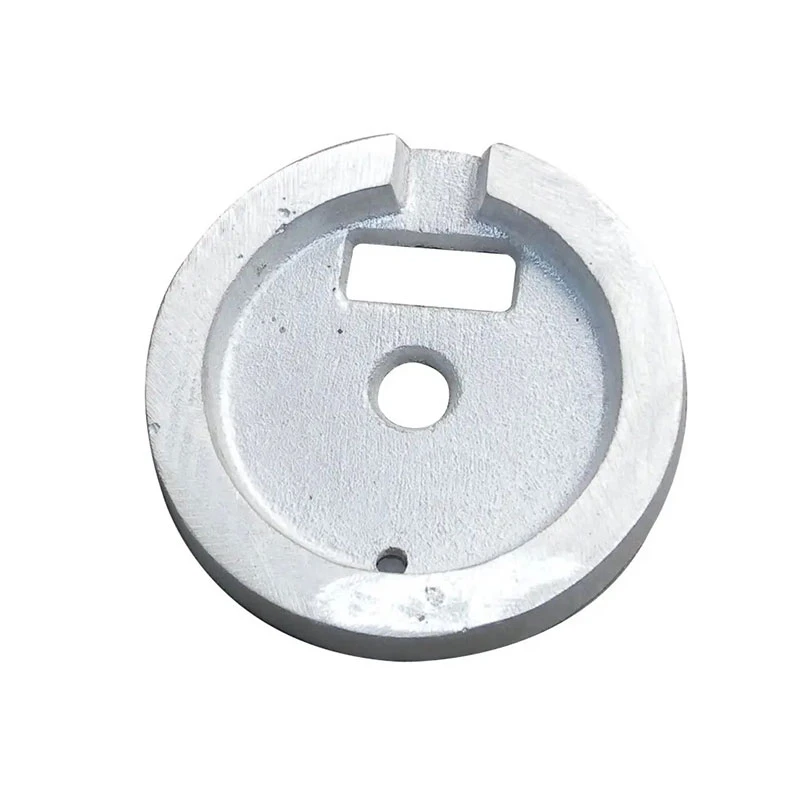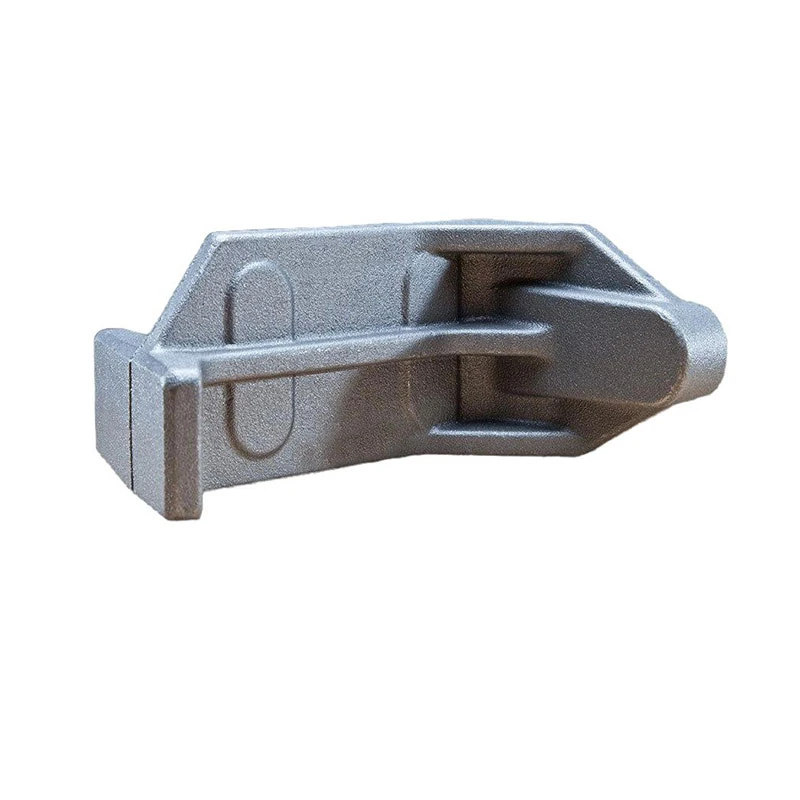



Comprehensive Guide to A217 C5 Steel Castings for Industrial Use
Understanding A217 C5: Why It Matters Worldwide
If you’ve ever worked with pressure vessels or heavy industrial piping, chances are you’ve come across the term a217 c5. Though it sounds like a cryptic code, it’s actually one of the unsung heroes in materials engineering — representing a specific grade of cast steel widely used in critical applications around the globe. Recognizing what a217 c5 is, and why it’s so valued, can make a real difference whether you’re in manufacturing, oil & gas, or even humanitarian infrastructure. The core benefits? Robustness, reliability, and endurance under tough conditions, which are essential as industries push toward safer and more sustainable operations worldwide.
So, why dig into this seemingly technical specification? For starters, the global industrial landscape relies heavily on components that won’t fail in high-pressure or high-temperature settings. And understanding the properties and applications of a217 c5 helps engineers, procurement specialists, and project managers make smarter choices — saving costs, reducing downtime, and improving overall safety.
The Bigger Picture: Global Importance of A217 C5
Industries worldwide, especially in emerging markets, face growing demands for materials that balance performance with cost-effectiveness. According to the International Organization for Standardization (ISO), there’s a clear trend toward standardized, reliable cast steel materials to support infrastructural growth and industrial sustainability.
And here’s a fact that often gets overlooked: the United Nations estimates that industrial-related accidents drop significantly with improved material standards. That is directly tied to materials like a217 c5 making pressure vessels and components safer under extreme conditions.
However, challenges like supply chain disruptions, rising raw material costs, and tighter environmental regulations put pressure on manufacturers to select only the most suitable steel grades. This is where the focused qualities of a217 c5 come into play — it’s a kind of tried-and-true workhorse that addresses these concerns head-on.
Mini takeaway:
- A217 C5 is globally valued because it meets stringent safety and performance needs under tough industrial conditions.
- It supports safer, more sustainable infrastructure—which matters especially in developing regions and critical sectors like energy.
- The demand for materials like a217 c5 is likely to grow as industries seek greater resilience.
What Exactly Is A217 C5?
Simply put, A217 C5 refers to a grade of carbon steel casting defined in ASTM A217. This standard covers steel castings specifically designed for valves, flanges, fittings, and pressure-containing parts used in elevated temperature environments.
The “C5” designation notes particular chemical and mechanical properties, including a certain composition of chromium, molybdenum, and other alloying elements that provide strength, toughness, and corrosion resistance. Unlike general-purpose steels, a217 c5 steel is crafted to withstand demanding industrial conditions, such as those found in refineries, power plants, and chemical processing.
In humanitarian or industrial terms, this means components made from a217 c5 reliably perform in situations where failure would be catastrophic — like toxic chemical containment or gas transport. It’s a layer of security written in steel.
Mini takeaway:
- A217 C5 is a high-performance carbon steel casting grade for pressure vessels and components.
- It combines chemical alloying and heat treatments for superior strength and corrosion resistance.
- Common in industries where safety and thermal tolerance are paramount.
The Core Qualities that Make a217 c5 Stand Out
1. Durability & Strength
A217 C5 cast steel is engineered to maintain its mechanical properties under stress, high temperature, and pressure. Roughly speaking, it can resist stresses that would cause deformation in many common steels. Many engineers say it lasts longer because it doesn’t become brittle with age or temperature cycling.
2. Corrosion Resistance
The alloying elements, especially chromium and molybdenum, help protect the steel against oxidation and chemical attack — making it suitable for harsh environments including salty offshore platforms or acidic process fluids.
3. Heat Tolerance
Ideally suited for elevated temperatures up to around 600°C (1112°F), a217 c5 keeps its shape and strength where others would warp or weaken.
4. Fabrication Flexibility
Although cast steel might sound rigid, a217 c5 components can be produced in complex shapes to meet design needs with high dimensional stability—a key for fitting custom piping or valve assemblies.
Mini takeaway:
- A217 C5 balances strength, resistance, and heat tolerance.
- It’s designed to last in dynamic industrial environments.
Where Is A217 C5 Used Globally?
Sounds technical, but the applications of a217 c5 are surprisingly broad:
- Energy Industry: Power plants use A217 C5 castings in turbine valves and pressure containment components — places where failure is simply not an option.
- Oil & Gas Sector: Offshore and onshore rigs rely on these parts to handle high pressures and corrosive fluids. For example, North Sea platforms and Middle Eastern refineries often specify ASTM A217 C5 for critical equipment.
- Chemical Plants: High-temperature reactors and piping systems benefit from the durability of this steel grade.
- Disaster relief infrastructure: Some modular or temporary pressure systems in remote industrial zones align with a217 c5 standards to guarantee safety under unpredictable conditions.
A recent case study from a Middle Eastern supplier detailed how switching to a217 c5 valves reduced maintenance calls by about 35% over five years — saving thousands of dollars and a lot of headaches on site.
Mini takeaway:
- Many heavy industries depend on a217 c5 for safety and longevity.
- Its global footprint includes the harshest environments like offshore rigs and chemical refineries.
- Real-world data supports significant cost savings and risk mitigation.
A217 C5 Specification Table: Typical Material Properties
| Property | Typical Value | Units |
|---|---|---|
| Tensile Strength | 520 - 620 | MPa |
| Yield Strength | 250 - 310 | MPa |
| Elongation | 20 - 25 | % |
| Hardness (Brinell) | 160 - 190 | HB |
| Max Operating Temp | 600 | °C |
Vendor Comparison: Leading Suppliers of A217 C5 Products
| Supplier | Product Range | Lead Times | Certification | Typical Applications |
|---|---|---|---|---|
| SteelCast Inc. | Valves, Flanges, Fittings | 6-8 weeks | ASME, ISO 9001 | Power, Oil & Gas |
| GlobalMetalworks | Custom Castings, Pressure Vessels | 4-6 weeks | ISO, API 6A | Chemical, Energy |
| Oceanic Steel Corp. | Offshore Fittings, Safety Valves | 8-10 weeks | API, DNV GL | Offshore Oil, Maritime |
Why Invest in A217 C5? The Advantages & Long-Term Benefits
Aside from the obvious technical merits, adopting a217 c5 cast steel means investing in predictability and peace of mind. In industries where every failure could mean a tragic accident or a costly shutdown, having materials you trust saves lives and assets.
- Cost Efficiency: Though initial costs can be higher, the durability reduces replacement, maintenance, and downtime expenses.
- Sustainability: Longer service life means less waste and raw material consumption over time — beneficial for environmental targets.
- Safety & Trust: Ultimately, users feel confident that their infrastructure won’t let them down under stress.
Oddly enough, it also fosters innovation because engineers spend more time designing forward-looking systems, less on worrying about foundational failures.
Future Trends: Innovations Around A217 C5
The steel industry isn't static — additive manufacturing (3D printing) and smart sensor integration are already making inroads for cast parts, including those specified with standards like a217 c5. Imagine valves outfitted with embedded sensors tracking stress and corrosion in real time. That’s not sci-fi anymore.
Meanwhile, cleaner, greener steelmaking processes promise lower carbon footprints for a217 c5 steel. Coupled with stricter global standards, these advances push companies to innovate on both material quality and production practices.
Common Challenges and How to Overcome Them
No material is perfect. Procuring genuine a217 c5 products can be hindered by counterfeit or substandard castings flooding some markets. Ensuring rigorous supplier vetting and demanding certifications (like API or ASME) is essential.
Moreover, fabricating and welding castings require skilled workmanship to avoid flaws. Investing in operator training and modern inspection tools prevents weak spots that could lead to failures later.
FAQ: Frequently Asked Questions About a217 c5
- What makes a217 c5 castings better than other steel grades?
- A217 c5 combines chemical composition and heat treatment specifically designed for high toughness, corrosion resistance, and high-temperature performance. This makes it more reliable for pressure applications than general carbon steels.
- How long can a217 c5 components last in corrosive or high-temperature environments?
- With proper maintenance, they can maintain structural integrity for decades, often 20+ years, significantly outperforming less specialized steel grades under similar conditions.
- Is a217 c5 considered environmentally friendly?
- While steel production is energy-intensive, longer lifespan and recyclability of a217 c5 components help reduce overall environmental impact over a product’s lifecycle.
- Can NGOs or smaller companies import a217 c5 castings easily?
- Yes, many global suppliers offer certified a217 c5 products with logistics support. However, custom clearance and compliance with local standards require careful planning.
Wrapping Up: The Long-Term Value of A217 C5
A217 c5 might be just another steel grade to some, but its role in shaping safer and more robust industrial infrastructure is hard to overstate. Its combination of strength, corrosion resistance, and temperature tolerance is why industries around the world depend on it every day.
If you’re in a sector managing pressure equipment or heavy piping, taking the time to understand and specify a217 c5 properly could save you time, money, and stress down the line. After all, it’s that kind of investment in quality that builds trust and keeps operations running smoothly.
For more insights and sourcing options, visit a217 c5 supplier listings and technical guides. Because nothing beats peace of mind in the steel world.
References:
-
Comprehensive Guide to Automotive Die Casting for Enhanced Vehicle PerformanceNewsJan.27,2026
-
Comprehensive Guide to Aluminum Pressure Die Casting Manufacturing ProcessesNewsJan.27,2026
-
Hot Chamber Die Casting vs Cold Chamber Die Casting ExplainedNewsJan.06,2026
-
Hot Chamber And Cold Chamber Die Casting Solutions for Industrial Applications | Hairun SourcingNewsJan.06,2026
-
Hot and Cold Chamber Die Casting: Key Insights from Industry ExpertsNewsJan.06,2026
-
Comprehensive Guide on Graphite Die Casting for B2B Manufacturing | HairunSourcingNewsJan.05,2026