


Comprehensive Guide to Castings Valve for Industrial Applications | Reliable Valve Solutions
Understanding Castings Valve: The Unsung Backbone of Modern Industry
When we talk about the giants of industry — oil refineries pumping crude, power plants distributing energy, or even water systems ensuring clean supplies — there's a quiet hero working behind the scenes: the castings valve. It’s curious because, despite its critical role, most of us don’t register how these components hold the flow of modern life together.
Globally, millions of castings valves are manufactured and installed yearly, keeping essential systems working safely and efficiently. They matter because even a minor valve failure could cascade into a costly shutdown or worse, safety hazards. Understanding these valves unlocks not only insight into mechanical engineering but also highlights ongoing innovations promising cleaner, safer infrastructure worldwide.
Why Castings Valve Matters on the Global Stage
Think about the scale: the United Nations reports that sustainable water and energy management is a challenge for over 1.2 billion people lacking reliable access. A big part of meeting these Sustainable Development Goals (SDGs) hinges on dependable infrastructure — which is where castings valve technology really takes center stage.
ISO International Standards for valve manufacturing stress precision in materials and performance. Yet, challenges like skyrocketing demand in emerging markets and environmental regulations push the valve industry into a delicate balancing act. For engineers worldwide, the problem is clear — valves must be more durable, adaptable, and cost-effective than ever.
Mini takeaway:
Castings valves are fundamental in global infrastructure projects, navigating complex demands from water management to energy sectors, powering progress on critical UN and ISO goals.
What Exactly Is a Castings Valve?
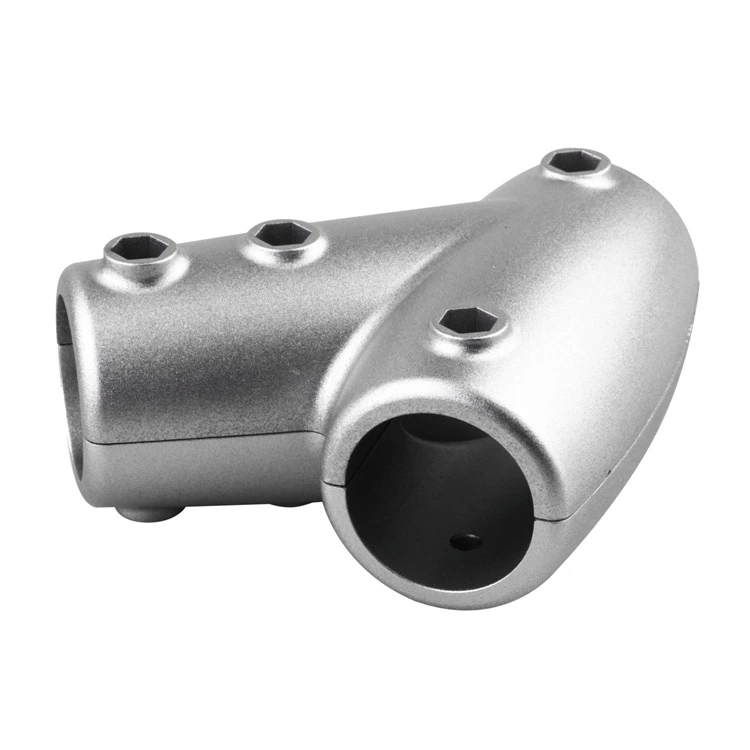
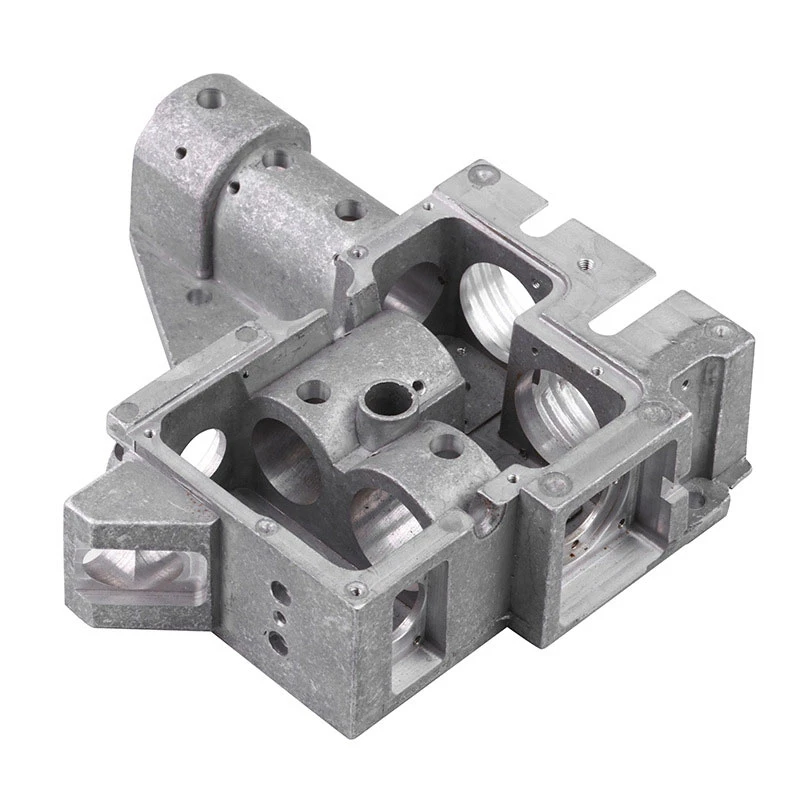
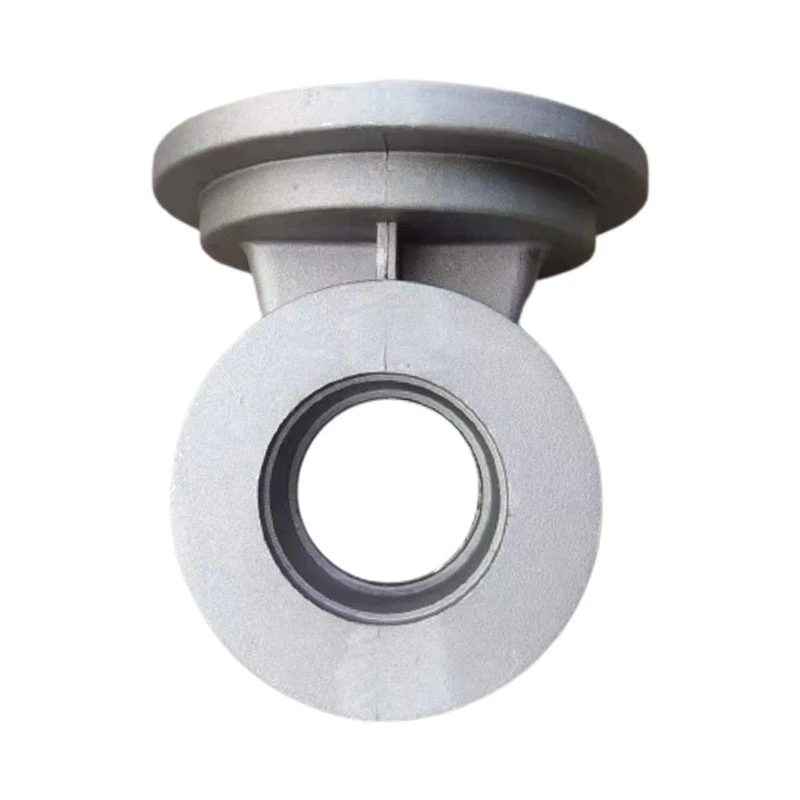
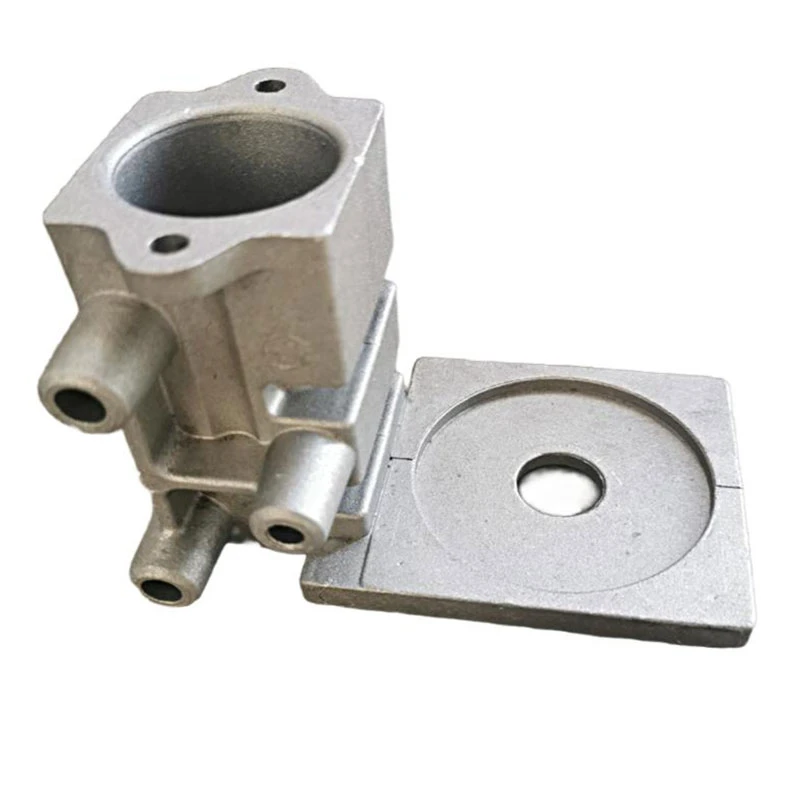
At its core, a castings valve is a control device made primarily through casting—a method where molten metal is poured into molds to form precise valve bodies and components. Unlike fabricated or welded valves, casting ensures the valve’s shape can withstand extreme pressure and environmental stresses.
Simply put, these valves regulate or control the flow of liquids and gases in pipelines. Their cast metal bodies are often made from stainless steel, cast iron, or bronze — materials selected for toughness and corrosion resistance. They are essential in everything from oil rigs to municipal water lines, food processing factories, and even in nuclear power plants.
Interestingly, castings valve technology intersects with humanitarian efforts, especially when rapid deployment of clean water systems is needed in disaster zones, where reliability and fast installation can save lives.
Core Components and Key Factors of Castings Valve
1. Durability
Engineers swear by metal casting for producing rugged valves resistant to corrosion and wear. Durability means fewer replacements and less downtime — vital for industries running 24/7 operations.
2. Precision Design
The casting process allows for complex internal geometries, optimizing flow control and eliminating turbulence that could reduce efficiency or cause premature valve failure.
3. Scalability
Castings valve manufacturing scales from tiny valves for instrumentation to massive valves controlling multiphase industrial pipelines. This flexibility is why manufacturers, large and small, turn to casting methods.
4. Cost Efficiency
While initial tooling costs for casting molds could be high, production runs become more cost-effective than machining valves from solid blocks, especially in bulk. The balance can save end-users a sizable chunk on maintenance budgets.
5. Material Versatility
Cast valves come in a range of metal alloys chosen for the application’s specific needs — whether handling high temperatures, aggressive chemicals, or potable water.
Mini takeaway:
The magic of castings valve lies in combining durability, precision, scalability, cost efficiency, and tailored materials — a mix that modern industry depends on.
Global Applications and Real-World Use Cases
From Brazil’s expansive hydroelectric dams to the petrochemical hubs of the Gulf, castings valves are everywhere. I recently read about a mining company in Western Australia that relies heavily on these valves in their slurry pipelines — where abrasive particles flow constantly. In those hostile conditions, valve integrity means they can keep production rolling without catastrophic failures.
In Asia, fast-growing urban centers deploy castings valves in water treatment plants to ensure residents have safe drinking water. NGOs also depend on them when setting up temporary clean water systems after earthquakes or floods.
Even the aerospace industry leans on miniature castings valves to regulate fuel flow inside jet engines, emphasizing how variable the application scale is.
Product Specification: Castings Valve Example
| Specification | Details |
|---|---|
| Material | Stainless Steel 316L |
| Pressure Rating | 1500 PSI |
| Temperature Range | -40°C to 400°C |
| Valve Type | Gate Valve |
| Size Range | 2” to 24” Diameter |
| End Connection | Flanged or Butt Weld |
Comparing Leading Castings Valve Vendors
| Vendor | Material Range | Lead Time | Price Range | Special Features |
|---|---|---|---|---|
| ValvoTech Industries | Cast Iron, Bronze, Stainless Steel | 4–6 Weeks | $$$ | Custom mold design & testing |
| AquaFlow Systems | Ductile Iron, Stainless Steel | 2–3 Weeks | $$ | Focus on water treatment valves |
| Global Valve Works | Stainless Steel, Alloy 20 | 6–8 Weeks | $$$$ | High pressure & temperature capability |
Why Investing in Quality Castings Valve Pays Off
Many companies underestimate the importance of choosing the right valve. I often hear from maintenance managers — “It’s just a valve.” But the truth is: a reliable castings valve reduces downtime, prevents leaks, and avoids costly accident risks. It’s about peace of mind, keeping employees safer, and guarding valuable equipment.
Besides the pragmatic, there’s also a sustainability element. Well-made valves last longer, reducing scrap waste, and some manufacturers now use recycled metals or energy-efficient production processes, aligning with global sustainability goals.
And of course, there’s the emotional payoff — companies that deliver consistent service build trust with their clients and workers. You could say a valve’s reliability is a small but vital thread in the fabric of industrial trust and dignity.
The Road Ahead: Innovations in Castings Valve Technology
We’re seeing promising advancements. Smart valves embedded with sensors that monitor pressure and temperature in real-time are now being cast with integrated electronics. This edge of digital transformation means faster failure detection and predictive maintenance — remarkable when you’re miles away from a site.
Material science is evolving, too, with alloys designed for extreme environments and coatings that prevent biofouling in water systems.
Regulatory pushes for greener infrastructure are prompting manufacturers to refine casting processes to cut carbon footprints.
Common Challenges and How the Industry is Tackling Them
Of course, there are hurdles: cast defects, long lead times, and the need for skilled labor can slow down projects. But technology is catching up. Automated casting inspections using AI detect imperfections early on. 3D printing aids mold creation, speeding up prototyping.
For smaller buyers concerned about costs, modular valve systems that can be easily configured post-production are gaining traction, merging customization with economies of scale.
FAQs About Castings Valve
- Q: How do castings valves differ from fabricated valves?
A: Castings valves are made by pouring molten metal into molds, allowing complex shapes and durability. Fabricated valves are welded or assembled from pieces. Castings often mean better pressure resistance and fewer weak points. - Q: What industries benefit most from castings valve technology?
A: Oil & gas, water treatment, power generation, mining, and chemical processing rely heavily on these valves due to their durability and reliability under harsh conditions. - Q: Are castings valves easy to maintain?
A: They generally require less frequent maintenance owing to their robustness, but periodic inspection is necessary to check for wear or corrosion, especially in aggressive environments. - Q: Can NGOs source castings valves quickly for disaster relief?
A: Yes — some manufacturers specialize in fast shipments and modular valve kits designed for rapid water infrastructure setup. - Q: What’s the typical lifespan of a castings valve?
A: Depending on material, use, and environment, cast valves can last 10–30 years or longer with proper care.
Wrapping Up: Why Castings Valve Deserves More Spotlight
In the grand scheme, these valves are small miracles of engineering — quietly controlling flows, improving safety, and supporting global infrastructure. If you’re involved in procurement, engineering, or infrastructure planning, understanding the nuances of castings valve options can save you headaches and deliver reliable performance.
Curious to explore reliable suppliers or browse product specs? Check out castings valve catalogs and resources for tailored solutions that fit your project needs.
Mini takeaway:
Castings valves are tangible assets that blend technical strength and long-term value — essential for ongoing industrial progress and sustainable development.
References:
-
Comprehensive Guide to Automotive Die Casting for Enhanced Vehicle PerformanceNewsJan.27,2026
-
Comprehensive Guide to Aluminum Pressure Die Casting Manufacturing ProcessesNewsJan.27,2026
-
Hot Chamber Die Casting vs Cold Chamber Die Casting ExplainedNewsJan.06,2026
-
Hot Chamber And Cold Chamber Die Casting Solutions for Industrial Applications | Hairun SourcingNewsJan.06,2026
-
Hot and Cold Chamber Die Casting: Key Insights from Industry ExpertsNewsJan.06,2026
-
Comprehensive Guide on Graphite Die Casting for B2B Manufacturing | HairunSourcingNewsJan.05,2026