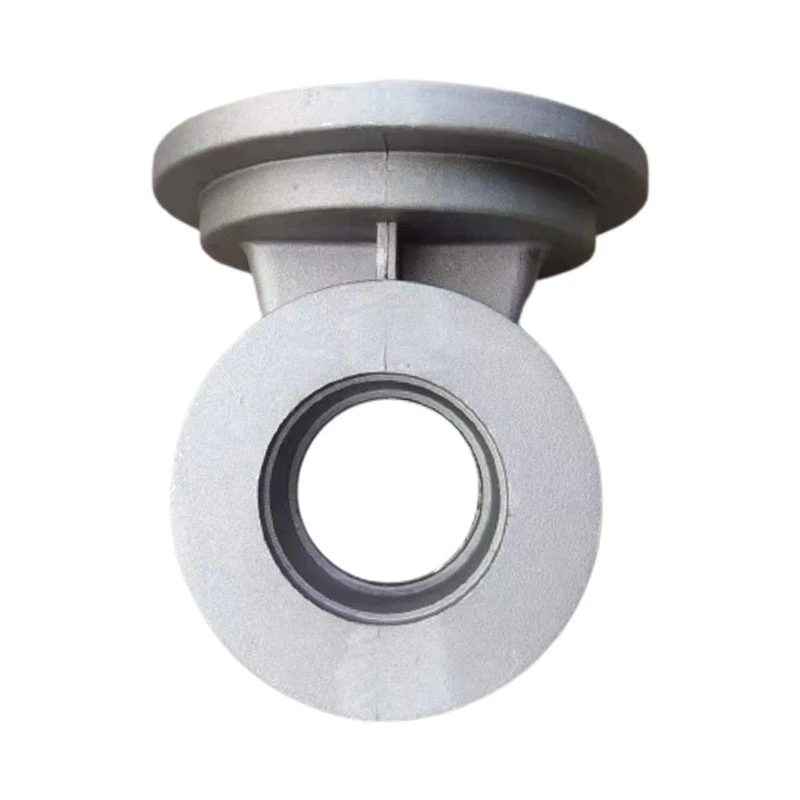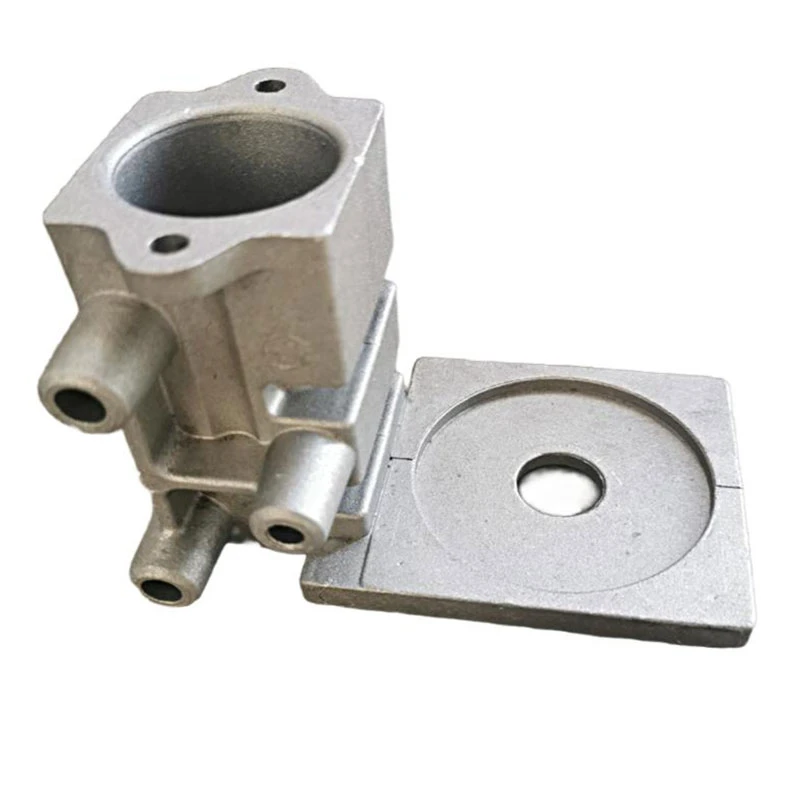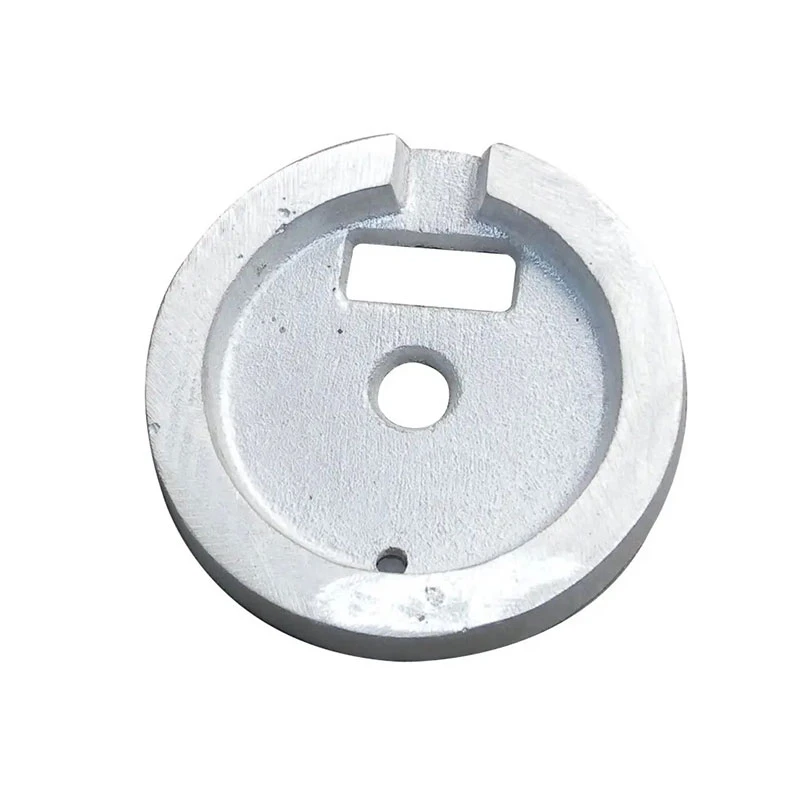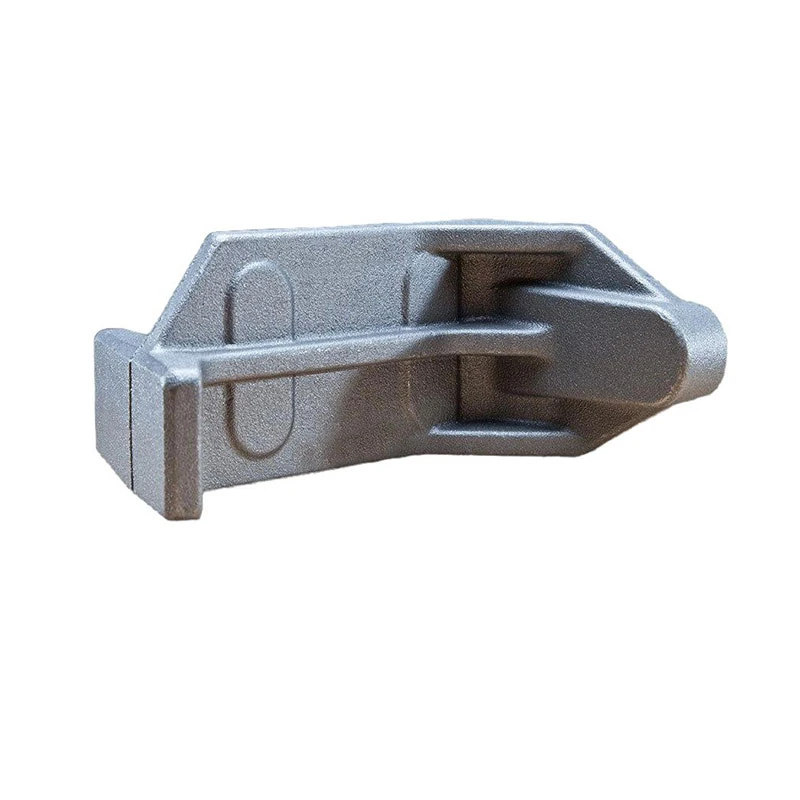



Precision Valve Solutions for Global Efficiency and Safety | Hairun Sourcing
Understanding Precision Valves: Small Components with a Global Impact
At first glance, precision valves might seem like just another piece of industrial hardware tucked quietly away inside complex machines and systems. Yet their role is absolutely critical across countless industries worldwide — from controlling fluid flow in pharmaceutical plants to managing delicate chemical reactions that sustain modern manufacturing processes. Why does this matter globally? Because optimizing these little devices has ripple effects on efficiency, safety, sustainability, and even humanitarian efforts.
Once you get into the nitty-gritty of what makes a precision valve so special, you start to appreciate the art and science behind them and how integral they are to high-stakes operations everywhere.
The Global Context: Why Precision Valves Matter More Than Ever
Precision valves are no longer just specialized components for large corporations. They are pervasive across emerging markets and highly regulated industries. For instance, data from the International Organization for Standardization (ISO) indicates that the global control valve market is projected to grow steadily, partly driven by increasing demands for automated and reliable systems in energy, water treatment, and even aerospace sectors.
But there’s a real challenge here: industries worldwide must reduce waste, improve safety margins, and operate smarter to meet environmental and humanitarian commitments. Precision valves help solve these issues by enabling ultra-fine control of gases and liquids, reducing leaks, and enhancing responsiveness — foundational needs in both developed and developing economies. Oddly enough, they’re quietly underpinning everything from clean drinking water systems in rural areas to mission-critical manufacturing lines in sprawling urban centers.
What Exactly Is a Precision Valve?
Simply put, a precision valve is a mechanical device designed to regulate the flow, pressure, or direction of fluids (liquids or gases) with exceptionally tight tolerances. The hallmark of these valves is their ability to perform repeatably and accurately in environments where even minor deviations can be costly or dangerous.
Think of it as the fine-tuning knob in a complex orchestra — ensuring that everything flows just right, whether that's in a chemical synthesis plant needing milliliter accuracy or an irrigation system that must conserve precious water resources.
Core Characteristics That Define Precision Valves
Durability and Material Selection
Precision valves are often exposed to harsh chemicals, extreme temperatures, or corrosive environments. Hence, manufacturers focus heavily on choosing materials like stainless steel, brass, or advanced polymers that can withstand wear and tear without compromising performance.
Accuracy and Repeatability
At the heart of their value is the valve’s ability to modulate flow consistently. Engineers measure this using parameters like Cv (flow coefficient) and hysteresis to ensure the device responds predictably under varying conditions.
Scalability and Size Range
From tiny valves used in pharmaceutical lab equipment to large valves controlling industrial pipelines—the concept of “precision” scales. This versatility allows solutions tailored for different industries without sacrificing control quality.
Cost Efficiency
Though initial investments can seem high, the long-term savings on energy, material waste, and system downtime make precision valves very cost-efficient. Plus, easy maintenance keeps lifecycle costs manageable.
Compatibility with Automation
Modern precision valves often come equipped with smart actuators compatible with IoT systems and process control software, making them indispensable in digital transformation efforts.
Mini takeaway: These components may be small, but they’re mighty — built to handle demanding environments with finesse, often serving as the linchpin for broader industrial and social outcomes.
Where Precision Valves Make a Real Difference Globally
Precision valves are literally everywhere, but some heavy hitters in application include:
- Water Treatment & Distribution: In drought-prone regions, precise flow control prevents waste, improving access to clean water.
- Pharmaceutical Manufacturing: Perfect dosing and sterile environments rely on precision valves to maintain quality and safety.
- Oil & Gas Industry: These valves adjust pressures in pipelines, ensuring safe transport and reducing leak risks.
- Food & Beverage Processing: Precise temperature and flow control keep products safe and consistent.
In post-disaster relief operations, for example, precision valves are crucial in mobile water purification units, providing reliable clean water fast, often saving lives and neutralizing health threats.
Advantages and Long-Term Value of Precision Valve Solutions
The benefits are manifold:
- Enhanced Safety: Less risk of leaks or failures leads to safer workplaces and communities.
- Environmental Responsibility: Reduced wastage of resources aligns with global sustainability goals — the UN’s SDG 6 (Clean Water and Sanitation) directly benefits.
- Cost Savings: Efficient use of fluids and gases cuts operational expenses.
- Trust and Reliability: Precision valves build confidence among system operators and end-users alike.
- Innovation Catalyst: They open doors to automation, remote monitoring, and smart system integration.
Product Specification Snapshot: A Typical Precision Valve Model
| Specification | Details |
|---|---|
| Material | 316 Stainless Steel |
| Flow Coefficient (Cv) | 0.05 to 5.0 (adjustable) |
| Operating Pressure | Up to 1000 psi |
| Temperature Range | -40°C to 150°C |
| Actuation Type | Manual or Electric |
| Certifications | ISO 9001, ATEX Certified |
Comparing Precision Valve Vendors: A Quick Look
| Vendor | Material Options | Automation Compatibility | Global Reach | Pricing Level |
|---|---|---|---|---|
| ValveTech Solutions | 316 SS, PTFE, Brass | Yes, IoT-enabled | Europe, Asia, Americas | Mid-High |
| FlowMaster Corp. | Carbon Steel, Stainless Steel | Limited (Manual focus) | North America, Europe | Mid-Range |
| PrecisionFlow Ltd. | Advanced Polymers, Stainless Steel | Yes, Full Automation | Global | Premium |
Looking Forward: What’s Next for Precision Valves?
The future looks pretty exciting — increasingly, precision valves are being integrated with smart control systems, bringing digital monitoring and predictive maintenance into the fold. Imagine valves that can self-adjust depending on sensor inputs or environmental data, drastically reducing human error and optimizing resource use.
Material science is also pushing boundaries: new ceramic composites and eco-friendly coatings promise longer lifespans and less environmental impact. And not to forget, policy pushes for greener energy mean these valves must perform flawlessly in renewable energy sectors, like hydrogen fuel cells and bio-reactors.
Facing the Challenges: Risks and Remedies
Despite all this advancement, there are still issues to address. Corrosion, manufacturing tolerances, and sometimes the cost of high-end precision valves can be barriers for smaller firms or NGOs. Experts suggest modular designs and better field repair kits as ways to cut downtime and reduce total costs.
Plus, training operators and aligning valve specs with actual operational needs prevents costly mismatches — a surprisingly common problem that’s easily overlooked until it's too late.
FAQ: Your Questions About Precision Valve Answered
- What industries benefit most from precision valves?
- Industries like pharmaceuticals, water treatment, oil & gas, and food processing benefit massively because precision valves ensure accurate, safe, and efficient control of fluid processes critical to product quality and safety.
- How do I know which precision valve fits my application?
- Consider factors like fluid type, pressure, temperature ranges, and required control accuracy. Consulting with suppliers or engineers can help tailor the valve specs to your exact needs, avoiding over- or under-specification.
- Are precision valves easy to maintain?
- Generally yes, but maintenance complexity varies by design and environment. Routine inspections, timely lubrication, and cleaning, plus using smart actuators that signal faults, all help keep valves running smoothly.
- Can precision valves be integrated into automated systems?
- Absolutely. Many modern valves come with actuators and positioners that support digital communications (like 4-20 mA, HART, or IoT protocols) enabling seamless integration into automated control networks.
- What is the expected lifespan of a precision valve?
- It depends on use and maintenance but roughly 5 to 15 years is typical. Choosing corrosion-resistant materials and sticking to maintenance schedules can extend that by years.
Wrapping It Up: Why Precision Valves Deserve Your Attention
These components, tiny though they may be, carry a disproportionate weight in shaping industrial efficiency, environmental progress, and safety around the world. With smart innovations on the horizon and steadily growing demand across sectors, the precision valve is far from a humble pipefitting — it’s a cornerstone of modern industry.
Feeling inspired to dive deeper? Check out precision valve products and solutions that could redefine how you manage fluid control in your projects.
Mini takeaway: When it comes to precision valves, think small but impact big — the kind of tech where details truly matter.
References
-
Comprehensive Guide to Automotive Die Casting for Enhanced Vehicle PerformanceNewsJan.27,2026
-
Comprehensive Guide to Aluminum Pressure Die Casting Manufacturing ProcessesNewsJan.27,2026
-
Hot Chamber Die Casting vs Cold Chamber Die Casting ExplainedNewsJan.06,2026
-
Hot Chamber And Cold Chamber Die Casting Solutions for Industrial Applications | Hairun SourcingNewsJan.06,2026
-
Hot and Cold Chamber Die Casting: Key Insights from Industry ExpertsNewsJan.06,2026
-
Comprehensive Guide on Graphite Die Casting for B2B Manufacturing | HairunSourcingNewsJan.05,2026