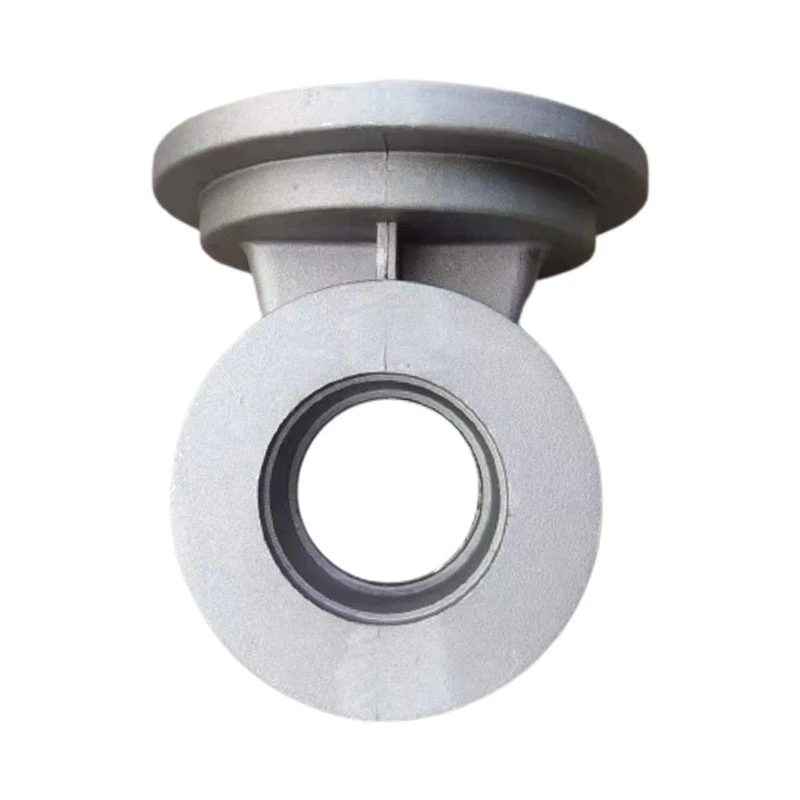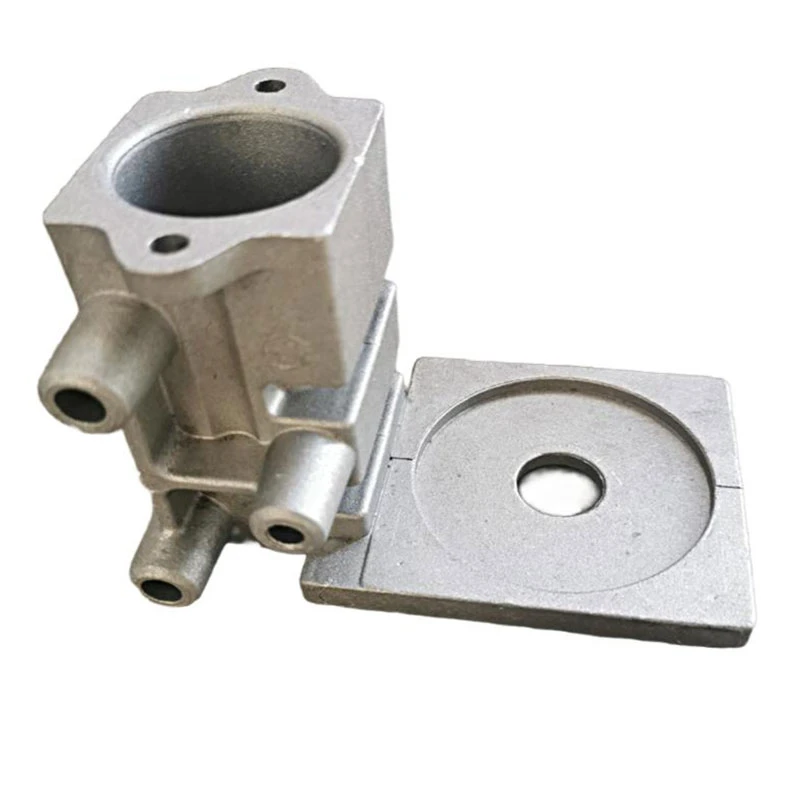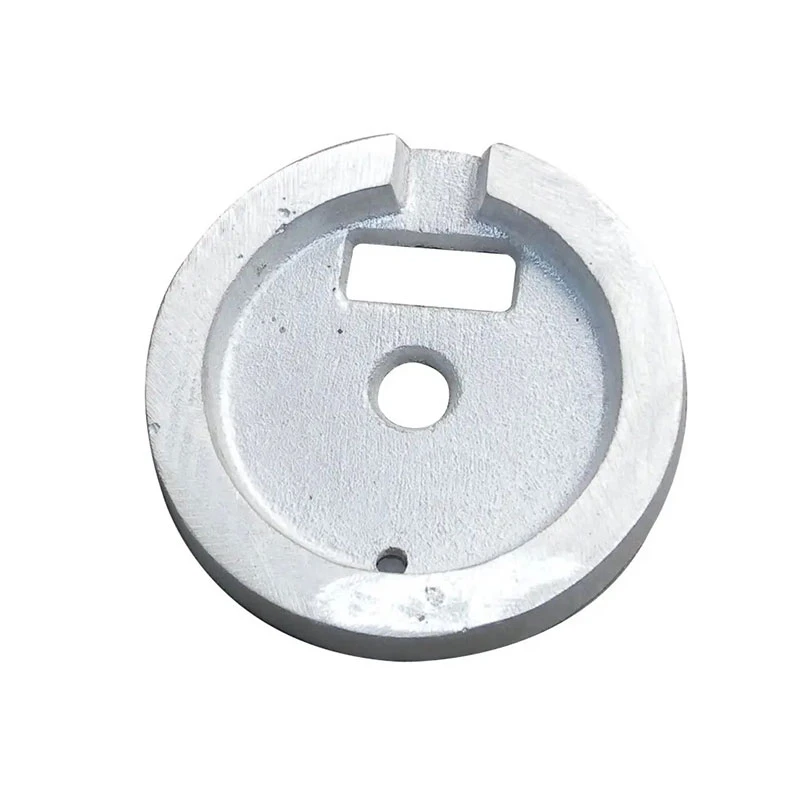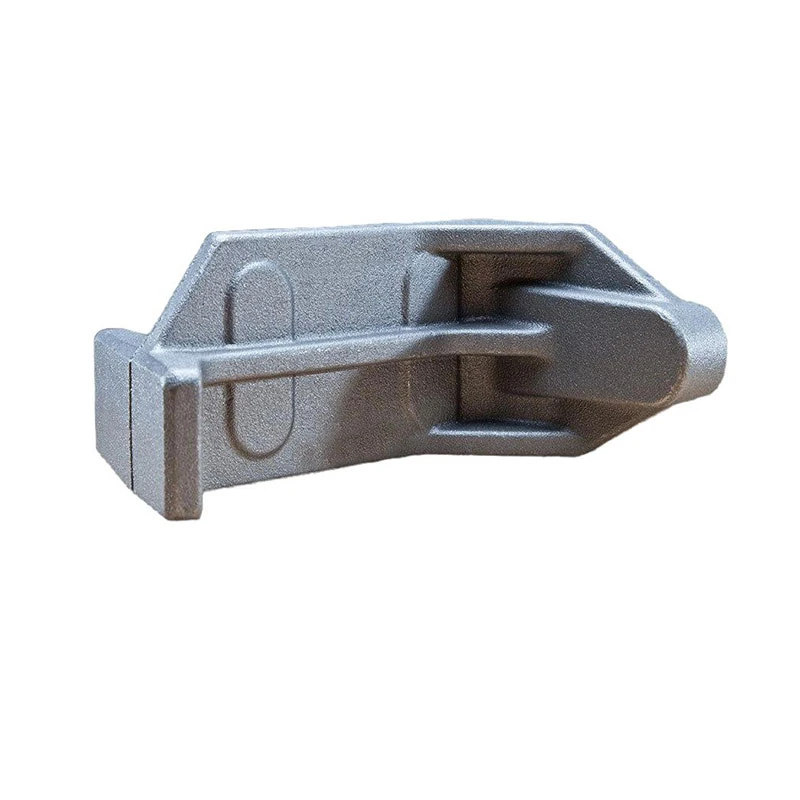



OEM Valve Solutions for Reliable Industrial Performance | Hairun Sourcing
Understanding OEM Valve: Why It Matters More Than You Think
“OEM valve” might sound like jargon tossed around at trade shows, but in reality, it’s a cornerstone of countless industries worldwide — from automotive to oil & gas, and even humanitarian supply chains. Simply put, these Original Equipment Manufacturer (OEM) valves are the genuine parts designed and produced by or for the original equipment maker, ensuring quality, compatibility, and performance.
Why care about them? Because valves control the flow of gases or liquids essential for manufacturing, energy, and infrastructure — the invisible gatekeepers of modern society. A failure in a valve can mean downtime, safety hazards, or worse, environmental disasters. Understanding OEM valves is more than technical knowledge; it’s about appreciating the pulse that keeps the machinery of our world running smoothly.
The Global Impact of OEM Valve in Industry Today
Globally, the valve market exceeded $27 billion in 2023 (according to Markets and Markets), highlighting how indispensable these components have become. From North America’s shale gas boom to the ever-expanding manufacturing hubs in Asia, OEM valves form essential links in supply chains and production lines.
However, the challenge is universal: many operators face the dilemma of choosing between cheap aftermarket parts, which risk failure, or premium OEM valves with higher upfront costs but proven reliability. This conundrum affects plants from chemical refineries in Europe to water treatment facilities in Sub-Saharan Africa.
So, What Exactly Is an OEM Valve?
At its core, an oem valve is a valve produced by the original equipment manufacturer, or made to their precise specifications under license. Unlike generic replacements, OEM valves carry the stamp of authenticity — designed to integrate perfectly with specific machinery or pipelines.
In practical terms, these valves regulate, direct, or control fluid flow with exacting performance standards shaped by industry regulations and operational needs. Think of them like a tailor-made suit compared to an off-the-rack option: the fit is precise, reliable, and less prone to failure.
Core Components and Key Factors of OEM Valves
Durability
OEM valves are engineered to withstand harsh conditions—extreme temperatures, corrosive chemicals, and high pressures. Their materials and design undergo rigorous testing to meet international standards like ISO 9001 or API specifications. This durability translates into fewer replacements and less unexpected downtime.
Precision Engineering
One huge advantage is exact fit and function. These valves aren’t just “close enough” — they are built to slot seamlessly into their intended equipment. This precision reduces leak risks, improves efficiency, and ultimately enhances safety.
Cost Efficiency Over Time
It may seem counterintuitive, but investing upfront in OEM valves often saves money long-term by minimizing maintenance, emergency repairs, and operational interruptions. Many engineers report a clear return on investment when choosing OEM over cheaper alternatives.
Compliance and Certification
In sectors like petrochemical or pharmaceutical manufacturing, compliance is non-negotiable. OEM valves usually come with the necessary certifications, ensuring they meet strict safety, environmental, and quality standards — an absolute must for audit trails and insurance.
Customization and Scalability
OEMs often offer tailored valve solutions designed to scale with industry needs. Whether it’s a bespoke actuator system or enhanced sealing technology, customization allows businesses to optimize for specific operational scenarios.
How OEM Valves Drive Real-World Solutions Around the Globe
Globally, OEM valves power applications ranging from massive oil rigs off the coast of Brazil to small water filtration plants in rural Asia. For example:
- In post-disaster relief operations, such as after hurricanes striking the US southeast, OEM valves restore clean water systems quickly, maintaining public health.
- In remote industrial zones, like mining operations in Australia’s Outback, durable OEM valves minimize downtime where repairs can mean days of costly idling.
- Urban infrastructure across Europe relies on OEM valves for district heating systems and public transportation power plants — silently ensuring comfort and connectivity.
Quick Specs: Typical OEM Valve Model Comparison
| Specification | Model A | Model B | Model C |
|---|---|---|---|
| Type | Ball Valve | Gate Valve | Globe Valve |
| Material | Stainless Steel 316 | Carbon Steel | Bronze Alloy |
| Pressure Rating | 600 psi | 300 psi | 400 psi |
| Temperature Range | -20°C to 200°C | 0°C to 150°C | -10°C to 180°C |
| Actuation | Manual / Electric | Manual | Pneumatic |
Comparing Top OEM Valve Suppliers
| Vendor | Industry Focus | Global Reach | Certifications | Specialties |
|---|---|---|---|---|
| ValveTech Inc. | Oil & Gas, Petrochemical | Americas, MENA | API, ISO 9001 | High-temp valves |
| HydroFlow Co. | Water Treatment, Municipalities | Europe, Asia | ISO 14001, NSF | Corrosion resistant valves |
| TetraValve Solutions | Pharmaceutical, Food & Beverage | Global | FDA, GMP | Sanitary valves, customized |
Why OEM Valves Are Worth the Investment
Sure, OEM valves cost more upfront — but they come with less hassle, better safety margins, and proven durability, which means fewer catastrophic failures. The emotional comfort knowing that the valve will perform as expected is priceless in high-stakes industries. And from a sustainability perspective, the longer lifecycle means less waste and lower carbon footprints over time.
Many operators report that switching to OEM valves has reduced their maintenance visits and improved safety records — invaluable wins that go beyond spreadsheets.
What’s Next? Trends That Are Shaping the Future of OEM Valves
Looking ahead, the OEM valve market is getting smarter and greener. Expect:
- Digital integration: Smart valves with IoT sensors for real-time condition monitoring.
- Advanced materials: Corrosion-resistant composites that last even longer in hostile environments.
- Automation: Integration with automated control systems, enhancing precision and reducing human error.
- Environmental compliance: Valves designed to minimize emissions and leaks in line with stricter regulations.
Challenges OEM Valve Buyers Face (And How to Overcome Them)
While OEM valves are the gold standard, there are barriers:
- Cost constraints: Smaller outfits sometimes balk at upfront prices—solution? Financing options or phased rollouts.
- Supply chain delays: Custom valves may take longer to manufacture, especially with complex specs—planning and inventory management help.
- Compatibility concerns: Older equipment may require adaptations—OEMs sometimes offer retrofit solutions.
FAQ: Common Questions About OEM Valve
Q1: How do I know if an OEM valve suits my system better than generic parts?
A1: OEM valves are specifically designed for your equipment, ensuring fit and peak performance. They usually meet industry standards and come with certifications, reducing risk of failure compared to generic alternatives, which might save money initially but cost more long-term in repairs.
Q2: Can OEM valves be customized if my application has unusual requirements?
A2: Absolutely. Most OEM manufacturers offer customization options including materials, sizes, and actuation methods tailored to your needs. This ensures optimal operation even in specialized or extreme environments.
Q3: What certifications should I look for when purchasing OEM valves?
A3: Look for ISO 9001 for quality management, API for oil and gas compliance, FDA/GMP for food/pharma applications, and any regional certifications relevant to your industry or location.
Q4: How long do OEM valves typically last compared to aftermarket options?
A4: OEM valves tend to last significantly longer—often years more—due to superior materials and craftsmanship. This longevity reduces downtime and total cost of ownership.
Q5: Is it possible for NGOs or overseas agencies to import OEM valves easily?
A5: Yes, many vendors support international shipping and provide documentation for customs clearance. Planning ahead and coordinating with suppliers is key to smooth import processes.
Wrapping It Up: Making the Smart Choice for Long-Term Gains
It’s clear the choice to invest in oem valve solutions isn’t just a technical decision — it’s a strategic move that affects safety, sustainability, and profitability. They bring precision, durability, and peace of mind that cannot be understated in today’s complex industrial environments.
Interested in upgrading your systems or just want more info? Visit our website: https://www.hairunsourcing.com — we’re here to help you find the right valve for your needs.
References
-
Comprehensive Guide to Automotive Die Casting for Enhanced Vehicle PerformanceNewsJan.27,2026
-
Comprehensive Guide to Aluminum Pressure Die Casting Manufacturing ProcessesNewsJan.27,2026
-
Hot Chamber Die Casting vs Cold Chamber Die Casting ExplainedNewsJan.06,2026
-
Hot Chamber And Cold Chamber Die Casting Solutions for Industrial Applications | Hairun SourcingNewsJan.06,2026
-
Hot and Cold Chamber Die Casting: Key Insights from Industry ExpertsNewsJan.06,2026
-
Comprehensive Guide on Graphite Die Casting for B2B Manufacturing | HairunSourcingNewsJan.05,2026