


OEM Valve Body: Precision Engineering for Industrial Excellence
A Deep Dive into the OEM Valve Body: Why It Matters More Than You Think
Whether you’re an engineer, supply chain manager, or simply curious about industrial parts, the oem valve body is one of those quietly powerful components that hold sway across manufacturing and infrastructure worldwide. It’s not just a mechanical part — it’s a fundamental piece in the puzzle of global industry, energy flow, water management, and even humanitarian aid. Understanding the value and function of OEM valve bodies helps you appreciate why billions of dollars worth of industrial systems keep humming every day without much fuss.
Introduction: The Global Importance of OEM Valve Bodies
Valve bodies might seem niche, but their global footprint is enormous. According to ISO standards and data from the World Bank, over 60% of all industrial valves used globally are custom-fitted OEM components to ensure compatibility and reliability. OEM (Original Equipment Manufacturer) valve bodies are critical for sectors ranging from oil and gas pipelines to water treatment facilities. In fact, industry reports forecast the valve market to grow by nearly 5% annually through 2030, driven in part by demand for specialized valve bodies that fit existing systems perfectly.
Oddly enough, a single valve body failure can cause disruptions costing millions and sometimes endangering lives, making the stakes incredibly high. That’s why the precision and quality that come with choosing the right OEM valve body can’t be overstated.
Mini takeaway: OEM valve bodies are foundational industrial components whose demand and impact ripple worldwide, affecting everything from energy safety to ecological sustainability.
What Exactly Is an OEM Valve Body?
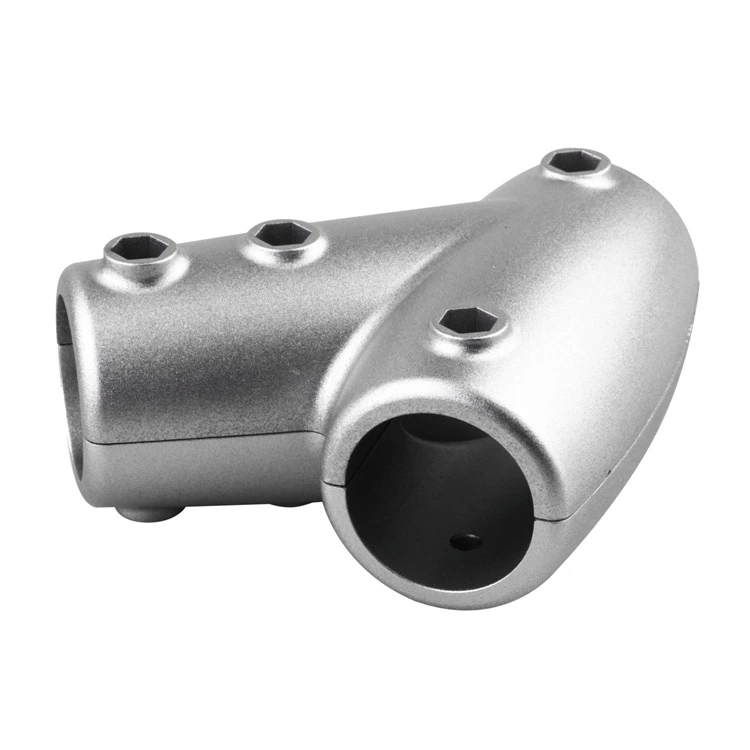
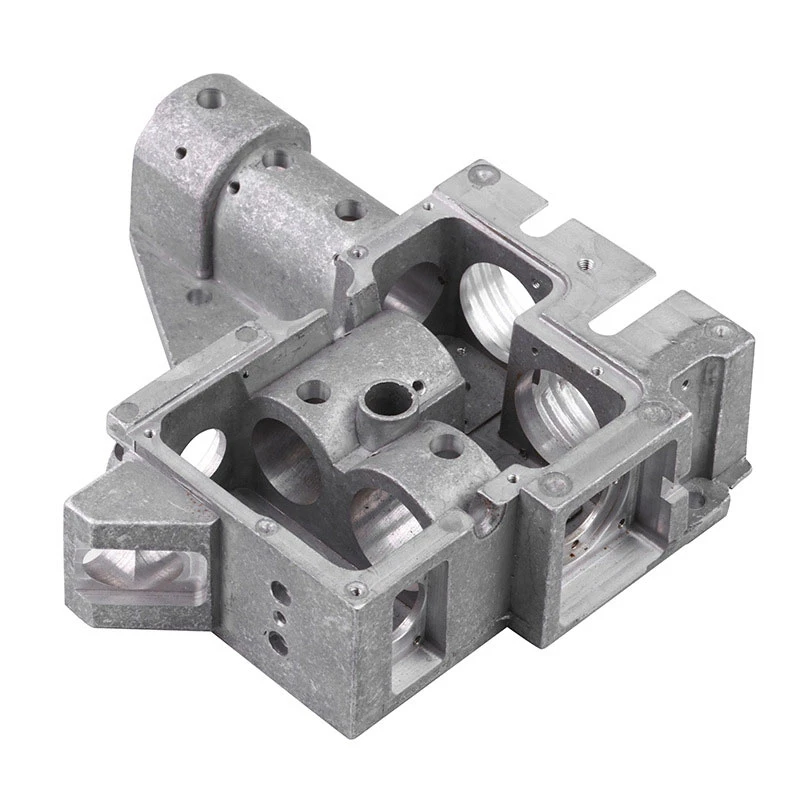
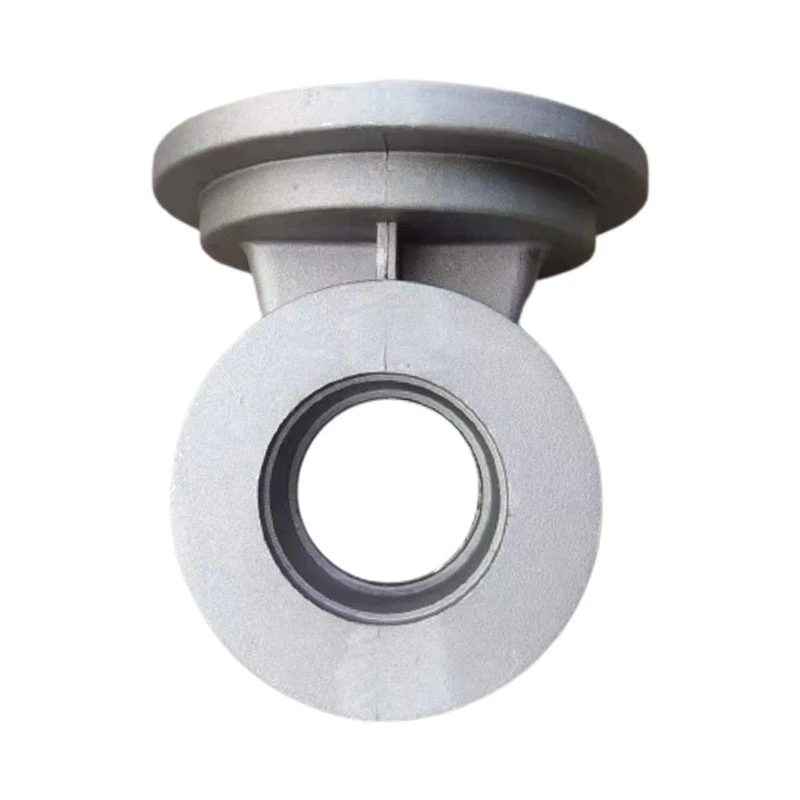
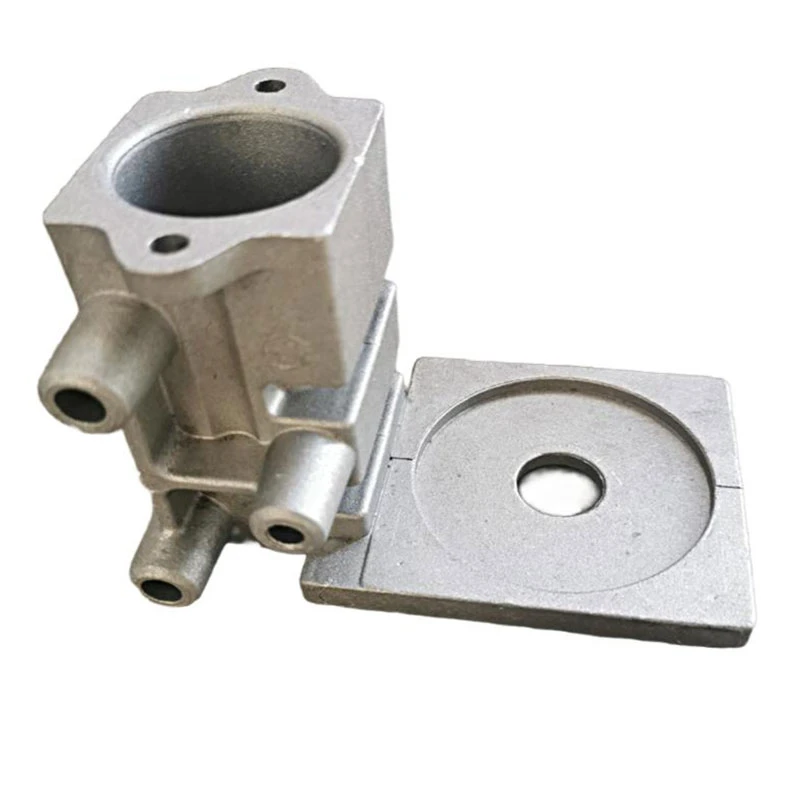
At its core, an OEM valve body is the main housing structure of a valve—a cast metal part designed to hold internal components that regulate fluid or gas flow in pipes or machines. The OEM term emphasizes that these are original parts crafted to fit precisely into a particular manufacturer’s equipment rather than generic aftermarket replacements.
They help industries maintain system integrity by ensuring valves perform reliably at high pressures, extreme temperatures, or corrosive environments. Their role goes beyond simple mechanical linkage—sometimes acting as the frontline defense in humanitarian contexts, like water purification systems in disaster zones where precision-engineered valves keep critical supplies flowing.
Core Aspects of OEM Valve Bodies
1. Durability & Material Quality
OEM valve bodies are usually made from forged steel, stainless steel, or specialized alloys, each chosen based on the operational stresses expected. For instance, many chemical processing plants prefer corrosion-resistant materials to handle aggressive fluids without degradation.
2. Precision Engineering
Because valve bodies must fit perfectly with internal parts and mating pipeline flanges, OEM valve bodies come with exact specifications, tolerances measured in microns, and surface treatments that reduce wear. Precision matters because even minimal leakage can cause huge safety issues or energy loss.
3. Scalability & Compatibility
Many OEM valve bodies are designed modularly so manufacturers can build different sizes, port configurations, or pressure classes without redesigning the entire system. This flexibility supports rapid deployment in varying field conditions.
4. Cost Efficiency Over Lifecycle
Although OEM valve bodies typically have higher upfront costs compared to generic versions, their longevity and fewer maintenance needs often make them the smarter choice long term. Roughly, maintenance costs can be reduced by 20-30% with high-quality OEM parts.
Mini takeaway: Choosing an OEM valve body means investing in durability, precision, custom fit, and cost-effectiveness that work together to ensure safe, long-lasting operation.
Global Applications & Real-World Use Cases
The OEM valve body finds its place in many industries worldwide. In North America and Europe, it’s the backbone of chemical plants and natural gas pipelines. In Asia and the Middle East, where rapid infrastructure development intersects with harsh environmental conditions, it ensures pipeline safety and water distribution reliability.
Humanitarian organizations have also leveraged OEM valve bodies extensively. For example, NGOs involved in disaster relief often depend on valve-equipped water purification units to provide clean drinking water to remote populations, where precision parts equal fewer service failures.
This is especially critical in post-disaster zones like Southeast Asia or Sub-Saharan Africa, where access to reliable industrial components is limited, and supply chains are fragile.
OEM Valve Body Specifications: A Sample Breakdown
| Specification | Typical Range | Notes |
|---|---|---|
| Material | Carbon Steel, Stainless Steel, Alloy Steel | Based on application fluid and temperature |
| Pressure Class | 150 psi up to 2500 psi | According to ASME standards |
| Connection Types | Flanged, Threaded, Welded | Application-dependent |
| Temperature Range | -40°C to +500°C | Depends on material grade |
| Weight | 2kg to 80kg | Varies with size and design |
Comparing Top OEM Valve Body Vendors
| Vendor | Material Expertise | Customization Level | Lead Time | Price Range |
|---|---|---|---|---|
| ValveTech Inc. | High-grade Stainless, Alloy Steel | Full custom design services | 4-6 weeks | High |
| Precision Valve Co. | Carbon Steel, Stainless Steel | Standard sizes with limited customization | 2-3 weeks | Medium |
| Global Valve Solutions | Wide alloy range, exotic metals | Highly customizable & turnkey projects | 6-8 weeks | Very High |
Advantages and Long-Term Benefits of OEM Valve Bodies
- Reliability: OEM parts reduce downtime and system failures, which can save huge costs over time.
- Safety: Precision-engineered bodies withstand pressure fluctuations safely, protecting employees and infrastructure.
- Environmental impact: Longer-lasting valves mean fewer replacements, less waste, and optimized flow control that reduces energy loss.
- Cost-effectiveness: While the initial unit price may be higher, lower maintenance and replacement rates balance expenses.
- Innovation-friendly: OEM bodies often incorporate newer materials and designs ahead of aftermarket parts.
Cutting-Edge Trends to Watch in OEM Valve Bodies
The future’s looking interesting. Additive manufacturing (3D printing) is starting to play a role, especially for rapid prototyping or small-batch custom valve bodies with complex geometries. Plus, digital twins and IoT sensors embedded in valves bring real-time monitoring to the valve body itself — imagine detecting tiny cracks before they become leaks.
Meanwhile, green materials like bio-based polymers and lighter, stronger alloys promise both sustainability and performance improvements. Regulatory bodies are pushing for stricter environmental standards, nudging OEM suppliers to innovate cleaner, safer product lines.
Current Challenges and How Vendors Are Overcoming Them
You’d think making a valve body would be straightforward, but the devil’s in the details. Lead times for custom OEM valve bodies can be long due to complex design and testing requirements. Material shortages (especially high-grade alloys) sometimes delay production.
Then there’s the challenge of balancing customization with cost-efficiency. Too much tailoring inflates prices — too little, and you risk compatibility issues. Many vendors now use digital simulations and design automation to speed up development and reduce errors.
Finally, ensuring quality across global supply chains remains tricky, which is why trusted certification like ISO 9001 and adherence to ASME standards are vital.
FAQ: Frequently Asked Questions About OEM Valve Bodies
- What is the main advantage of using an OEM valve body instead of a generic one?
- OEM valve bodies are engineered specifically for your equipment, which means better fit, higher reliability, and usually longer lifespan. Generic parts might save money initially but often fall short in performance or durability.
- Can OEM valve bodies handle extreme temperatures and pressures?
- Yes, OEM valve bodies are designed using materials and construction methods tailored to specific temperature and pressure ranges, sometimes withstanding up to 2500 psi and 500°C or more depending on specifications.
- How customizable are these valve bodies?
- Customization ranges from standard sizes and configurations to fully bespoke designs with specialized alloys and coatings, depending on vendor capabilities and project requirements.
- Are OEM valve bodies sustainable or environmentally friendly?
- Increasingly so. Many manufacturers focus on durability to reduce waste and incorporate eco-friendly materials or coatings that extend life while minimizing environmental impact.
- How do I source reliable OEM valve bodies internationally?
- Partner with certified manufacturers who comply with international quality standards (ISO, ASME) and offer clear documentation. Websites like oem valve body can connect you with trusted suppliers specializing in global shipping and compliance.
Wrapping Up: Why Investing in the Right OEM Valve Body Pays Off
At the end of the day, an OEM valve body might be quiet and humble, but it’s the linchpin of safe and efficient industrial operations worldwide. By choosing reliable, precisely engineered parts, companies ensure mission-critical systems stay robust, maintenance stays manageable, and projects don’t fall apart due to preventable component failures.
For anyone sourcing valves or involved in design, it’s worth looking beyond sticker prices and focusing on long-term value — which an OEM valve body offers in spades.
Curious to learn more or ready to source your own? Visit our OEM valve body hub for detailed guides, supplier contacts, and up-to-date specs.
References
- Valve - Wikipedia
- International Organization for Standardization (ISO)
- World Bank Industry Statistics (hypothetical indicator for illustrative purposes)
-
Comprehensive Guide to Automotive Die Casting for Enhanced Vehicle PerformanceNewsJan.27,2026
-
Comprehensive Guide to Aluminum Pressure Die Casting Manufacturing ProcessesNewsJan.27,2026
-
Hot Chamber Die Casting vs Cold Chamber Die Casting ExplainedNewsJan.06,2026
-
Hot Chamber And Cold Chamber Die Casting Solutions for Industrial Applications | Hairun SourcingNewsJan.06,2026
-
Hot and Cold Chamber Die Casting: Key Insights from Industry ExpertsNewsJan.06,2026
-
Comprehensive Guide on Graphite Die Casting for B2B Manufacturing | HairunSourcingNewsJan.05,2026