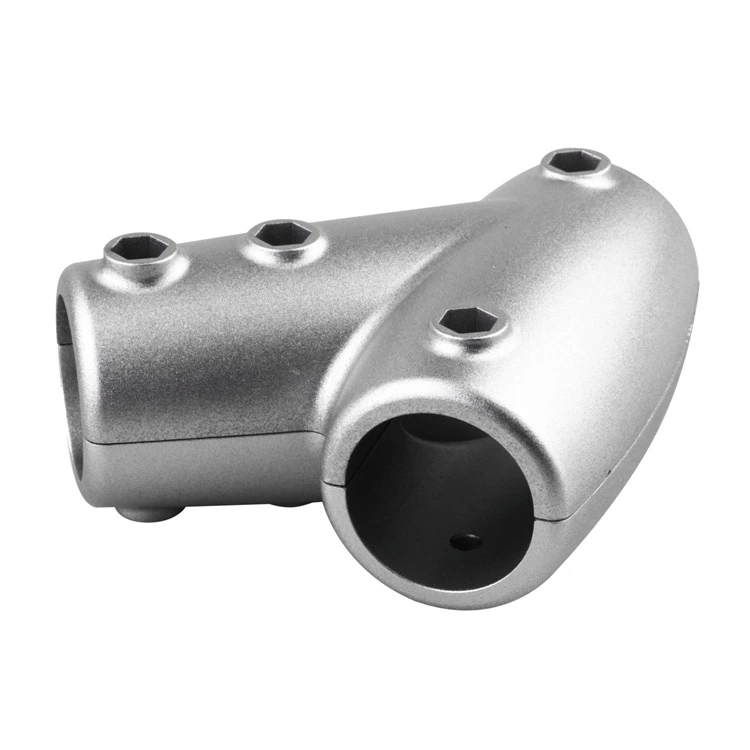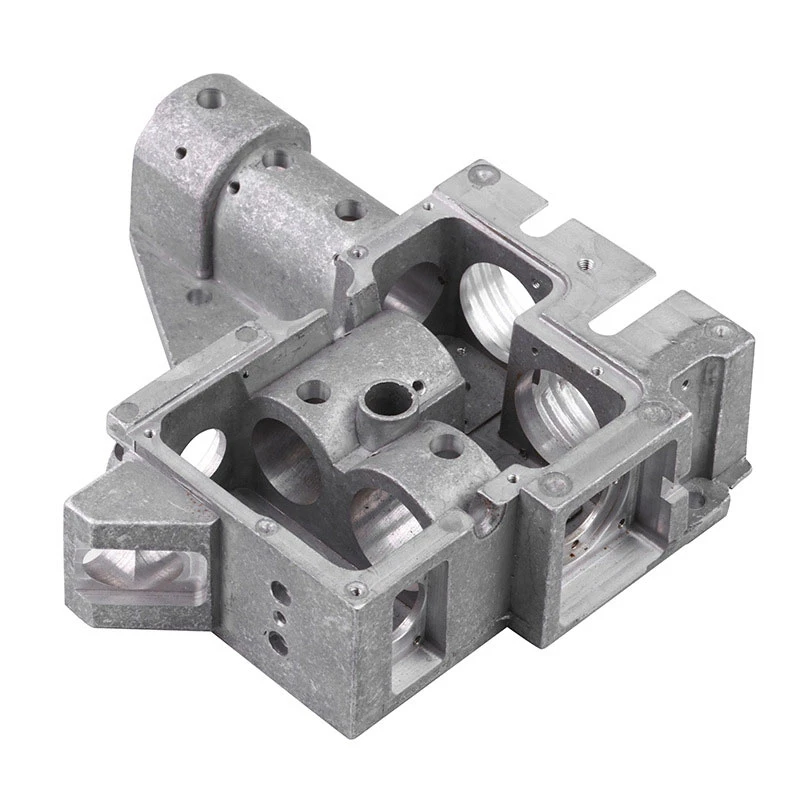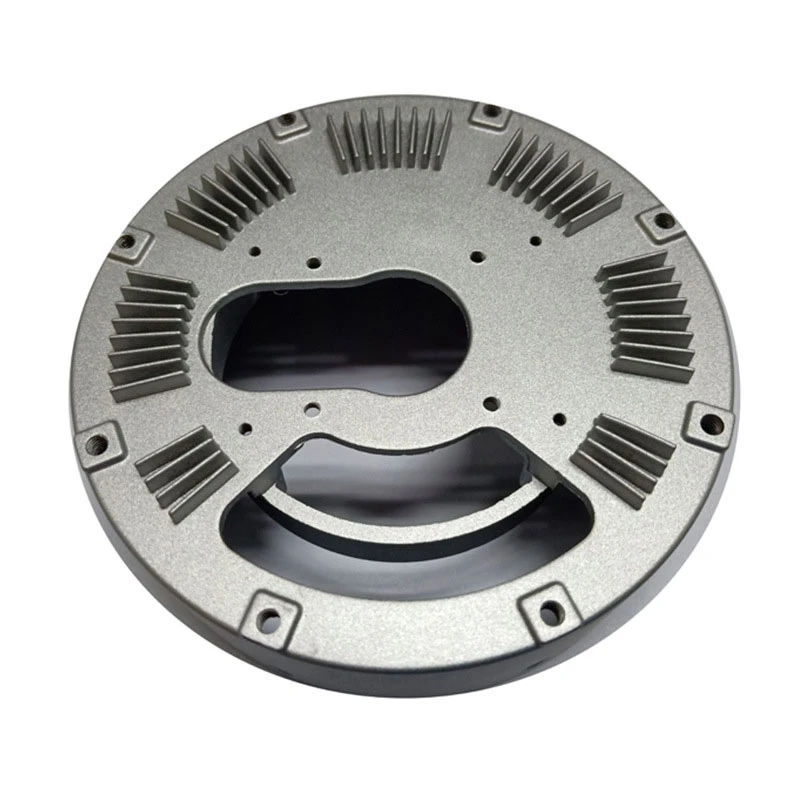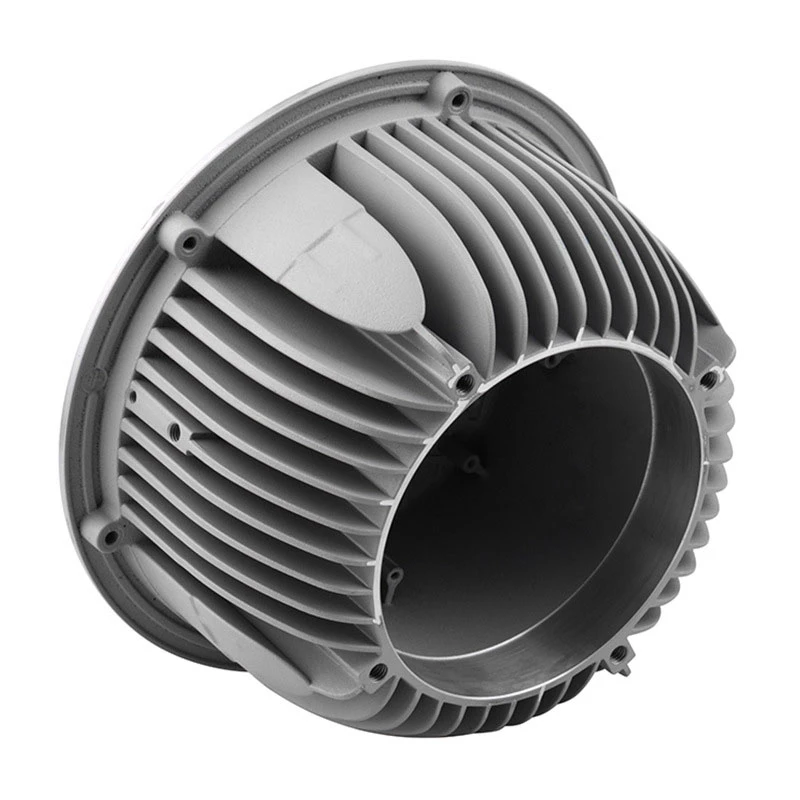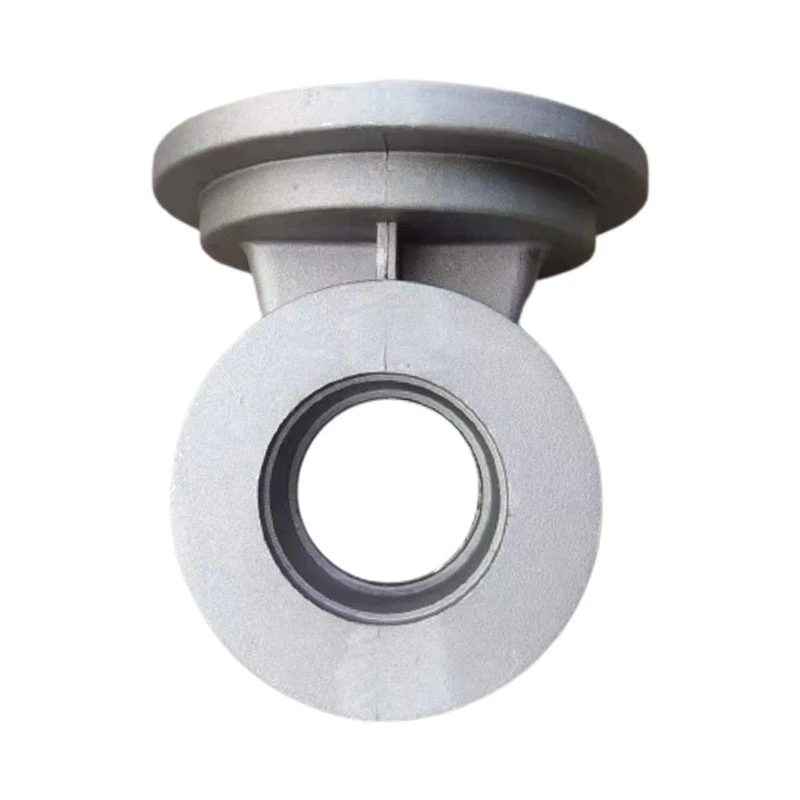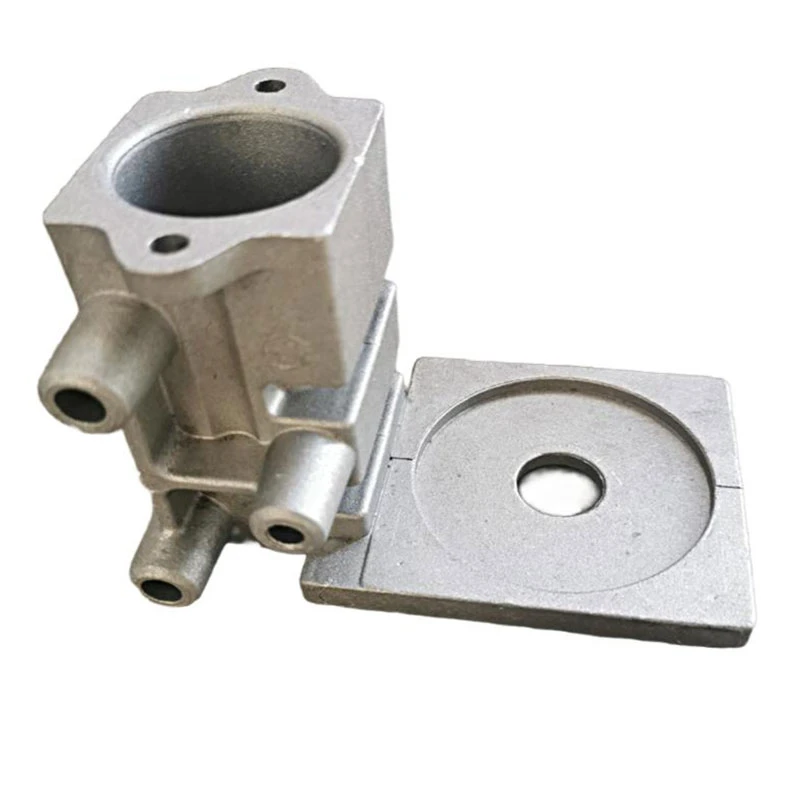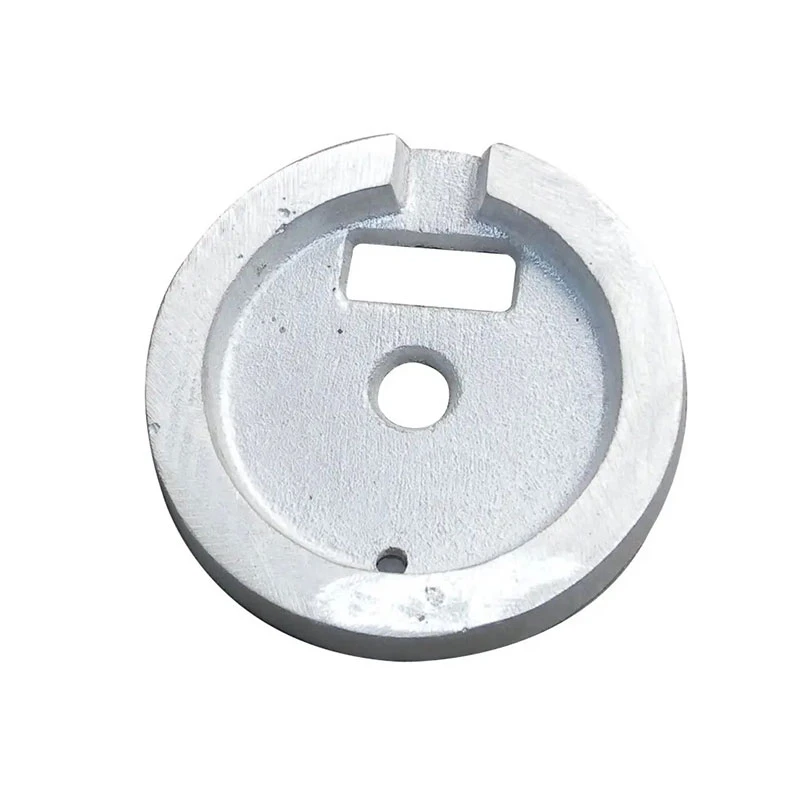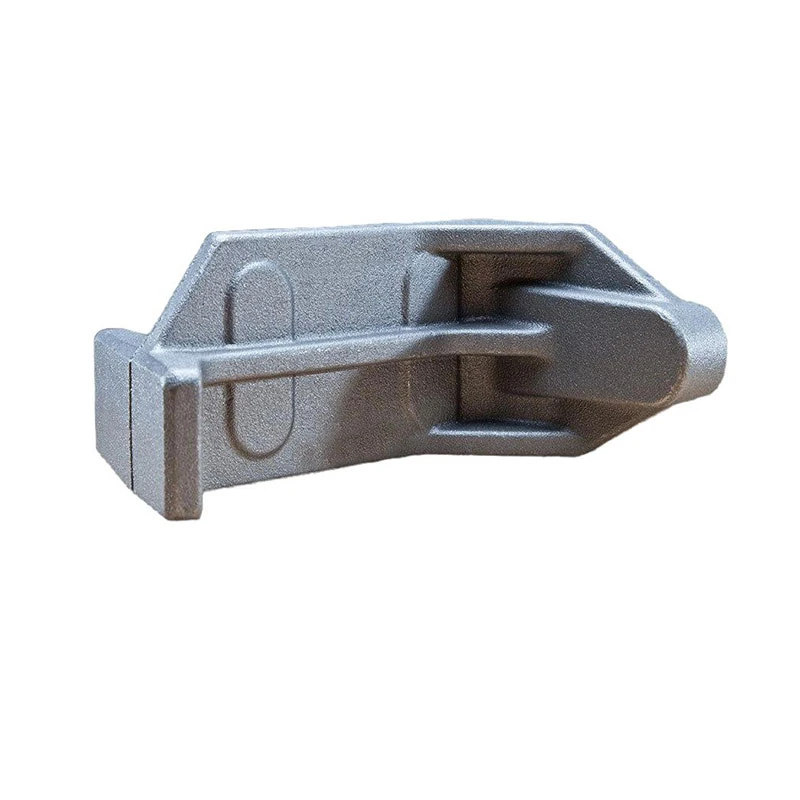



Designed Precision Castings - Engineering Quality Parts for Modern Industry | Hairun Sourcing
Designed Precision Castings: Bridging Modern Industry and Global Needs
In a world spinning faster with technological advancements and rising global demands, the role of designed precision castings has quietly expanded from niche industrial processes to a linchpin in sectors ranging from aerospace to renewable energy. But why should anyone beyond manufacturing care? Because these meticulously engineered components underpin everything from the safety of an aircraft wing to the efficiency of a wind turbine blade – quietly ensuring durability, cost-effectiveness, and innovation. Understanding designed precision castings unlocks not just better supply chains but enhanced quality of life and sustainable progress in emerging and developed economies alike.
The Global Landscape of Precision Casting
Globally, the precision casting market is projected by the International Organization for Standardization (ISO) and industry analysts to grow steadily by about 6.5% annually through 2028. Why is that? Because the demand for complex, high-strength parts that reduce waste and improve product longevity is surging everywhere. Take the automotive industry—it’s not just about making engines anymore; it’s about fuel efficiency, emission reductions, parts integration, and lighter components. Smarter castings lead here.
On a more global scale, designed precision castings address a vital challenge: the shortage of highly reliable components in critical systems serving infrastructure and emergency services. From post-disaster rebuilding efforts to life-saving medical devices, these components must meet unforgiving standards. For example, the UN has noted that quality manufacturing in rapidly urbanizing regions is essential to sustainability goals, where precise components mean less downtime, fewer failures, and longer service life—even in harsh conditions.
What Exactly Are Designed Precision Castings?
Let’s break it down plainly: designed precision castings are parts created by pouring molten metal into highly detailed molds tailored to exact specifications. The “designed” part means these aren’t just any cast pieces but engineered solutions aligned with performance objectives—think aerospace-quality turbine blades or intricate components for medical imaging machines. The process demands skillful mold design, controlled cooling, advanced metal alloys, and often, finishing treatments that sharpen tolerances to a hair’s breadth.
This craftsmanship is more than manufacturing magic; it’s a backbone for industries where failure isn’t an option. These castings connect skilled engineering with the reality of modern production pressures—speed, scale, and sustainability.
Mini takeaway:
Designed precision castings fuse design ingenuity with manufacturing expertise, making them essential to modern complex systems.
Core Components Behind Successful Designed Precision Castings
1. Material Quality and Alloy Selection
The choice of metals—ranging from stainless steel and aluminum to superalloys—is critical. The right combination affects not only mechanical properties like tensile strength and durability but also corrosion resistance and temperature tolerance.
2. Mold Design and Fabrication
At the heart of precision castings is the ability to replicate precise geometry repeatedly. Advanced mold-making uses CAD/CAM technologies, often incorporating ceramic molds or plastic patterns to achieve complexity that traditional methods can’t match.
3. Process Controls
Temperature regulation, cooling rates, and rapid quality checks are essential to minimize internal stress, porosity, or warping. Real-time monitoring and non-destructive testing have become industry standards, improving yield rates dramatically.
4. Surface Finishing and Treatment
Apart from mechanical precision, many applications demand flawless surfaces or particular hardness profiles. Techniques like heat treatment, polishing, or coating add value here, extending component life.
5. Scalability for Production
While the process can produce one-offs for prototypes, it scales impressively for large batches—critical for industries like automotive or renewable energy, where tens of thousands of parts might be needed per month.
Mini takeaway:
Quality materials, precise mold design, robust process controls, and finishing treatments come together to create reliable castings tailored to their applications.
Real-World Applications of Designed Precision Castings
These components have a broad footprint. In aerospace, turbine blades with complex internal cooling channels rely on designed precision castings to withstand extreme conditions. Automotive sectors use them for engine blocks and transmission parts to reduce weight and improve fuel efficiency.
In emerging markets, NGOs and infrastructure firms utilize cast precision parts for water treatment plants and renewable energy installations. For instance, solar panel manufacturers in Southeast Asia rely on precise aluminum casts for mounting systems optimized for weather resistance and longevity.
And here's an interesting bit: during disaster recovery in regions like the Caribbean, designed precision castings help rebuild power grids with components that can handle high wind loads and corrosion — a practical yet crucial contribution to human dignity and resilience.
Product Specifications for a Typical Precision Casting Component
| Specification | Typical Value | Notes |
|---|---|---|
| Material | Inconel 718 (Superalloy) | High temperature resistance |
| Dimensional Tolerance | ±0.05 mm | Dependent on finishing processes |
| Surface Finish | Ra 0.8 μm | Machined and polished |
| Max Component Size | 1.2 meters length | Varies with mold capacity |
| Production Volume | Up to 50,000 pcs/year | Batch and mass production possible |
Comparing Leading Vendors in Designed Precision Castings
| Vendor | Materials Offered | Technique Specialization | Typical Industries Served | Lead Time |
|---|---|---|---|---|
| PrecisionCast Co. | Steel, Aluminum, Titanium | Investment Casting, Lost Wax | Aerospace, Automotive | 6–8 weeks |
| Global Cast Solutions | Superalloys, Stainless Steel | Ceramic Mold Casting | Energy, Medical | 8–12 weeks |
| EcoMold Industries | Recycled Aluminum, Bronze | Shell Mold Casting | Construction, HVAC | 4–6 weeks |
Advantages and Long-Term Value of Designed Precision Castings
There’s something quite satisfying about a part that fits perfectly, performs flawlessly, and stands the test of time—this is the core promise of designed precision castings. Cost efficiency arises not just from raw material savings but from less labor spent on fitting and rework. Sustainability enters the picture through less waste in production, use of recyclable materials, and durability that reduces replacement cycles.
And beyond dollars and durability, these castings deliver peace of mind. They help keep airplanes in the sky safely, ensure medical devices do their job without fail, and support infrastructure that communities depend on, especially in less forgiving environments. Trust grows where engineered precision meets real-world resilience.
Future Trends and Innovations to Watch
The horizon is thrilling. Green manufacturing principles increasingly guide casting methods, with technologies like additive manufacturing (3D printing of molds or patterns) reducing lead times and scrap. Meanwhile, smart alloys that adapt their properties under different conditions are in development, opening new doors in aerospace and biomedical sectors.
Digital twins and AI-powered process controls are streamlining quality assurance, catching flaws before they become problems. And automation helps scale production without compromising precision, which is crucial as demand rises globally.
Overcoming Common Challenges in Precision Casting
Sure, there are hurdles—from porosity defects to high tooling costs. But many manufacturers lean on advanced simulation software to predict and prevent issues before casting. Collaborations between materials scientists and production engineers ensure the right alloys suit the process. Plus, rapid prototyping now accelerates feedback loops, reducing costly trial and error.
FAQ: Your Top Questions About Designed Precision Castings
- Q: How do designed precision castings improve product reliability compared to traditional manufacturing?
- A: Designed precision castings allow for exact control over the shape and material properties, reducing defects and improving consistency. This fine tuning leads to fewer failures in demanding applications like aerospace or medical devices.
- Q: What industries benefit the most from precision castings?
- A: Aerospace, automotive, medical, energy, and infrastructure sectors leverage precision castings heavily due to their requirement for complex, durable parts with tight tolerances.
- Q: Are precision castings environmentally friendly?
- A: Increasingly so. The industry is adopting recycled materials and greener processes, reducing waste and energy consumption compared to more traditional manufacturing methods.
- Q: How can new users source designed precision castings internationally?
- A: Many vendors now offer turnkey solutions including design assistance, sampling, and logistics support to smooth imports. Websites like designed precision castings provide curated connections to trusted manufacturers worldwide.
- Q: What is the typical turnaround time for production?
- A: Lead times range from 4 to 12 weeks depending on complexity and volume, but advances in rapid prototyping and digital design are shortening these intervals.
Wrapping Up: Why Designed Precision Castings Matter
From powering the jet engines that connect continents to forming the backbone of sustainable energy systems, designed precision castings quietly enable much of what we count on every day. They bring together artful engineering, material science, and advanced manufacturing, playing a pivotal role in our industrial progress and humanitarian efforts.
Frankly, if you want to future-proof your projects with parts built to last, understanding and sourcing high-quality designed precision castings is well worth the investment. Curious to explore the possibilities? Visit our website: https://www.hairunsourcing.com and get started today.
References
-
Comprehensive Guide to Automotive Die Casting for Enhanced Vehicle PerformanceNewsJan.27,2026
-
Comprehensive Guide to Aluminum Pressure Die Casting Manufacturing ProcessesNewsJan.27,2026
-
Hot Chamber Die Casting vs Cold Chamber Die Casting ExplainedNewsJan.06,2026
-
Hot Chamber And Cold Chamber Die Casting Solutions for Industrial Applications | Hairun SourcingNewsJan.06,2026
-
Hot and Cold Chamber Die Casting: Key Insights from Industry ExpertsNewsJan.06,2026
-
Comprehensive Guide on Graphite Die Casting for B2B Manufacturing | HairunSourcingNewsJan.05,2026