


Comprehensive Guide to Design Precision Castings: Benefits, Trends & Vendors
Understanding Design Precision Castings: Why They Matter Globally
Design precision castings might sound like a niche industrial term, but this technology quietly powers a whole range of daily essentials and advanced industrial applications around the world. From aerospace components keeping planes safe to intricate parts in medical devices, precision castings mean quality and reliability.
Globally, industries are under constant pressure to innovate while reducing waste and costs. Design precision castings help meet this challenge by enabling highly complex shapes to be manufactured with minimal material loss and exceptional durability. If you’re in manufacturing or supply chain management, grasping the potential and impact of design precision castings can mean smoother operations and better product performance.
Global Importance: Setting the Stage for Design Precision Castings
The global casting market was valued at nearly $150 billion in 2023, with precision castings contributing a substantial chunk due to demand from aerospace, automotive, and energy sectors.1 According to ISO standards, industries require tight tolerances and superior metallurgical properties that only precision casting methods can reliably deliver. Yet, challenges such as raw material costs and production scalability persist, underscoring the need for thoughtful design.
The problem? How to balance complexity, durability, and cost-efficiency in manufacturing parts that sometimes must perform flawlessly under extreme conditions. Design precision castings answer this by enabling engineers to create parts that aren’t just strong or light—they’re optimized for their exact environment and function.
What Are Design Precision Castings?
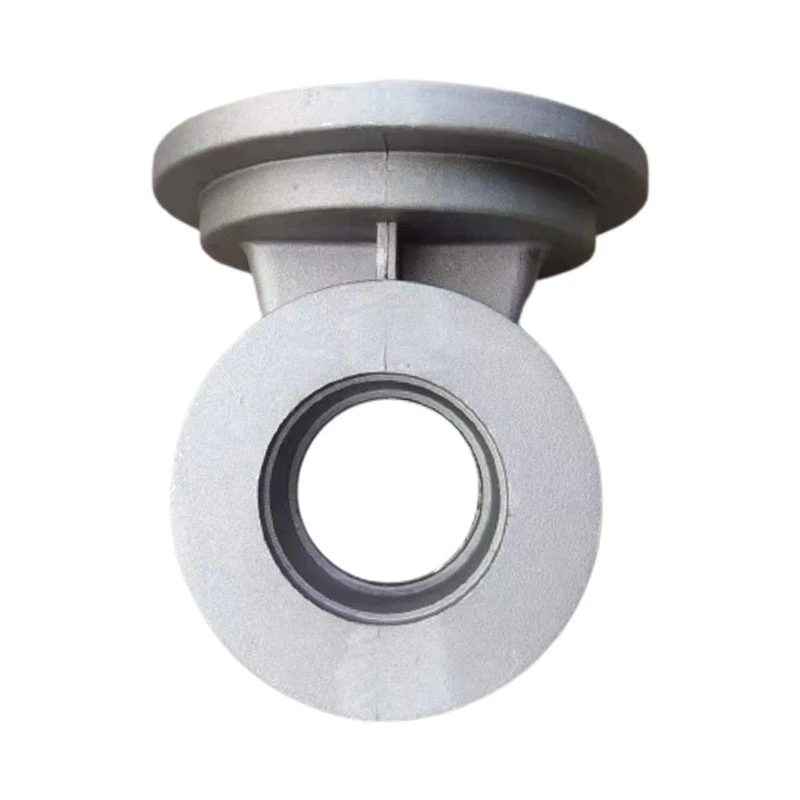
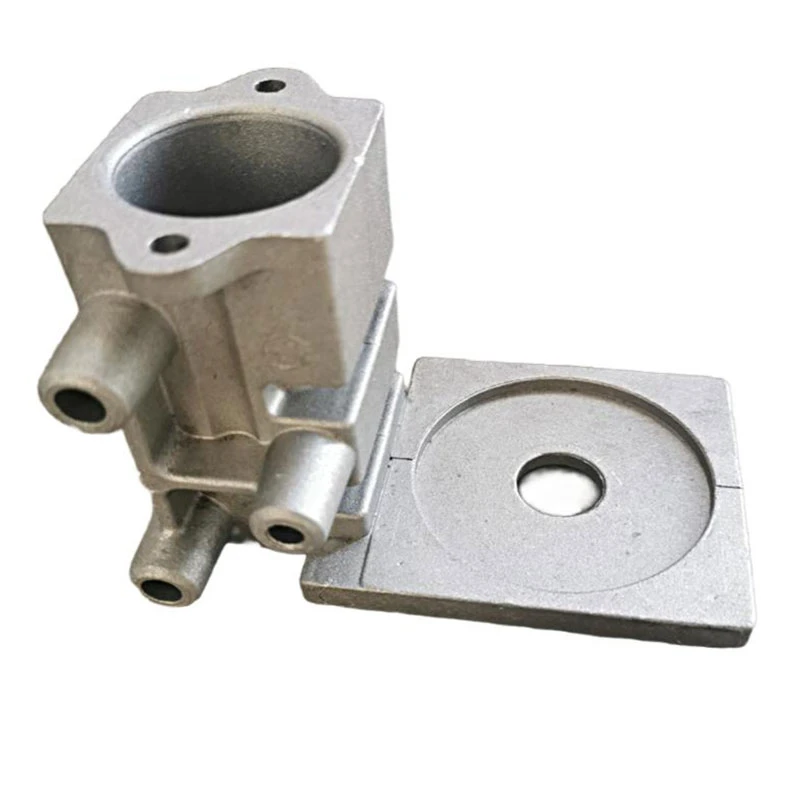
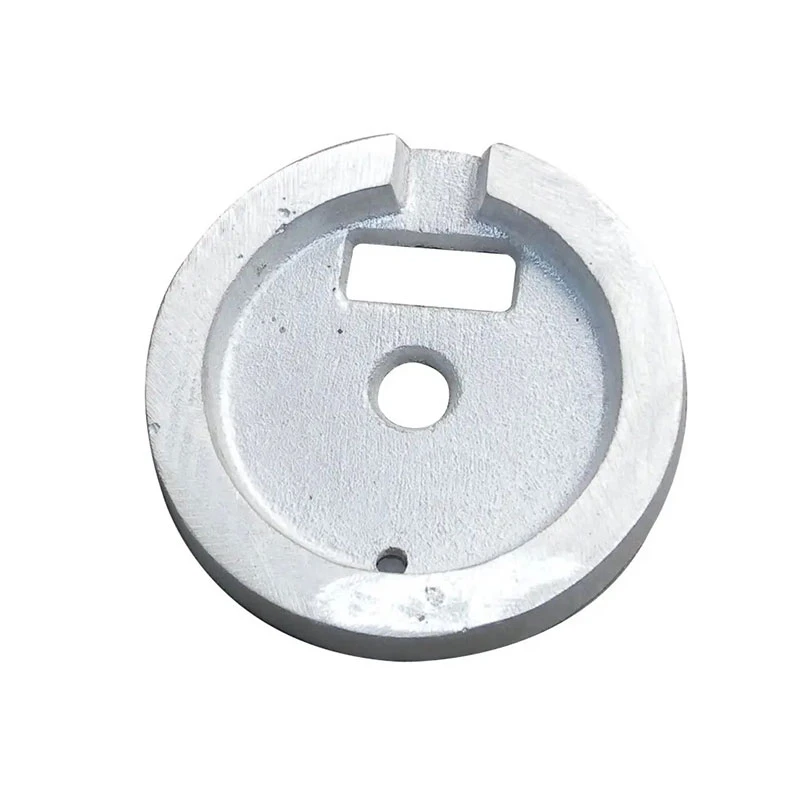
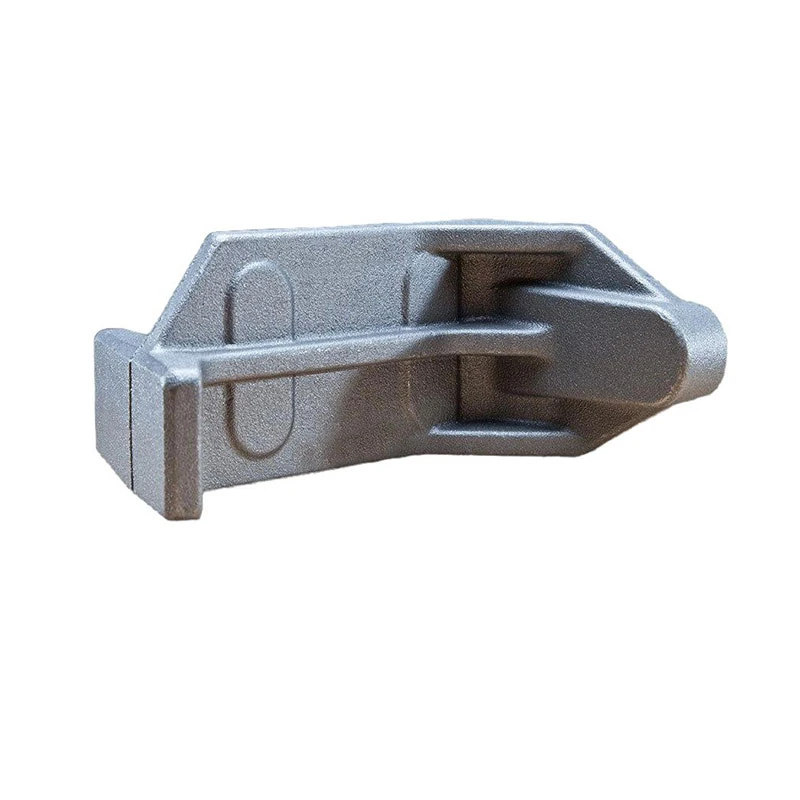
Put simply, design precision castings involve creating highly accurate metal parts by pouring molten metal into a precisely designed mold. Unlike traditional casting, which can lose detail and require heavy machining, precision casting captures fine features and reduces waste. Often called investment or lost-wax casting, this method allows engineers to turn complex CAD designs into tangible parts with remarkable fidelity.
These castings are essential where reliability meets complexity: think jet engine turbines, prosthetic joints, or oil and gas fittings. The closer the design matches the final product, the less post-processing is needed, saving time and money.
Key Factors Driving Design Precision Castings
1. Dimensional Accuracy
The heart of precision casting is its ability to produce parts within very tight tolerances, often within fractions of a millimeter. This minimizes machining and ensures components fit perfectly—critical in industries like aerospace where even a small misfit can be catastrophic.
2. Material Versatility
From stainless steel and titanium to superalloys, design precision castings can be done with a vast range of materials. This versatility is a massive bonus for industries needing specific properties like heat resistance or corrosion durability.
3. Cost Efficiency
Though upfront tooling costs can be higher, reducing machining and scrap waste stamps design precision castings as a cost saver over time. It’s an investment in upfront engineering and mold precision that pays off in repeatability.
4. Sustainability
Less waste material, reduced excess machining, and the ability to create lightweight parts that improve fuel efficiency all add up to a greener manufacturing process. This aligns well with global efforts to reduce carbon footprints across supply chains.
5. Scalability & Customization
Precision casting techniques allow for both low-volume specialized runs and high-volume production. Plus, complex designs impossible via traditional methods can be brought to life, making customization far more feasible.
Mini Takeaway:
Understanding these principles gives manufacturers and engineers a strategic edge. Design precision castings aren’t just another production technique—they’re a smart way to combine quality, efficiency, and sustainability.
Worldwide Applications: Real-World Use Cases
Design precision castings form a backbone in many sectors across the globe:
- Aerospace: Turbine blades and structural components require top-tier precision—often from superalloys—that only design precision casting can achieve.
- Automotive: Engine parts like turbochargers and transmission components benefit from precision casting due to their complexity and stress tolerance.
- Medical Devices: Surgical tools and implant parts, which demand biocompatibility and strength.
- Energy Sector: Components for wind turbines, nuclear reactors, and oil rigs made to exacting standards.
- Consumer Electronics: Intricate metal parts that need precise shape and finish.
Regions such as North America, Europe, and Asia-Pacific lead innovation in precision casting, spurred in part by government regulations on product safety and environmental impact.2
For instance, in post-disaster relief operations, precision cast parts enable the rapid assembly of reliable machinery and structural supports that withstand extreme stress. This intersection of design precision castings and humanitarian efforts is oddly reassuring — technology answering real human needs.
Advantages & Long-Term Value of Design Precision Castings
When pondering the benefits, it’s not just cold metal properties. It’s about trust — trust that your airplane engine won’t fail, that surgical implants fit perfectly, that energy infrastructure lasts decades. Here’s a rough snapshot:
- Cost Savings: Lower scrap and machining costs add up quickly.
- Environmental Impact: Sustainable manufacturing means less waste and energy use.
- Improved Product Lifespan: Parts that match design specs closely last longer.
- Innovation Boost: Freedom to create complex, lightweight designs.
- Social Value: Safer medical and transport technologies improve lives.
It feels like a win-win — manufacturers are more efficient while end-users gain safety and reliability. And frankly, we could use more of that these days.
Product Specification Table: Typical Design Precision Casting Specs
| Parameter | Typical Range / Value | Notes |
|---|---|---|
| Dimensional Tolerance | ±0.01 to ±0.1 mm | Depends on part size/complexity |
| Material Types | Steel, Aluminum, Titanium, Superalloys | Custom alloys available |
| Surface Finish | Ra 0.8 – 3.2 μm | Can be improved with machining |
| Max Part Size | Up to 1.5m length | Larger parts possible with modular design |
| Production Volume | Single pieces to 10,000+ annually | Scalable with mold design |
Comparing Leading Vendors of Design Precision Castings
| Vendor | Core Strength | Typical Markets | Lead Time | Customization Level |
|---|---|---|---|---|
| AlphaCast | High-precision aerospace parts | Aerospace, Defense | 6-8 weeks | Extensive |
| BetaMetal | Cost-effective industrial components | Automotive, Machinery | 4-6 weeks | Moderate |
| GammaPrecision | Custom alloys & medical implants | Medical, Tech | 5-7 weeks | High |
Looking Ahead: Future Trends in Design Precision Castings
Innovation is constantly shaking up precision casting. Right now, digital transformation—like utilizing AI-driven design software and real-time quality monitoring—is making production more precise and responsive. Likewise, new eco-friendly alloys and binder materials reduce environmental impact.
Automation, including robot-assisted mold making and casting pouring, is speeding up production cycles and lowering human error. And as industries push toward net-zero goals, lightweight, stronger cast parts help improve fuel efficiency and reduce emissions across sectors.
So, the future isn’t just about making metal parts—it’s about smarter, greener, and faster production to meet demands that often shift overnight.
Overcoming Challenges in Design Precision Castings
There are, of course, hurdles. High upfront tooling costs can be a barrier for smaller businesses. Complex alloys might cause unexpected defects, and supply chain disruptions affect raw material availability. But many vendors now offer modular tooling and material simulation services to help predict and avoid problems early on.
Partnering closely with suppliers to optimize designs for manufacturability is also critical. The more engineers understand the nuances of precision casting, the fewer redesigns and delays they face. That’s why design precision castings education and collaboration matter.
FAQ About Design Precision Castings
- What are the main benefits of using design precision castings over traditional methods?
- Precision castings provide tighter dimensional accuracy, intricate design reproduction, and significant reduction in post-processing costs. This means faster production times and higher quality end-products.
- How do design precision castings impact product sustainability?
- Because the process minimizes material waste and reduces excess machining, it lowers resource consumption and energy use — critical for sustainable manufacturing goals.
- Can small businesses benefit from design precision castings?
- Absolutely. While tooling costs can be higher, many vendors accommodate small batch runs. Customization and precision can give smaller manufacturers a competitive edge in specialized markets.
- What materials are commonly used in design precision castings?
- Common materials include stainless steel, aluminum alloys, titanium, and various superalloys designed for strength and heat resistance. Newer eco-friendly alloys are also gaining traction.
- How long does it typically take to produce a design precision casting?
- Lead times generally range from 4 to 8 weeks depending on complexity, material, and volume, with some expedited options available through advanced tooling technologies.
Wrapping Up: Why Design Precision Castings Are a Game-Changer
At the end of the day, design precision castings deliver more than just parts — they bring cost efficiency, sustainability, and innovation together, helping entire industries step into a future where quality and responsibility coexist. For any manufacturer or engineer looking to stay competitive and sustainable, this technology is worth mastering.
Curious how it can work for your needs? Visit our website: https://www.hairunsourcing.com and start exploring the possibilities today.
References:
- ISO Casting Standards and Market Report, 2023
- World Bank Data on Global Manufacturing
- Wikipedia - Investment Casting
-
Comprehensive Guide to Automotive Die Casting for Enhanced Vehicle PerformanceNewsJan.27,2026
-
Comprehensive Guide to Aluminum Pressure Die Casting Manufacturing ProcessesNewsJan.27,2026
-
Hot Chamber Die Casting vs Cold Chamber Die Casting ExplainedNewsJan.06,2026
-
Hot Chamber And Cold Chamber Die Casting Solutions for Industrial Applications | Hairun SourcingNewsJan.06,2026
-
Hot and Cold Chamber Die Casting: Key Insights from Industry ExpertsNewsJan.06,2026
-
Comprehensive Guide on Graphite Die Casting for B2B Manufacturing | HairunSourcingNewsJan.05,2026