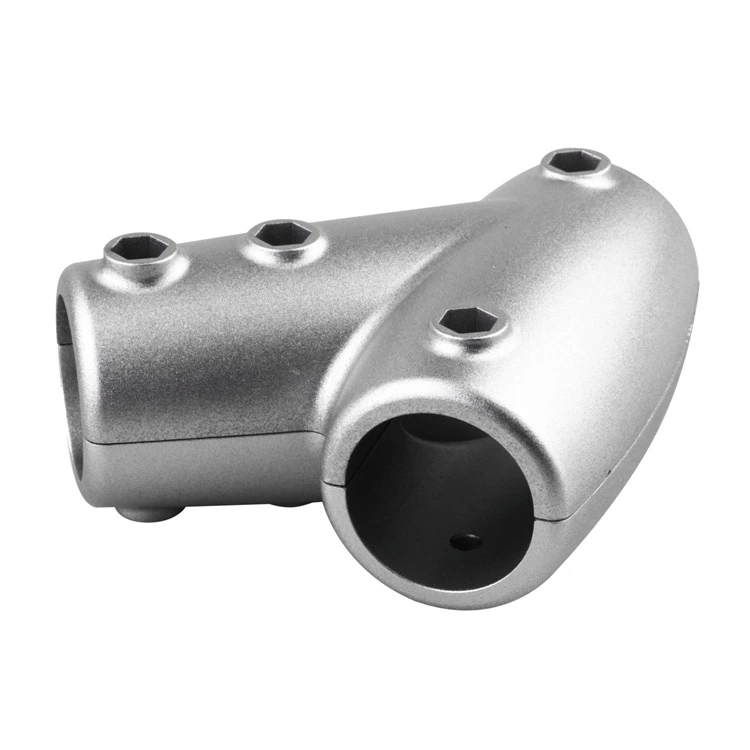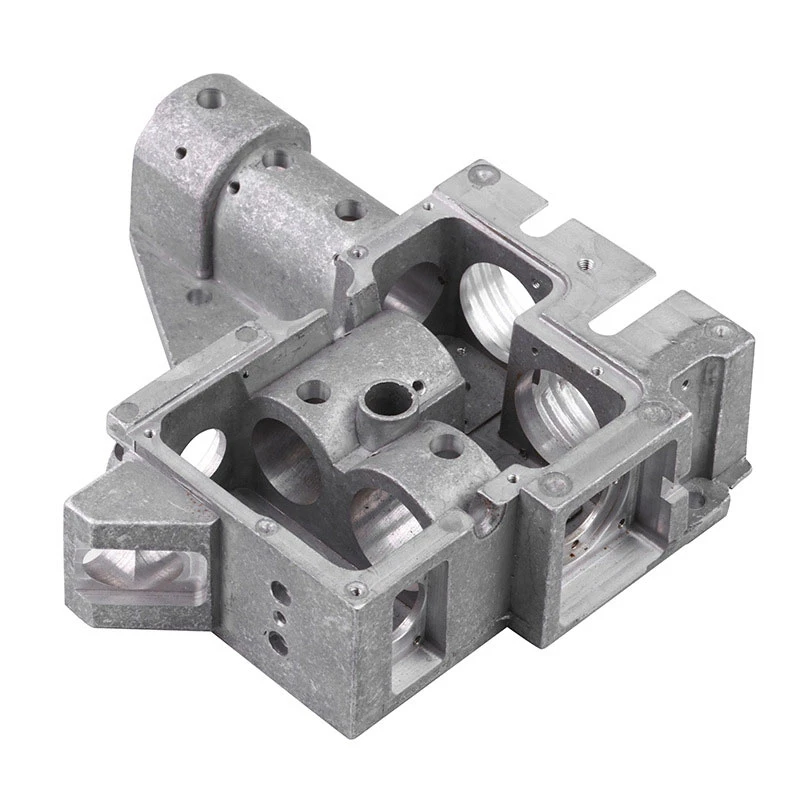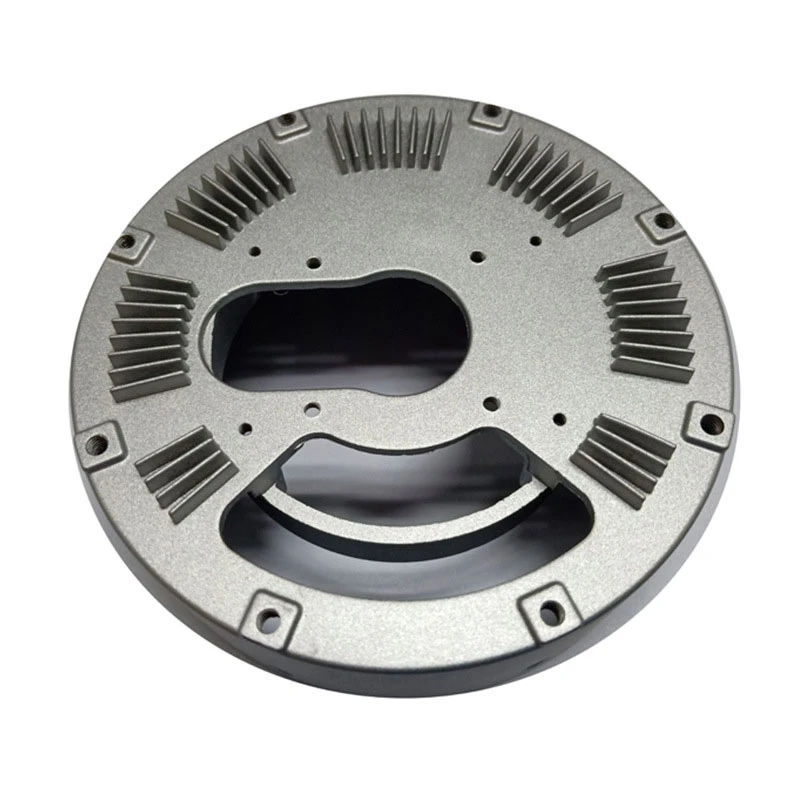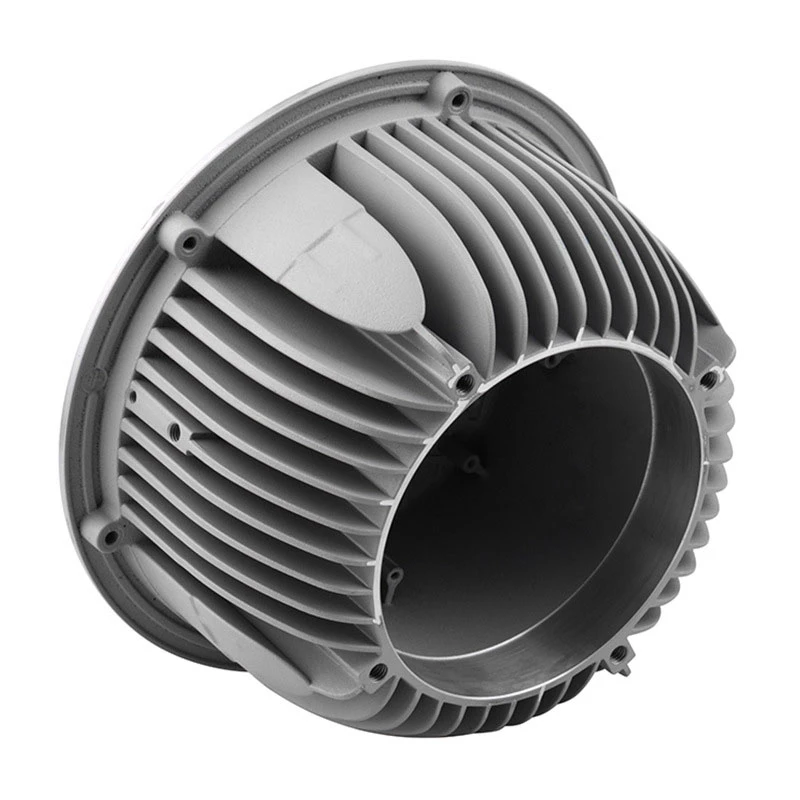



Precision Casting Molds: Unlocking Efficiency and Innovation in Global Manufacturing
Understanding Precision Casting Molds: The Backbone of Modern Manufacturing
In a world increasingly reliant on high-performance components—from aerospace parts to medical devices—precision casting molds quietly underpin many unsurpassed feats of engineering. But what exactly are these molds, why should global industries care, and what advantages come with mastering their use? In short, precision casting molds are custom-engineered forms, crafted to produce complex metal parts with remarkable accuracy, repeatability, and fine detail. Their significance is hard to overstate: by minimizing waste, reducing production time, and ensuring component integrity, they fuel innovation across countless sectors worldwide.
While it might sound a bit dry on paper, this technology delivers concrete benefits to sectors ranging from automotive to energy, helping companies boost efficiency and reduce costs — aspects that matter critically in a world focused on sustainability and rapid industrial growth.
Mini takeaway: Precision casting molds turn raw metal into high-precision parts that power industries globally, making complex manufacturing more efficient and sustainable.
Global Context: Why Precision Casting Molds Matter More Than Ever
To grasp the scale of their impact, consider this: the global casting market was valued over $130 billion in 2023 according to ISO standards and industry extrapolations. With rapid urbanization, evolving infrastructure needs, and digital transformation, demand for intricately shaped, high-strength components continues growing in Asia-Pacific, Europe, and the Americas alike.
Yet, challenges persist—especially around cutting material waste and achieving dimensional precision amid rising cost pressures. That’s where precision casting molds make a decisive difference, addressing hard-to-solve issues like component defects and post-production machining redundancies.
In global humanitarian contexts, too, such molds enable durable components for relief machinery and medical tools that withstand harsh environments—linking manufacturing precision to lives saved and standards maintained.
Mini takeaway: Global industrial demand and humanitarian needs alike hinge on precision casting molds to deliver reliable, cost-effective parts efficiently.
What Are Precision Casting Molds, Really?
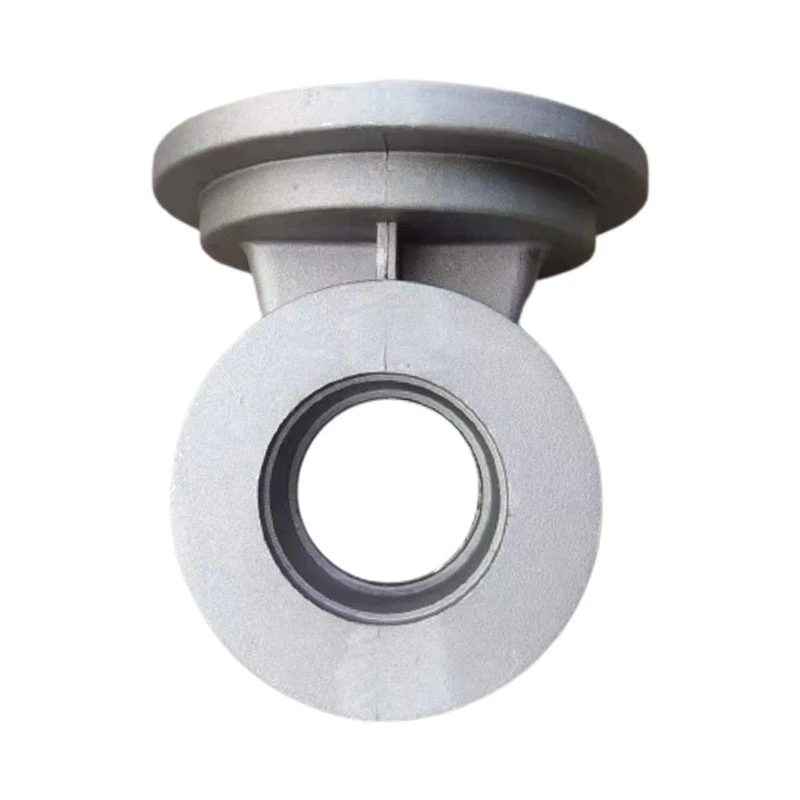
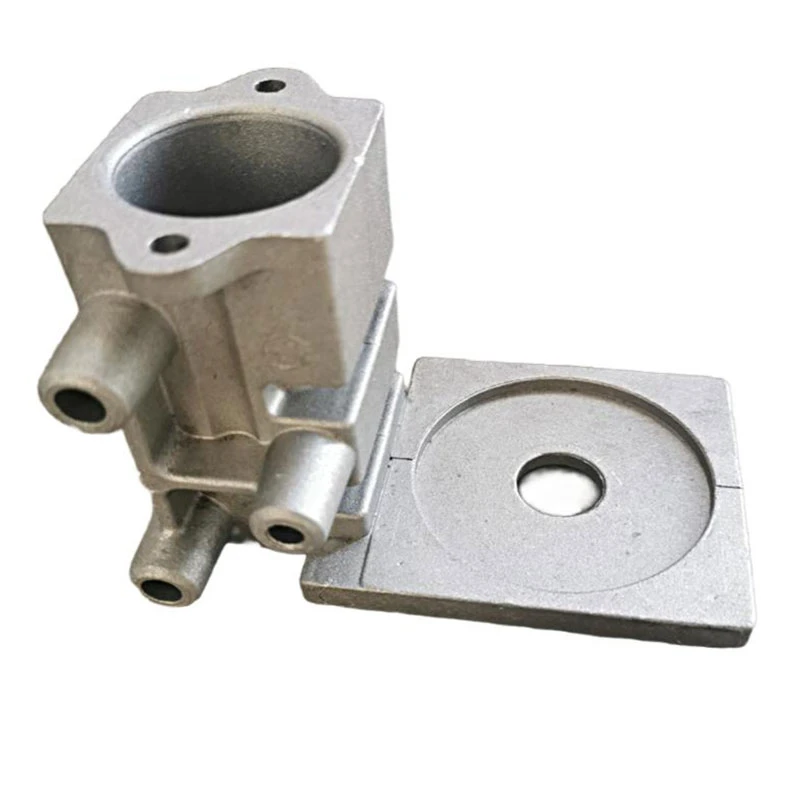
Let’s keep this simple. At their core, precision casting molds are carefully shaped cavities—frequently made of high-grade steel or ceramics—designed to form molten metal into exact shapes once cooled. They allow factories to craft everything from tiny gears inside watches to massive turbine blades in power plants.
Unlike basic sand casting done in open pits, these molds ensure exceptional surface finishes and ultra-tight tolerances, reducing or even eliminating secondary finishing procedures. Their connection to modern industry lies in enabling fast turnaround of durable parts that meet stringent quality and safety regulations—vital in aerospace, automotive, medical, and energy sectors.
On another note, that precision also means less material waste and energy consumption during production—important hooks for today’s ESG-conscious organizations.
Mini takeaway: Precision casting molds are engineered forms enabling complex metal shapes, critical for quality-focused industries and sustainability.
Key Features Driving Precision Casting Mold Excellence
1. Durability and Material Quality
High wear resistance is paramount because these molds repeatedly endure fiery molten metal under extreme temperatures and pressures. Superior steel alloys, sometimes reinforced with ceramic coatings, ensure molds sustain thousands of production cycles.
2. Scalability and Flexibility
Many manufacturers can customize molds for small batch prototype runs or full-scale mass production, allowing industries to pivot quickly. The mold design often accommodates varying part sizes or multiple cavities for efficiency.
3. Cost Efficiency
Though upfront mold costs can be notable, their lifespan and precision reduce waste and rework, delivering solid ROI over time. Less finishing and scrap mean manufacturing savings—and fewer delays.
4. Precision and Surface Finish
With tolerances routinely within microns, these molds produce parts ready for critical assemblies without extra machining, improving assembly lines’ consistency and product durability.
5. Compatibility with Advanced Alloys
These molds handle a broad range of materials—from stainless steels and superalloys to exotic titanium blends—necessary for sectors pushing performance boundaries.
Mini takeaway: Durability, flexibility, cost-efficiency, precision, and material compatibility make precision casting molds indispensable for demanding industries.
Global Applications and Real-World Use Cases
Across regions and sectors, precision casting molds underpin a vast array of applications:
- Aerospace: Manufacturing jet engine blades requiring flawless geometry and high fatigue resistance.
- Automotive: Complex transmission parts and high-performance engine components made with minimal waste.
- Energy: Turbine casings and valve components that endure harsh, high-temperature conditions.
- Medical Equipment: Surgical instruments and implants shaped with exacting precision to regulatory standards.
- Disaster Relief Infrastructure: Durable metallic parts for temporary shelters and water filtration units in post-catastrophe zones.
In Southeast Asia, many manufacturers offer cost-effective mold solutions tailored to rapidly industrializing economies, while in Europe, emphasis often tilts towards sustainability and innovation, evidenced by green casting processes.
Mini takeaway: Precision casting molds serve critical roles from aerospace to disaster relief, demonstrating versatility and global reach.
Advantages and Long-Term Value of Precision Casting Molds
Why invest in these molds? The benefits fold across both tangible and intangible realms:
- Economic Savings: Less scrap, quicker production, and reduced need for secondary machining save money.
- Environmental Benefits: Efficient material usage and energy-friendly processes lower carbon footprints.
- Social Impact: Reliable parts contribute to safety-critical systems—think airplane safety or clean water access.
- Innovation and Trust: Precision molds enable novel designs, helping companies stand out and build customer confidence.
Emotionally, knowing that a part was born from such refined technology fosters reliability and pride within manufacturing teams and end-users alike.
Mini takeaway: Precision casting molds offer economic efficiency, sustainability, improved safety, and a platform for innovation.
Looking Ahead: Trends Shaping the Future of Precision Casting Molds
The next decade promises exciting development:
- Integration of Digital Twins & Simulation: Engineers increasingly use virtual prototypes to optimize molds before fabrication, cutting costs and lead times.
- Use of Advanced Materials: Ceramic molds and 3D printed bi-metal molds enable intricate, smaller-lot productions with less wear.
- Automation and Robotics: Automated mold polishing and handling improves consistency and reduces human error.
- Sustainability Initiatives: Use of recyclable mold materials and eco-friendly casting methods aligns with global climate goals.
It feels like we’re just scratching the surface of how these molds will evolve, especially as additive manufacturing and AI-driven design blend with traditional foundry skills.
Mini takeaway: Digital modeling, new materials, automation, and sustainability will redefine precision casting molds’ capabilities.
Challenges in Precision Casting Molds & How Experts Overcome Them
Despite their strengths, these molds have challenges:
- High Initial Costs: Designing and fabricating intricate molds can be expensive upfront. However, experts mitigate this by modular designs that adapt molds for multiple parts.
- Material Limitations: Some exotic alloys cause faster mold degradation. Innovative coatings and heat treatments are solving this.
- Lead Time: Small, complex mold builds can take weeks. Rapid prototyping and 3D printing of mold components speed this up significantly.
- Skilled Labor Requirement: Precision casting demands highly trained technicians—training programs and AI-guided software are bridging gaps satisfactorily.
In real-life, many mold makers now collaborate with clients closely to tailor solutions that balance costs and precision pragmatically.
Mini takeaway: While initial expense and complexity remain, innovation and collaboration ease precision casting mold adoption worldwide.
Product Specifications at a Glance
| Specification | Value / Feature |
|---|---|
| Mold Material | H13 Steel & Ceramic Hybrid |
| Maximum Operating Temp. | 1,250°C (2270°F) |
| Tolerance Range | ±0.05 mm |
| Typical Mold Lifespan | Up to 5,000 casting cycles |
| Compatible Alloys | Steel, Stainless Steel, Aluminum, Titanium |
Comparing Leading Precision Casting Mold Vendors
| Vendor | Customization | Production Lead Time | Price Range | Sustainability Initiatives |
|---|---|---|---|---|
| MoldTech Inc. | High – Custom alloys for aerospace | 4-6 weeks | Premium | Recyclable mold materials |
| CastPro Solutions | Medium – Modular molds for automotive | 3-5 weeks | Mid-range | Energy-efficient processes |
| GreenCast Tech | Low – Standard molds, quick delivery | 2-3 weeks | Budget | Use of biodegradable binders |
FAQ: Common Questions About Precision Casting Molds
• What industries benefit most from precision casting molds?
Precision casting molds are essential in aerospace, automotive, medical devices, and energy sectors due to their ability to produce detailed, durable components with tight tolerances. Industries requiring high-quality, complex metal parts reap the biggest advantages.
• How does mold precision impact final product performance?
Greater mold precision means less machining and rework, resulting in better fit, improved mechanical strength, and increased reliability of parts, which is vital for safety-critical applications like aircraft engines or medical implants.
• Are precision casting molds environmentally friendly?
Modern molds reduce waste through precision and often incorporate sustainable materials or coatings. Coupled with efficient casting methods, they help manufacturers lower energy consumption and minimize scrap metal.
• Can molds be customized for small production runs?
Yes. Advances in mold design and 3D printing allow customization even for low-volume runs, which helps startups and niche markets prototype or produce limited quantities without exorbitant costs.
• What causes mold wear and how can it be minimized?
Repeated exposure to molten metals and thermal cycling shortens mold life. Using high-grade steel, ceramic coatings, and proper cooling systems helps extend mold durability significantly.
Conclusion
To sum up, precision casting molds are an indispensable part of modern manufacturing’s DNA, powering innovation, sustainability, and economic efficiency worldwide. They transform molten metal into life-saving parts, high-performing machinery, and infrastructure components that underpin daily life.
If your business aims to leverage these benefits or explore solutions custom-tailored to your needs, it’s well worth checking out trusted industry partners and technology pioneers. Visit our website for more insights and offerings on precision casting molds.
Here’s to precision powering progress, one mold at a time.
References:
1. ISO Standards on Precision Casting – iso.org
2. Global Casting Market Report 2023 – Industry Analysts Ltd.
3. United Nations Industrial Development Organization (UNIDO) Reports
-
Comprehensive Guide to Automotive Die Casting for Enhanced Vehicle PerformanceNewsJan.27,2026
-
Comprehensive Guide to Aluminum Pressure Die Casting Manufacturing ProcessesNewsJan.27,2026
-
Hot Chamber Die Casting vs Cold Chamber Die Casting ExplainedNewsJan.06,2026
-
Hot Chamber And Cold Chamber Die Casting Solutions for Industrial Applications | Hairun SourcingNewsJan.06,2026
-
Hot and Cold Chamber Die Casting: Key Insights from Industry ExpertsNewsJan.06,2026
-
Comprehensive Guide on Graphite Die Casting for B2B Manufacturing | HairunSourcingNewsJan.05,2026