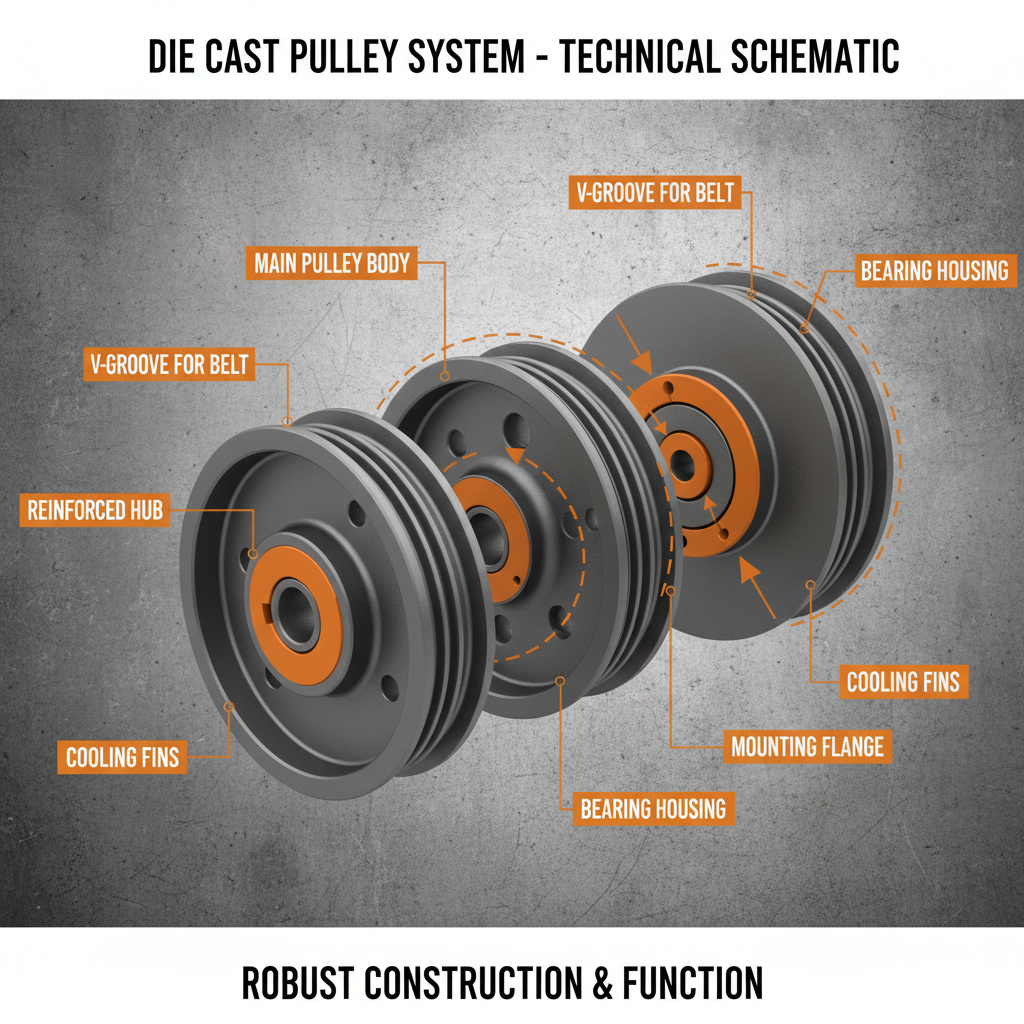
Die casting parts are essential components in a vast range of industries, from automotive and aerospace to electronics and medical devices. They offer a cost-effective and efficient method for producing complex metal shapes with high precision and repeatability. Understanding the nuances of die casting – its processes, materials, and applications – is crucial for engineers, manufacturers, and anyone involved in product development and supply chain management. The global demand for these parts continues to grow, driven by innovation and increasing production in key sectors.
The significance of die casting extends beyond mere manufacturing. It directly impacts the functionality, durability, and ultimately, the success of countless products we rely on daily. Optimizing die casting processes leads to reduced material waste, improved energy efficiency, and enhanced product performance. Furthermore, advancements in die casting technologies are enabling the creation of lighter, stronger, and more complex parts, opening up new possibilities in design and engineering.
In an increasingly competitive global market, the ability to source high-quality die casting parts efficiently and reliably is a key differentiator. Companies that prioritize innovation and excellence in die casting are positioned to thrive and meet the evolving demands of their customers. die casting parts are, therefore, central to modern industrial capabilities.
The Importance of Die Casting Parts
Die casting parts are foundational to many modern industries, providing a balance of precision, cost-effectiveness, and durability. They are frequently used when a large volume of identical parts is required, making them ideal for mass production scenarios. From the intricate components of an automobile engine to the housings of electronic devices, die casting parts contribute significantly to the functionality and reliability of countless products.
The ability to consistently produce complex geometries with tight tolerances is a hallmark of die casting. This precision reduces the need for secondary machining operations, lowering overall manufacturing costs and lead times. The robust nature of die casting also ensures that the final products are capable of withstanding demanding operating conditions.
Defining Die Casting Parts
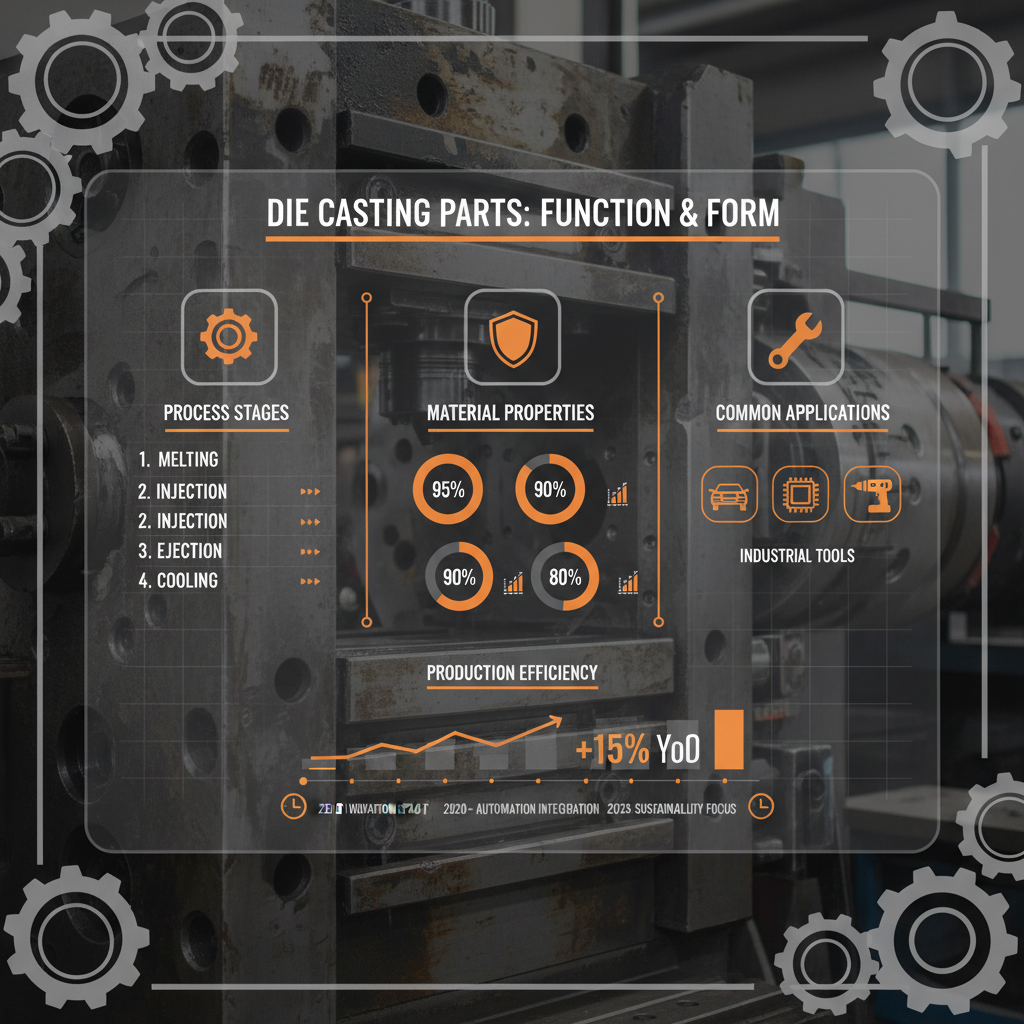
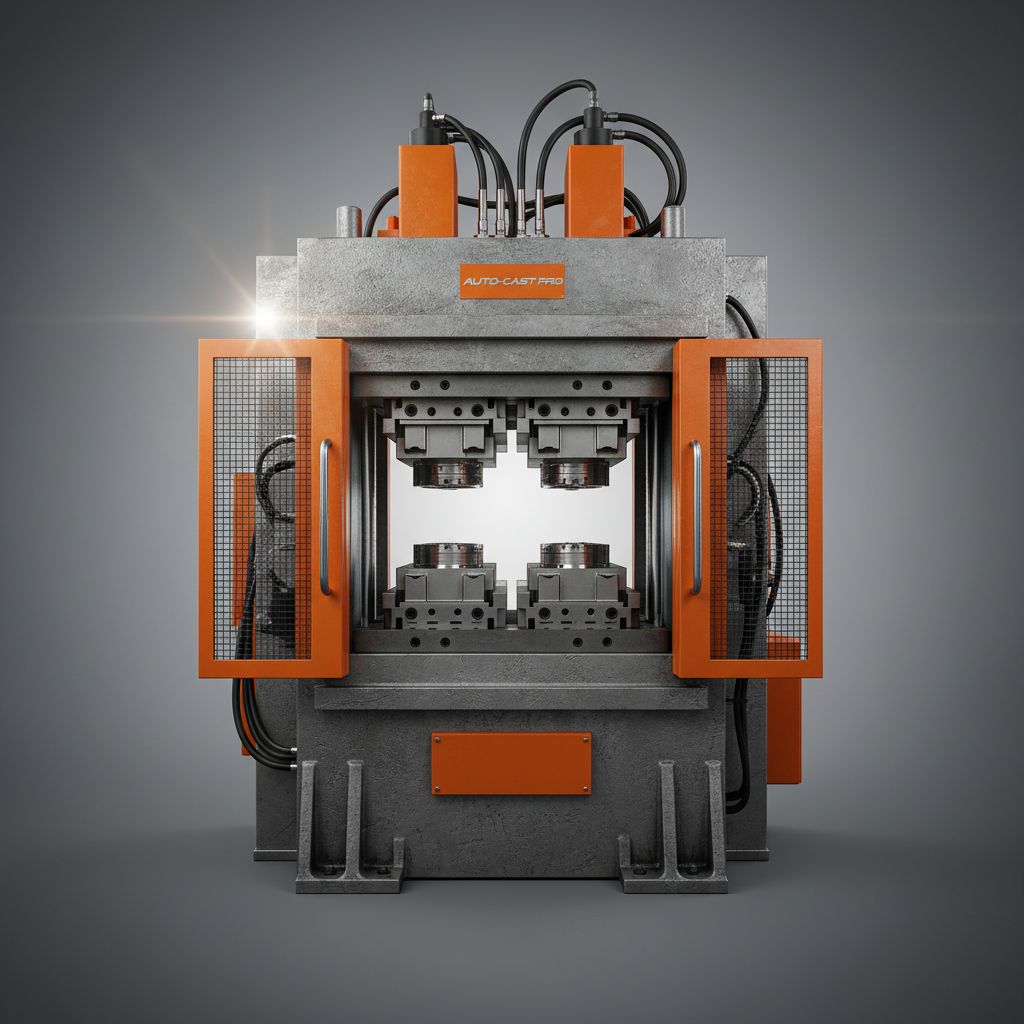
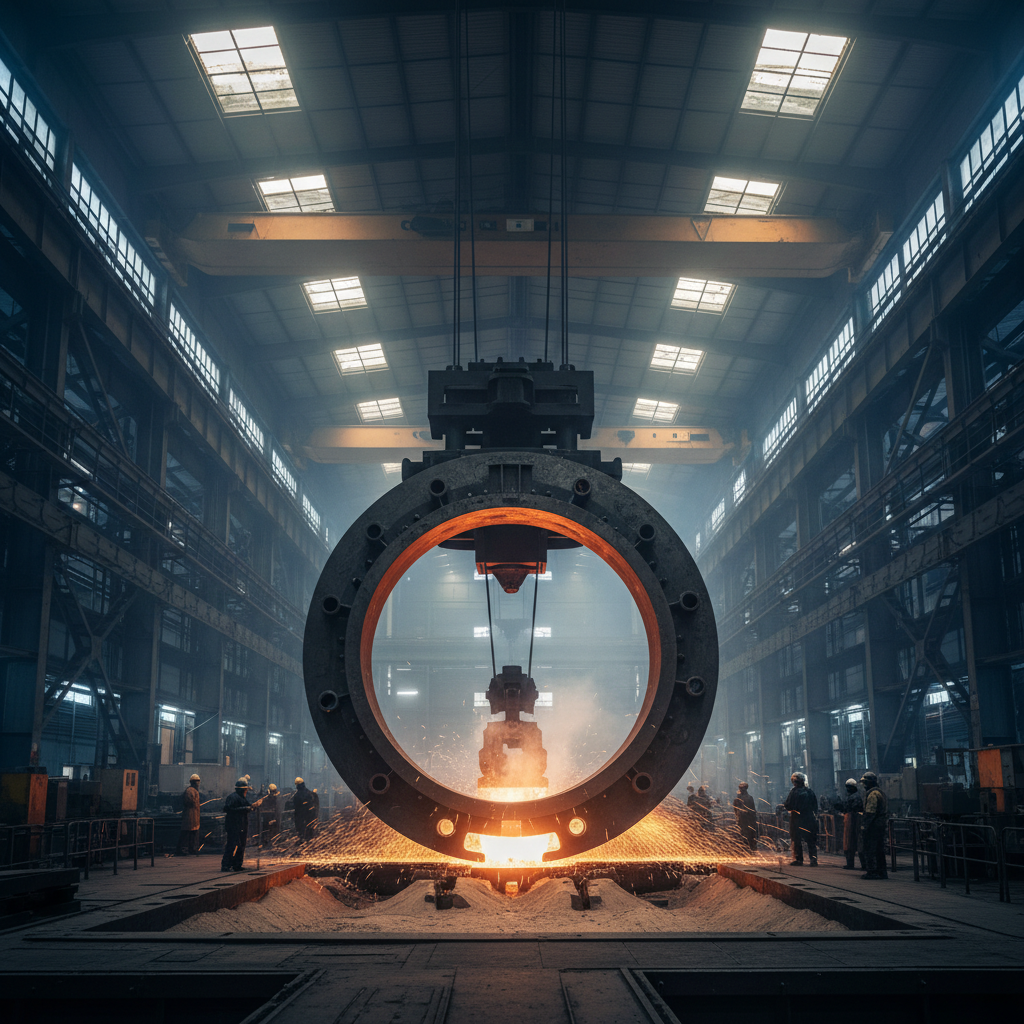
Die casting is a metal casting process characterized by forcing molten metal under high pressure into a mold cavity. This mold, or die, is typically made of steel and is designed with the exact shape of the desired part. Once the metal solidifies, the die is opened, and the casting is ejected. This process allows for the creation of intricate shapes with exceptional dimensional accuracy.
Unlike other casting methods, die casting excels in producing parts with thin walls and complex features. It is particularly well-suited for non-ferrous metals such as aluminum, zinc, magnesium, and copper alloys. The result is a strong, durable component requiring minimal finishing.
The connection between die casting and modern industry is undeniable. From enabling the mass production of affordable automobiles to powering the electronics that connect the world, die casting parts play a vital role in supporting our contemporary way of life. die casting parts are integral to innovation across sectors.
Core Characteristics of Die Casting Parts
One of the defining characteristics of die casting parts is their excellent surface finish. The high pressure involved in the process forces the molten metal to conform to the die's surface, resulting in a smooth, detailed casting with minimal porosity. This often eliminates the need for extensive finishing operations, saving time and money.
Another key characteristic is dimensional accuracy. The use of precisely machined dies, combined with the controlled solidification process, allows for the production of parts that meet stringent tolerances. This is particularly crucial in applications where tight fits and precise functionality are essential. die casting parts deliver consistent quality.
Furthermore, die casting produces parts with high strength and hardness, making them ideal for demanding applications. The rapid cooling rate contributes to a fine grain structure, enhancing the material's mechanical properties. The choice of alloy further influences the final characteristics, allowing for tailoring the part’s properties to specific requirements.
Key Advantages: Why Choose Die Casting?
The advantages of die casting are numerous. First and foremost is cost-effectiveness, especially for large production runs. While the initial investment in tooling can be substantial, the cost per part decreases significantly as volume increases. This makes die casting a highly competitive manufacturing process.
Furthermore, die casting offers excellent repeatability, ensuring consistent quality across all produced parts. This is vital for maintaining product reliability and minimizing defects. The ability to create complex shapes with intricate details also opens up design possibilities that are difficult or impossible to achieve with other manufacturing methods.
Die Casting Methods Comparison
Global Applications of Die Casting Parts
Die casting parts find applications across a diverse spectrum of industries. The automotive sector relies heavily on die casting for engine blocks, transmission housings, and various structural components, contributing to lighter vehicles and improved fuel efficiency. The electronics industry utilizes die casting for housings for laptops, smartphones, and other devices, providing durable and aesthetically pleasing enclosures.
Aerospace utilizes die casting for components where high strength-to-weight ratios are crucial. Medical devices also benefit from die casting’s precision and ability to create complex shapes for instruments and equipment. These applications span regions worldwide, from manufacturing hubs in Asia to advanced engineering facilities in North America and Europe.
Long-Term Value and Benefits
Investing in high-quality die casting parts delivers long-term value through increased product reliability and reduced maintenance costs. The durability of die cast components translates into a longer product lifespan, minimizing the need for replacements and repairs. This not only saves money but also enhances customer satisfaction.
From a sustainability perspective, die casting can contribute to a more circular economy. Many die casting alloys are highly recyclable, reducing reliance on virgin materials and minimizing environmental impact. The process also optimizes material usage, minimizing waste generation. die casting parts offer tangible sustainability advantages.
Future Trends in Die Casting Technology
The future of die casting is marked by a wave of innovation. One key trend is the increasing use of multi-material die casting, combining different alloys or materials within a single component to achieve specific performance characteristics. This allows for optimized designs and enhanced functionality.
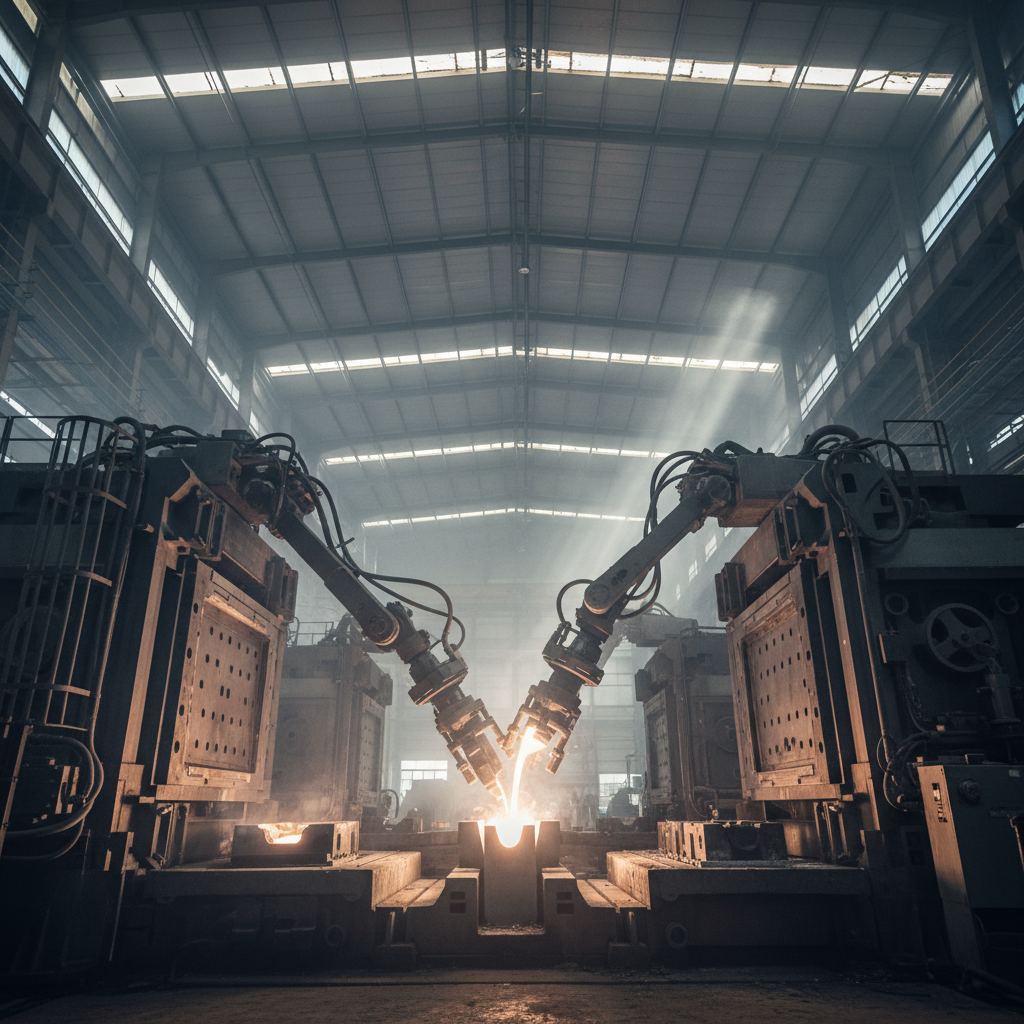
Another emerging trend is the integration of automation and artificial intelligence (AI) into die casting processes. AI-powered systems can monitor and optimize critical parameters, leading to improved quality control and reduced cycle times. Furthermore, advancements in die materials and coating technologies are extending die life and improving casting quality.
Sustainability initiatives are driving the development of eco-friendly die casting alloys and processes. The focus on reducing energy consumption and minimizing waste will continue to shape the future of this vital manufacturing technology.
Analysis of Common Issues and Solutions in Die Casting Parts Production
| Issue Category |
Severity Level (1-10) |
Potential Solutions |
Implementation Cost (USD) |
| Porosity |
7 |
Vacuum die casting, optimized venting |
10,000 - 50,000 |
| Die Wear |
8 |
Die coatings, optimized die temperature |
5,000 - 20,000 |
| Shrinkage |
6 |
Riser design, controlled cooling rates |
2,000 - 10,000 |
| Flash |
5 |
Die maintenance, optimized clamping force |
1,000 - 5,000 |
| Surface Defects |
4 |
Improved die polishing, alloy selection |
3,000 - 15,000 |
| Ejection Marks |
3 |
Optimized ejector pin placement, die design |
500 - 2,000 |
FAQS
The most commonly used alloys in die casting are aluminum, zinc, and magnesium. Aluminum alloys offer excellent strength-to-weight ratio and corrosion resistance, making them ideal for automotive and aerospace applications. Zinc alloys provide high strength, good castability, and resistance to corrosion, commonly used in hardware and consumer products. Magnesium alloys are exceptionally lightweight and offer good damping characteristics, often utilized in aerospace and portable electronics.
Die casting stands out due to its high pressure injection, resulting in excellent dimensional accuracy, smooth surface finish, and the ability to produce complex shapes. Compared to sand casting, die casting offers tighter tolerances and better surface quality but is typically more expensive for low-volume production. Compared to investment casting, die casting is faster and more cost-effective for large production runs, though investment casting can achieve more intricate designs.
The lead time for die casting tooling can vary depending on the complexity of the part and the toolmaker's workload. Generally, it takes between 4 to 8 weeks to design and manufacture a die. More complex parts with intricate features or tight tolerances may require longer lead times. Expedited tooling services are available, but at a higher cost.
Common surface finishing options for die casting parts include powder coating, painting, plating (such as chrome or nickel), anodizing (for aluminum), and polishing. The choice of finishing depends on the desired appearance, corrosion resistance, and functional requirements of the part. Powder coating is a popular choice for its durability and cost-effectiveness, while plating provides a decorative and protective finish.
While die casting offers many advantages, it has limitations. The high initial tooling cost makes it less suitable for low-volume production. Also, die casting is generally limited to non-ferrous metals. Parts with very complex internal geometries can be challenging to cast due to ejection difficulties. Furthermore, certain alloys may be prone to porosity if the process isn’t carefully controlled.
Several strategies can help reduce die casting costs. Designing for manufacturability (DFM) is crucial, minimizing complexity and avoiding features that increase machining time. Optimizing part geometry, simplifying wall thicknesses, and utilizing standard components can all contribute to cost savings. Sourcing from reputable suppliers and leveraging economies of scale through large production runs also helps lower the per-part cost.
Conclusion
In conclusion, die casting parts are foundational components driving innovation and efficiency across a multitude of industries. Their unique combination of cost-effectiveness, precision, and durability makes them indispensable for mass production and complex applications alike. Understanding the intricacies of die casting – from material selection and process optimization to emerging technologies – is essential for staying competitive in today’s global market.
Looking ahead, continued advancements in automation, materials science, and sustainability practices will further enhance the capabilities and value of die casting. Companies that embrace these innovations and prioritize quality and reliability will be well-positioned to meet the evolving demands of their customers and contribute to a more sustainable future. For high-quality die casting parts and expert solutions, visit our website today!