


Castings are fundamental manufacturing processes used globally across diverse industries, from aerospace and automotive to healthcare and construction. Their ability to create complex shapes with high precision and material versatility makes them indispensable for modern production. Understanding the nuances of different casting techniques, material properties, and quality control measures is crucial for engineers, manufacturers, and policymakers alike. The consistent demand for castings drives innovation in materials science, process automation, and sustainable practices, ensuring their continued relevance in a rapidly evolving industrial landscape.
The global castings market is a multi-billion dollar industry, reflecting the widespread need for customized metal components. Factors such as economic growth, infrastructure development, and technological advancements directly impact the demand for castings. However, challenges like fluctuating raw material costs, skilled labor shortages, and increasing environmental regulations necessitate continuous adaptation and improvement within the sector. Addressing these issues through research, collaboration, and the adoption of best practices is paramount for maintaining competitiveness and ensuring the long-term sustainability of the castings industry.
Ultimately, the quality and reliability of castings significantly contribute to the safety, performance, and longevity of end products. This makes castings not merely a production process, but a critical component in delivering safe and functional goods to consumers worldwide.
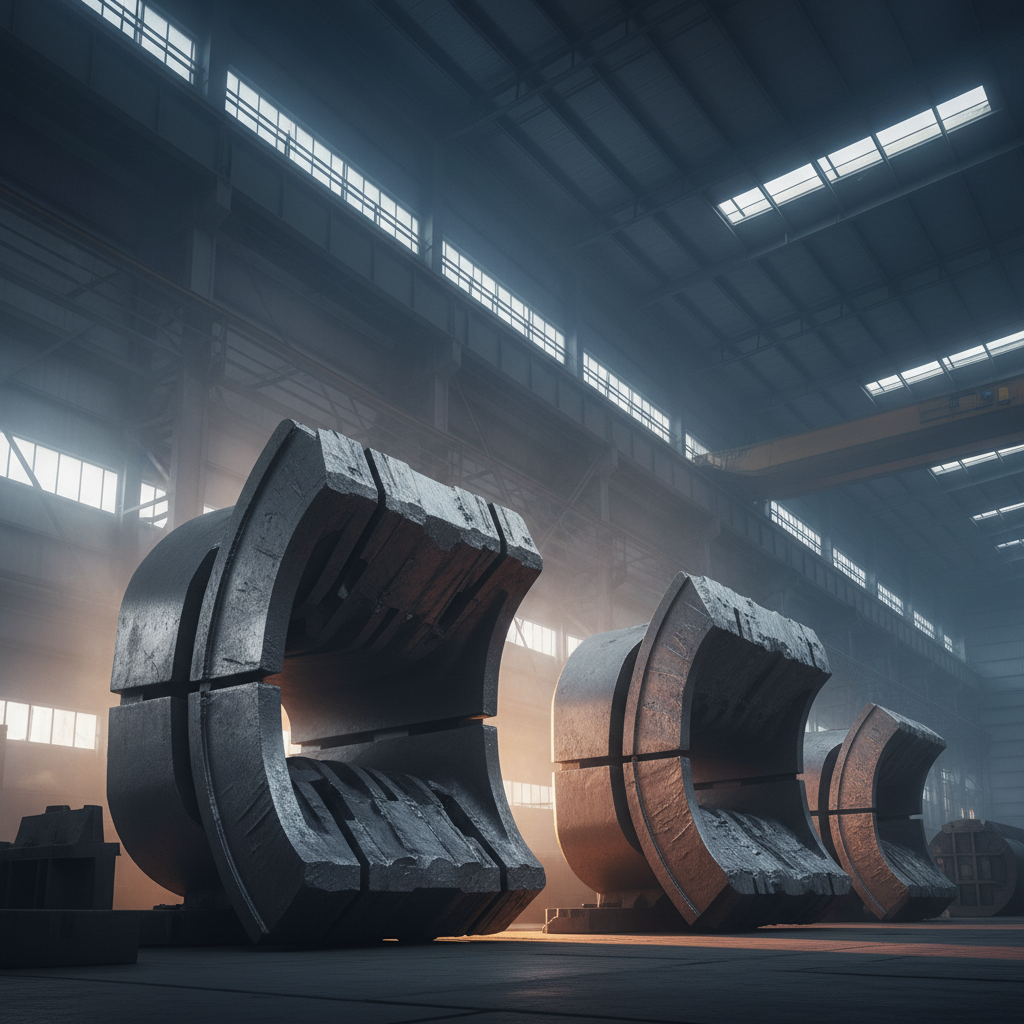
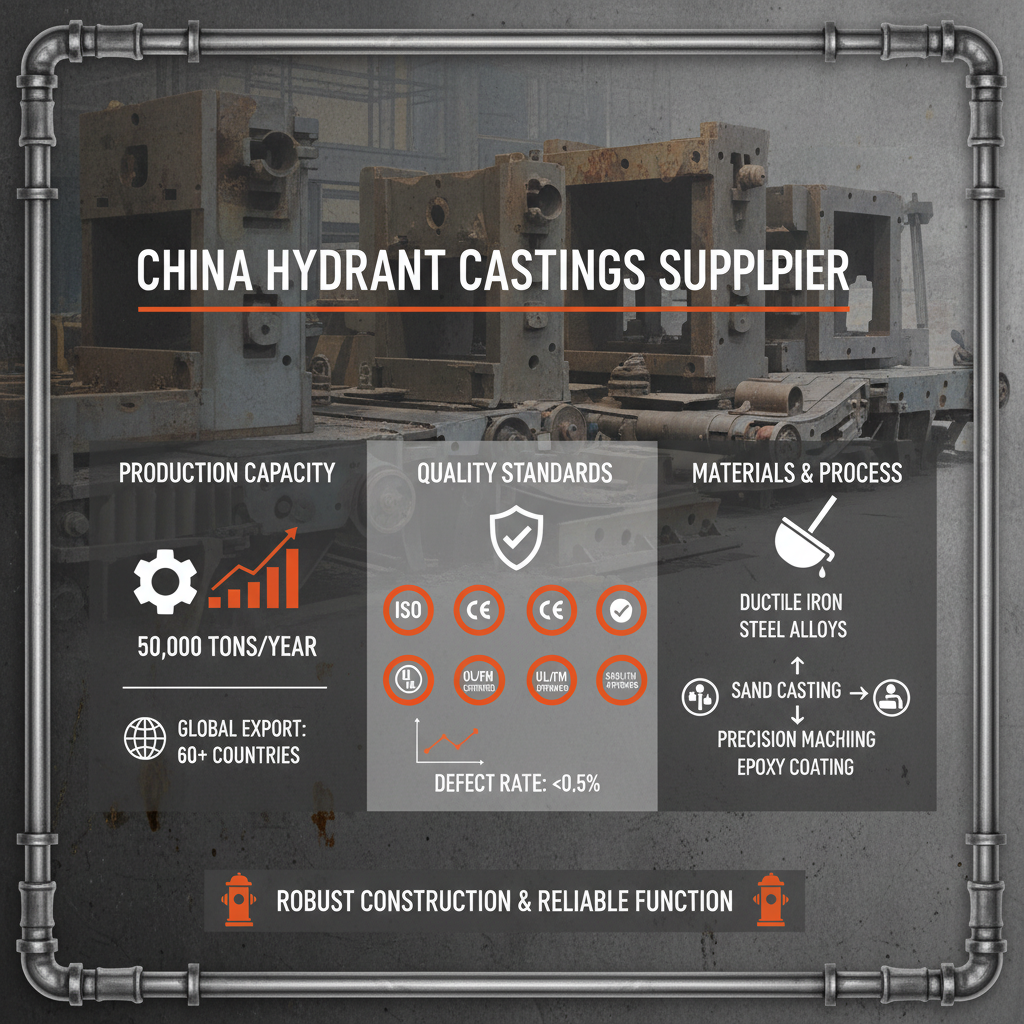
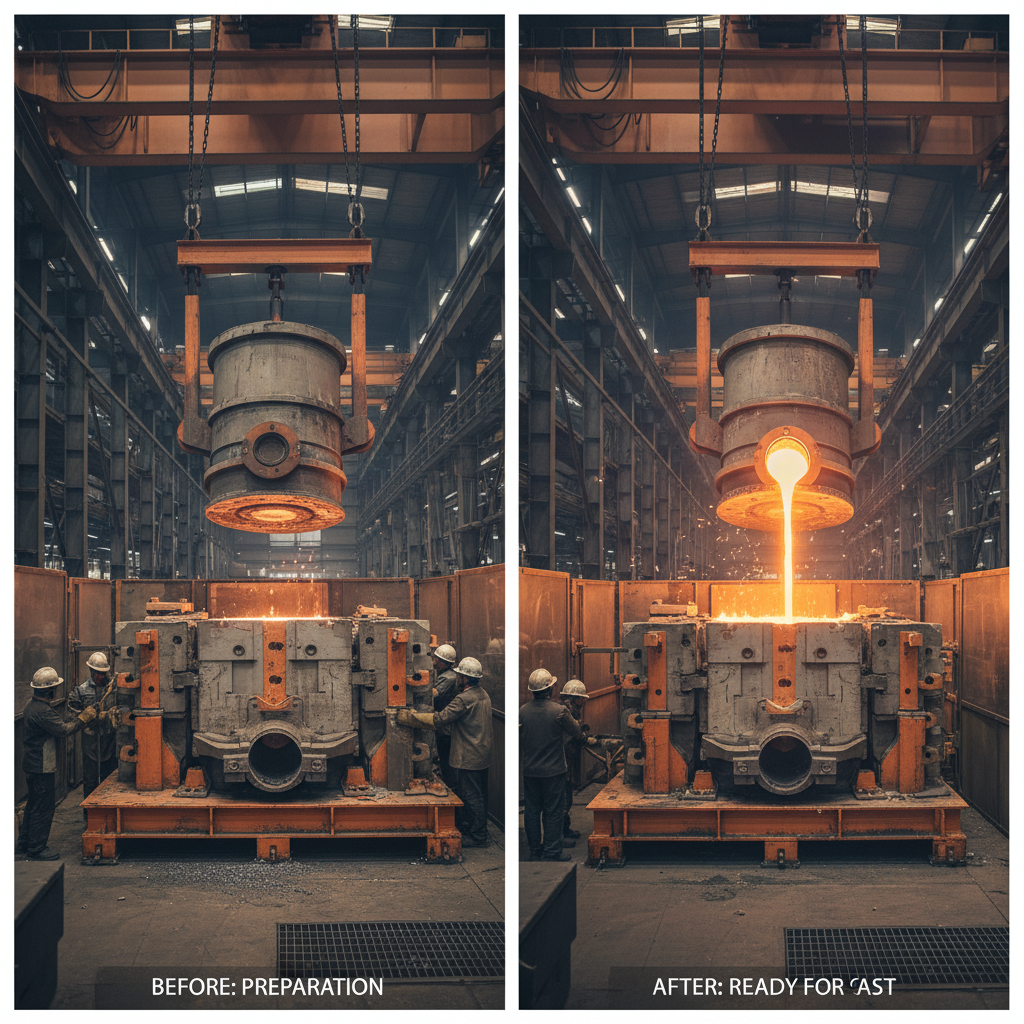
Castings are a versatile and essential process in manufacturing, creating a wide array of metal components for nearly every industry imaginable. They involve pouring molten metal into a mold, allowing it to solidify, and then removing the solidified part. This foundational process enables the production of intricate shapes and large-scale components that would be difficult or impossible to achieve with other manufacturing methods.
The historical development of castings is deeply intertwined with the progress of metallurgy and engineering. From early bronze castings to modern high-precision steel castings, the process has continually evolved to meet the demands of increasingly complex applications. The ability to reliably produce complex geometries from various metals makes castings invaluable across numerous sectors.
Castings excel in producing complex geometries and large parts with relatively low tooling costs, especially for lower production volumes. Unlike forging, which requires substantial force, or machining, which is subtractive, castings can create intricate internal features and net-shape components, minimizing waste and secondary operations. The versatility in material selection is also a significant benefit.
Each casting process offers a different balance of quality, cost, and production speed. Sand casting is the most versatile but offers lower dimensional accuracy. Die casting delivers high precision and is suitable for high volumes, but tooling costs are higher. Investment casting provides exceptional accuracy and surface finish but is typically reserved for complex, lower-volume parts. The best choice depends on the application’s specific requirements.
Common defects include porosity (gas bubbles), shrinkage cavities, misruns (incomplete filling), and surface imperfections. Prevention involves careful control of melting temperatures, pouring rates, mold design, and material composition. Proper venting, degassing, and using appropriate mold materials are crucial for minimizing defects and ensuring high-quality castings.
Yes, castings can absolutely be made from a significant percentage of recycled materials. Utilizing scrap metal reduces the demand for virgin resources, lowers energy consumption associated with mining and refining, and minimizes landfill waste. This contributes to a more sustainable manufacturing process and a smaller environmental footprint.
Quality control involves various methods, including visual inspection for surface defects, dimensional measurements using calipers and coordinate measuring machines (CMMs), radiographic testing to detect internal flaws, and mechanical testing to assess strength and ductility. Non-destructive testing methods like ultrasonic testing and liquid penetrant inspection are also frequently used.
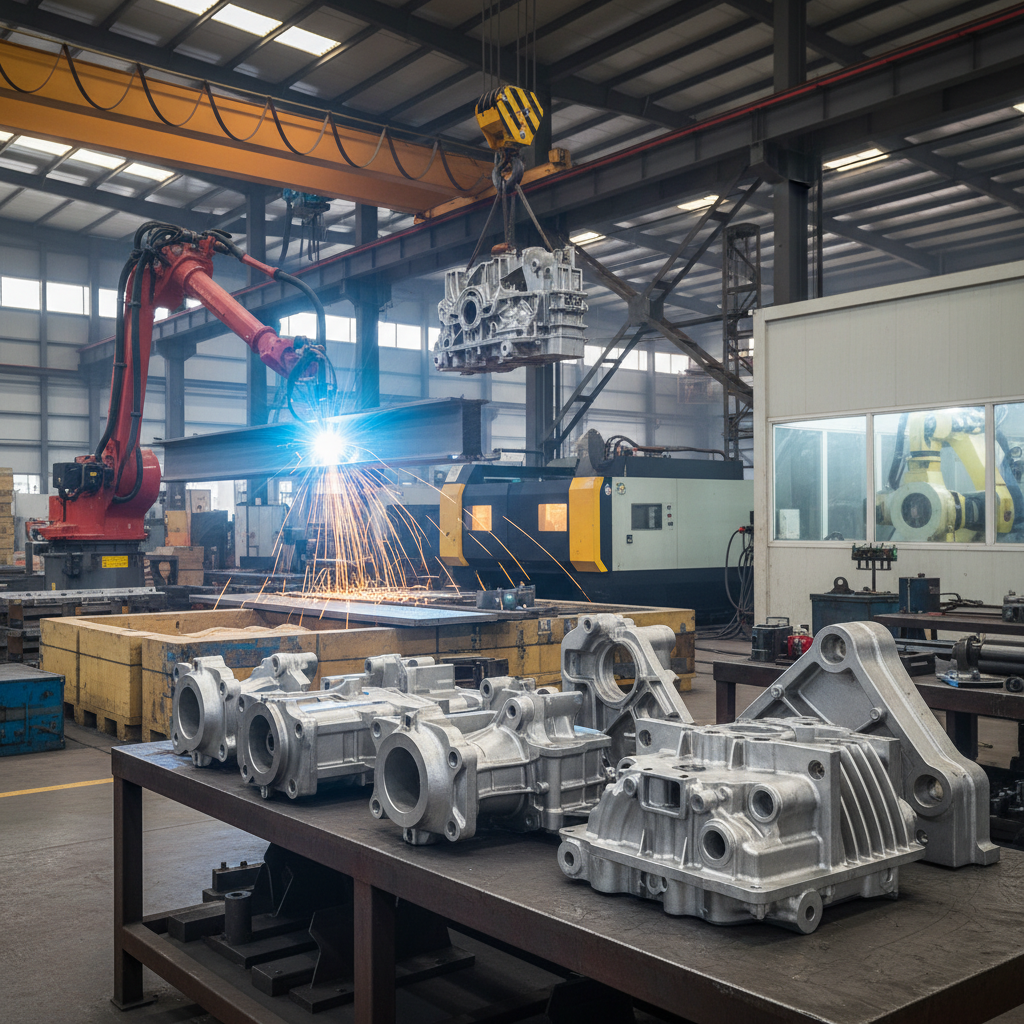
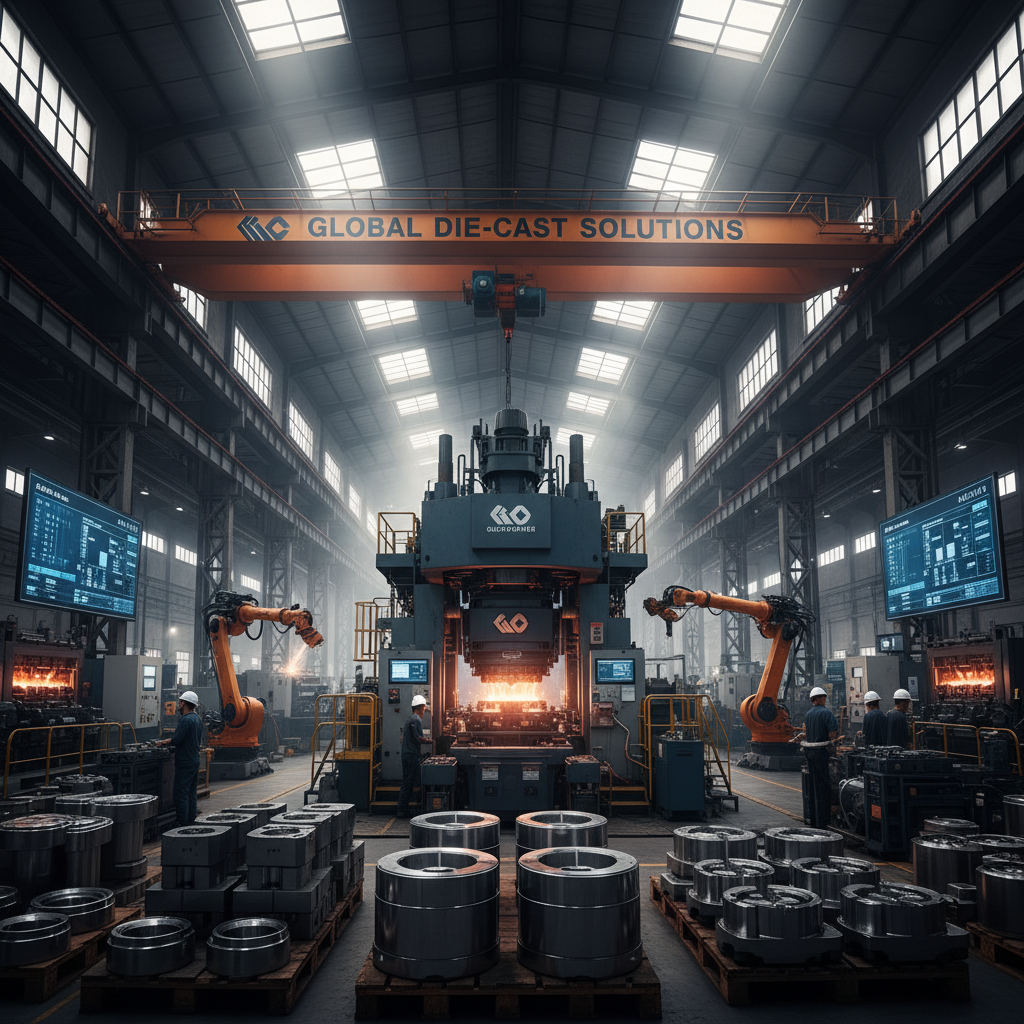
Automation and robotics are streamlining many aspects of the castings process, from mold making and core assembly to pouring and finishing. This leads to increased efficiency, reduced labor costs, improved consistency, and enhanced safety. Automated inspection systems also provide faster and more accurate quality control.
In conclusion, castings remain a cornerstone of modern manufacturing, providing a versatile and cost-effective solution for creating a vast range of metal components. From automotive and aerospace to energy and infrastructure, castings underpin countless essential products and systems. Understanding the various casting processes, material properties, and quality control measures is vital for engineers, manufacturers, and policymakers alike.
Looking ahead, the castings industry is poised for further innovation through the adoption of additive manufacturing, digitalization, and sustainable practices. By embracing these advancements and addressing current challenges, the industry can continue to deliver high-quality, reliable, and environmentally responsible solutions for decades to come. For more information and to explore our range of casting solutions, visit our website: castings.