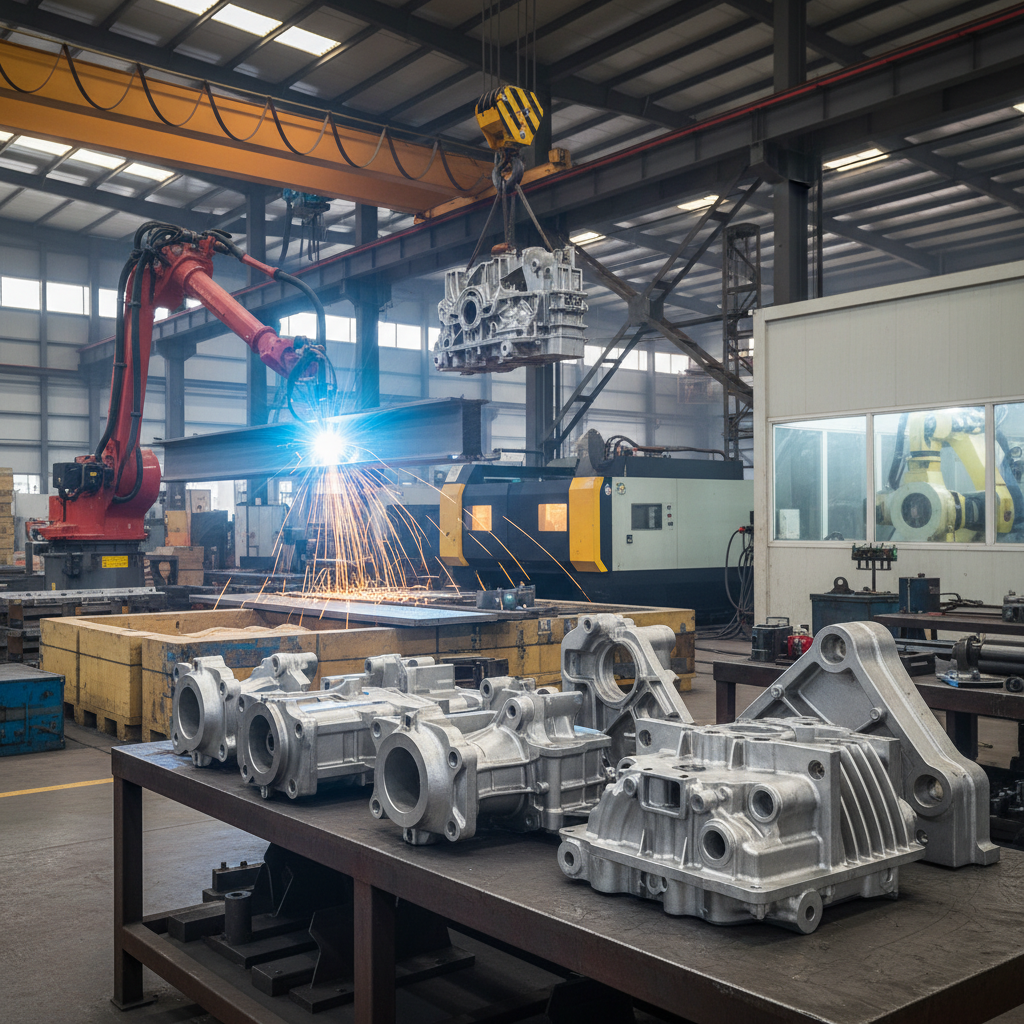
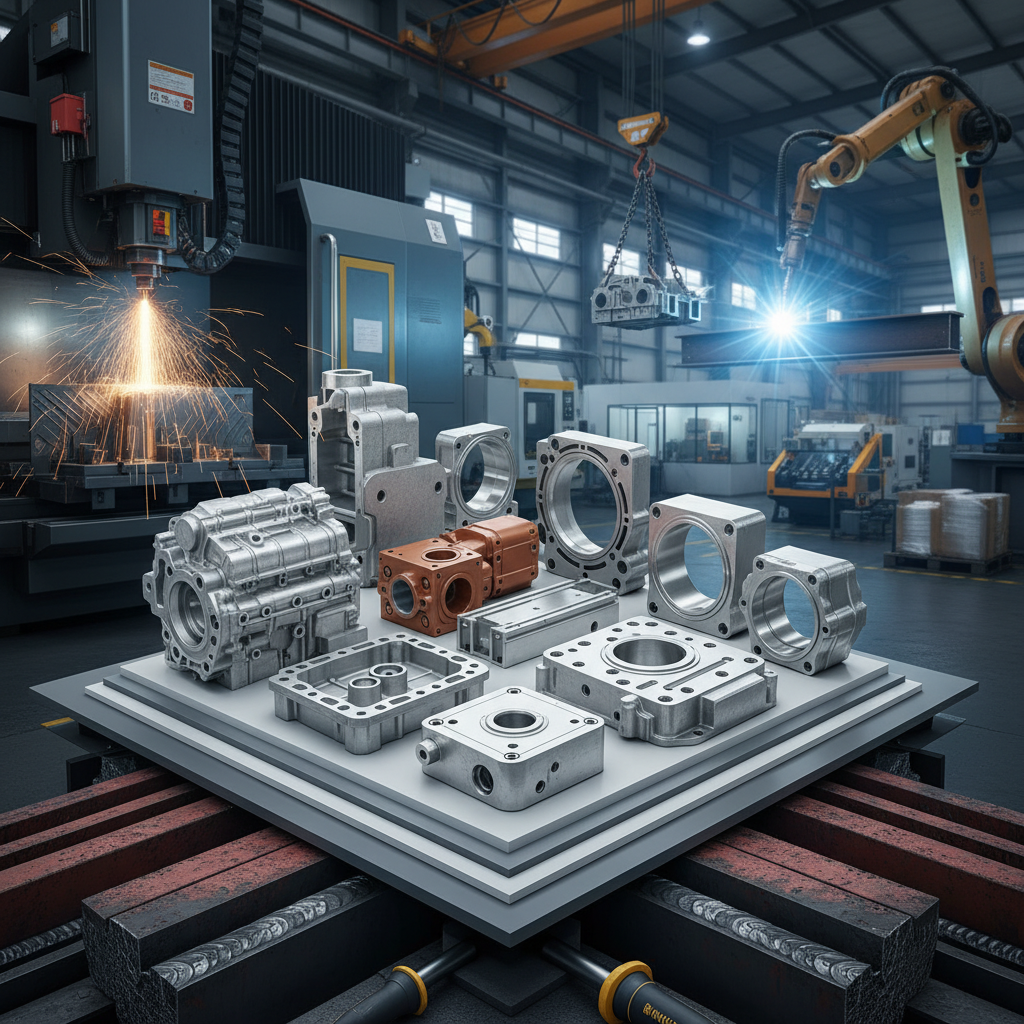
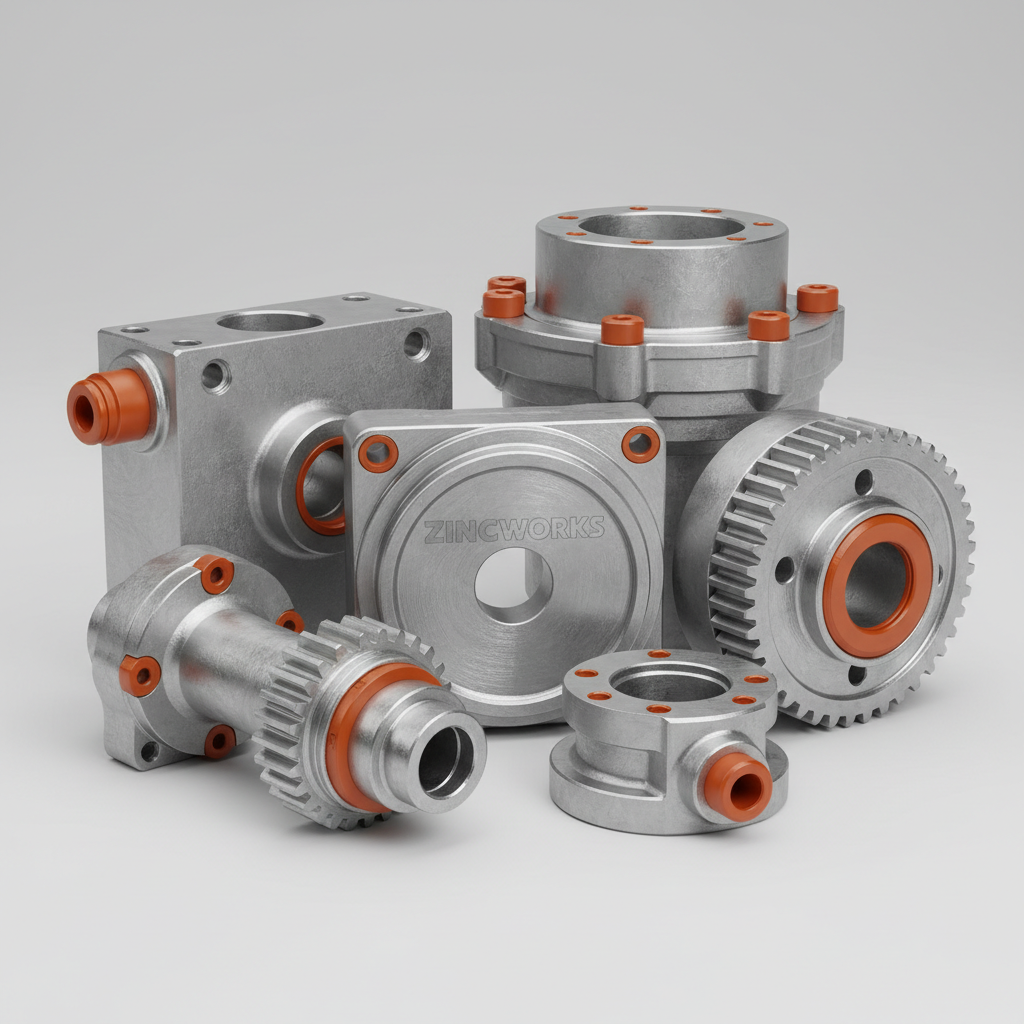
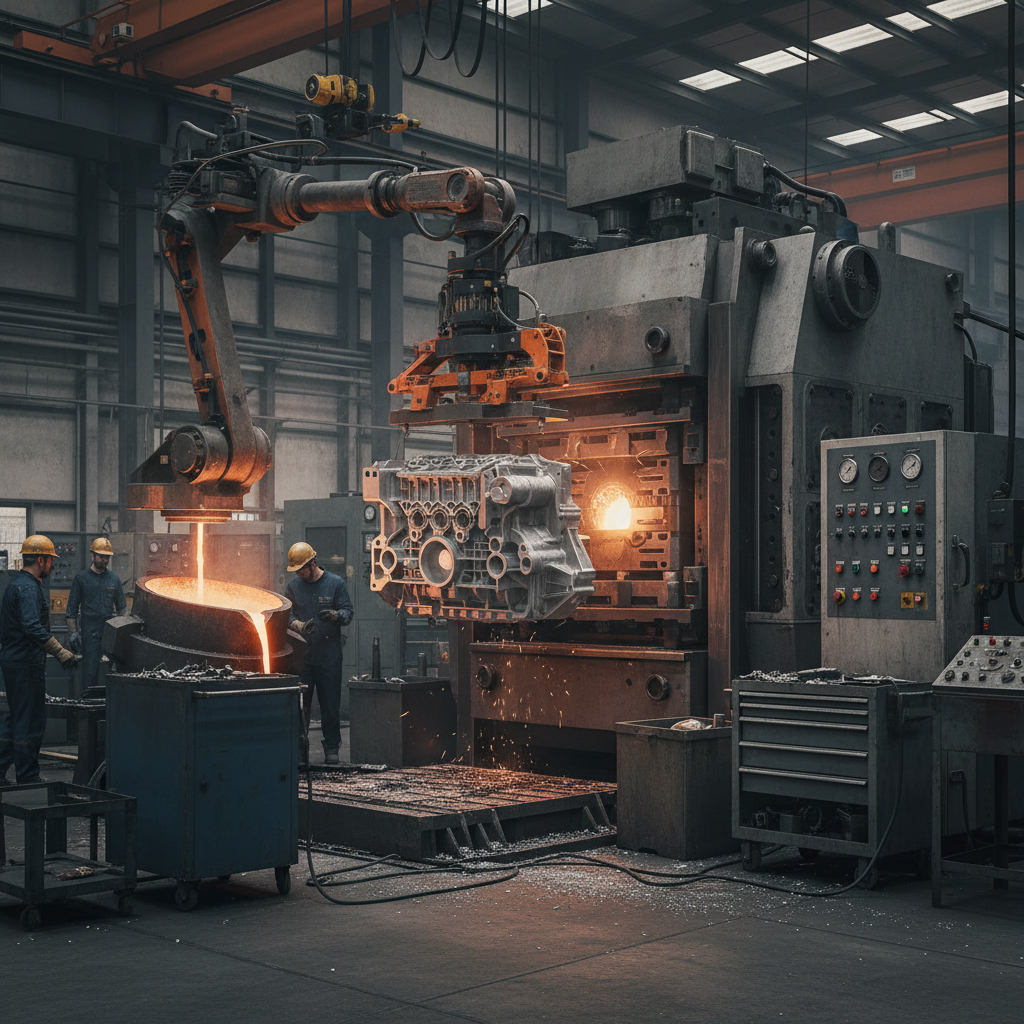
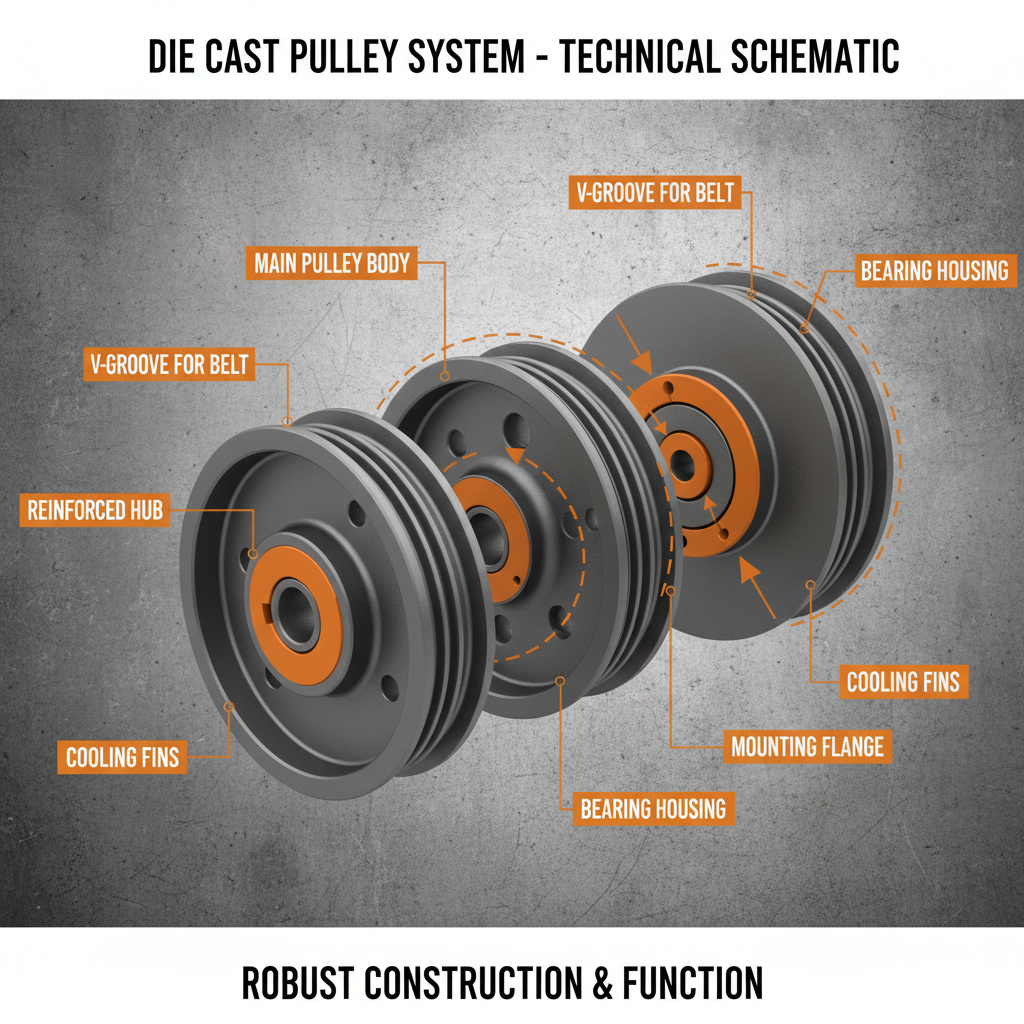
The global manufacturing landscape has seen a significant shift toward lightweight yet durable materials, placing aluminium casting parts at the forefront of industrial innovation. From automotive engines to aerospace frameworks, these components provide an optimal balance of strength-to-weight ratio, ensuring that modern machinery operates with higher efficiency and lower fuel consumption.
Understanding the nuances of aluminium casting is not merely a technical requirement but a strategic advantage for companies aiming to optimize their supply chains. By leveraging advanced casting techniques, manufacturers can reduce material waste and accelerate production cycles, meeting the rigorous demands of a competitive global market.
Whether through die casting or precision sand casting, the versatility of these components allows for complex geometries that would be nearly impossible or prohibitively expensive to achieve through traditional machining. This flexibility is why aluminium casting parts remain indispensable across diverse sectors including electronics, medical devices, and heavy machinery.
Global Relevance of Aluminium Casting Parts
In the current industrial era, the demand for aluminium casting parts has surged as the world pivots toward "green" transportation and energy-efficient infrastructure. According to global metallurgical trends and ISO standards, the adoption of aluminium alloys has increased significantly due to their recyclability and the ability to lower the overall mass of vehicles, which directly correlates to reduced CO2 emissions.
However, the industry faces a persistent challenge: balancing the need for high-volume production with the stringent precision requirements of high-tech sectors. This tension has driven a global movement toward integrating AI-driven mold design and automated quality control to ensure that every component meets exact specifications without compromising lead times.
Defining Modern Aluminium Casting Parts
At its most basic level, aluminium casting parts are components created by pouring molten aluminium alloy into a mold, which then solidifies into a predetermined shape. This process is far more than just "melting and pouring"; it is a sophisticated science involving thermal dynamics, alloy chemistry, and precision engineering to eliminate porosity and structural weaknesses.
These parts are integral to modern industry because they bridge the gap between raw material and functional machinery. Whether it is a complex engine block or a simple heat sink for a server, the ability to cast aluminium allows engineers to design parts that are both lightweight and structurally sound, supporting the rapid evolution of robotics and aerospace.
From a humanitarian and economic perspective, the scalability of aluminium casting means that essential equipment—such as medical ventilators or water filtration housings—can be produced quickly and affordably. This capability ensures that critical technology can be deployed across various economic zones, regardless of the local availability of high-end CNC machining centers.
Core Components of Quality Casting
Achieving excellence in aluminium casting parts starts with material purity and alloy selection. The choice between A356 or A380 alloys, for example, determines whether a part is better suited for structural integrity or high-pressure die casting efficiency.
Durability and scalability are the twin pillars of commercial success. By optimizing the cooling rate and gating system, manufacturers can ensure that the internal grain structure of the aluminium is uniform, preventing stress fractures and ensuring that the parts can withstand extreme operational pressures over years of service.
Cost efficiency is further realized through the integration of near-net-shape casting. This approach minimizes the amount of secondary machining required, reducing waste and lowering the total cost of ownership for the end client while maintaining the tight tolerances required for precision assemblies.
Global Applications and Industrial Use Cases
The application of aluminium casting parts spans the entire globe, from the high-tech hubs of Silicon Valley to the heavy industrial zones of Southeast Asia. In the automotive sector, they are used for transmission cases and engine cylinders, where heat dissipation and weight reduction are critical for performance.
In more specialized contexts, such as remote industrial zones or post-disaster reconstruction, aluminium's corrosion resistance makes it the ideal choice for outdoor electrical housings and structural brackets. Its ability to withstand harsh environments without the need for heavy protective coatings makes it a sustainable choice for long-term infrastructure projects.
Performance Comparison of Aluminium Casting Methods
Long-Term Value and Sustainability
The true value of investing in high-quality aluminium casting parts lies in their lifecycle sustainability. Aluminium is one of the most recyclable materials on earth; recycling it requires only 5% of the energy used to produce primary aluminium, making it a cornerstone of the circular economy.
Beyond the environmental impact, there is a profound logical and emotional value in reliability. When a critical part in a medical device or an aircraft fails, the cost is not just financial—it is a matter of safety and trust. Precision casting ensures that components perform consistently under pressure, providing peace of mind to engineers and end-users alike.
Future Trends in Casting Innovation
Looking ahead, the integration of "Industry 4.0" is transforming the production of aluminium casting parts. Digital twins and simulation software now allow engineers to predict shrinkage and porosity before a single drop of metal is poured, virtually eliminating trial-and-error waste.
Automation and additive manufacturing (3D printing) are also converging with traditional casting. We are seeing the rise of 3D-printed sand molds, which allow for incredibly complex internal geometries that were previously impossible, enabling the creation of lightweight heat exchangers with optimized fluid dynamics.
Furthermore, the shift toward green energy is driving the development of new, low-carbon aluminium alloys. These innovations ensure that the components used in electric vehicles (EVs) and wind turbines are not only efficient in operation but also sustainable in their origin.
Overcoming Challenges in Aluminium Casting
Despite its advantages, aluminium casting is not without challenges. Gas porosity and shrinkage cavities can compromise the structural integrity of a part, leading to premature failure in high-stress applications. To overcome this, expert foundries employ vacuum casting and advanced degassing techniques to ensure the molten metal is pure and free of trapped gases.
Another common limitation is the surface finish of certain casting methods, such as sand casting. To address this, many manufacturers implement a hybrid approach—combining casting with precision CNC machining for critical mating surfaces, ensuring that the part has the complexity of a casting and the precision of a machined component.
Finally, the volatility of raw material prices can impact project budgets. The solution lies in strategic sourcing and the use of recycled aluminium alloys, which not only stabilize costs but also enhance the sustainability profile of the final product.
Comparative Analysis of Aluminium Casting Quality Solutions
| Challenge Dimension |
Common Issue |
Expert Solution |
Effectiveness (1-10) |
| Structural Integrity |
Gas Porosity |
Vacuum Degassing |
9 |
| Dimensional Accuracy |
Mold Shrinkage |
Simulation Modeling |
8 |
| Surface Finish |
Sand Roughness |
Secondary Machining |
10 |
| Production Cost |
Material Waste |
Near-Net-Shape Design |
7 |
| Environmental Impact |
High Carbon Footprint |
Secondary Alloy Use |
9 |
| Lead Time |
Tooling Latency |
Rapid Prototyping |
8 |
FAQS
Aluminium casting parts offer a significantly higher strength-to-weight ratio, which is crucial for reducing fuel consumption in vehicles and aircraft. Additionally, aluminium naturally forms a protective oxide layer, providing superior corrosion resistance compared to steel without requiring expensive plating or painting, making it more cost-effective over the long term.
The choice depends on volume and complexity. Die casting is ideal for high-volume production of parts with tight tolerances and smooth finishes. Sand casting is more suitable for low-volume prototypes or very large, heavy components where the high cost of a metal die would be prohibitive.
Yes, but it depends on the alloy. Specific aluminium alloys are designed for heat resistance and are widely used in engine components and heat sinks. However, for extreme temperatures (above 400-500°C), other materials might be necessary. We recommend consulting with a materials engineer to select the correct alloy for your thermal requirements.
Porosity is controlled through a combination of melt degassing (using nitrogen or argon), optimized gating systems to prevent turbulence, and precise temperature control during the pouring and cooling phases. Advanced foundries also use X-ray or ultrasonic testing to ensure internal structural integrity.
Absolutely. Aluminium is infinitely recyclable. Using recycled aluminium for casting parts reduces energy consumption by up to 95% compared to primary production. Furthermore, the lightweight nature of these parts helps reduce the carbon footprint of the vehicles and machines they are installed in.
Lead times vary based on the method. Sand casting can be very fast for prototypes (days to weeks) since it doesn't require permanent tooling. Die casting requires a tooling phase (weeks to months) but allows for extremely rapid production once the molds are finalized.
Conclusion
In summary, aluminium casting parts represent a critical intersection of material science and industrial efficiency. From their unmatched weight-to-strength ratio and exceptional corrosion resistance to their vital role in the global shift toward sustainable manufacturing, these components are the building blocks of modern engineering. By integrating advanced simulation, precision machining, and eco-friendly alloys, manufacturers can deliver parts that meet the most demanding specifications of today's global market.
As we move toward a future defined by electric mobility and automated production, the importance of high-quality casting will only grow. We encourage engineers and procurement specialists to look beyond simple cost-per-part and instead focus on the total lifecycle value—considering durability, recyclability, and precision. For those seeking a reliable partner in high-precision aluminium solutions, we invite you to explore our capabilities. Visit our website: www.hairunsourcing.com