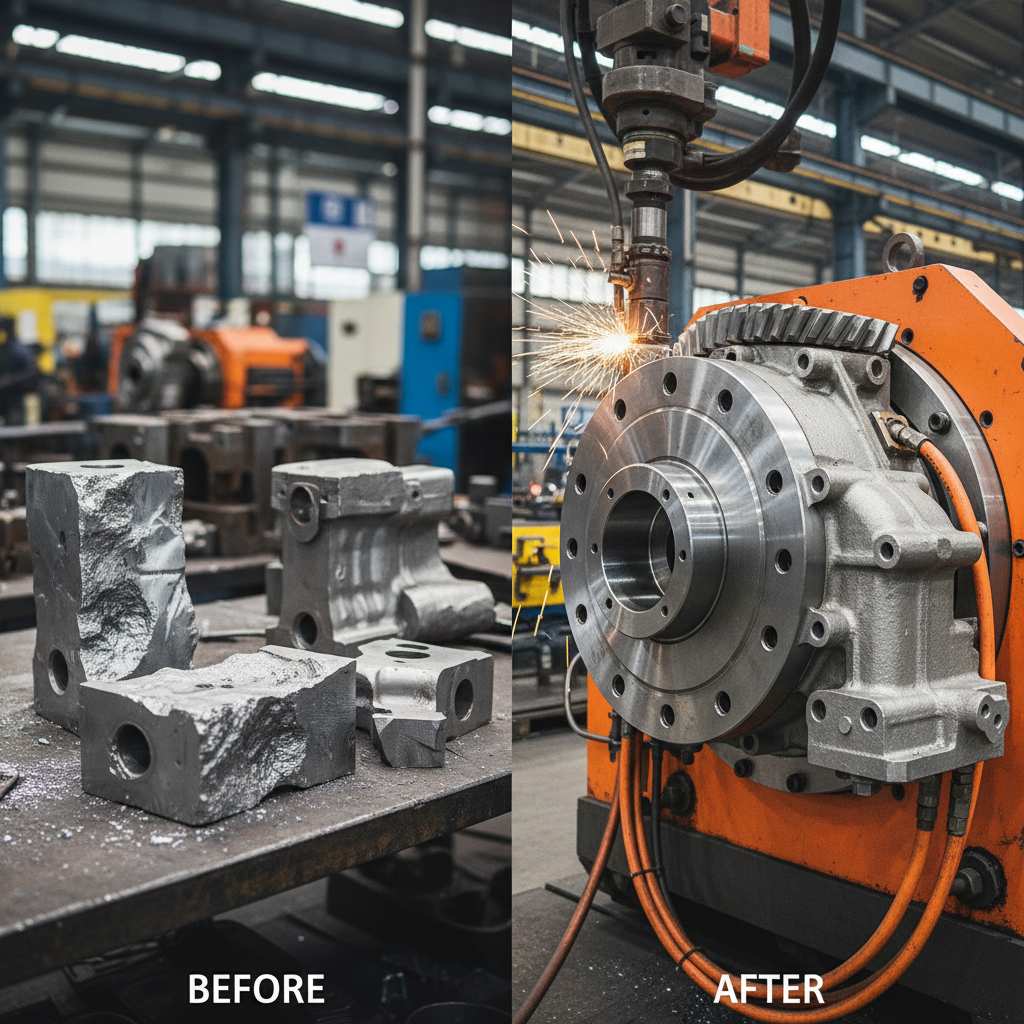
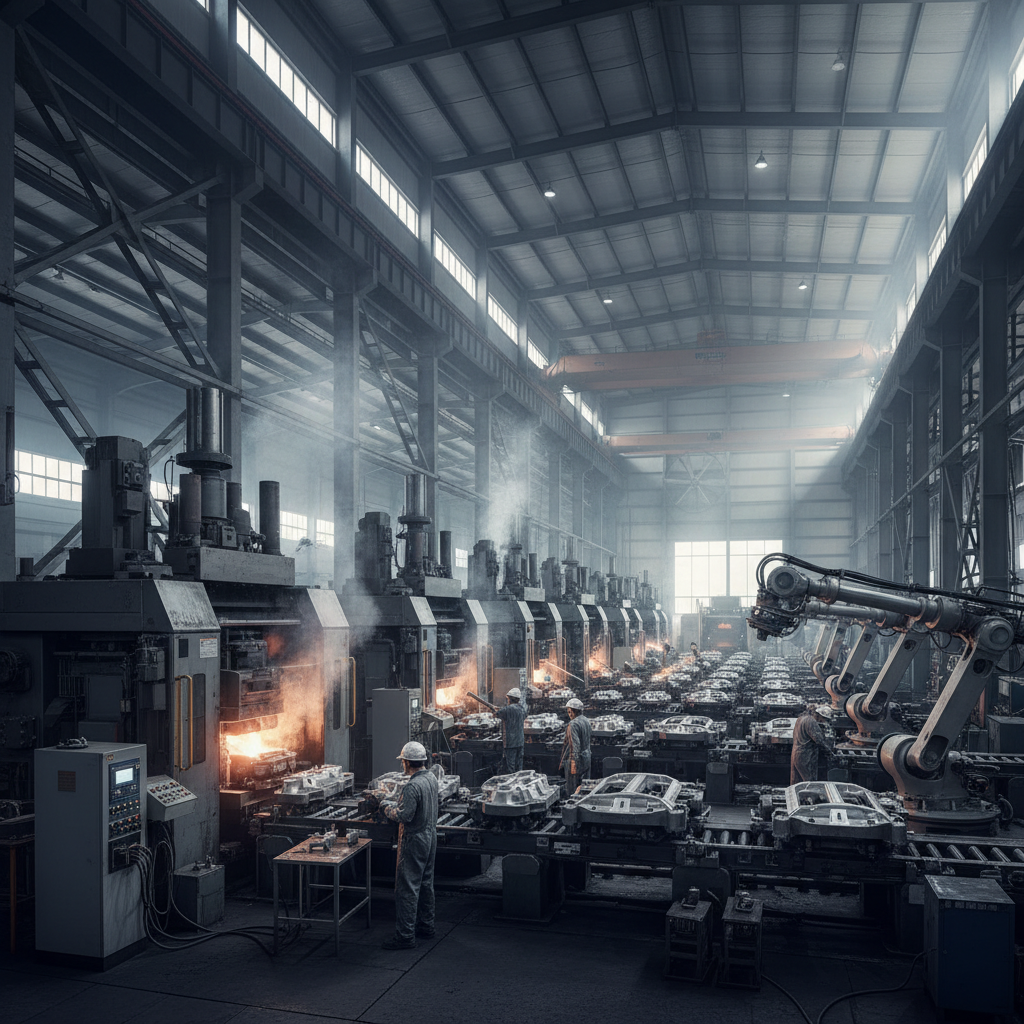
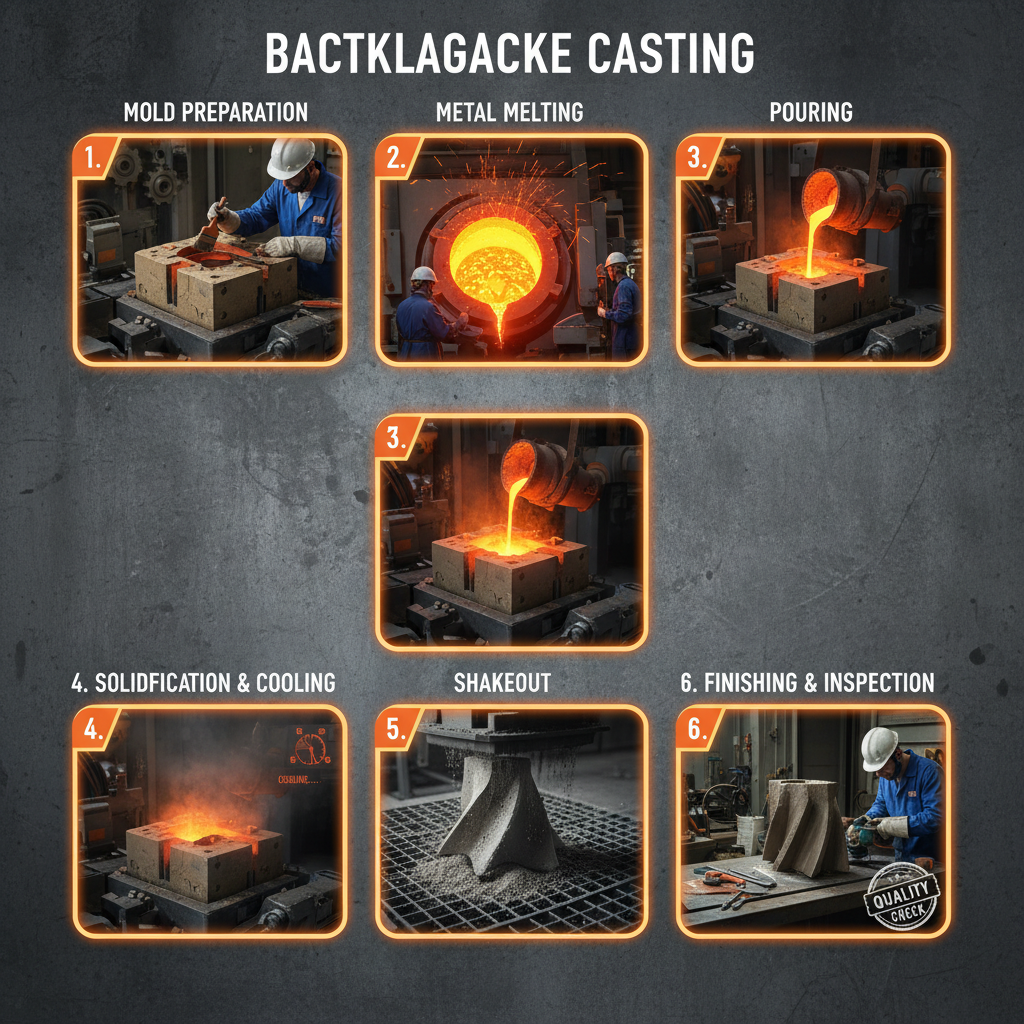
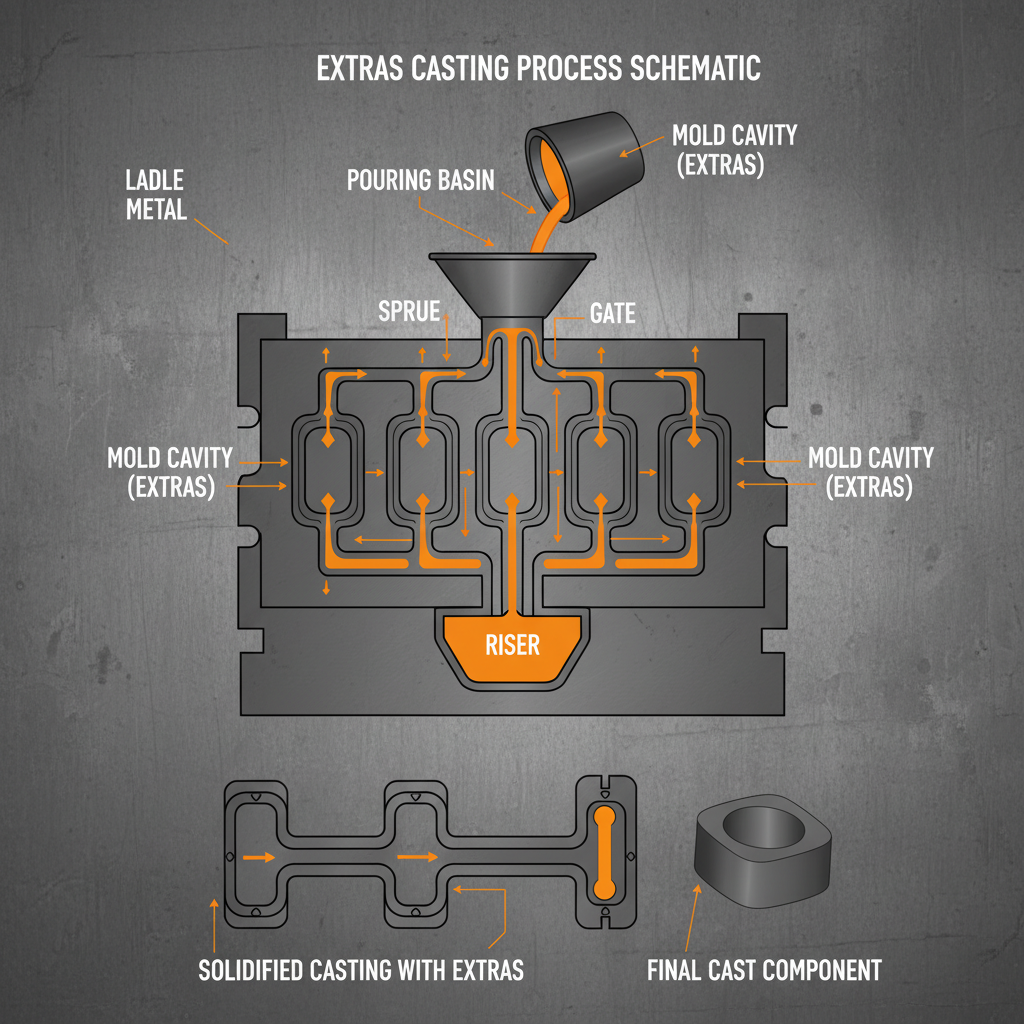
The modern industrial landscape relies heavily on the ability to produce complex, high-strength metal components with extreme precision and speed. Among the most effective methods for achieving this is alloy die cast, a process that pushes molten metal into precise molds under high pressure to create intricate parts. This technology has become the backbone of sectors ranging from automotive engineering to aerospace, where the balance of weight reduction and structural integrity is paramount.
Understanding the nuances of alloy die casting is not merely a technical necessity but a strategic advantage for manufacturers globally. By optimizing material selection and mold design, companies can significantly reduce cycle times and waste, directly impacting the bottom line while improving product quality. As global supply chains evolve, the demand for high-performance alloy die cast components continues to grow, driven by the need for sustainable and lightweight materials.
From the intricate housings of consumer electronics to the critical engine components of electric vehicles, the application of this process is ubiquitous. This guide explores the technical depths, global economic impact, and future innovations of alloy die casting, providing a comprehensive roadmap for engineers and procurement specialists looking to leverage this powerful manufacturing capability for long-term operational success.
Global Relevance of Alloy Die Cast
On a global scale, the adoption of alloy die cast processes has been instrumental in the mass production of high-quality metal parts. According to industrial standards aligned with ISO quality management, the ability to maintain tight tolerances across millions of units is what allows the automotive and electronics industries to scale. The global shift toward "light-weighting"—reducing the mass of vehicles to increase fuel efficiency and battery range—has placed die casting at the center of the industrial revolution.
However, the industry faces a critical challenge: balancing the high initial cost of tooling with the need for rapid prototyping and shorter product lifecycles. Many manufacturers struggle with porosity and surface defects that can compromise the structural integrity of a part. By integrating advanced simulation software and precision alloy mixtures, the industry is now overcoming these hurdles, ensuring that die-cast components meet the rigorous safety standards required for critical infrastructure and transport.
Defining Alloy Die Cast in Modern Industry
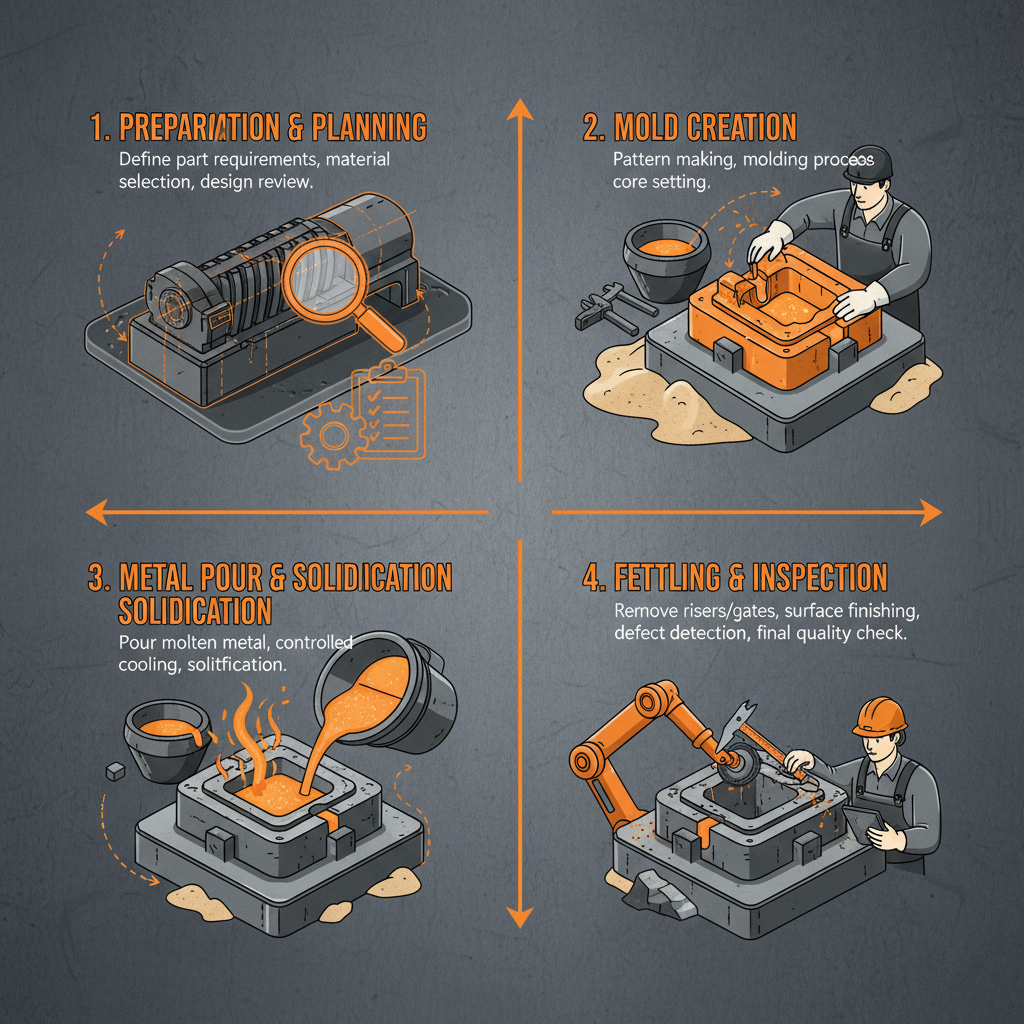
In simple terms, alloy die cast is a manufacturing process where molten metal alloys—most commonly zinc, aluminum, or magnesium—are forced under high pressure into a reusable steel mold (the die). Unlike sand casting, which is slower and less precise, die casting allows for the creation of complex geometries with thin walls and a smooth surface finish, virtually eliminating the need for extensive secondary machining.
This process is deeply connected to the needs of modern urban infrastructure and humanitarian logistics. For instance, the production of lightweight, durable housings for medical devices or telecommunications equipment depends on the efficiency of die casting. Its ability to produce parts rapidly and consistently means that critical hardware can be deployed to remote regions or disaster zones more quickly and affordably than through traditional fabrication methods.
Beyond the technical definition, alloy die casting represents a marriage of materials science and mechanical engineering. By manipulating the chemical composition of the alloy, manufacturers can tailor the part's properties—such as corrosion resistance, thermal conductivity, and tensile strength—to meet the specific demands of the end application, whether it be a heat sink for a server or a structural bracket for a satellite.
Core Components of Casting Success
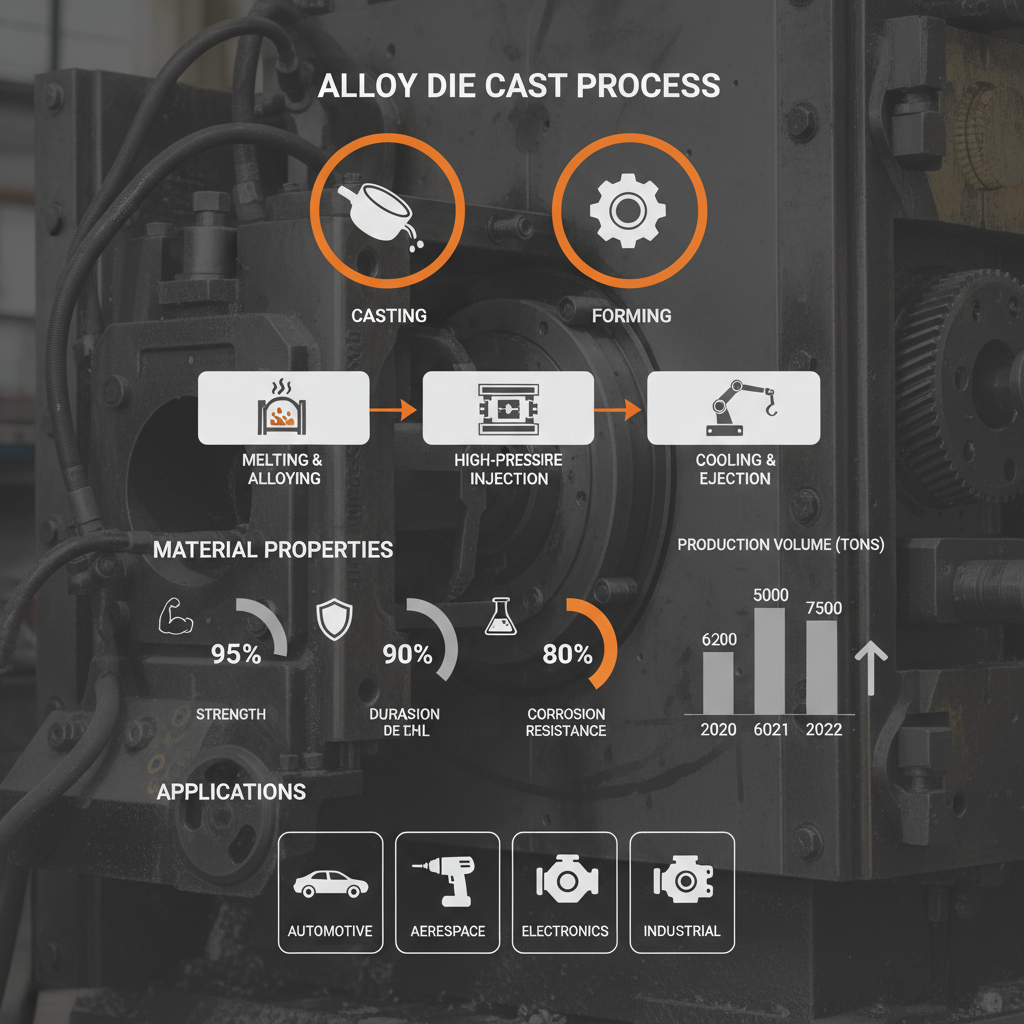
The success of any alloy die cast project begins with Material Durability. Selecting the right alloy is crucial; aluminum offers a lightweight yet strong profile, while zinc provides exceptional dimensional stability and ease of plating. This foundation ensures that the part can withstand the stresses of its operational environment without premature failure.
Scalability and Precision are the hallmarks of this process. Because the steel dies are engineered for longevity, the process can produce thousands of identical parts with minimal deviation. This consistency is vital for assembly lines where components from different suppliers must fit together perfectly, reducing the risk of assembly errors and waste.
Finally, Cost Efficiency and Design Optimization play a pivotal role. Through "Design for Manufacturing" (DfM) principles, engineers can reduce the number of individual parts by consolidating several components into a single complex die-cast piece. This not only lowers the cost of materials and labor but also increases the overall strength of the final product by removing unnecessary joints and fasteners.
Performance Metrics and Cost Efficiency
When evaluating the effectiveness of an alloy die cast operation, manufacturers typically look at the trade-off between cycle time and part quality. High-pressure die casting (HPDC) offers the fastest production speeds, making it ideal for high-volume consumer goods, whereas vacuum die casting is utilized when absolute structural integrity and porosity-free metal are required for safety-critical components.
The economic value is further realized through the reduction of scrap rates and the optimization of energy consumption during the melting phase. By using recycled alloys, companies can lower their carbon footprint while maintaining the physical properties of the cast parts, creating a sustainable loop that benefits both the environment and the corporate balance sheet.
Comparative Performance of Alloy Die Cast Methods
Global Applications and Sectoral Use Cases
The application of alloy die cast parts spans the globe, with heavy concentrations in the industrial hubs of East Asia, Europe, and North America. In the automotive sector, die-cast aluminum is used for engine blocks and transmission cases, providing the necessary thermal management and strength while significantly reducing vehicle curb weight to meet stringent emission standards.
Beyond transport, we see these solutions in remote industrial zones and critical infrastructure. For example, in the deployment of 5G telecommunications towers, die-cast alloy housings protect sensitive electronic components from extreme weather conditions and corrosion. Similarly, in the medical field, precision die casting is used to create lightweight, sterile-grade equipment frames that allow for better mobility in emergency rooms and field hospitals.
Long-Term Value and Sustainability
The long-term value of choosing alloy die cast extends far beyond the initial unit price. By producing parts that are more durable and require less maintenance, industries can reduce the total cost of ownership for their end-users. This reliability builds trust and enhances the brand dignity of manufacturers who can guarantee the longevity of their products in the face of wear and tear.
From a sustainability perspective, die casting is inherently more efficient than subtractive manufacturing (like CNC milling from a solid block). It produces significantly less material waste, as excess metal from the runners and overflows can be remelted and reused immediately. This circular approach to metallurgy aligns with global green initiatives and ESG (Environmental, Social, and Governance) goals.
Moreover, the innovation in alloy compositions is allowing for the creation of "green alloys" that require lower melting temperatures, thereby reducing the carbon emissions associated with the casting process. This transition ensures that the industry remains viable in a future defined by carbon taxes and strict environmental regulations.
Future Trends in Casting Innovation
The future of alloy die cast is being shaped by the digital transformation of the factory floor. The integration of "Industry 4.0" technologies, such as real-time sensor monitoring within the die, allows manufacturers to detect porosity or temperature fluctuations instantly. This move toward predictive maintenance reduces downtime and ensures that every single part meets a "zero-defect" standard.
Another groundbreaking trend is the convergence of die casting with additive manufacturing. Hybrid processes, where a 3D-printed core is used within a die-cast mold, allow for the creation of internal geometries that were previously impossible. This opens new doors for the aerospace industry, where internal cooling channels in engine components can be optimized for maximum thermal efficiency.
Finally, the rise of electric vehicles (EVs) is driving the development of "mega-casting" or "giga-casting." By replacing dozens of small stamped and welded parts with a single, massive die-cast chassis component, manufacturers can radically simplify their assembly lines and reduce the overall weight of the vehicle, further extending the range of EV batteries.
Analysis of Modern Alloy Die Cast Innovation Trends
| Innovation Driver |
Technical Impact |
Implementation Cost |
Efficiency Gain |
| AI-Driven Simulation |
Reduced Mold Trials |
Medium |
High (9/10) |
| Giga-Casting |
Part Consolidation |
Very High |
Extreme (10/10) |
| Vacuum Assistance |
Zero Porosity |
Medium |
High (8/10) |
| Recycled Alloys |
Carbon Reduction |
Low |
Medium (7/10) |
| Hybrid 3D Printing |
Internal Geometries |
High |
High (8/10) |
| IoT Monitoring |
Real-time Quality Control |
Medium |
Medium (7/10) |
FAQS
Alloy die casting offers significantly faster cycle times and much higher dimensional precision. While sand casting is excellent for very large parts or low-volume prototypes, die casting uses permanent steel molds that allow for the rapid production of thousands of identical, complex parts with a superior surface finish, drastically reducing the need for secondary machining and labor costs.
The most common alloys are aluminum, zinc, and magnesium. Aluminum is prized for its strength-to-weight ratio and thermal conductivity; zinc is favored for its exceptional casting fluidity and dimensional accuracy; and magnesium is used when the absolute minimum weight is required for high-performance applications like aerospace or high-end electronics.
Porosity is typically managed through a combination of vacuum-assisted die casting, which removes air from the mold cavity before injection, and precise control of injection speeds and pressures. Additionally, advanced simulation software helps engineers design optimal gating systems that ensure the molten metal flows smoothly without trapping gas bubbles.
Yes, it is relatively eco-friendly because it is a highly efficient process with minimal material waste. Most die casting alloys are 100% recyclable, and the "runners" (excess metal) from each shot are immediately remelted and reused. Furthermore, the trend toward lower-melting-point alloys is reducing the overall energy consumption of the process.
The lifespan depends on the alloy and the mold material, but high-quality H13 tool steel dies used for aluminum can often produce between 100,000 and 200,000 shots. Zinc dies, which operate at lower temperatures, can last even longer, sometimes exceeding 1 million shots before requiring significant refurbishment or replacement.
Absolutely. One of the great advantages of alloy die casting, especially with zinc, is its excellent compatibility with various surface finishes. Parts can be chrome-plated, powder-coated, anodized (for aluminum), or painted to achieve specific colors, corrosion resistance, or aesthetic requirements for consumer-facing products.
Conclusion
In summary, alloy die cast technology serves as a critical bridge between complex engineering designs and large-scale commercial viability. By combining material science with high-pressure precision, it enables the production of components that are lighter, stronger, and more cost-effective than those produced by traditional methods. From the efficiency gains of part consolidation to the sustainability of recyclable alloys, the process continues to redefine the boundaries of modern manufacturing.
Looking forward, the integration of AI, hybrid additive manufacturing, and mega-casting will further solidify the role of die casting in the transition to a greener, more automated industrial future. For companies seeking to optimize their supply chain and product performance, investing in high-quality casting partnerships is no longer optional—it is a prerequisite for competitiveness. To explore how precision casting can transform your product line, visit our website: www.hairunsourcing.com