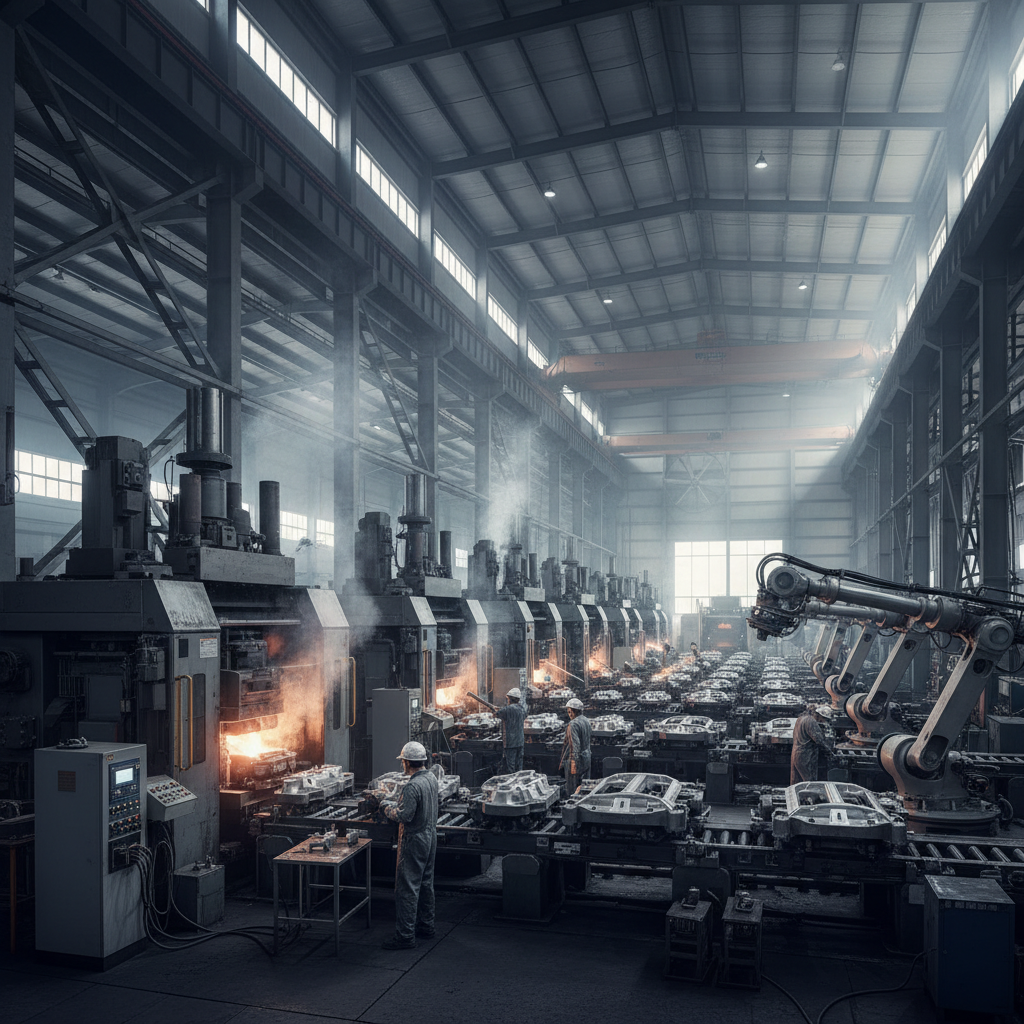
Die casting parts suppliers are pivotal components in modern manufacturing, enabling the efficient production of complex metal parts across a multitude of industries. These suppliers provide essential services to companies ranging from automotive and aerospace to electronics and consumer goods, streamlining supply chains and offering cost-effective solutions for high-volume production runs. Understanding the capabilities and nuances of a reliable die casting parts supplier is critical for businesses seeking quality, precision, and timely delivery of their metal components.
Globally, the demand for die casting parts continues to grow, driven by innovation in various sectors and the increasing need for lightweight, durable materials. The automotive industry's push for fuel efficiency and electric vehicle adoption fuels the need for lightweight aluminum die castings. Furthermore, the expansion of the electronics and telecommunications sectors requires precision die cast components for housings, connectors, and internal mechanisms. Selecting the right die casting parts supplier is no longer simply a sourcing decision; it's a strategic imperative for maintaining competitiveness in the global marketplace.
The impact of a quality die casting parts supplier extends beyond just manufacturing; it influences product design, engineering feasibility, and ultimately, market success. A supplier with strong engineering support can collaborate with designers to optimize part design for manufacturability, reducing costs and improving performance. Choosing a supplier with robust quality control processes ensures that parts meet stringent specifications, minimizing defects and enhancing product reliability. die casting parts supplier selection is, therefore, a multifaceted process with far-reaching consequences.
The Global Significance of die casting parts supplier
The global die casting market is a multi-billion dollar industry, intricately linked to the health and growth of major manufacturing sectors. According to recent reports, the automotive industry accounts for the largest share of demand, followed by industrial machinery, electronics, and consumer goods. This reliance underscores the critical role that a dependable die casting parts supplier plays in maintaining global supply chains and ensuring the continued production of essential goods.
The challenges facing the industry include rising material costs, increasing demand for higher precision components, and the need for sustainable manufacturing practices. Successfully navigating these challenges requires collaboration between die casting parts suppliers and their clients, fostering innovation and adopting advanced technologies. The demand for lighter-weight, high-strength materials like aluminum and magnesium is also driving innovation in die casting techniques.
Defining die casting parts supplier
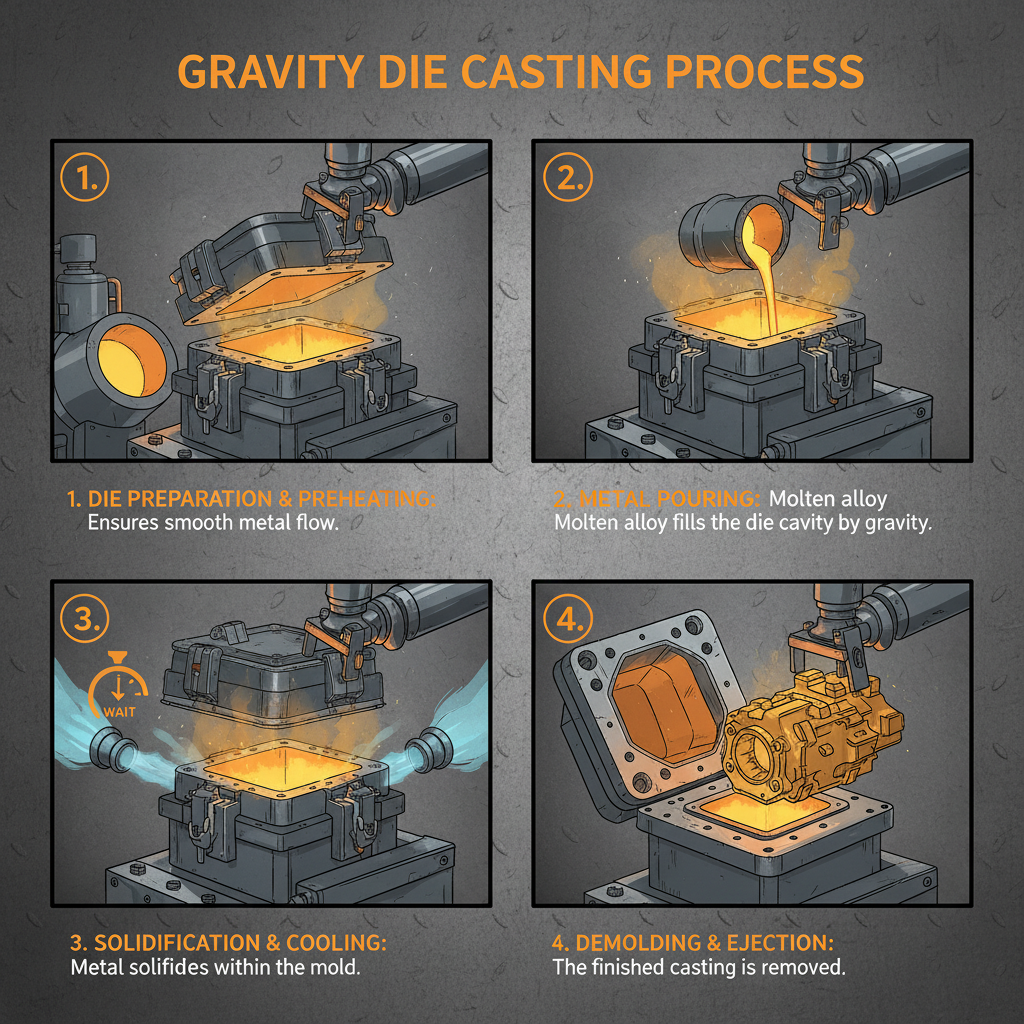
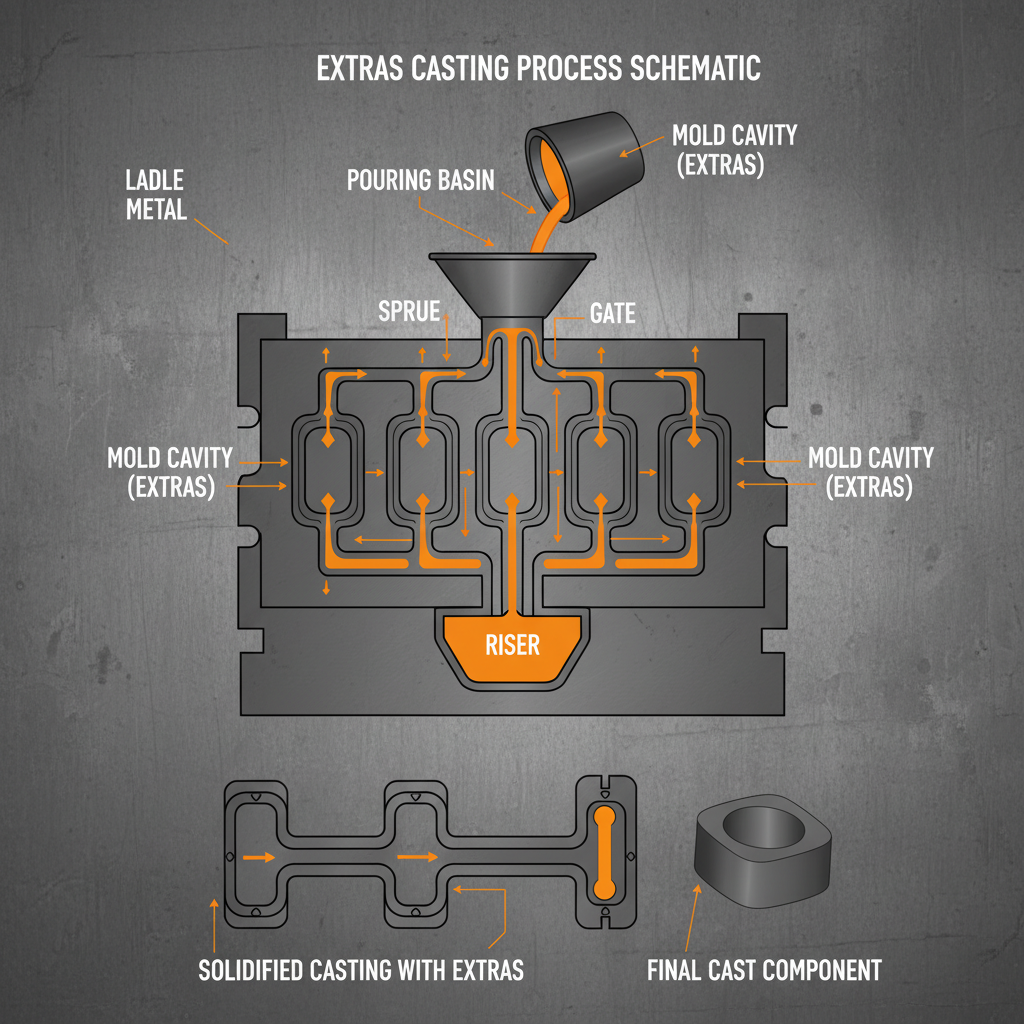
A die casting parts supplier is a company specializing in the die casting process – a manufacturing method where molten metal is forced into a mold cavity under high pressure. This process creates parts with intricate geometries, excellent surface finishes, and high dimensional accuracy. The supplier typically manages the entire process, from mold design and fabrication to casting, finishing, and quality control.
The connection to modern industry is profound. Die casting enables the mass production of complex metal parts crucial for numerous applications, including engine blocks, transmission housings, electrical connectors, and structural components in various machines. Without reliable die casting parts suppliers, many of the products we rely on daily simply wouldn't be possible, or would be significantly more expensive to produce.
Essentially, these suppliers bridge the gap between raw material and finished product, offering tailored solutions to meet specific client requirements. They play a vital role in accelerating product development cycles and optimizing manufacturing efficiency, especially in high-volume production scenarios.
Key Characteristics of Effective die casting parts supplier
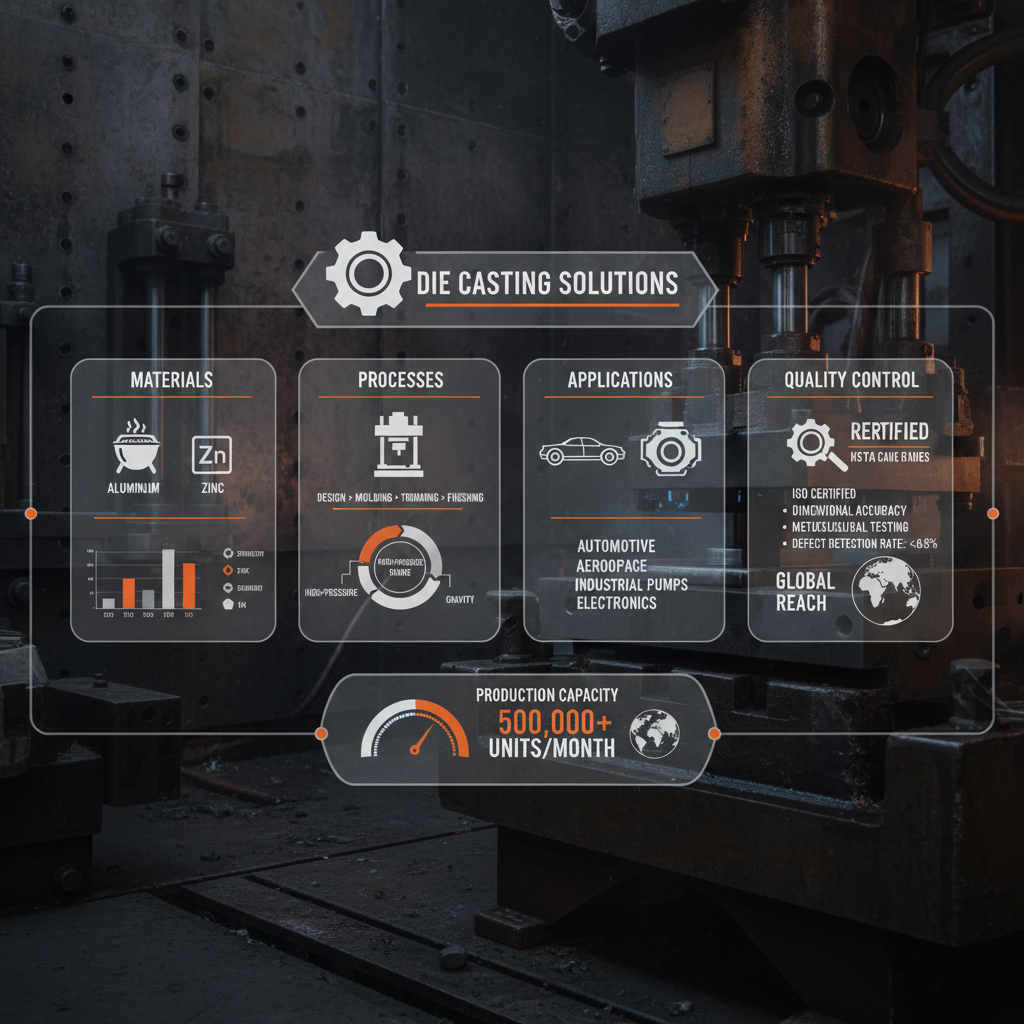
Several key characteristics define an effective die casting parts supplier. First and foremost is expertise in die design and tooling, ensuring the creation of accurate and durable molds. This requires a deep understanding of metal flow, solidification, and potential defects. Furthermore, the ability to handle various metal alloys – including aluminum, zinc, magnesium, and copper – is crucial to cater to diverse application needs.
Another critical attribute is a robust quality control system, incorporating advanced inspection techniques like X-ray analysis, dimensional measurements, and material testing. A commitment to certifications like ISO 9001 demonstrates adherence to international quality standards. Equally important is responsiveness and communication, offering timely quotes, engineering support, and updates throughout the production process.
Finally, a proactive approach to problem-solving and continuous improvement sets apart leading die casting parts suppliers. This includes investing in new technologies, optimizing manufacturing processes, and collaborating with clients to refine part designs for enhanced manufacturability and cost-effectiveness. die casting parts supplier should also prioritize on-time delivery and efficient logistics.
Core Benefits of Partnering with a die casting parts supplier
Partnering with a skilled die casting parts supplier yields numerous benefits. The most prominent is cost efficiency. Die casting, particularly high-pressure die casting, is ideal for large production runs, significantly reducing per-unit costs compared to other manufacturing methods. This cost advantage is further enhanced by minimizing material waste and reducing the need for secondary machining operations.
Beyond cost, die casting offers unparalleled design flexibility, allowing for the creation of intricate shapes and complex geometries. This enables engineers to optimize part designs for performance, weight reduction, and functionality. The resulting parts also exhibit exceptional strength, durability, and dimensional accuracy, contributing to enhanced product quality and reliability.
Comparative Benefits of Different die casting parts supplier Methods
Global Applications and Industry Impact of die casting parts supplier
The applications of die casting parts are incredibly diverse, spanning numerous industries. In the automotive sector, die casting is essential for producing engine blocks, transmission housings, wheels, and structural components, contributing to vehicle weight reduction and fuel efficiency. The aerospace industry utilizes die castings for producing complex housings and structural parts that meet stringent safety requirements.
In the electronics industry, die castings provide durable and heat-resistant housings for electronic devices, connectors, and shielding components. The consumer goods sector relies on die castings for producing high-quality housings for appliances, tools, and other products. Regions such as China, Germany, and the United States are major hubs for die casting production and innovation.
Long-Term Value and Strategic Advantages of a die casting parts supplier
Investing in a strong relationship with a reliable die casting parts supplier delivers long-term value beyond immediate cost savings. It fosters innovation through collaborative engineering, enabling the development of optimized parts that enhance product performance and functionality. This partnership also ensures supply chain resilience, mitigating risks associated with material shortages or production disruptions.
The strategic advantages are significant. Reduced lead times, improved product quality, and enhanced manufacturing efficiency contribute to increased profitability and a stronger competitive position in the marketplace. Furthermore, a supplier committed to sustainability can help reduce environmental impact and enhance brand reputation. die casting parts supplier can also offer value-added services such as surface finishing, assembly, and packaging.
Future Trends and Innovation in die casting parts supplier
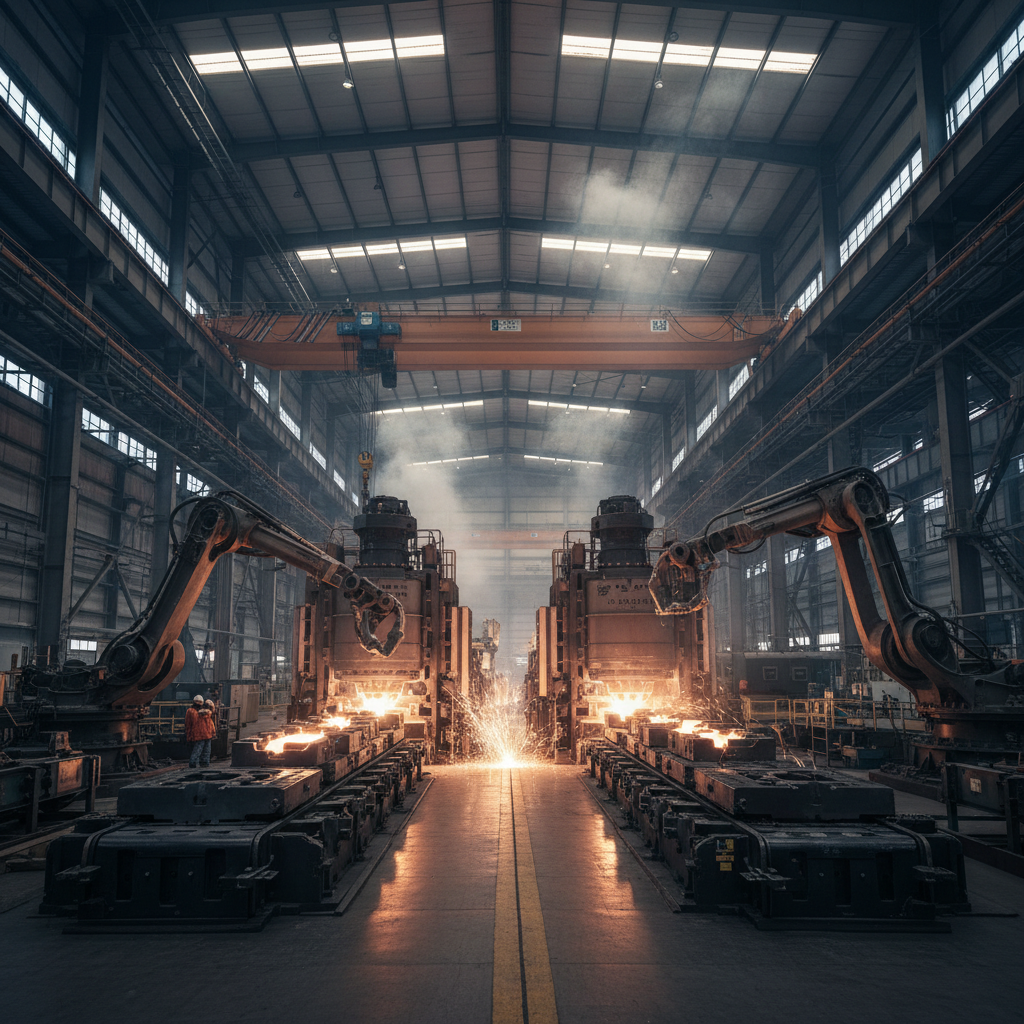
The die casting industry is undergoing a period of rapid innovation driven by several key trends. One significant development is the adoption of advanced materials, such as high-strength aluminum alloys and magnesium alloys, to further reduce weight and enhance performance. Another trend is the increasing use of automation and robotics in die casting processes, improving efficiency and reducing labor costs.
Digital transformation is also playing a crucial role, with the implementation of technologies like predictive maintenance, real-time monitoring, and data analytics to optimize production processes and improve quality control. Furthermore, there is a growing focus on sustainability, with suppliers adopting eco-friendly practices such as closed-loop recycling and energy-efficient technologies.
The integration of artificial intelligence (AI) and machine learning (ML) will allow for optimized die design and predictive maintenance, reducing downtime and improving efficiency. This shift towards Industry 4.0 principles will redefine the role of the die casting parts supplier in the future.
Summary of Key Considerations for Choosing a Die Casting Parts Supplier
| Supplier Expertise |
Quality Control Measures |
Material Capabilities |
Production Capacity |
| Years of experience in die casting. |
Presence of ISO 9001 certification. |
Ability to handle aluminum, zinc, magnesium, etc. |
Maximum annual production volume. |
| Die design and tooling capabilities. |
Advanced inspection equipment (X-ray, CMM). |
Compliance with industry-specific standards. |
Lead times for new tooling and production runs. |
| Engineering support for design optimization. |
Statistical process control (SPC) implementation. |
Material traceability and certification. |
Minimum order quantities (MOQs). |
| Experience with complex geometries. |
Non-destructive testing capabilities. |
Surface finishing options available. |
Capacity for both high-volume and low-volume runs. |
| Responsiveness to customer inquiries. |
Corrective action and preventative action (CAPA) system. |
Ability to meet specific alloy requirements. |
Geographical location and shipping logistics. |
| Commitment to continuous improvement. |
Detailed quality reports and documentation. |
Sustainable manufacturing practices. |
Cost competitiveness. |
FAQS
The lead time for a new die casting mold can vary significantly depending on its complexity and size. Generally, it ranges from 4 to 12 weeks. The design phase, material procurement, machining, and quality control all contribute to the overall timeline. Experienced die casting parts supplier will provide a detailed schedule upfront and actively manage the process to minimize delays. Proper communication and design for manufacturability can help shorten lead times.
The most common materials used in die casting include aluminum, zinc, magnesium, and copper alloys. Aluminum is favored for its lightweight, strength, and corrosion resistance, making it ideal for automotive and aerospace applications. Zinc offers excellent castability and is often used for intricate parts. Magnesium provides even greater weight reduction, while copper alloys offer high strength and conductivity. A reliable die casting parts supplier can advise on the best material for your specific needs.
High-pressure die casting provides several advantages, including high dimensional accuracy, smooth surface finishes, and the ability to create complex shapes with thin walls. The high pressure forces the molten metal into every part of the mold, resulting in dense, high-quality castings. It’s particularly well-suited for high-volume production runs due to its speed and efficiency. die casting parts supplier often specialize in this method.
Ensuring quality starts with selecting a reputable die casting parts supplier with a robust quality control system. Look for certifications like ISO 9001 and inquire about their inspection processes, including X-ray analysis, dimensional measurements, and material testing. Clearly define your quality requirements and establish a clear communication channel for addressing any concerns.
Draft angle is the slight taper applied to the walls of a die casting mold to facilitate the ejection of the part after solidification. It prevents the part from sticking to the mold and ensures a smooth removal process. Proper draft angle is crucial for avoiding defects and ensuring consistent part quality. Your die casting parts supplier should provide guidance on appropriate draft angles for your specific design.
Common die casting defects include porosity, shrinkage, cold shuts, and flash. These can be prevented through careful control of process parameters such as melt temperature, injection pressure, and cooling rates. Proper mold design, material selection, and rigorous quality control are also essential. An experienced die casting parts supplier will have systems in place to minimize and mitigate these defects.
Conclusion
In conclusion, the selection of a capable die casting parts supplier is paramount to the success of countless manufacturing endeavors. Their expertise in material science, mold design, and precision manufacturing processes directly impacts product quality, cost-effectiveness, and time-to-market. Investing in a strong partnership with a reliable supplier unlocks a wealth of benefits, from optimized designs and reduced lead times to improved supply chain resilience and enhanced product performance.
Looking ahead, the die casting industry will continue to evolve with advancements in materials, automation, and digital technologies. Embracing these innovations will be crucial for staying competitive and meeting the increasingly demanding needs of global markets. We invite you to explore the capabilities of Hairunsourcing and discover how we can provide you with high-quality die casting solutions tailored to your specific requirements. Visit our website today!