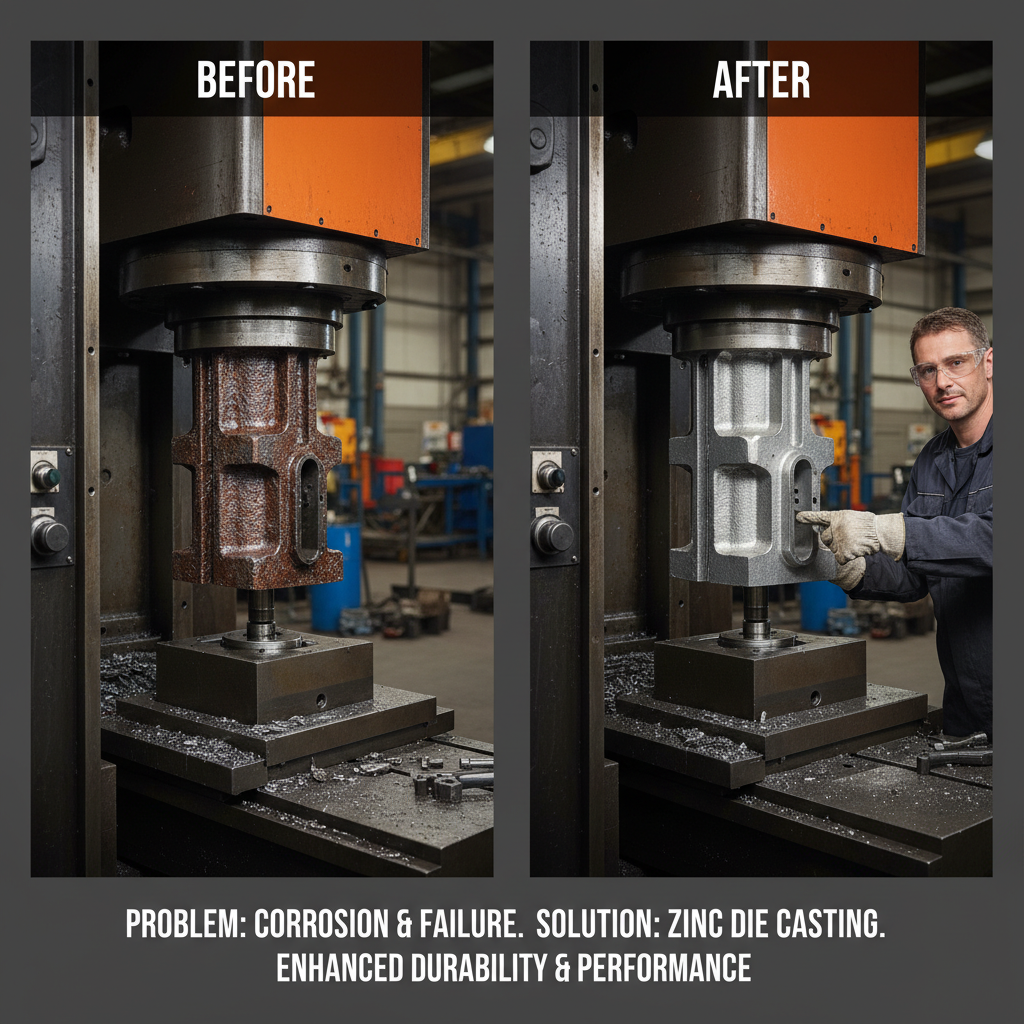
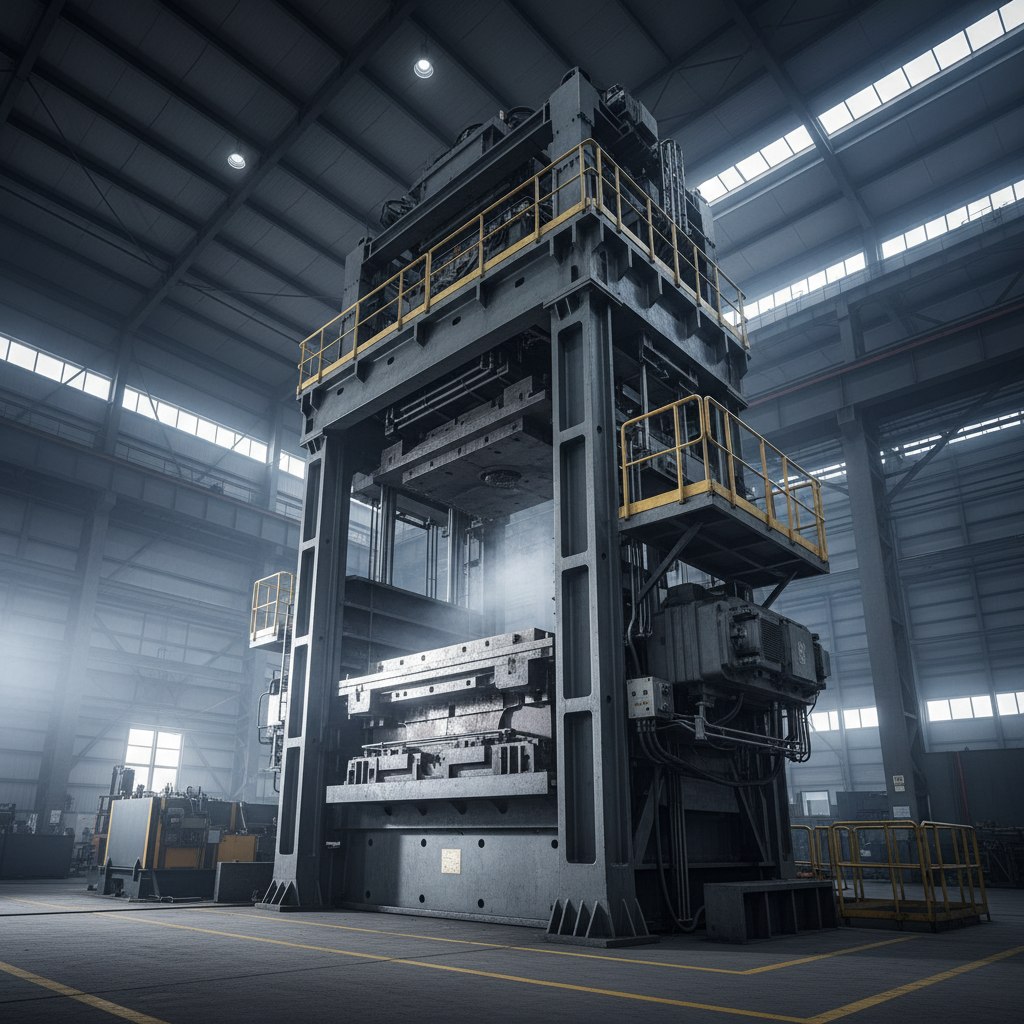
Gravity die casting suppliers play a critical role in modern manufacturing, providing a cost-effective and efficient method for producing high-quality metal components. These suppliers are instrumental across diverse industries, from automotive and aerospace to electronics and construction, enabling the creation of complex parts with intricate designs. Understanding the capabilities and nuances of a reliable gravity die casting supplier is paramount for businesses seeking optimized production processes and superior product performance. Selecting the right gravity die casting supplier directly impacts product quality, lead times, and overall project success.
The global demand for precision metal components continues to rise, fueled by technological advancements and increasing industrialization. This demand puts significant pressure on gravity die casting suppliers to innovate and maintain high standards of quality control. Challenges such as material costs, skilled labor shortages, and increasingly complex designs necessitate strategic partnerships with suppliers who can offer expertise, flexibility, and competitive pricing. The ability of a gravity die casting supplier to adapt to these evolving market dynamics is key to long-term sustainability and customer satisfaction.
Choosing the appropriate gravity die casting supplier allows manufacturers to focus on core competencies while ensuring consistent, reliable access to essential components, ultimately streamlining supply chains and driving efficiency. The selection process requires a thorough evaluation of the supplier's capabilities, experience, and commitment to quality.
The Significance of Gravity Die Casting Suppliers
Gravity die casting suppliers are essential to a vast range of industries because they provide a crucial link in the manufacturing supply chain. Their expertise extends beyond simply producing parts; they offer design consultation, material selection guidance, and quality control assurance, ensuring that the final product meets stringent specifications. A capable gravity die casting supplier invests in advanced tooling and processes to deliver consistent, high-precision components.
The economic impact of these suppliers is substantial, supporting numerous downstream industries and contributing to job creation. A strong and reliable network of gravity die casting suppliers fosters innovation and allows manufacturers to remain competitive in a global marketplace. Without competent suppliers, the production of many everyday items and critical components would be severely hampered.
Understanding Gravity Die Casting & Its Suppliers
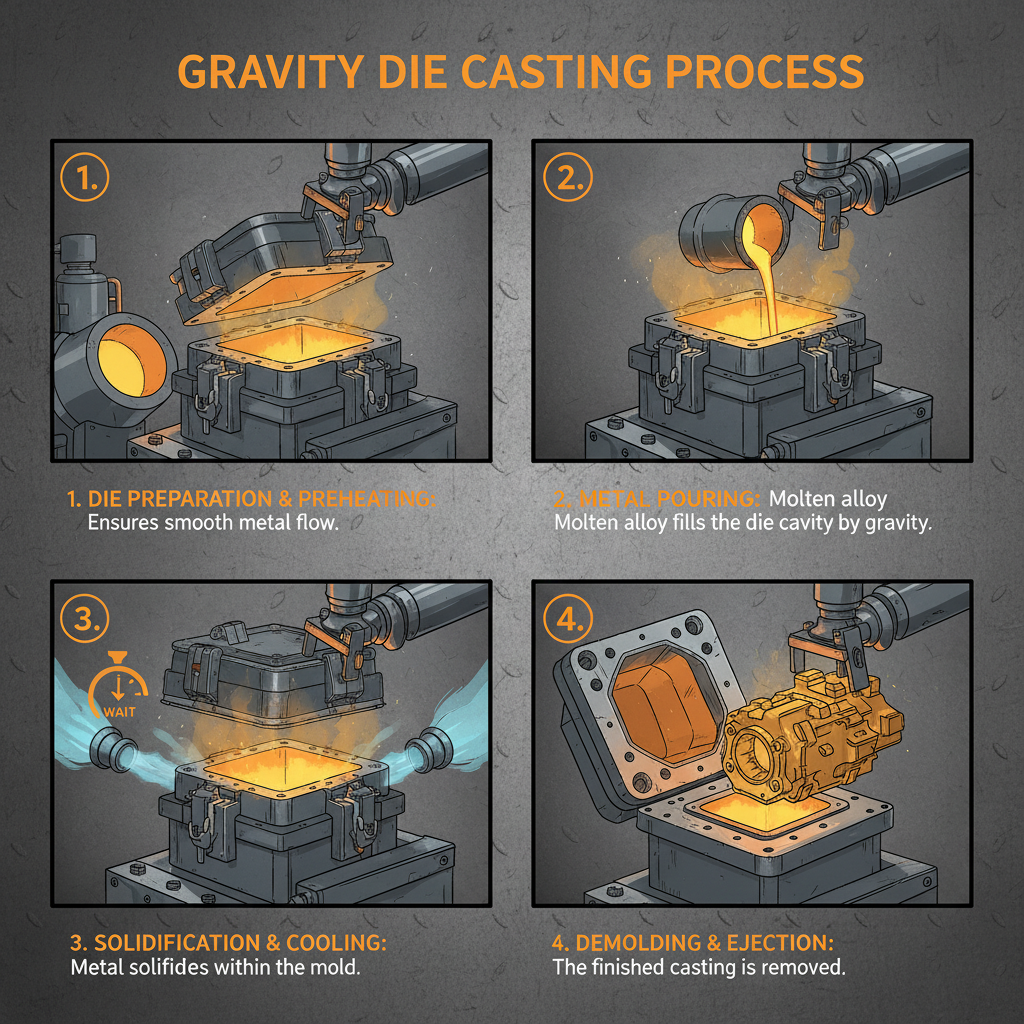
Gravity die casting is a manufacturing process where molten metal is poured into a reusable metal die (mold) under the force of gravity. Unlike other casting methods, it doesn’t rely on high pressure, making it suitable for producing components with complex geometries and consistent wall thicknesses. Gravity die casting suppliers specialize in this process, managing the entire lifecycle from mold design and fabrication to final casting production and finishing.
These suppliers often work with a variety of metals, including aluminum, zinc, magnesium, and copper alloys. Their expertise lies in understanding the properties of each metal and selecting the optimal alloy for specific application requirements. A proficient supplier maintains rigorous quality control throughout the process to minimize defects and ensure dimensional accuracy.
The role of a gravity die casting supplier extends beyond mere production. They frequently collaborate with clients during the design phase, offering advice on manufacturability and cost optimization, ensuring a smooth and efficient production process.
Key Factors When Selecting a Gravity Die Casting Supplier
Choosing the right gravity die casting supplier involves careful consideration of several critical factors. First and foremost is their experience and reputation within the industry. Look for a supplier with a proven track record of delivering high-quality parts on time and within budget. Their expertise in handling various metals and complex designs is also crucial.
Secondly, assess their manufacturing capabilities and capacity. Do they have the necessary equipment and tooling to meet your specific production needs? Consider their ability to handle both small-batch prototypes and large-scale production runs. A supplier with flexible manufacturing options is highly desirable. Furthermore, evaluating their quality control procedures and certifications (such as ISO 9001) is essential to ensure consistent product quality.
Finally, consider their communication and customer service. A responsive and collaborative supplier who is willing to work closely with you throughout the entire process is invaluable. Clear communication, proactive problem-solving, and a commitment to customer satisfaction are hallmarks of a reliable gravity die casting supplier.
Core Components of Successful Gravity Die Casting
Successful gravity die casting relies on several key components working in harmony. These include the quality of the die itself, the precise control of melting temperatures and pouring speeds, and the effective management of cooling rates. Die design is paramount, ensuring proper metal flow and minimizing the risk of defects.
The material used for the die also plays a critical role. Typically, cast iron or steel alloys are employed due to their thermal conductivity, strength, and resistance to wear. Proper die maintenance, including regular cleaning and repair, is essential to prolong its lifespan and maintain casting quality.
Gravity Die Casting Quality Factors
Global Applications of Gravity Die Casting
Gravity die casting finds widespread application across numerous industries globally. The automotive sector utilizes it extensively for producing engine blocks, transmission housings, and various structural components. The aerospace industry relies on gravity die casting for manufacturing complex parts demanding high strength and precision.
Furthermore, the electronics industry utilizes it for creating heat sinks, enclosures, and connectors. In the construction sector, gravity die casting is employed for producing lighting fixtures, plumbing fittings, and architectural elements. Regions with thriving manufacturing bases, such as China, Germany, and the United States, are major consumers of gravity die casted components.
Advantages and Value Proposition of Gravity Die Casting
Gravity die casting offers several distinct advantages over other casting methods. It provides excellent dimensional accuracy and surface finish, reducing the need for extensive post-processing. The process is also relatively cost-effective, particularly for medium to high production volumes. The ability to produce complex shapes with thin walls makes it ideal for a wide range of applications.
The long-term value of gravity die casting lies in its ability to deliver durable, reliable components that contribute to the overall performance and longevity of finished products. The enhanced mechanical properties of gravity die castings contribute to product safety and customer satisfaction, fostering brand loyalty and trust. A skilled gravity die casting supplier understands this value.
Investing in quality gravity die casting translates to reduced manufacturing costs, improved product quality, and increased competitiveness in the marketplace.
Future Trends and Challenges for Gravity Die Casting Suppliers
The future of gravity die casting will be shaped by several key trends, including the increasing demand for lightweight materials, the adoption of automation and Industry 4.0 technologies, and a growing emphasis on sustainability. Suppliers who embrace these trends will be well-positioned to succeed in the evolving marketplace.
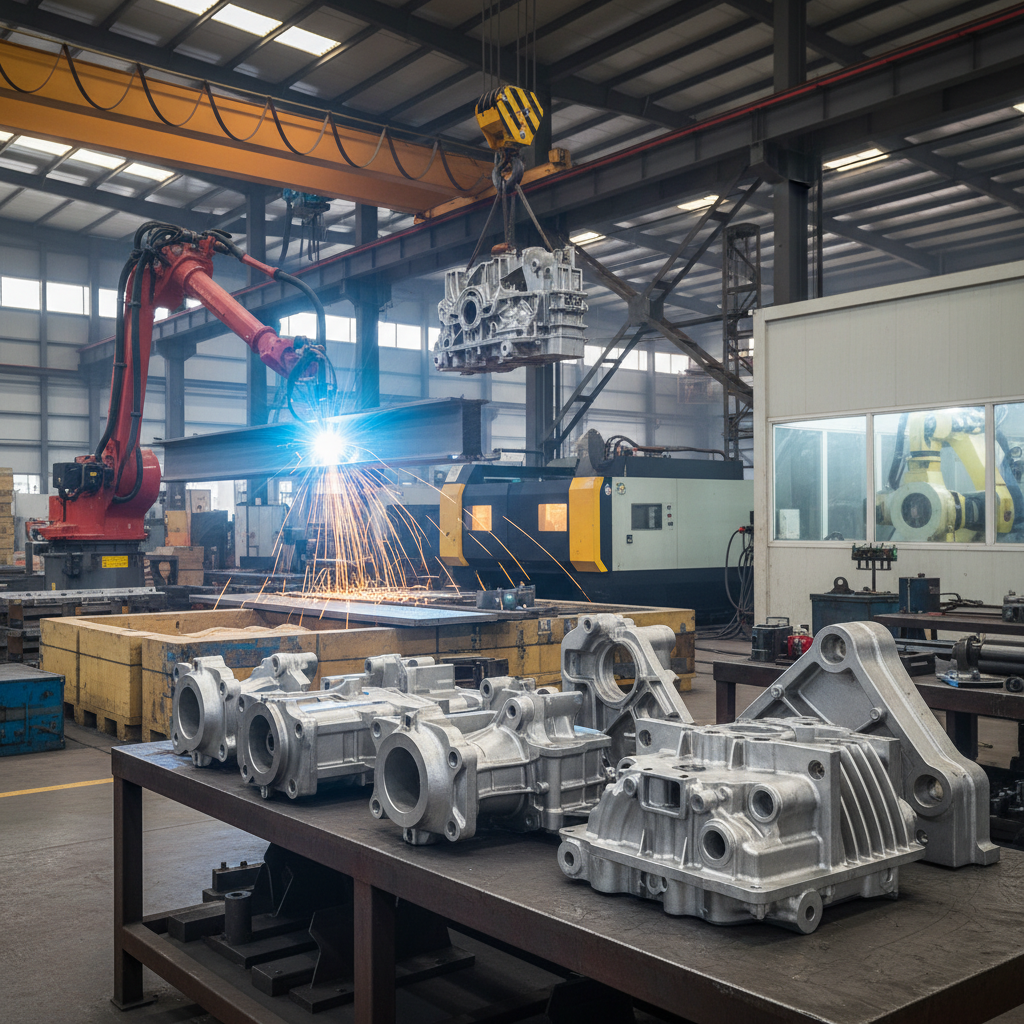
Automation, such as robotic die handling and automated pouring systems, will improve efficiency and reduce labor costs. The integration of digital technologies, such as data analytics and predictive maintenance, will enable suppliers to optimize their processes and improve quality control. A move toward using recycled materials and reducing energy consumption will address growing environmental concerns.
However, gravity die casting supplier also face challenges, including rising material costs, skilled labor shortages, and the need to adapt to increasingly complex designs. Overcoming these challenges will require innovation, collaboration, and a commitment to continuous improvement.
Summary of Key Supplier Evaluation Criteria
| Experience & Reputation |
Manufacturing Capabilities |
Quality Control Processes |
Communication & Service |
| Years in business |
Die Casting Machine Capacity |
ISO 9001 Certification Status |
Response Time to Inquiries |
| Customer Testimonials |
Maximum Part Size |
Inspection Equipment Availability |
Project Management Support |
| Industry Specific Experience |
Material Range Supported |
Defect Rate Statistics |
Design for Manufacturability Assistance |
| Financial Stability |
Tooling Design Capabilities |
Non-Destructive Testing Methods |
Supply Chain Traceability |
| Production Lead Times |
Secondary Operations Offered |
Statistical Process Control (SPC) Implementation |
Post-Sales Support |
| Geographic Location |
Mold Maintenance Capabilities |
Compliance with Industry Standards |
Custom Packaging Options |
FAQS
The most commonly used metals for gravity die casting are aluminum, zinc, magnesium, and copper alloys. Aluminum is favored for its lightweight, high strength-to-weight ratio, and excellent corrosion resistance. Zinc alloys offer good castability and dimensional stability. Magnesium alloys provide even greater weight reduction, while copper alloys are chosen for their high thermal conductivity and wear resistance. A reputable gravity die casting supplier will offer expertise in selecting the optimal alloy for your application.
Gravity die casting offers several advantages over sand casting. It produces parts with superior surface finish, higher dimensional accuracy, and better mechanical properties. The reusable metal dies allow for higher production rates and lower tooling costs in the long run, especially for large production runs. While sand casting is more suitable for very large parts or complex geometries, gravity die casting excels in producing intricate designs with consistent quality.
The lead time for creating a gravity die casting die can vary significantly depending on its complexity and size. Simple dies can typically be fabricated in 4-6 weeks, while more intricate designs may require 8-12 weeks or longer. Factors influencing the lead time include design modifications, material availability, and the supplier's current workload. Close communication with your gravity die casting supplier is crucial for accurate lead time estimation.
Gravity die casting can reliably produce parts with wall thicknesses ranging from approximately 2mm to 10mm. Thin-walled sections can be achieved with careful die design and process control. However, excessively thin walls may lead to casting defects or structural weakness. A skilled gravity die casting supplier can advise on optimal wall thickness based on your specific application requirements.
Reputable gravity die casting suppliers implement a range of quality control measures throughout the manufacturing process. These include raw material inspection, dimensional checks using coordinate measuring machines (CMMs), visual inspection for defects, and mechanical testing to verify material properties. Many suppliers also employ non-destructive testing methods, such as X-ray inspection or dye penetrant testing, to detect internal flaws.
Yes, gravity die casting is well-suited for medium to high-volume production runs. The use of reusable metal dies significantly reduces tooling costs per part compared to other casting methods. While initial tooling investment may be higher, the overall cost per part decreases substantially as production volume increases, making it a cost-effective solution for large-scale manufacturing. Partnering with a scalable gravity die casting supplier is essential for ensuring capacity and timely delivery.
Conclusion
In conclusion, gravity die casting remains a vital manufacturing process, offering a compelling blend of cost-effectiveness, precision, and versatility. The ability to produce high-quality metal components with complex geometries makes it indispensable across a broad spectrum of industries. Selecting a reliable gravity die casting supplier with proven expertise, robust quality control procedures, and a commitment to innovation is paramount to achieving optimal results.
Looking ahead, the adoption of automation, the integration of digital technologies, and a growing focus on sustainability will further enhance the capabilities and competitiveness of gravity die casting. Manufacturers who embrace these trends and forge strong partnerships with forward-thinking suppliers will be best positioned to thrive in the evolving global marketplace. Visit our website at www.hairunsourcing.com to learn more about how we can support your gravity die casting needs.