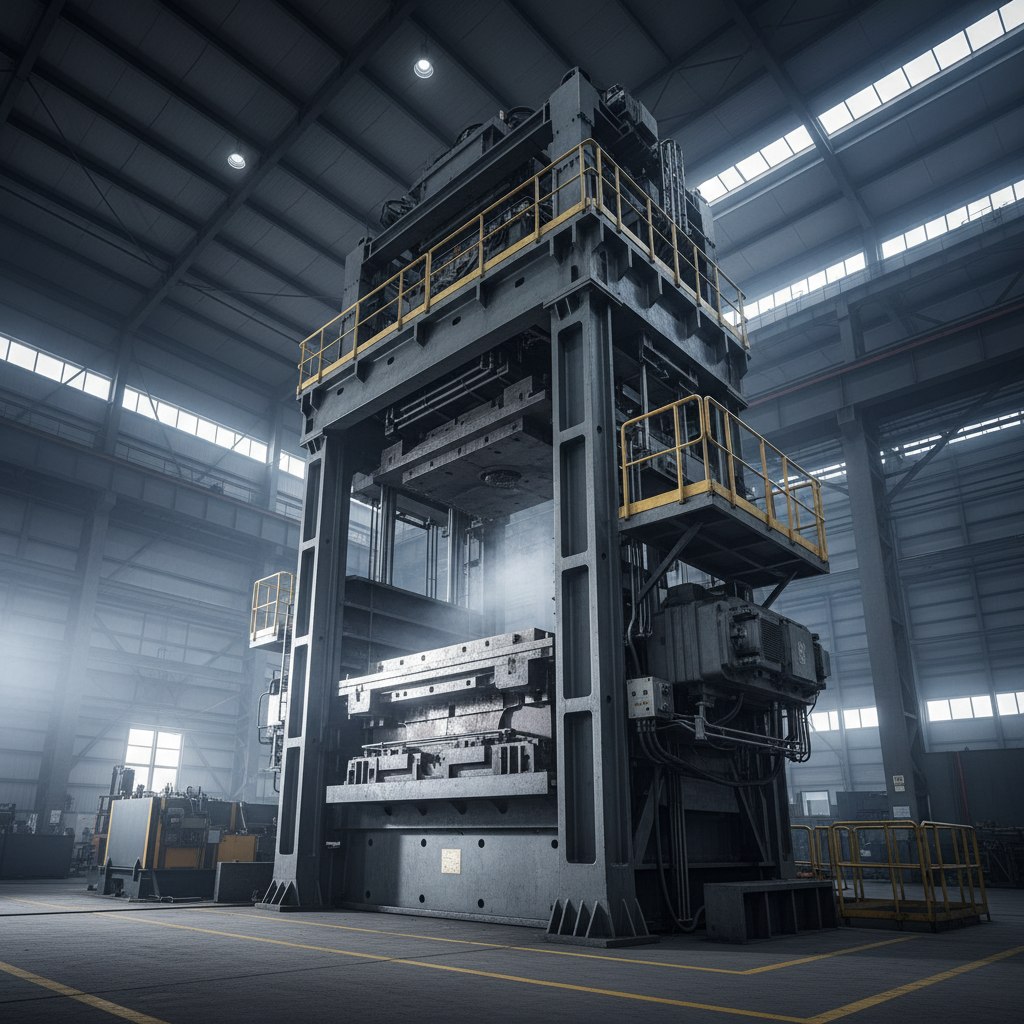
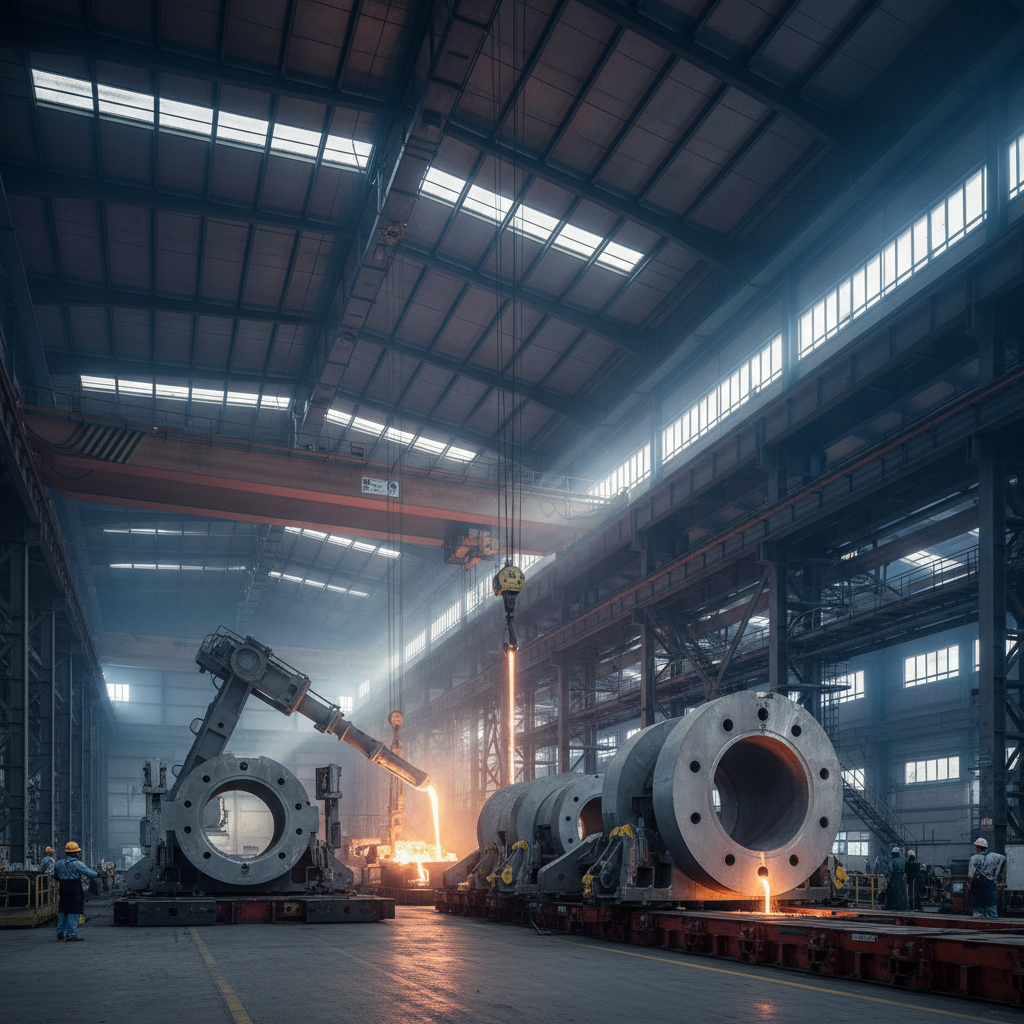
Gravity die casting, a widely utilized manufacturing process, plays a pivotal role in modern industries worldwide. This technique involves pouring molten metal into a metal mold (die) under gravity's force, creating components with high dimensional accuracy and good surface finish. The importance of understanding the various types of gravity die casting lies in its versatility, cost-effectiveness, and ability to produce complex shapes with consistent quality. From automotive parts to plumbing fixtures, gravity die casting impacts countless aspects of our daily lives.
Globally, the demand for die-cast products is substantial and growing, driven by sectors like automotive, aerospace, and consumer goods. According to the North American Die Casting Association, the die casting industry contributes significantly to economic growth, employing thousands and generating billions in revenue. A key challenge facing manufacturers is optimizing the process for specific applications and materials. Understanding the nuances of different gravity die casting methods is therefore crucial for maintaining competitiveness and meeting evolving industry demands.
Essentially, types of gravity die casting represent distinct approaches to producing metal parts using a reusable metal mold filled by gravity. This contrasts with pressure die casting, which utilizes high pressure to force molten metal into the die. The choice of method depends on factors like production volume, part complexity, metal type, and desired mechanical properties. The process is fundamental to delivering reliable, high-quality components across a diverse range of industries.
Introduction to Types of Gravity Die Casting
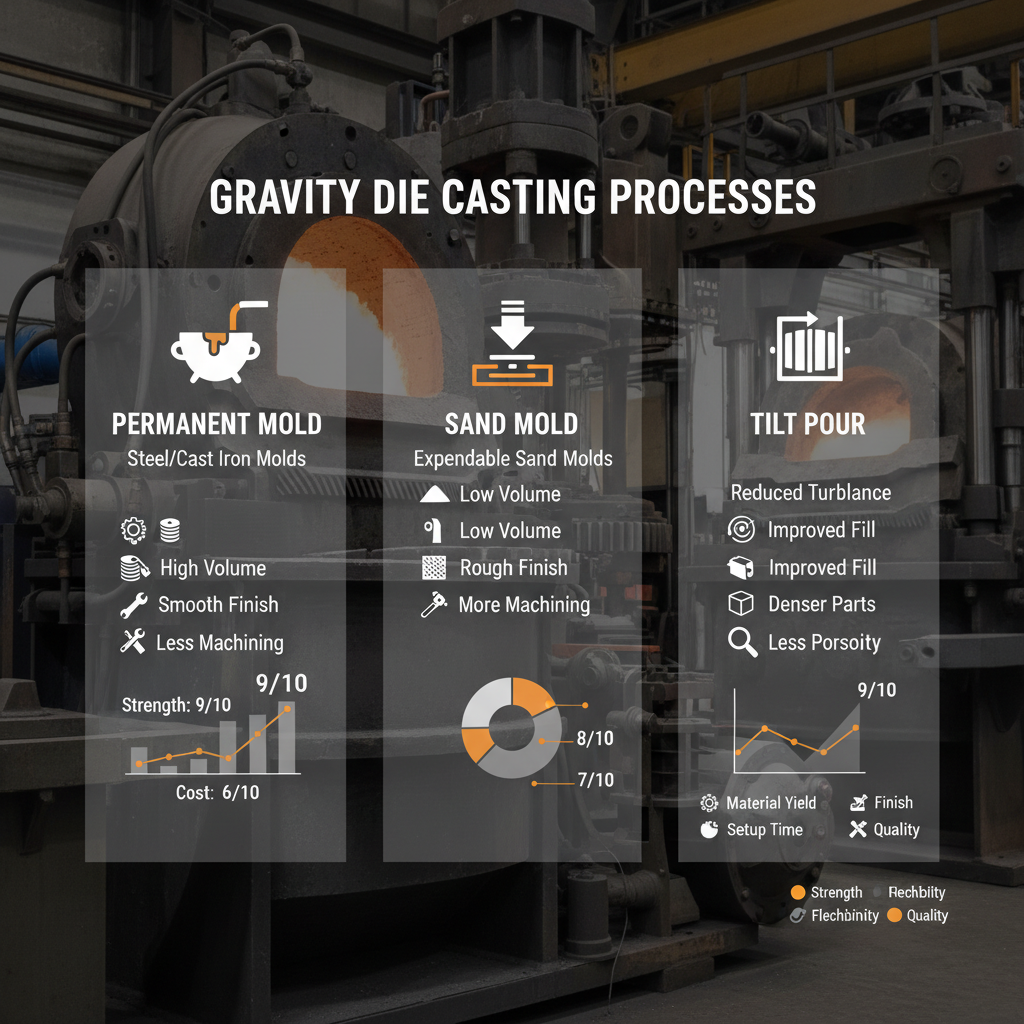
The spectrum of types of gravity die casting isn't monolithic; it encompasses several variations tailored to specific manufacturing needs. These variations mainly revolve around the die configuration and pouring techniques used. Understanding these distinctions is essential for selecting the most efficient and cost-effective process for a given component.
Primarily, we differentiate between permanent mold casting (where the die is reusable), and sand casting (where the mold is disposable). While sand casting offers lower tooling costs, permanent mold casting offers superior surface finish, dimensional accuracy, and mechanical properties – crucial for parts requiring high precision and reliability. The selection is heavily influenced by production volume and desired part characteristics.
Core Principles of Gravity Die Casting
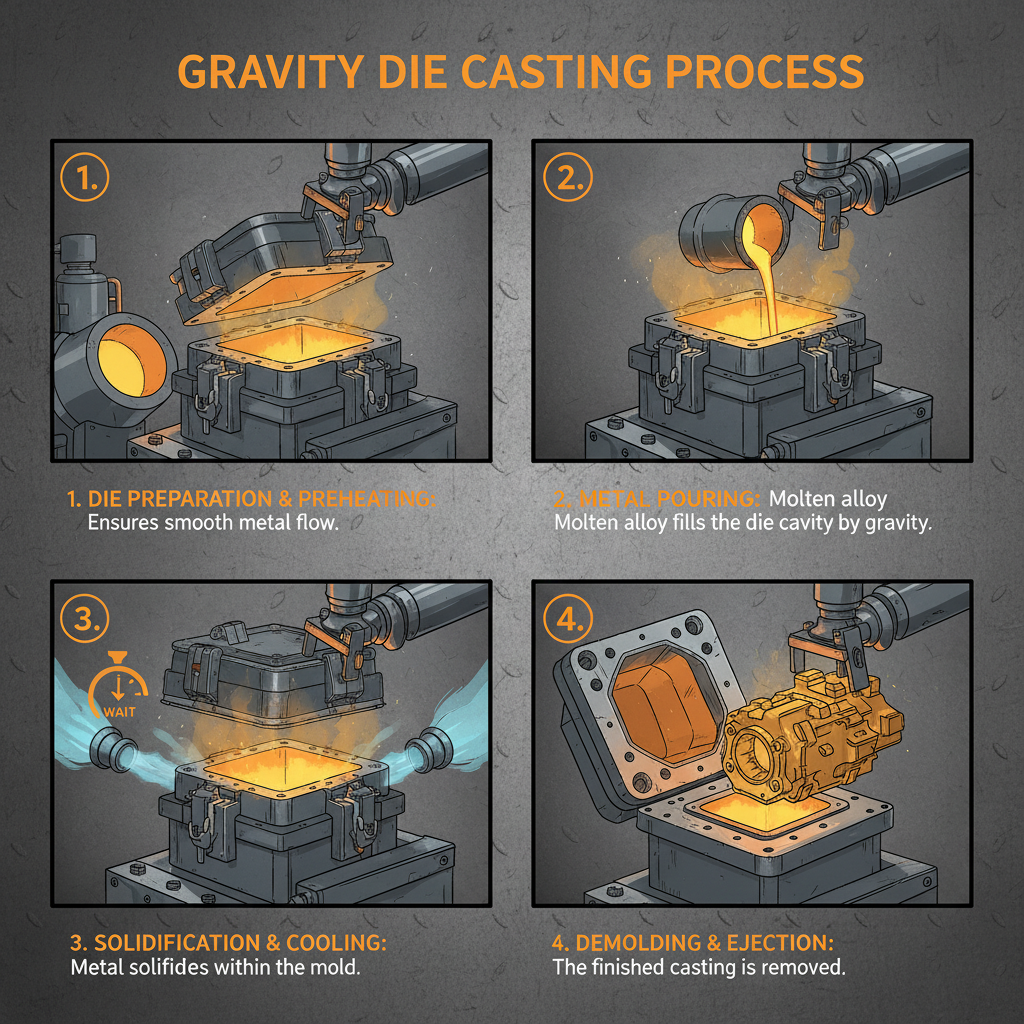
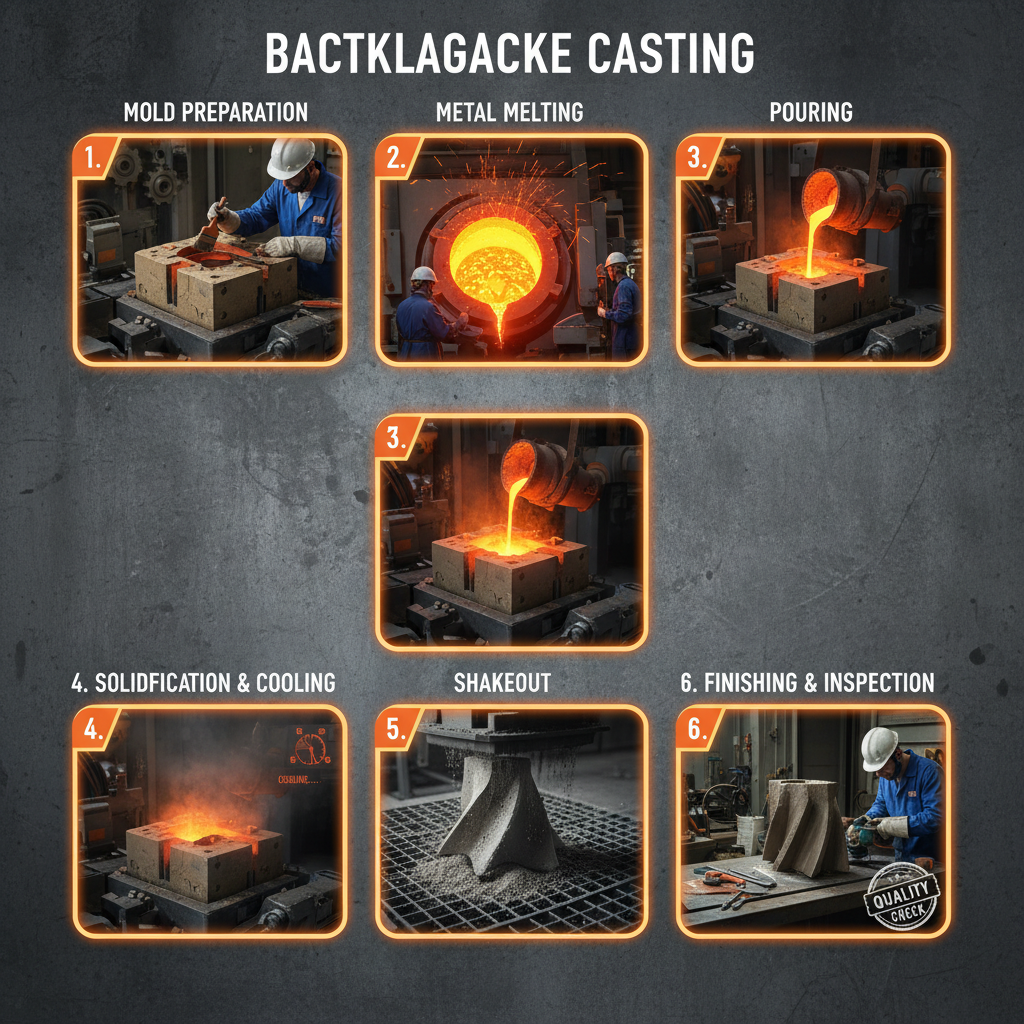
At its core, gravity die casting relies on the simple principle of pouring molten metal into a mold cavity under the influence of gravity. However, several key factors influence the success of the process, including die design, metal temperature, pouring rate, and cooling rate. Proper die venting is critical to ensure complete filling and prevent gas entrapment, which can lead to porosity defects.
The die itself is typically made of steel or cast iron, and often incorporates features like runners and risers to facilitate metal flow and compensate for shrinkage during solidification. Careful die design minimizes turbulence and promotes directional solidification, resulting in a sound, defect-free casting.
Different types of gravity die casting utilize variations in these principles. For instance, some techniques employ specialized pouring techniques to control metal flow and minimize turbulence, leading to improved casting quality. Proper understanding of these parameters is key to optimizing production.
Material Considerations in Gravity Die Casting
Gravity die casting isn't limited to a single material; a wide range of metals can be used, including aluminum alloys, magnesium alloys, zinc alloys, and even some ferrous metals like cast iron. However, the choice of material significantly impacts the process parameters and the final properties of the casting. For example, aluminum alloys offer excellent castability and corrosion resistance, making them ideal for automotive components.
Magnesium alloys, known for their lightweight properties, are often used in aerospace applications. Zinc alloys are favored for their high strength and dimensional stability, making them suitable for die-cast parts requiring tight tolerances. Ferrous metals, while more challenging to cast, offer superior strength and wear resistance for demanding applications. Understanding the properties of each material is critical for successful gravity die casting.
Material fluidity plays a vital role; some alloys flow more readily than others. Alloys with high fluidity require less energy for pouring and are less prone to incomplete filling. Careful consideration of the alloy’s melting point, shrinkage rate, and thermal conductivity are also crucial to optimizing the gravity die casting process.
Performance Metrics of Different Casting Types
Evaluating different types of gravity die casting requires a comparison of key performance metrics. These include tensile strength, yield strength, elongation, hardness, surface finish, and dimensional accuracy. Permanent mold casting generally exhibits superior mechanical properties and dimensional accuracy compared to sand casting due to its faster cooling rate and denser microstructure.
However, sand casting offers greater design flexibility and lower tooling costs, making it a viable option for low-volume production or complex geometries. The choice ultimately depends on the specific application requirements and budget constraints.
Comparative Performance of Gravity Die Casting Methods
Global Applications of Gravity Die Casting
The applications of gravity die casting are remarkably diverse. In the automotive industry, it's used to produce engine blocks, cylinder heads, transmission housings, and wheels. These components benefit from the process's ability to deliver high strength, durability, and dimensional accuracy.
Beyond automotive, gravity die casting is prevalent in the production of plumbing fixtures, lighting components, and industrial machinery. In regions with robust manufacturing sectors, such as China, Germany, and the United States, gravity die casting plays a crucial role in supporting economic growth and innovation.
Advantages and Limitations of Gravity Die Casting
Gravity die casting offers numerous advantages, including relatively low tooling costs compared to pressure die casting, good surface finish, high dimensional accuracy, and the ability to cast complex shapes. Furthermore, it allows for the production of parts with varying wall thicknesses, making it suitable for a wide range of applications.
However, it also has limitations. Production rates are generally slower than pressure die casting, and it's less suitable for very large or extremely complex parts. Moreover, the process is limited by the fluidity of the molten metal and the need for effective die venting.
Careful consideration of these advantages and limitations is crucial when selecting gravity die casting as a manufacturing process. It’s a robust technique well-suited for medium to high volume production of intricate metal parts.
Future Trends in Gravity Die Casting Technology
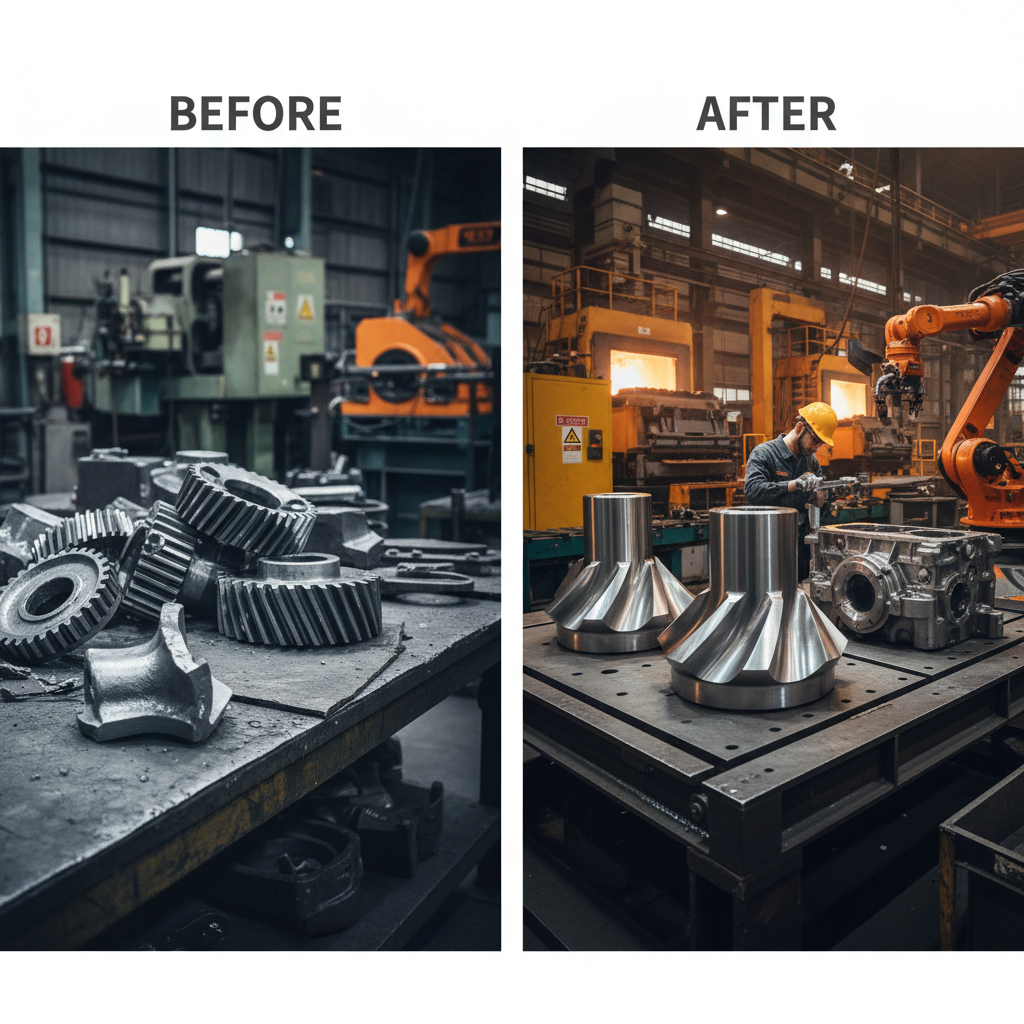
The future of gravity die casting is likely to be shaped by advancements in materials science, automation, and process control. The development of new alloys with improved castability and mechanical properties will expand the range of applications for the process. Automation, including robotic pouring and die handling, will increase production efficiency and reduce labor costs.
Furthermore, the integration of digital technologies, such as simulation software and machine learning, will enable manufacturers to optimize die design, predict casting defects, and improve process control. Sustainable practices, such as the use of recycled materials and energy-efficient equipment, are also becoming increasingly important.
These advancements promise to enhance the competitiveness and sustainability of gravity die casting, solidifying its role as a vital manufacturing process for years to come. The drive towards lighter, stronger, and more durable components will continue to fuel innovation in this field.
Summary of Future Trends Influencing Gravity Die Casting
| Trend Category |
Description |
Impact on Gravity Die Casting |
Implementation Difficulty (1-10) |
| New Alloy Development |
Research into lighter, stronger, and more corrosion-resistant alloys. |
Expands application possibilities and improves part performance. |
7 |
| Process Automation |
Robotic pouring, die handling, and finishing. |
Increased production efficiency, reduced labor costs, and improved consistency. |
6 |
| Digital Twin Technology |
Virtual replicas of the casting process for simulation and optimization. |
Improved die design, defect prediction, and process control. |
8 |
| Sustainable Materials |
Increased use of recycled metals and bio-based materials. |
Reduced environmental impact and enhanced brand reputation. |
5 |
| Advanced Sensors |
Real-time monitoring of process parameters like temperature and pressure. |
Improved process control and early detection of defects. |
6 |
| Additive Manufacturing Integration |
Using 3D printing for rapid prototyping and complex die designs. |
Faster design iterations and the ability to create intricate geometries. |
7 |
FAQS
The key distinction lies in how the molten metal is introduced into the die. Gravity die casting relies solely on gravitational force, resulting in slower filling and lower pressures. Pressure die casting, conversely, uses high pressure to force the metal into the die, enabling faster cycles, more complex geometries, and finer grain structures. Gravity die casting typically offers lower tooling costs but slower production rates.
Aluminum alloys are exceptionally well-suited for gravity die casting due to their excellent castability, strength-to-weight ratio, and corrosion resistance. Magnesium alloys are favored for lightweight applications, while zinc alloys offer high strength and dimensional stability. Cast iron can also be used, though it presents more challenges due to its higher melting point and lower fluidity.
Die design is paramount to producing high-quality castings. Factors like runner design, gate location, venting, and cooling channel placement all significantly influence metal flow, solidification, and the potential for defects. A well-designed die promotes directional solidification, minimizes turbulence, and ensures complete filling of the mold cavity, resulting in a sound, defect-free casting.
Common defects include porosity (gas entrapment), shrinkage cavities, cold shuts, and misruns. Porosity arises from trapped gases, while shrinkage cavities form during solidification. Cold shuts occur when molten metal prematurely solidifies before filling the mold completely. Proper die venting, metal temperature control, and pouring rate optimization can mitigate these issues.
Tooling costs for gravity die casting vary significantly depending on the size, complexity, and material of the die. Generally, tooling costs are lower than those associated with pressure die casting. A simple die can cost a few thousand dollars, while a complex, multi-cavity die can exceed tens of thousands of dollars. This makes it a cost-effective method for medium to high-volume production runs.
Permanent molds (gravity die casting) provide several benefits over expendable molds (like sand casting). They yield superior surface finish, tighter dimensional tolerances, higher mechanical properties, and faster cooling rates. While the initial tooling investment is higher, the reusability of permanent molds leads to lower per-part costs in medium to high production volumes. This also reduces waste associated with mold creation.
Conclusion
In conclusion, types of gravity die casting represent a versatile and cost-effective manufacturing process with a broad range of applications. From automotive components to industrial machinery, this technique continues to play a vital role in modern industry. Understanding the nuances of each method, material considerations, and emerging trends is crucial for manufacturers seeking to optimize their production processes and deliver high-quality parts.
Looking ahead, advancements in automation, materials science, and digital technologies will further enhance the capabilities and sustainability of gravity die casting. Continued innovation in this field will ensure its enduring relevance in a rapidly evolving manufacturing landscape. For further exploration of gravity die casting solutions and services, visit our website at www.hairunsourcing.com.