
• sns01
  • sns02
  • sns03
  • sns05
  • sns06
  • sns07
0%

Table of Contents

Die casting parts factory play a crucial role in modern manufacturing, impacting numerous industries globally. This process, involving injecting molten metal into mold cavities, offers a cost-effective and efficient method for producing complex metal components with high precision. Understanding the nuances of die casting, from material selection to process optimization, is paramount for businesses seeking to enhance their product quality, reduce production costs, and meet the ever-increasing demands of a competitive market. A skilled die casting parts factory is key to success in today’s global landscape.

The global die casting market is experiencing significant growth, driven by the expanding automotive, aerospace, and electronics sectors. According to recent reports, the market is projected to reach billions of dollars in the coming years, fueled by technological advancements and increasing demand for lightweight, high-strength materials. Efficient die casting processes, particularly those employing automation and advanced tooling, are becoming increasingly vital for maintaining a competitive edge. This demand necessitates continuous innovation and collaboration between designers, manufacturers, and die casting parts factory.

In essence, die casting parts factory are fundamental to the production of countless everyday items, from automotive components and household appliances to medical devices and consumer electronics. Choosing the right manufacturing partner, one with a proven track record and commitment to quality, is a critical decision for any organization relying on these essential components. Reliable sourcing and a robust quality control system are non-negotiable in ensuring product performance and customer satisfaction.
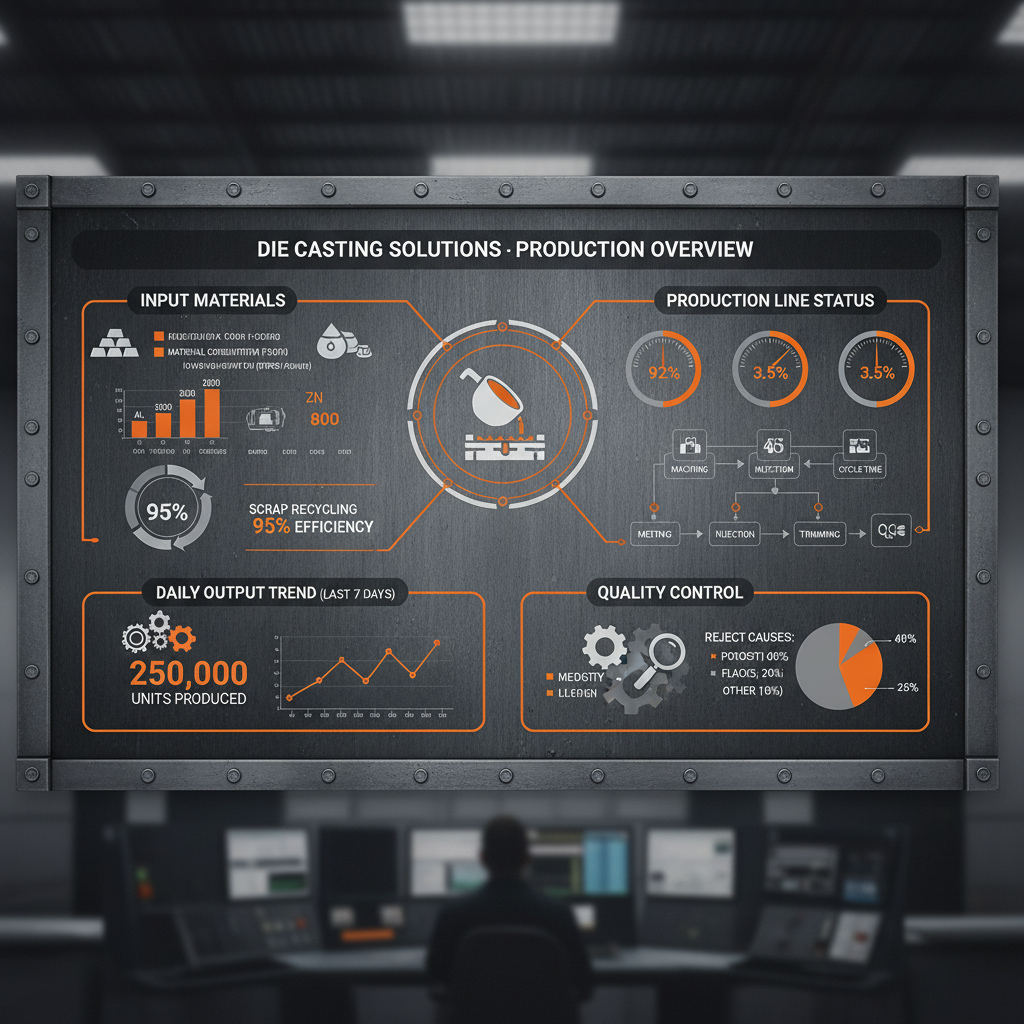
Expert Die Casting Parts Factory Solutions for Modern Manufacturing Needs

The Global Significance of Die Casting Parts Factory

Expert Die Casting Parts Factory Solutions for Modern Manufacturing Needs

The die casting industry is a cornerstone of global manufacturing, with a substantial economic impact. It's intricately linked to the automotive industry, responsible for producing engine components, transmission parts, and structural elements. Beyond automotive, die casting is critical in the aerospace, electronics, and medical device sectors. According to the North American Die Casting Association (NADCA), the die casting industry contributes billions to the U.S. economy alone, employing tens of thousands of skilled workers. A strong die casting parts factory network is vital to the continued success of these key industries.

Globalization has intensified the demand for high-quality, cost-effective die casting solutions. Manufacturers increasingly rely on specialized die casting parts factory, often located in regions with competitive labor costs and robust infrastructure, to maintain profitability and meet stringent quality standards. This trend underscores the importance of establishing reliable supply chains and fostering strong relationships with trusted manufacturing partners.

Defining Die Casting Parts Factory

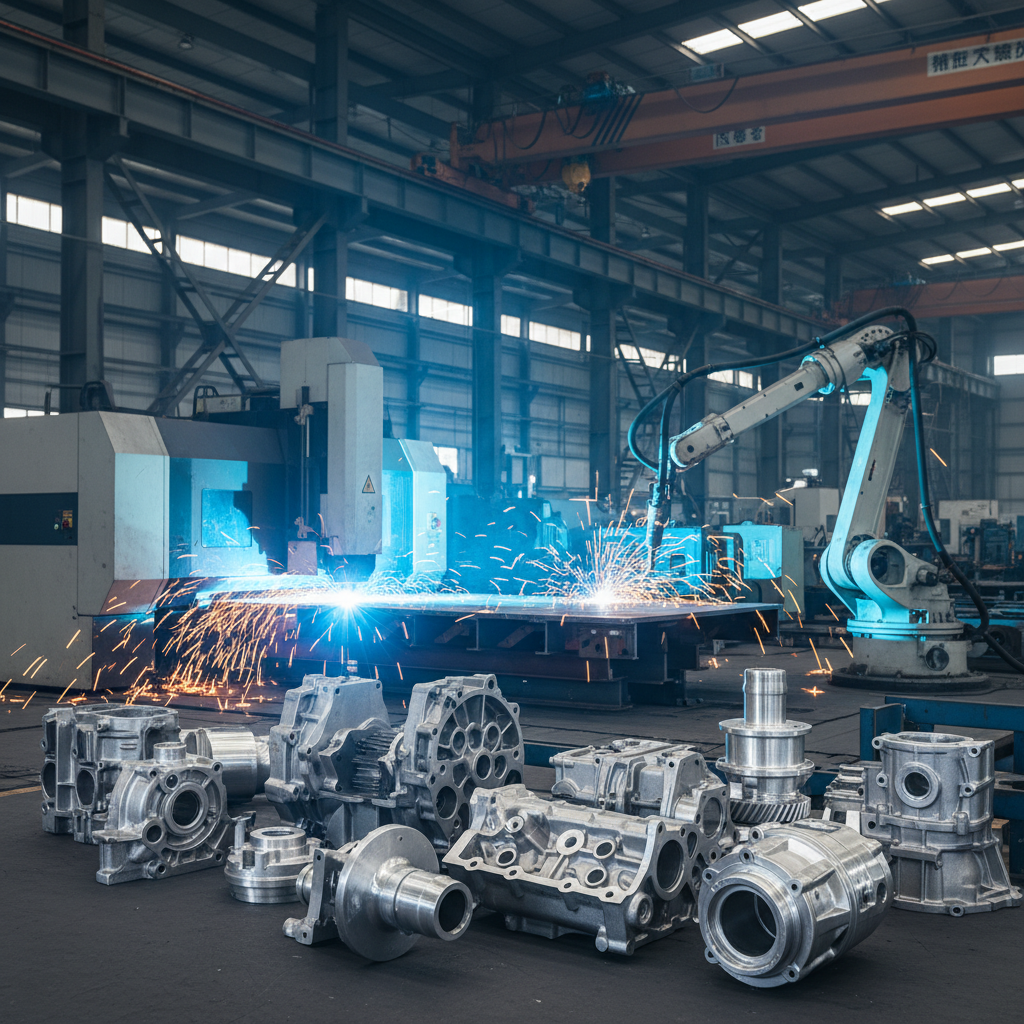
A die casting parts factory is a manufacturing facility specializing in the die casting process. This involves injecting molten metal – typically aluminum, zinc, magnesium, or copper alloys – under high pressure into reusable metal molds, known as dies. The resulting parts exhibit excellent dimensional accuracy, surface finish, and mechanical properties. These facilities typically house sophisticated machinery, including die casting machines, furnaces, mold making equipment, and quality control instruments.

Die casting isn't simply a manufacturing process; it's a complex system encompassing material science, mold design, process engineering, and quality assurance. A competent die casting parts factory doesn’t just produce parts; it provides a comprehensive solution, often including design assistance, prototyping, tooling development, and finishing services.

The connection to modern industry is undeniable. Virtually every modern product contains die cast components, contributing to the functionality, durability, and cost-effectiveness of countless items we use daily. From the intricate housings of smartphones to the robust components of industrial machinery, die casting plays a vital and often unseen role.

Core Components of Effective Die Casting

Several key factors contribute to the success of a die casting parts factory. First, robust mold design and construction are paramount. The die must withstand immense pressure and temperature fluctuations while maintaining precise dimensions. Secondly, precise control of the melting and injection process is crucial for minimizing defects and ensuring consistent part quality. Thirdly, efficient metal handling systems are necessary for maintaining alloy purity and reducing waste.

Furthermore, a skilled workforce is essential. Operators, engineers, and quality control personnel must possess in-depth knowledge of the die casting process and be capable of identifying and resolving potential issues. Finally, a commitment to continuous improvement and adoption of advanced technologies, such as automation and process monitoring, are key to maintaining competitiveness. These elements, collectively, define a high-performing die casting parts factory.

These core components aren't isolated elements; they are interconnected parts of a larger system. Optimizing one aspect without considering the others can lead to suboptimal results. For example, a perfectly designed mold will be ineffective if the injection process is poorly controlled. Similarly, a skilled workforce will be limited by outdated equipment. A holistic approach is therefore essential for achieving consistent, high-quality die casting.

Key Factors Influencing Die Casting Quality

The quality of die cast parts is influenced by several interconnected factors. Temperature control – both of the molten metal and the die itself – is critical. Maintaining optimal temperatures prevents defects such as porosity and shrinkage. Injection pressure and speed must also be carefully controlled to ensure complete die filling and minimize turbulence.

Alloy composition plays a significant role. The specific alloy selected must be appropriate for the intended application, considering factors such as strength, ductility, corrosion resistance, and castability. Die design and surface finish are equally important, affecting part ejection, surface quality, and mold life.

Die Casting Quality Control Metrics


Global Applications of Die Casting Components

Die cast components are ubiquitous across a vast spectrum of industries. The automotive sector is a primary consumer, utilizing die castings for engine blocks, transmission housings, and chassis components – driving demand for a reliable die casting parts factory. The aerospace industry relies on die castings for structural parts and housings, demanding stringent quality control and material traceability.

The electronics industry leverages die casting for enclosures, connectors, and heat sinks, benefiting from the process’s ability to create complex shapes with excellent thermal conductivity. The medical device sector utilizes die castings for housings, instrument components, and surgical tools, requiring high precision and biocompatibility. In remote industrial zones and developing nations, access to affordable, reliable die cast components is crucial for infrastructure development and manufacturing growth.

Advantages and Long-Term Value Proposition

The advantages of die casting are numerous. High production rates, enabling economies of scale, are a significant benefit. The process delivers excellent dimensional accuracy and repeatability, reducing the need for secondary machining. Die cast parts exhibit superior strength and durability compared to components produced by other manufacturing methods.

From a sustainability perspective, die casting offers advantages through material recyclability and reduced waste. Utilizing recycled aluminum, for example, significantly lowers the environmental footprint of the manufacturing process. Furthermore, the long-term reliability of die cast components reduces the frequency of replacements, minimizing resource consumption and extending product lifespan.

Future Trends and Innovations in Die Casting

The die casting industry is undergoing rapid innovation. The adoption of automation, including robotic die changing and automated inspection systems, is increasing efficiency and reducing labor costs. The development of new alloys, such as magnesium-aluminum alloys, is expanding the range of applications for die casting. The integration of digital technologies, like simulation software and machine learning algorithms, is optimizing process parameters and improving quality control.

The push for sustainability is driving the development of eco-friendly die casting processes, including the use of bio-based lubricants and the implementation of closed-loop recycling systems. Furthermore, advancements in additive manufacturing (3D printing) are beginning to complement die casting, enabling the creation of highly complex geometries and customized components.

FAQS

What are the key benefits of working with a specialized die casting parts factory?

A specialized die casting parts factory offers expertise in mold design, material selection, and process optimization. This leads to higher-quality parts, reduced lead times, and lower overall costs. They often provide value-added services like design assistance, prototyping, and finishing, streamlining the manufacturing process and ensuring a superior end product.

What materials are commonly used in die casting, and what are their typical applications?

Common die casting materials include aluminum, zinc, magnesium, and copper alloys. Aluminum is favored for its strength, lightweight, and corrosion resistance, used in automotive and aerospace. Zinc offers excellent castability and cost-effectiveness, suitable for hardware and consumer products. Magnesium is the lightest structural metal, ideal for automotive and electronics. Copper alloys provide high strength and conductivity, often found in electrical components.

How does the die casting process compare to other metal forming methods like forging or machining?

Die casting is generally more cost-effective for high-volume production of complex shapes compared to forging or machining. Forging is best for parts requiring exceptional strength, while machining is suited for lower volumes and intricate designs. Die casting excels in producing parts with thin walls, intricate details, and excellent surface finish, at a lower cost per part in large quantities.

What quality control measures are typically implemented by a reputable die casting parts factory?

Reputable factories employ rigorous quality control, including dimensional inspections, material testing, radiographic analysis, and visual inspections. Statistical process control (SPC) is used to monitor and control critical process parameters. They adhere to industry standards like ISO 9001 and utilize coordinate measuring machines (CMMs) to ensure dimensional accuracy.

What is the typical lead time for tooling and production with a die casting parts factory?

Tooling lead times can vary from 4-12 weeks depending on the complexity of the part. Production lead times depend on order volume and factory capacity, typically ranging from 2-8 weeks after tooling completion. Expedited tooling and production options are often available at an additional cost. Clear communication with the factory is key to managing lead times effectively.

How can I ensure effective communication and collaboration with a die casting parts factory?

Establishing clear communication channels, providing detailed drawings and specifications, and engaging in regular check-ins are crucial. Utilize project management tools for transparency and document control. Consider site visits to the factory to build relationships and gain a deeper understanding of their capabilities. A collaborative approach fosters trust and ensures a successful outcome.

Conclusion

Die casting parts factory are integral to a vast array of industries, offering a cost-effective, efficient, and reliable method for producing high-quality metal components. From the automotive and aerospace sectors to electronics and medical devices, the demand for die cast parts continues to grow, driven by innovation, sustainability, and the need for complex, high-performance solutions. Choosing a reputable and experienced die casting parts factory is paramount for achieving success in today’s competitive global market.

Looking ahead, the die casting industry is poised for continued growth and innovation. The adoption of advanced technologies, such as automation, digital twins, and new alloy development, will further enhance efficiency, improve quality, and expand the range of applications for die casting. Embracing these advancements and fostering strong partnerships with leading die casting manufacturers will be key to unlocking the full potential of this essential manufacturing process.

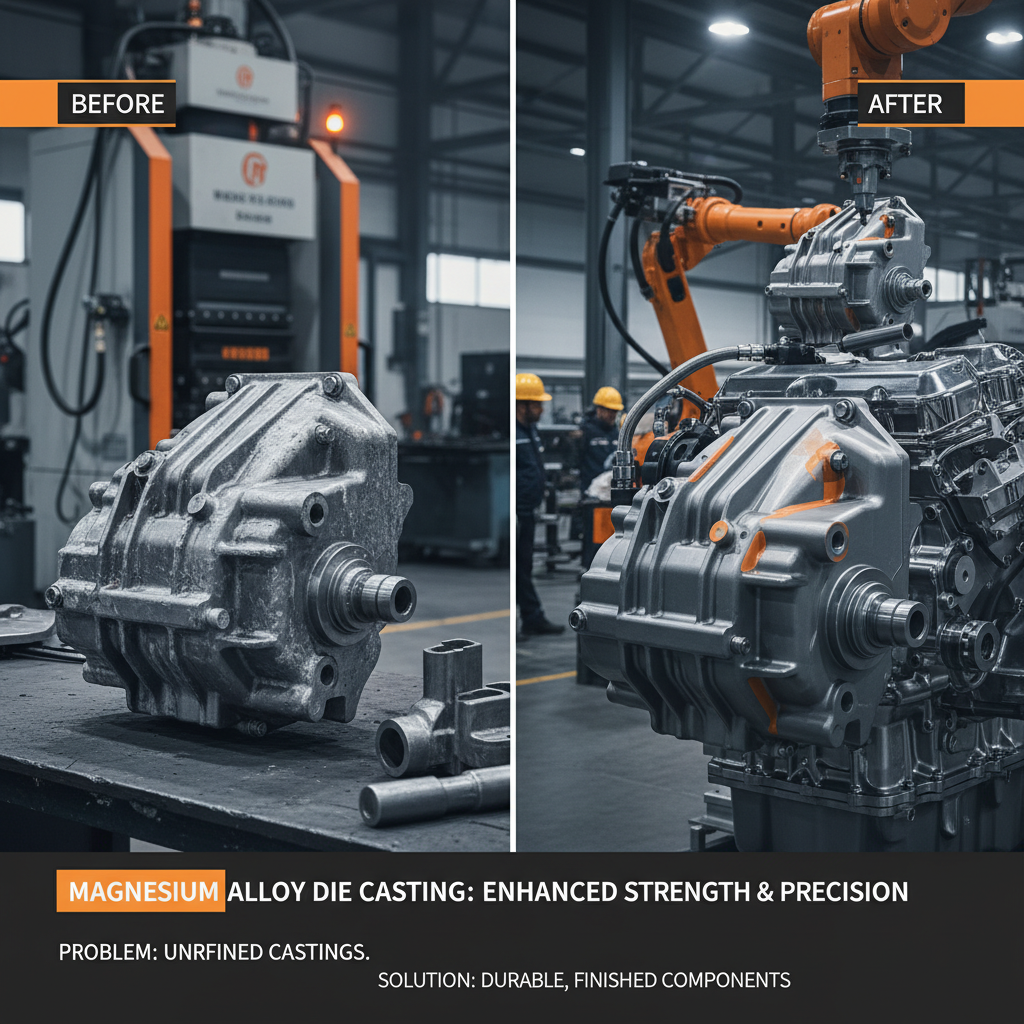
David Miller

David Miller

David Miller is a seasoned Mechanical Engineer with Baoding Hairun Machinery Equipment Trading Co., Ltd., specializing in cast steel and alloy steel components. With over 15 years of experience in the machinery industry, David focuses on bridging the gap between customer specifications and our manufacturing capabilities. He's a key contact
Previous Exploring the Diverse Types of Gravity Die Casting for Modern Industries
Next Expert Zinc Die Casting Supplier for High Quality Manufacturing