Achieving a high-quality finish in metal fabrication requires a deep understanding of the aluminium casting porosity standard, which serves as the critical benchmark for structural integrity. Porosity—the presence of small voids or holes within a cast part—can lead to catastrophic failure if not managed according to rigorous industry specifications. For engineers and procurement officers, mastering these standards is not just about compliance, but about ensuring the longevity and safety of the final product.
Globally, the demand for lightweight yet strong components in the automotive and aerospace sectors has pushed the aluminium casting porosity standard to the forefront of quality control. When air or gas becomes trapped during the molten metal phase, it creates weaknesses that can compromise pressure-tightness and mechanical strength. By adhering to established norms, manufacturers can significantly reduce scrap rates and ensure that every single component meets the rigorous demands of high-stress environments.
Understanding the nuances of these standards allows companies to optimize their production processes, from Die Casting to Sand Casting, ensuring that porosity levels remain within acceptable limits. This comprehensive guide explores the technicalities of the aluminium casting porosity standard, providing actionable insights into how to detect, measure, and mitigate voids to achieve industrial excellence.
Global Industry Context of Aluminium Casting Porosity Standard
In the modern industrial landscape, the aluminium casting porosity standard is influenced by global quality frameworks such as ISO 9001 and specific aerospace standards like AS9100. As the world shifts toward electric vehicles (EVs), the need for lightweight aluminum housings that can withstand high thermal stress without leaking has made porosity control a non-negotiable priority. Industry data suggests that porosity-related defects can account for up to 15% of casting rejects in poorly managed facilities, highlighting a significant economic drain.
The challenge lies in the inherent nature of aluminum's affinity for hydrogen. When molten aluminum is processed, it readily absorbs hydrogen gas, which precipitates out during solidification to create gas porosity. To combat this, the aluminium casting porosity standard provides the necessary guidelines for degassing and filtration, ensuring that the resulting components are dense, durable, and fit for purpose across international markets.
Definition and Technical Meaning of Porosity Standards
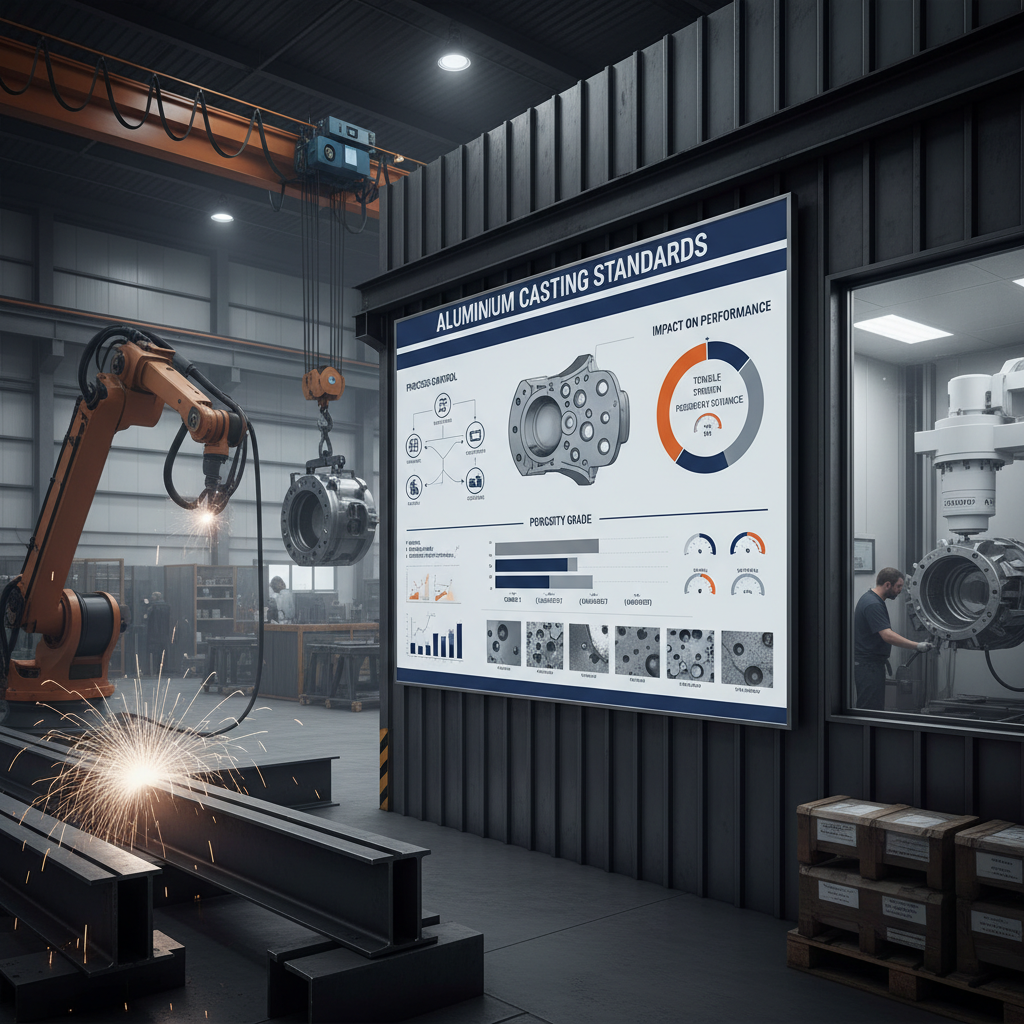
At its core, the aluminium casting porosity standard is a set of quantified limits that define the maximum allowable size, distribution, and volume of voids within a cast part. Rather than demanding "zero porosity"—which is physically nearly impossible in mass production—these standards categorize porosity into "acceptable" and "rejectable" levels based on the part's intended function.
Technically, these standards distinguish between gas porosity (spherical voids caused by trapped gas) and shrinkage porosity (irregular voids caused by the contraction of the metal during cooling). The distinction is crucial because gas porosity often points to issues with melt cleanliness, while shrinkage porosity suggests problems with the gating system or thermal gradients in the mold.
In the context of modern humanitarian and industrial needs, such as producing affordable high-efficiency water pumps or medical equipment housings, the aluminium casting porosity standard ensures that these critical devices do not fail prematurely, thereby saving costs and protecting lives through reliable engineering.
Core Components Affecting Porosity Levels
To maintain a strict aluminium casting porosity standard, manufacturers must focus on melt quality. The use of rotary degassing tools to remove hydrogen and the application of ceramic foam filters help in eliminating oxides and inclusions that often act as nucleation sites for gas bubbles.
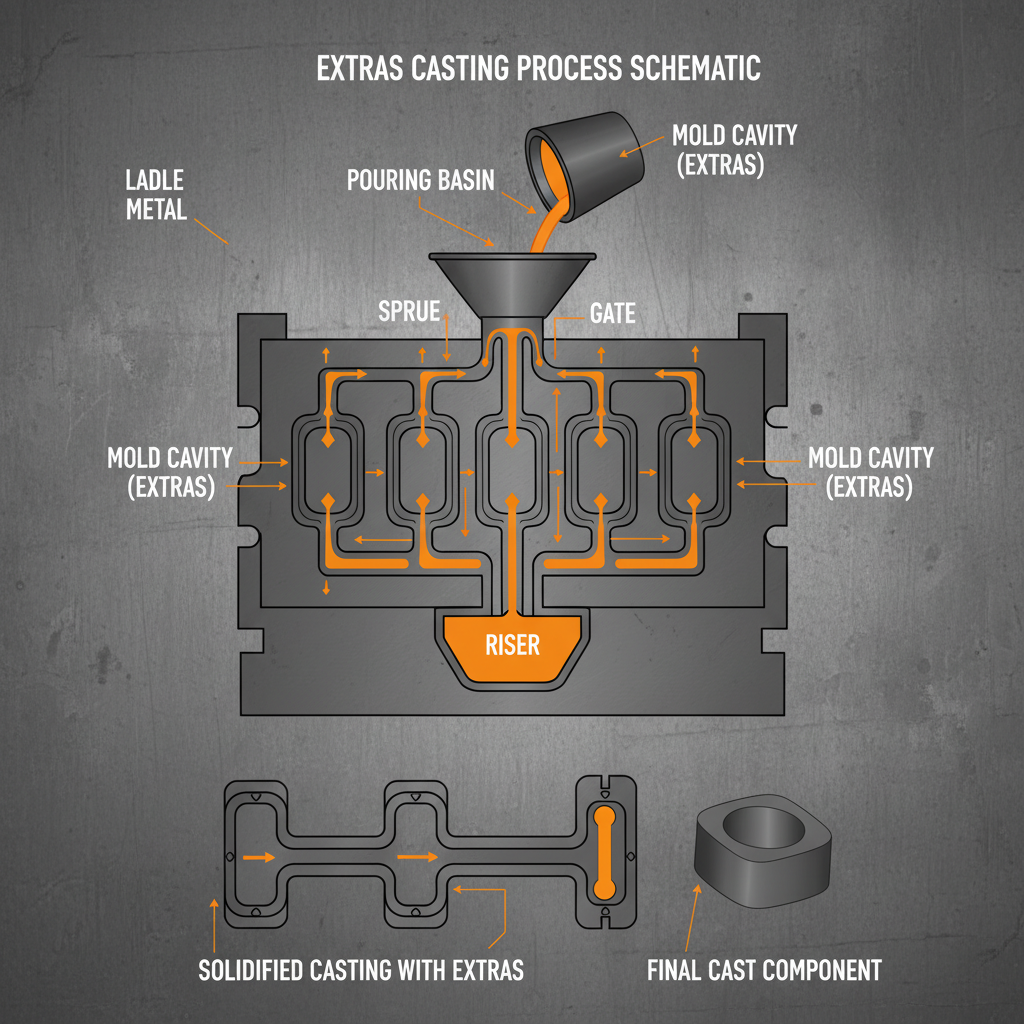
Thermal management is another pillar of the aluminium casting porosity standard. Controlling the cooling rate through optimized riser design and mold temperature regulation ensures that the metal solidifies directionally, pushing shrinkage voids out of the critical functional areas of the part and into the risers where they can be machined away.
Finally, the choice of casting method—whether it be Die Casting, Sand Casting, or Precision Casting—dictates which aluminium casting porosity standard applies. For instance, high-pressure die casting (HPDC) often deals with more entrapped air due to high injection speeds, requiring specialized venting and vacuum systems to meet quality benchmarks.
Comparison of Porosity Detection Methods
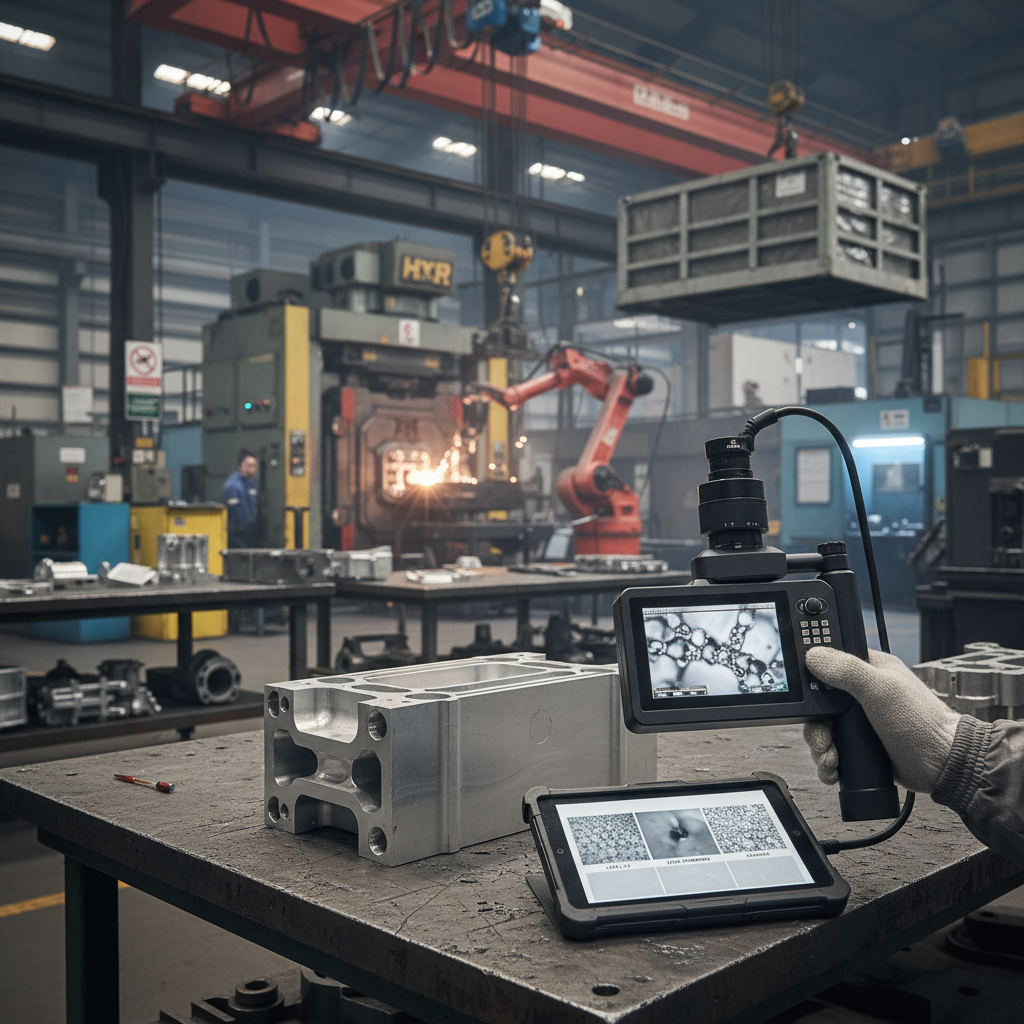
Evaluating a part against the aluminium casting porosity standard requires a combination of destructive and non-destructive testing (NDT). While traditional sectioning and microscopy provide a clear view of void morphology, they destroy the part, making them suitable only for sample audits rather than 100% inspection.
Modern facilities now rely on X-ray imaging and Computed Tomography (CT) scanning to visualize internal voids in 3D. This allows for a precise comparison against the aluminium casting porosity standard, ensuring that no critical internal defect is overlooked before the part proceeds to the machining stage.
Effectiveness of Detection Methods vs. Aluminium Casting Porosity Standard
Global Applications and Real-World Use Cases
In the automotive sector, specifically for engine blocks and transmission cases, the aluminium casting porosity standard is vital for ensuring pressure tightness. A single microscopic void in a cooling jacket can lead to coolant leakage, resulting in engine overheating and catastrophic failure in high-speed transit.
Beyond automotive, in remote industrial zones where heavy machinery is used for mining or construction, precision castings must adhere to strict porosity standards to prevent stress corrosion cracking. For example, in hydraulic valve bodies, the aluminium casting porosity standard ensures that the high-pressure fluid does not seep through the metal wall, maintaining operational safety in hazardous environments.
Long-Term Value and Sustainability Benefits
Adhering to the aluminium casting porosity standard provides immense long-term value by reducing the Total Cost of Ownership (TCO). When parts are cast with minimal porosity, they exhibit higher fatigue strength and a longer service life, reducing the frequency of replacement and the associated downtime for the end-user.
From a sustainability perspective, strict porosity control directly translates to less waste. By optimizing the casting process to meet the aluminium casting porosity standard on the first attempt, manufacturers reduce the amount of energy and raw material spent on re-melting scrapped parts.
Furthermore, there is an emotional and ethical angle to quality: trust. When a company can certify that its components exceed the aluminium casting porosity standard, they build a reputation for reliability and safety, fostering deep trust with global partners and ensuring the dignity of the workers who rely on this equipment.
Future Trends in Porosity Control and Innovation
The future of the aluminium casting porosity standard is being shaped by digital transformation. AI-driven simulation software can now predict porosity formation before a single drop of metal is poured, allowing engineers to adjust the mold design to virtually eliminate voids.
Automation in the degassing process and the integration of real-time sensors in the melt are further pushing the boundaries of what is possible. We are moving toward a "zero-defect" philosophy where the aluminium casting porosity standard is not just a limit to be met, but a baseline to be surpassed.
Additionally, the rise of green energy is introducing new aluminium alloys that are more resistant to hydrogen absorption. These innovative materials, combined with additive manufacturing (3D printing) of casting cores, will allow for complex geometries that maintain a strict aluminium casting porosity standard even in the most intricate designs.
Analysis of Porosity Control Factors Across Casting Methods
| Casting Method |
Primary Porosity Risk |
Control Difficulty (1-10) |
Standard Compliance Rate |
| Die Casting |
Entrapped Air/Turbulence |
8 |
High (with vacuum) |
| Sand Casting |
Hydrogen Gas Porosity |
5 |
Moderate |
| Investment Casting |
Shrinkage Voids |
6 |
Very High |
| Low Pressure Casting |
Gas Inclusion |
4 |
High |
| Centrifugal Casting |
Center-line Porosity |
7 |
Moderate |
| Gravity Die Casting |
Thermal Shrinkage |
5 |
High |
FAQS
While there isn't a single universal "number," most industries follow ISO or ASTM standards. For automotive parts, the standard is often defined by the OEM (Original Equipment Manufacturer) based on the part's function, typically specifying the maximum pore diameter (e.g., 0.5mm) and the total percentage of porosity allowed in a given cross-section to ensure structural integrity.
Gas porosity appears as smooth, spherical bubbles caused by hydrogen gas escaping during solidification. Shrinkage porosity, however, appears as irregular, jagged voids caused by the volume contraction of the metal as it cools. Both are regulated by the aluminium casting porosity standard, but they require different solutions: degassing for gas porosity and improved riser design for shrinkage.
In practical mass production, completely eliminating porosity is nearly impossible. The goal of the aluminium casting porosity standard is to keep porosity within a range that does not affect the part's mechanical properties or leak-tightness. Advanced techniques like vacuum die casting can get very close to zero, but some micro-porosity usually remains.
For high-precision parts, Industrial CT (Computed Tomography) scanning is the gold standard as it provides a full 3D map of all internal voids. For high-volume production, X-ray inspection is more common as it is faster and still highly effective at detecting voids that violate the aluminium casting porosity standard.
Moisture is a primary culprit for gas porosity. When molten aluminium hits water vapor in a sand mold, it dissociates into hydrogen and oxygen; the hydrogen is rapidly absorbed by the metal. Following a strict aluminium casting porosity standard requires precise control over sand moisture and the use of proper venting to allow steam to escape.
Yes, different alloys have different solubilities for hydrogen and different shrinkage rates. For example, A356 is common for structural parts and has its own set of expectations under the aluminium casting porosity standard, whereas A380 (common in die casting) is evaluated differently due to its higher fluidity and different gas entrapment risks.
Conclusion
The aluminium casting porosity standard is more than just a technical checklist; it is the foundation of quality assurance in the metal casting industry. By understanding the differences between gas and shrinkage porosity, implementing rigorous degassing and thermal controls, and utilizing advanced NDT methods like CT scanning, manufacturers can produce components that are safe, efficient, and durable. From the automotive housings of tomorrow to the critical industrial valves of today, adherence to these standards ensures that lightweighting does not come at the expense of reliability.
As we look forward, the integration of AI and digital twin technology will likely transform the aluminium casting porosity standard from a reactive measurement to a proactive design feature. We encourage engineers and procurement specialists to prioritize partners who not only meet but exceed these benchmarks to ensure the longevity of their products. For high-quality casting solutions and professional guidance on porosity control, visit our website: www.hairunsourcing.com.