
• sns01
  • sns02
  • sns03
  • sns05
  • sns06
  • sns07
0%

Table of Contents

casting film is a versatile material finding increasing application across a multitude of industries, from packaging and labeling to specialized industrial uses. Its unique properties – clarity, durability, and adaptability – make it a crucial component in modern supply chains and manufacturing processes. Globally, the demand for high-quality casting film is steadily rising, driven by the growth of e-commerce, food packaging, and consumer goods.

The global casting film market is experiencing substantial expansion, projected to reach significant figures in the coming years, as detailed by market research reports. This growth is largely fueled by a need for advanced packaging solutions that enhance product protection, extend shelf life, and improve aesthetic appeal. Addressing challenges in efficient production and sustainable sourcing of raw materials for casting film remains a key industry focus.

Understanding the nuances of casting film – its production methods, material science, and application possibilities – is essential for businesses aiming to innovate and stay competitive in today’s dynamic market. Its ability to be tailored to specific needs, combined with its cost-effectiveness, makes it an invaluable asset in numerous sectors.
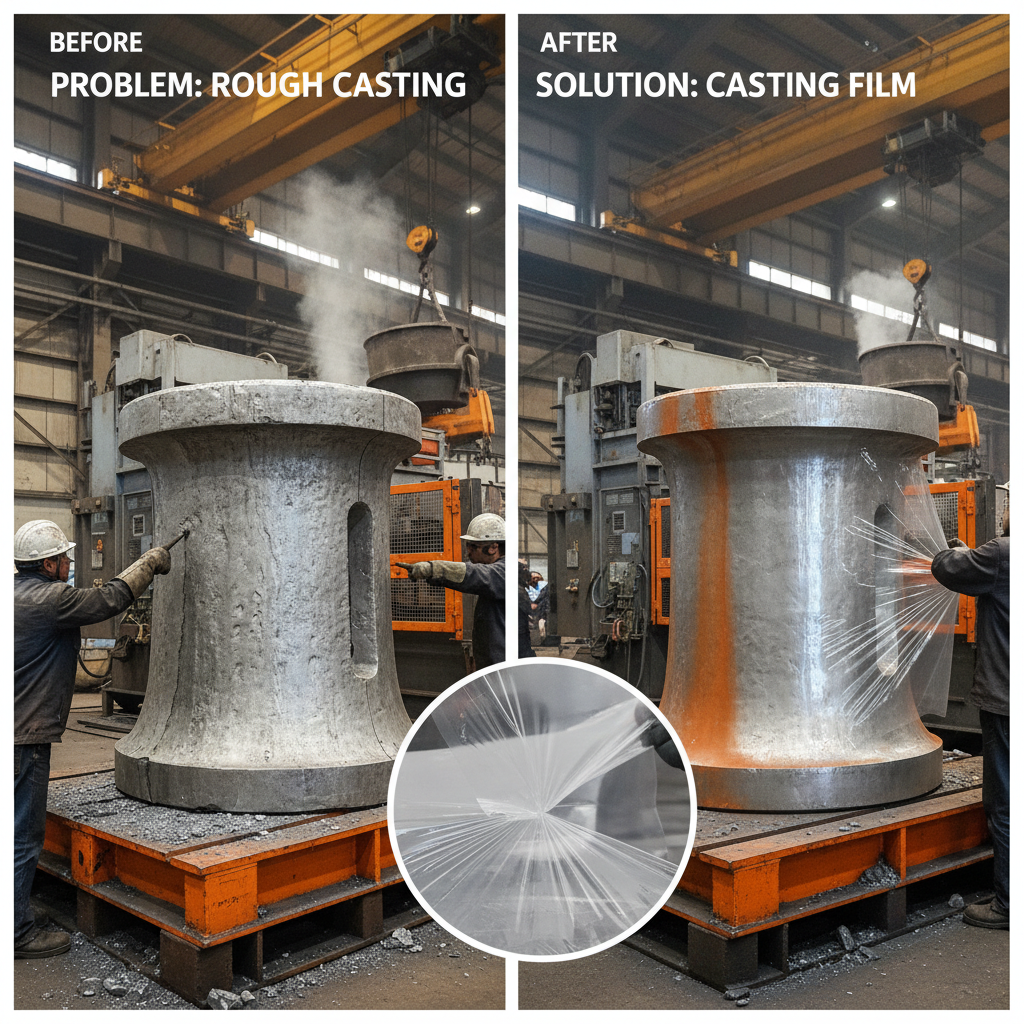
Exploring the Versatility and Future of Casting Film Technology

The Fundamentals of Casting Film

Exploring the Versatility and Future of Casting Film Technology

Casting film, at its core, is a plastic film produced through a process of extruding a molten polymer onto a chilled roller. This rapid cooling results in a smooth, clear, and highly uniform film. The polymer used can vary greatly, including polypropylene (PP), polyethylene (PE), and polyethylene terephthalate (PET), each contributing unique properties to the final product.

The resulting film is lauded for its optical clarity, excellent barrier properties, and inherent strength, making it ideal for a broad range of applications. Its ability to be easily printed on and converted into various formats further enhances its versatility. The production of casting film is a meticulously controlled process, ensuring consistent quality and performance.

The Manufacturing Process of Casting Film

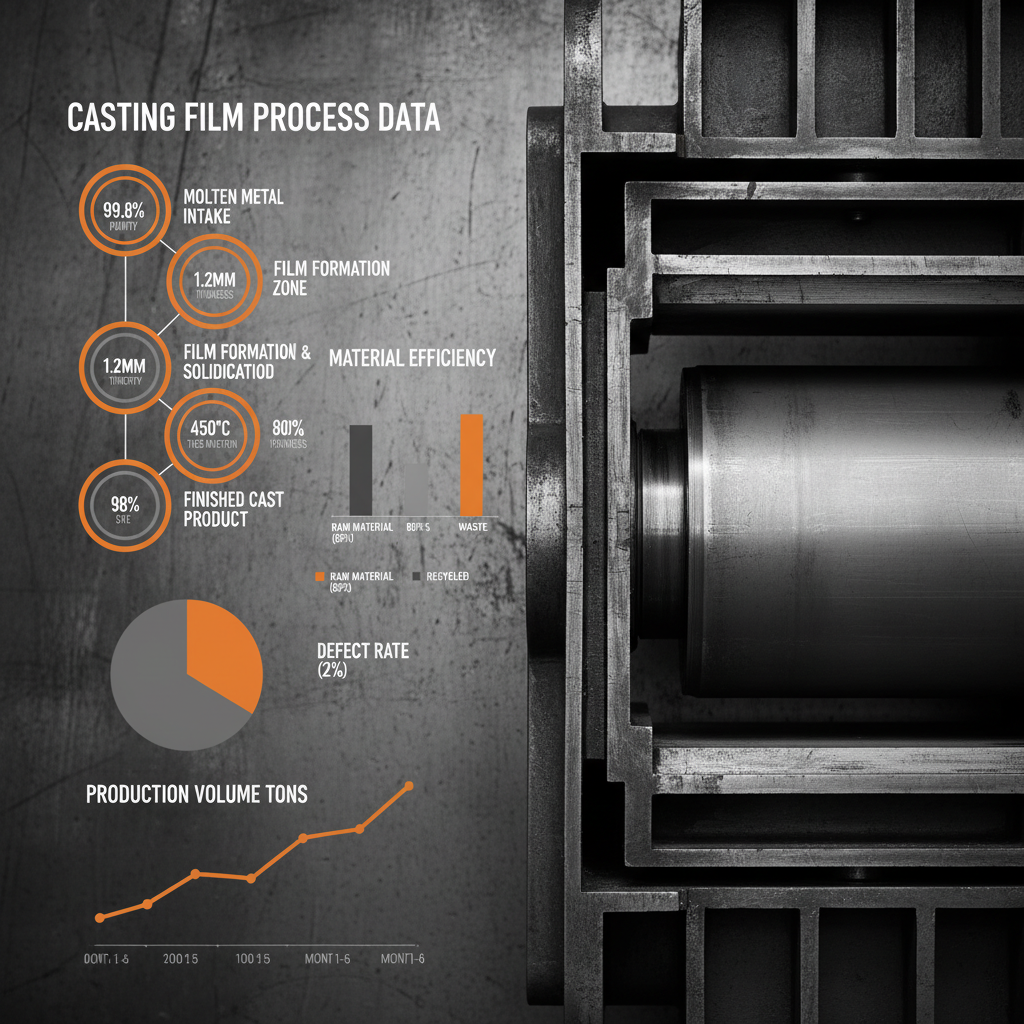
The creation of casting film begins with the selection of raw polymer resins. These resins are then fed into an extruder, where they are melted and homogenized. The molten polymer is precisely metered and distributed onto a highly polished, cooled casting drum. This drum solidifies the film as it passes over it.

Following solidification, the film undergoes a series of processes including corona treatment to enhance printability, slitting to the desired width, and winding onto rolls. Sophisticated control systems are employed throughout the process to maintain precise thickness, uniformity, and clarity. This precise process ensures a consistent, high-quality casting film product.

Quality control measures, including visual inspection and physical property testing, are implemented at various stages to ensure the film meets stringent specifications. Optimization of extrusion parameters, cooling rates, and material compositions are critical to achieving desired film characteristics.

Key Properties and Characteristics

Casting film exhibits a remarkable set of properties. Optical clarity is paramount, allowing for exceptional visual appearance in packaging and displays. Its excellent barrier properties prevent the ingress of moisture, oxygen, and other contaminants, protecting the packaged contents.

The film’s inherent tensile strength and tear resistance contribute to its durability and suitability for demanding applications. Furthermore, casting film demonstrates excellent dimensional stability, meaning it maintains its shape and size even under varying temperature and humidity conditions. Its adaptability to diverse printing methods enhances its versatility.

The specific properties of casting film can be tailored by adjusting the polymer composition and processing parameters. This allows manufacturers to create films optimized for specific end-use requirements, ranging from flexible packaging to graphic arts applications.

Applications Across Diverse Industries

The versatility of casting film translates into its widespread application across numerous industries. In the packaging sector, it's a mainstay for food packaging, protecting freshness and extending shelf life. It’s also prevalent in the labeling industry, providing a clear and durable surface for branding and product information.

The graphic arts industry relies on casting film for applications such as laminating films for posters, brochures, and other printed materials. Industrial applications include release liners for adhesive products, surface protection for sensitive materials, and specialized packaging for electronics and pharmaceuticals.

Comparison of Casting Film Applications


Cost Efficiency and Sustainability

Casting film offers a compelling balance of performance and cost-effectiveness. Its efficient manufacturing process and relatively low material costs make it a viable solution for a wide range of budgets. Compared to alternative materials, casting film often presents a lower total cost of ownership.

Sustainability is increasingly a focus, with manufacturers exploring bio-based polymers and recyclable film options. Reducing material waste through optimized production processes and promoting responsible disposal practices are key initiatives within the industry.

Advancements and Emerging Trends

The casting film industry is continuously evolving, driven by technological advancements and changing market demands. Research and development efforts are focused on enhancing film properties, such as barrier performance and tear resistance, while simultaneously reducing material thickness and environmental impact.

Emerging trends include the development of multilayer films with tailored functionalities, such as improved oxygen barrier or enhanced printability. Nanotechnology is also being explored to create films with unique properties, such as anti-fogging or anti-static characteristics.

Digital printing technologies are further expanding the possibilities for customization and on-demand production of casting film products.

Addressing Challenges and Future Outlook

Despite its advantages, the casting film industry faces several challenges. These include fluctuations in raw material prices, increasing regulatory scrutiny regarding environmental impact, and the need to continuously innovate to meet evolving customer requirements.

Addressing these challenges requires a collaborative effort between manufacturers, suppliers, and end-users. Investing in research and development, promoting sustainable sourcing practices, and adopting circular economy principles are crucial steps towards a more resilient and environmentally responsible industry.

The future outlook for casting film remains positive, with continued growth expected in both established and emerging markets. The ongoing demand for flexible packaging, labeling, and specialty films will continue to drive innovation and expansion within the industry.

Summary of Current Challenges and Potential Solutions for Casting Film

Challenge Impact Level (1-10) Potential Solution Implementation Cost (Low/Medium/High)
Raw Material Price Volatility 8 Long-term supply contracts & diversified sourcing Medium
Environmental Regulations 9 Development of bio-based & recyclable films High
Competition from Alternatives 7 Focus on niche applications & superior performance Low
Production Efficiency 6 Automation & process optimization Medium
Maintaining Film Consistency 7 Advanced process control systems & quality monitoring Medium
Demand for Thinner Films 8 Material innovation & advanced extrusion technologies High

FAQS

What are the primary differences between cast polypropylene (CPP) and biaxially oriented polypropylene (BOPP) film?

CPP film, produced using the casting process, is known for its excellent clarity, softness, and sealability. It’s ideal for packaging applications requiring good heat sealing and product presentation. BOPP, on the other hand, undergoes a stretching process, resulting in higher tensile strength, better barrier properties, and improved dimensional stability. BOPP is preferred for applications demanding durability and rigidity, such as snack food packaging. Both are valuable casting film options, selected based on specific application needs.

How does the thickness of casting film impact its performance?

Film thickness directly influences several performance characteristics. Thicker films generally offer greater strength, puncture resistance, and barrier properties, but also increase material cost. Thinner films reduce material usage and cost but may compromise strength and barrier performance. Optimal thickness depends on the specific application. Careful consideration of the packaged product, handling requirements, and desired shelf life is crucial when selecting casting film thickness.

Is casting film suitable for food contact applications?

Yes, many grades of casting film are specifically designed and approved for direct food contact. These films comply with regulations set by organizations like the FDA (Food and Drug Administration) and EFSA (European Food Safety Authority). It's essential to verify that the film selected has the appropriate food contact certifications for the intended application and region.

What is corona treatment, and why is it applied to casting film?

Corona treatment is a surface modification process that increases the wettability and adhesion properties of casting film. It involves exposing the film surface to a high-voltage electrical discharge, creating polar functional groups. This enhances the film’s ability to accept inks, adhesives, and coatings, improving print quality and lamination performance. It’s a crucial step for many packaging and labeling applications.

What are the sustainability options available for casting film?

Several sustainable options are emerging for casting film, including the use of bio-based polymers derived from renewable resources, the development of recyclable film structures, and efforts to reduce film thickness to minimize material consumption. Compostable film options are also available for specific applications. Manufacturers are increasingly focused on creating more environmentally friendly film solutions.

How is casting film different from other types of plastic films, such as polyethylene film?

While both casting film and polyethylene (PE) film are plastic films, they differ in their manufacturing processes and resulting properties. PE film is typically produced through blown extrusion, resulting in different characteristics. Casting film generally exhibits superior clarity, smoothness, and barrier properties, while PE film is often more cost-effective and flexible. Casting film's unique process lends itself to specialized applications requiring high performance.

Conclusion

In conclusion, casting film represents a critical material across diverse industries, delivering a compelling combination of clarity, durability, and versatility. Its evolving manufacturing processes, coupled with ongoing innovations in material science, continue to expand its applications and enhance its sustainability. Understanding the properties and nuances of this film is paramount for businesses seeking to optimize packaging, labeling, and other critical processes.

Looking ahead, a continued focus on sustainable sourcing, the development of bio-based materials, and advancements in recycling technologies will be vital to ensuring the long-term viability of the casting film industry. Embracing these trends will not only address environmental concerns but also unlock new opportunities for innovation and growth. Visit our website at www.hairunsourcing.com to explore our range of casting film solutions.


Robert Johnson

Robert Johnson

Robert Johnson serves as a Quality Control Manager at Baoding Hairun. His role is crucial in maintaining the high standards our US customers expect. Robert oversees all aspects of quality assurance, from initial material sourcing to final product inspection, employing rigorous testing procedures including dimensional analysis and non-destructive testing. He
Previous The Essential Role of Casting Agencies in Modern Entertainment
Next Revolutionizing Construction with all casting A Comprehensive Overview