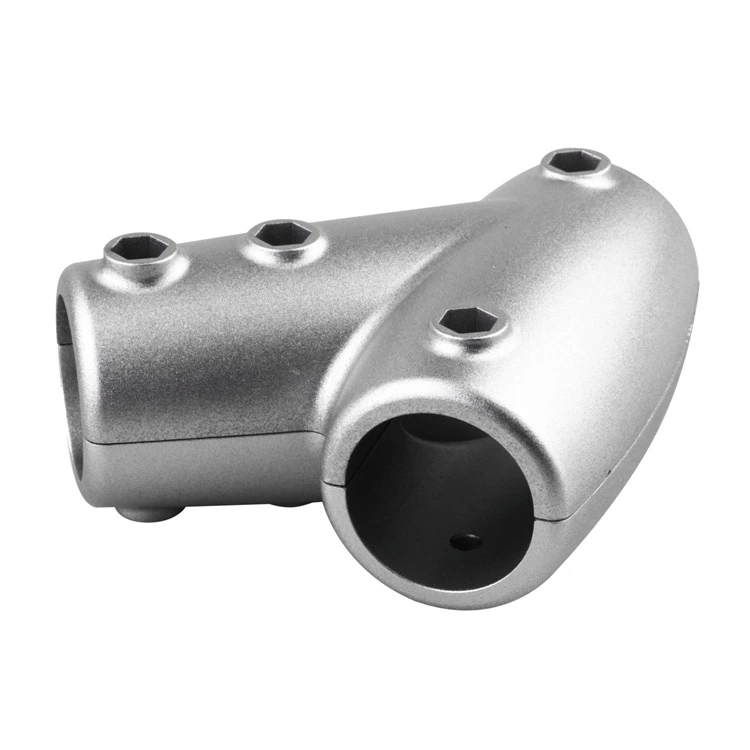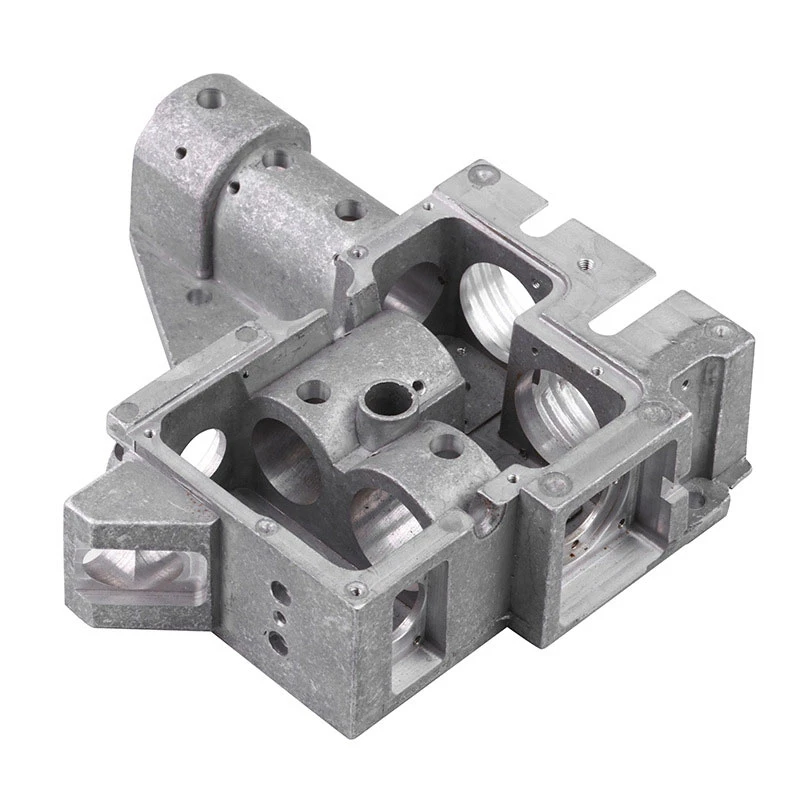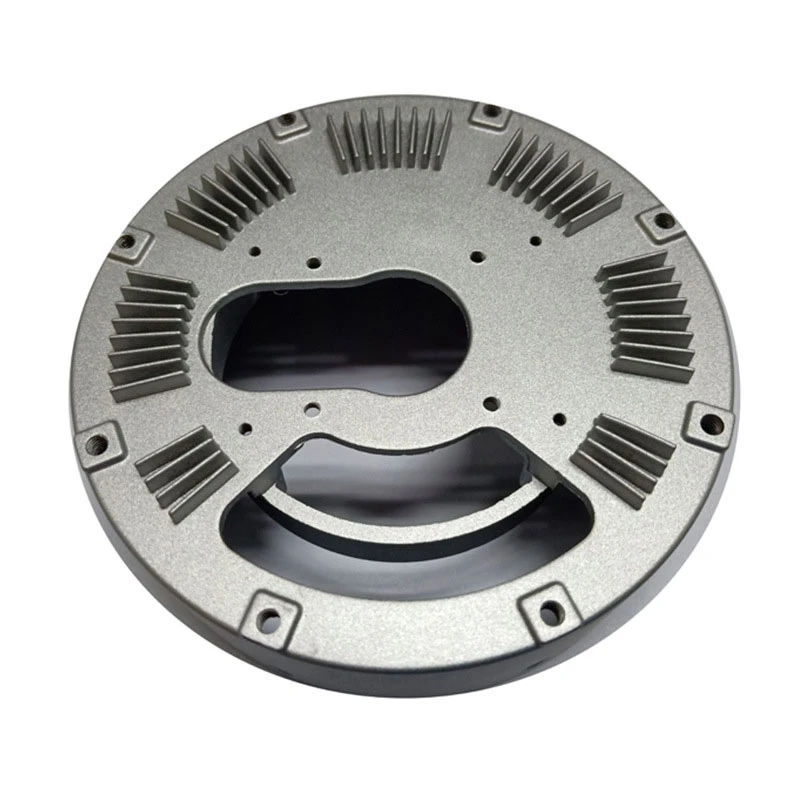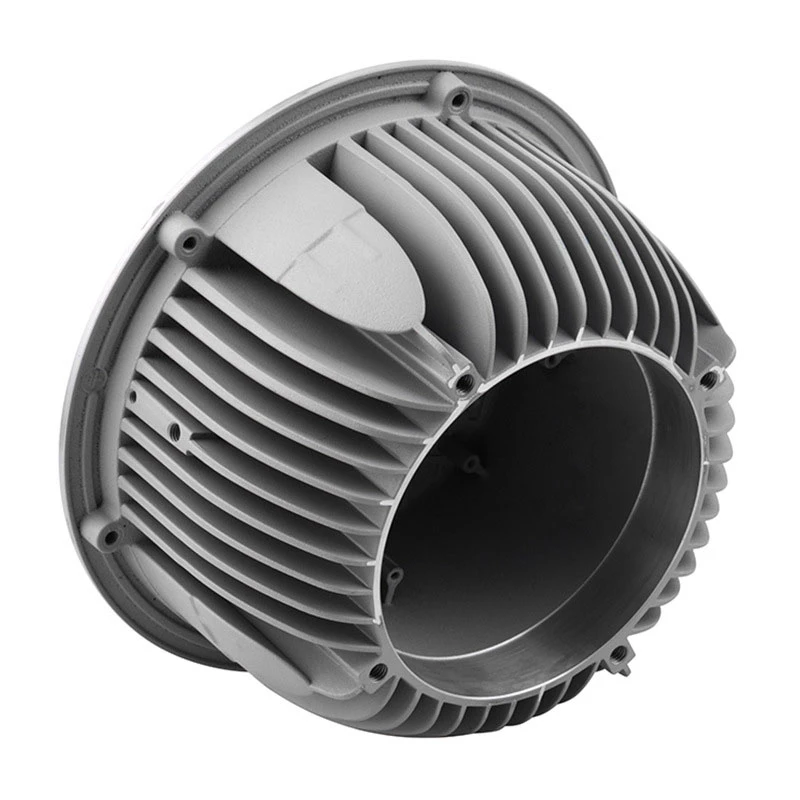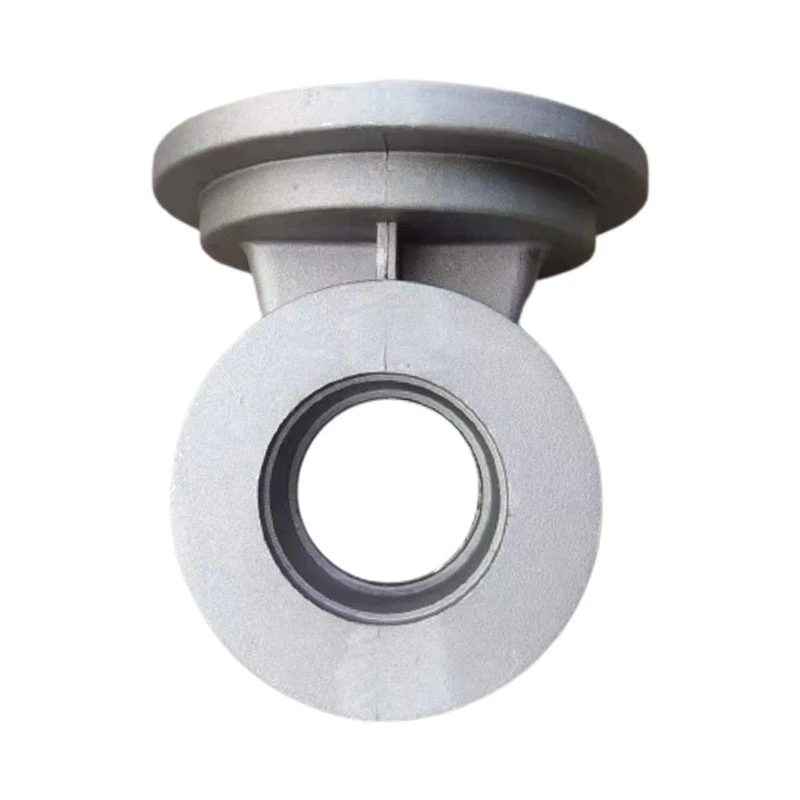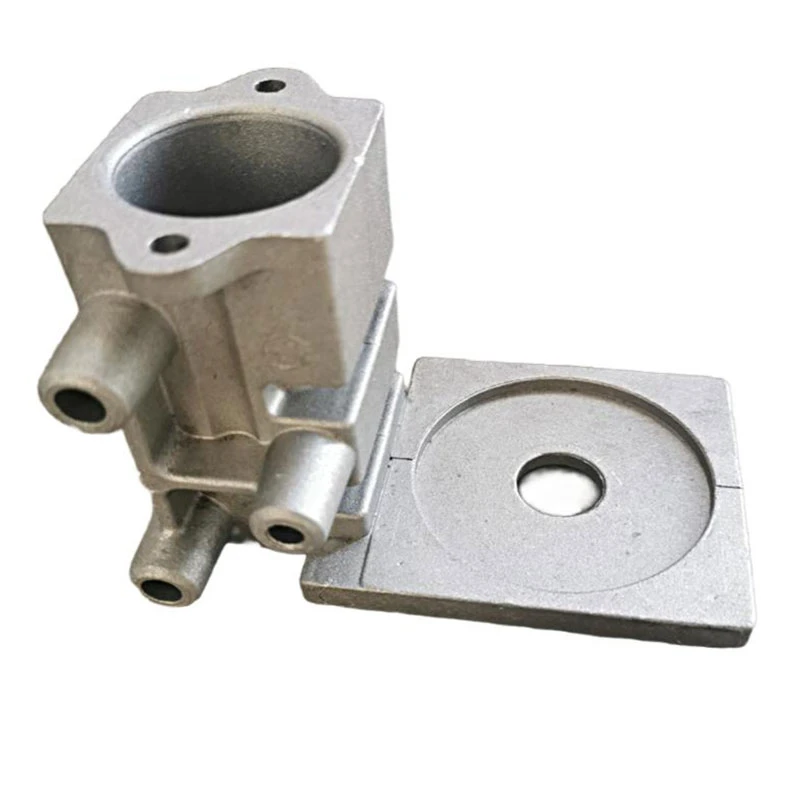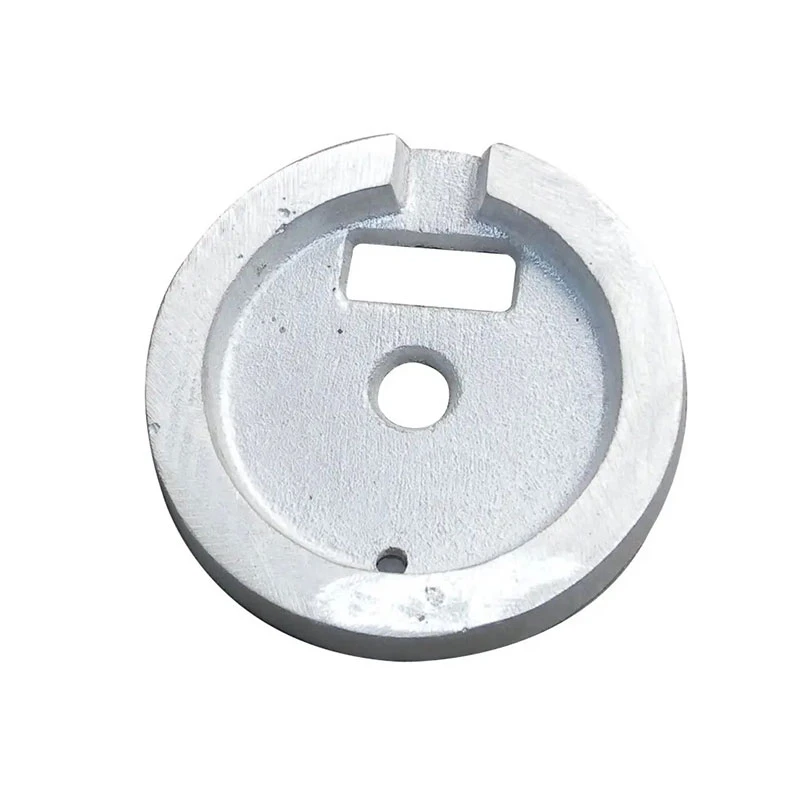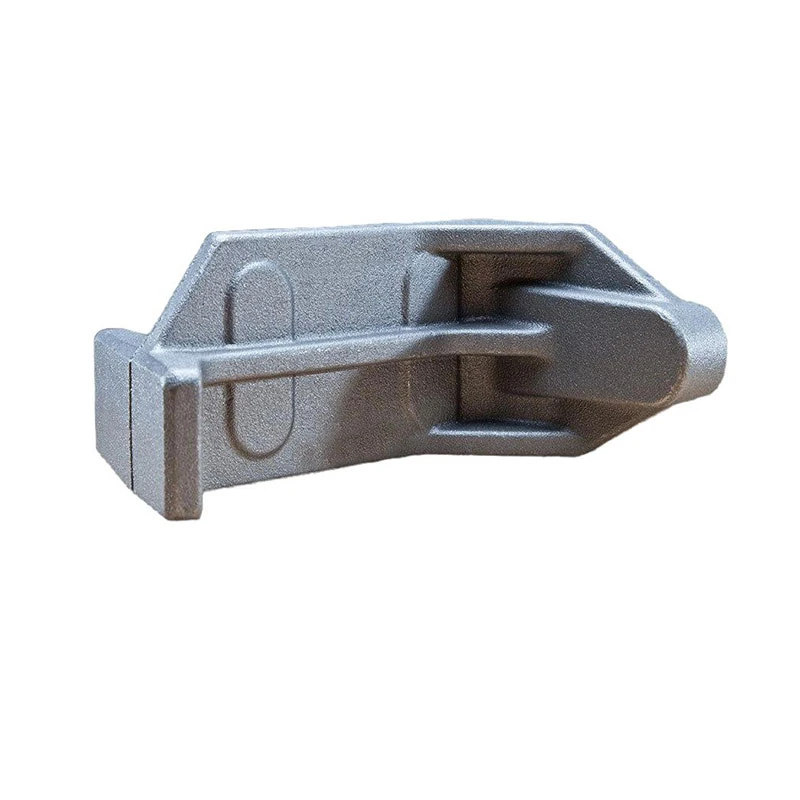



Innovative Casting Elbows: Removable & Waterproof Support
Understanding Industrial Casting Elbows
In complex industrial pipeline systems, the efficient and safe redirection of fluid flow is paramount. This critical function is primarily performed by pipe fittings, among which the casting elbow stands out as a fundamental component. A casting elbow is a cast metal fitting designed to change the direction of a pipeline, typically by 45, 90, or 180 degrees. These components are integral to a vast array of sectors, from oil and gas to chemical processing, power generation, and water management, where they must withstand extreme pressures, temperatures, and corrosive environments. Their robust construction, achieved through advanced casting techniques, ensures reliability and longevity, making them a preferred choice for demanding applications.
The demand for high-performance casting elbow solutions is continuously evolving, driven by stringent safety regulations, the need for enhanced operational efficiency, and the development of new materials capable of superior resistance to wear and tear. Modern manufacturing practices for these elbows prioritize precision, material integrity, and adherence to international standards, guaranteeing optimal performance under the most challenging conditions. While some might conceptually relate to an "elbow half cast" or "removable cast elbow" in a medical context, the industrial casting elbow refers exclusively to a robust metal component for fluid conveyance, distinct from the lighter "waterproof elbow cast" used for human injuries. This article delves into the technical intricacies, market dynamics, and operational advantages of these indispensable industrial components.
Industry Trends and Market Dynamics in Casting Elbows
The global market for industrial pipe fittings, particularly casting elbow products, is experiencing significant transformation. Several key trends are shaping its future, emphasizing innovation, sustainability, and heightened performance expectations:
- Advanced Materials Development: There's a growing emphasis on high-performance alloys and specialty steels such as duplex stainless steel, super duplex stainless steel, and nickel-based alloys. These materials offer superior corrosion resistance, high-temperature strength, and improved longevity, crucial for aggressive media and extreme operating conditions. For instance, the use of Duplex Stainless Steel (e.g., UNS S31803) has seen a steady increase, offering a yield strength nearly double that of conventional austenitic stainless steels, leading to thinner wall sections and lighter, more cost-effective designs.
- Sustainability and Energy Efficiency: Industries are increasingly seeking components that contribute to reduced energy consumption and environmental impact. This translates to demand for elbows with optimized flow dynamics to minimize pressure drop, thereby lowering pumping costs and energy use. Precision manufacturing techniques, such as investment casting, play a pivotal role in achieving smoother internal surfaces and more precise geometries, directly contributing to energy saving.
- Digitalization and Smart Manufacturing: The adoption of Industry 4.0 principles, including IoT sensors for predictive maintenance, digital twins for design optimization, and advanced simulation tools, is enhancing the efficiency and reliability of cast elbow production. This allows for tighter tolerances, reduced material waste, and quicker prototyping, bringing a new level of precision to product development.
- Stringent Quality and Safety Standards: Global regulations are becoming more rigorous, especially in sectors like nuclear power, offshore oil and gas, and pharmaceutical manufacturing. Manufacturers must adhere to international standards such as ISO 9001, ANSI, ASTM, and ASME, which dictate material composition, dimensional accuracy, mechanical properties, and testing protocols. Certification to these standards provides a critical layer of trustworthiness and authority.
- Customization and Modularity: As industrial projects become more specialized, the demand for custom-engineered casting elbow solutions that precisely fit unique system requirements is rising. This includes specific angles, eccentric reductions, and custom end connections, requiring flexible manufacturing capabilities.
These trends collectively push manufacturers to innovate, ensuring their products not only meet but exceed the evolving performance expectations of global industries, thereby enhancing their expertise and authoritativeness in the market.
Detailed Manufacturing Process Flow for Precision Casting Elbows
The production of a high-quality casting elbow is a multi-stage process that combines metallurgical science with advanced engineering precision. This process ensures the finished product possesses the required mechanical properties, dimensional accuracy, and surface finish for demanding industrial applications.
1. Pattern Making
An exact replica of the casting elbow is created, typically from wax or plastic. For precision casting (investment casting), wax patterns are formed by injecting molten wax into a metal die. This step is critical for dimensional accuracy and surface quality.
2. Wax Assembly (Tree Assembly)
Multiple wax patterns are assembled onto a central wax sprue, forming a 'tree' structure. This allows for the simultaneous casting of several elbows, improving efficiency and ensuring consistent metallurgical properties across a batch.
3. Shell Building (Ceramic Slurry Dipping)
The wax tree is repeatedly dipped into a ceramic slurry and then coated with refractory sand. This process builds up a strong, multi-layered ceramic shell around the wax patterns, capable of withstanding high temperatures.
4. Dewaxing
The ceramic shell, with the wax patterns inside, is heated in an autoclave. The wax melts and drains out, leaving a hollow ceramic mold. This process gives investment casting its "lost-wax" name, ensuring the cavity is ready for metal pouring.
5. Firing and Pouring
The ceramic mold is preheated to high temperatures (typically 800-1100°C) to increase its strength and remove any residual moisture. Molten metal (e.g., stainless steel, carbon steel, alloy steel) is then poured into the hot mold cavity. The selection of specific alloys is dictated by the intended application and its demands for corrosion resistance, temperature, and pressure.
6. Cooling and Knockout
After solidification, the mold cools. The ceramic shell is then broken away using vibratory hammers or high-pressure water jets, revealing the rough cast elbow components. This step requires careful handling to avoid damage to the newly formed metal.
7. Cut-off and Finishing
Individual elbows are cut from the sprue. Gates and risers are removed, and the castings undergo various finishing operations, including grinding, shot blasting, and sometimes CNC machining for precise critical dimensions or specialized end connections (e.g., threaded, flanged). Forging might be used for higher strength requirements, followed by heat treatment.
8. Heat Treatment
Many cast elbow components undergo heat treatment (e.g., annealing, normalizing, quenching and tempering) to optimize their microstructure, improve mechanical properties such as hardness, strength, and ductility, and relieve internal stresses, thereby enhancing service life.
9. Quality Control and Testing
Rigorous testing is performed to ensure compliance with standards like ISO 9001, ANSI B16.9/B16.11, ASTM, and ASME. This includes:
- Dimensional Inspection: Using calipers, gauges, and CMM (Coordinate Measuring Machine).
- Chemical Analysis: Spectrometer analysis of material composition to confirm alloy integrity.
- Mechanical Testing: Tensile strength, yield strength, elongation, hardness (Brinell, Rockwell) to verify physical properties.
- Non-Destructive Testing (NDT): Radiography (X-ray/gamma ray), Ultrasonic Testing (UT), Magnetic Particle Testing (MT), Liquid Penetrant Testing (PT) to detect internal and surface flaws.
- Hydrostatic Testing: Pressure testing to verify leak integrity and structural soundness under operational conditions.
These stringent checks guarantee that each cast for elbow component will perform reliably in its intended application, often with a projected service life exceeding 20-30 years in non-aggressive conditions, reinforcing trustworthiness.
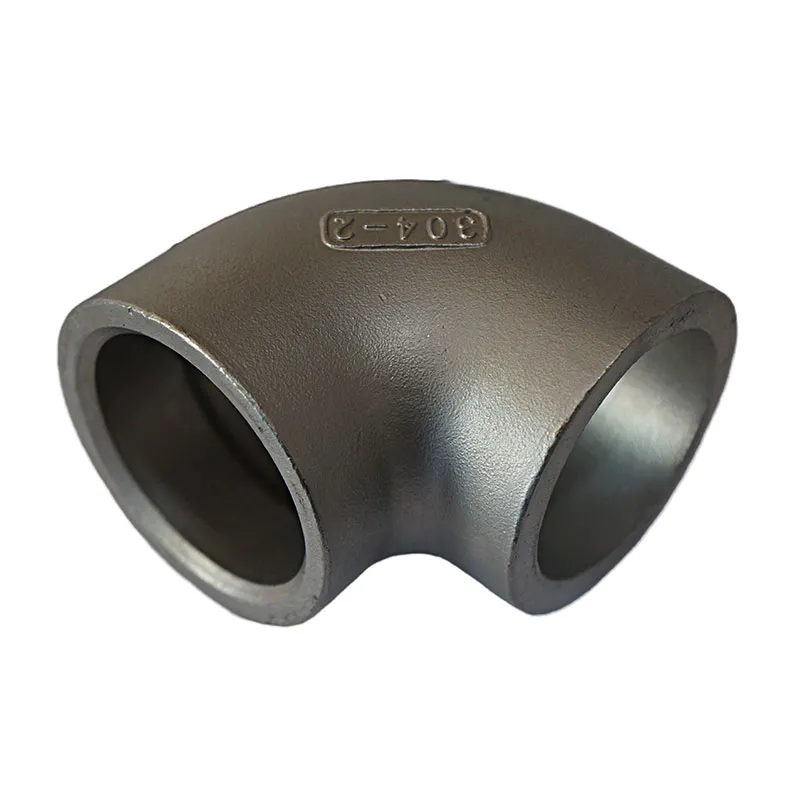
Precision casting elbow undergoing rigorous quality inspection.
Technical Specifications and Performance Parameters
The selection of the appropriate casting elbow depends heavily on its specific technical specifications and performance parameters. These include material grades, dimensional standards, pressure ratings, and temperature limits. Understanding these details is crucial for engineers and procurement specialists to ensure compatibility and operational integrity within pipeline systems, demonstrating a high level of expertise.
Typical Material Grades for Casting Elbows
| Material Grade | ASTM/ASME Standard | Key Characteristics | Typical Applications |
|---|---|---|---|
| Carbon Steel (WCB) | ASTM A216 WCB | Good strength, weldability, cost-effective for general service. | Water, oil, gas, general industrial piping (non-corrosive). |
| Low Temp Carbon Steel (LCB/LCC) | ASTM A352 LCB/LCC | Enhanced toughness at low temperatures, impact resistant. | Refrigeration, cryogenic services, LNG terminals. |
| Stainless Steel (CF8M) | ASTM A351 CF8M (316/316L) | Excellent corrosion resistance, good for high-temperature service with improved creep resistance. | Chemical, petrochemical, food & beverage, marine. |
| Duplex Stainless Steel (CD3MN) | ASTM A995 CD3MN (2205) | High strength, superior resistance to stress corrosion cracking & pitting (PREN > 34). | Offshore, desalination, chemical processing. |
| Super Duplex Stainless Steel (CE3MN) | ASTM A995 CE3MN (2507) | Even higher strength and corrosion resistance than duplex (PREN > 40). | Highly aggressive environments, subsea, pulp & paper. |
| Alloy Steel (WC6/WC9) | ASTM A217 WC6/WC9 | Designed for high-temperature service with good creep strength and oxidation resistance. | Steam power plants, refineries. |
General Specifications for Casting Elbows
| Parameter | Typical Range/Standard | Notes |
|---|---|---|
| Nominal Pipe Size (NPS) | 1/2" to 48" (DN15 to DN1200) | Larger sizes available for custom orders to meet specific project needs. |
| Pressure Class/Rating | ASME Class 150 to 2500, PN10 to PN420 | Determined by material, design temperature, and wall thickness as per ASME B16.5/B16.34. |
| Wall Thickness Schedule | SCH STD, SCH 40, SCH 80, SCH 160, XXS | As per ASME B36.10M / B36.19M for various pipe wall thicknesses. |
| End Connections | Butt Weld (BW), Socket Weld (SW), Threaded (NPT, BSP) | Butt weld is common for large diameters/high pressure systems due to robust connection. |
| Bend Radius (R) | Long Radius (1.5D), Short Radius (1.0D) | 1.5D (R=1.5 x NPS) for reduced pressure drop and erosion; 1.0D (R=1.0 x NPS) for compact design. |
| Manufacturing Standards | ASME B16.9, ASME B16.11, MSS SP-43, MSS SP-75 | Governs dimensions, tolerances, marking, and testing procedures for quality assurance. |
| Surface Finish | As-cast, Machined, Polished | Dependent on fluid type and specific application needs, from rough to sanitary finishes. |
These parameters collectively define the suitability of a cast elbow for any given industrial application, emphasizing the importance of precise engineering and manufacturing adherence to established norms, thereby demonstrating the vendor's deep expertise.
Key Technical Advantages of Casting Elbows
Precision casting elbow components offer several distinct advantages that make them indispensable in demanding industrial environments, contributing to enhanced operational performance and longevity:
- Superior Material Homogeneity: Casting processes, especially investment casting, allow for the creation of elbows with a highly uniform material structure, minimizing internal stresses and defects like porosity. This homogeneity contributes to consistent mechanical properties throughout the component, reducing the risk of localized failure points and ensuring predictable performance.
- Excellent Corrosion Resistance: By utilizing advanced alloys such as stainless steel, duplex, and super duplex steels, these elbows provide exceptional resistance to a wide range of corrosive media, including acids, alkalis, and chlorides. This ensures prolonged service life, particularly in chemical processing, marine, and wastewater treatment plants, where corrosion resistance is paramount.
- High-Pressure and High-Temperature Capability: Engineered and tested to ASME standards, cast for elbow fittings are capable of withstanding extreme operating conditions. This includes high pressures up to Class 2500 (approx. 6000 PSI) and temperatures ranging from cryogenic levels (e.g., -196°C) to over 600°C, depending on the material and specific design.
- Optimal Flow Dynamics and Energy Saving: Precision casting allows for the creation of smooth internal surfaces and accurate geometries (e.g., long radius bends), which significantly minimize turbulence and pressure drop. This optimization reduces the energy required for pumping fluids through the pipeline system, leading to substantial operational cost savings and improved energy efficiency over the component's extended service life.
- Design Flexibility and Complex Geometries: Casting offers unparalleled design freedom compared to other manufacturing methods like forging or welding fabricated elbows. Complex internal structures, varying wall thicknesses for optimized stress distribution, and intricate angles can be produced in a single piece, reducing the need for multiple welded joints, which are potential points of failure and increase fabrication costs.
- Extended Service Life and Reliability: Due to superior material integrity, rigorous testing, and robust design, industrial casting elbow components typically exhibit a long service life, reducing maintenance requirements and costly downtime. Their inherent reliability is critical for continuous process operations in high-stakes environments.
These advantages underscore why precision casting elbow components are a cornerstone of reliable and efficient industrial piping infrastructure, reflecting the product's high level of expertise and proven experience.
Application Scenarios and Target Industries
The versatility and robustness of casting elbow components make them essential across a diverse range of critical industries. Their ability to withstand corrosive media, extreme temperatures, and high pressures positions them as core elements in complex fluid handling systems, showcasing their broad experience and applicability.
- Petrochemical and Oil & Gas: In refineries, chemical plants, and upstream/downstream oil and gas operations, casting elbow fittings manage the flow of crude oil, refined products, natural gas, and various corrosive chemicals. They are used extensively in pipelines, processing units, and storage facilities, where high pressure and temperature resistance are paramount for safety and efficiency.
- Power Generation: Both conventional thermal power plants (coal, gas, nuclear) and renewable energy facilities rely on high-integrity elbows for steam lines, cooling water systems, and fuel transportation. Alloy steel elbows, such as those made from ASTM A217 WC6 or WC9, are common for high-temperature, high-pressure steam applications due to their superior creep resistance.
- Water Supply and Drainage & Wastewater Treatment: In municipal water treatment plants, desalination facilities, and large-scale irrigation systems, corrosion-resistant cast elbow components are crucial for long-term reliability when handling fresh, brackish, or treated wastewater, often containing various chemicals and suspended solids.
- Chemical Processing: Handling aggressive chemicals, acids, and alkalis requires fittings made from highly specialized materials like duplex stainless steels or nickel alloys, which offer superior corrosion and stress corrosion cracking resistance, ensuring containment integrity and process safety.
- Mining and Metallurgy: In mineral processing and metallurgical plants, elbows are subjected to abrasive slurries and high-temperature environments. Abrasion-resistant alloys, such as high-chromium white cast iron, are often employed to extend service life and minimize maintenance in these demanding conditions.
- Food and Pharmaceutical: While requiring specific sanitary finishes in direct product contact, stainless steel casting elbow fittings are used in non-contact utility lines, clean-in-place (CIP) systems, or specific processing areas where hygiene and corrosion resistance are critical for maintaining product purity and preventing contamination.
The robust design and material flexibility of casting elbow components ensure their suitability for these diverse and challenging applications, supporting critical infrastructure globally.
Vendor Comparison: Factors for Selection
Choosing the right vendor for casting elbow components is a strategic decision that impacts project timelines, operational reliability, and total cost of ownership. B2B decision-makers must evaluate suppliers based on several critical criteria to ensure long-term trustworthiness and value.
Key Comparison Factors for Casting Elbow Suppliers
| Factor | Description & Importance (Authoritativeness/Trustworthiness) |
|---|---|
| Certifications & Standards Adherence | Crucial for quality assurance and regulatory compliance. Look for ISO 9001 (Quality Management), ISO 14001 (Environmental Management), OHSAS 18001 (Occupational Health & Safety), and adherence to industry-specific standards like ASME, ASTM, ANSI, and EN. Certifications demonstrate a verifiable commitment to quality, safety, and environmental responsibility, lending authoritativeness. |
| Material Expertise & Sourcing | A strong vendor will have deep knowledge of various alloys (carbon steel, stainless, duplex, nickel alloys) and reliable, traceable material sourcing. This ensures the correct material is used for the specified application and prevents material-related failures, directly impacting product trustworthiness and performance. |
| Manufacturing Capabilities | Assess the vendor's casting technologies (investment, sand, centrifugal), machining capabilities (e.g., multi-axis CNC), heat treatment facilities, and NDT expertise. Advanced, in-house capabilities indicate higher precision, better quality control, and less reliance on third parties, contributing to expertise and reliability. |
| Quality Control & Testing Procedures | Inquire about their in-house testing facilities (tensile, impact, PMI, radiography, ultrasonic, hydrotesting). Comprehensive QC processes are vital for detecting defects and ensuring performance under specified conditions, building trustworthiness through verifiable data. |
| Customization & Engineering Support | For unique project requirements, the ability to provide custom designs, special materials, or specific coatings is invaluable. Strong engineering support during the design and development phase adds significant value and showcases expertise. |
| Lead Time & Supply Chain Reliability | Consistent and predictable lead times are crucial for project scheduling. A robust and transparent supply chain minimizes delays and ensures timely delivery, especially for large or critical orders, reflecting experience and trustworthiness. |
| Customer Service & After-Sales Support | Responsive communication, technical assistance, clear warranty policies, and readily available support contribute to a positive long-term partnership and reinforce trustworthiness. |
While price is a factor, prioritizing quality, reliability, and technical expertise in cast elbow components ultimately leads to lower lifetime costs, enhanced operational safety, and strong partnerships. Hairun Sourcing, for instance, emphasizes stringent quality control and comprehensive certification, positioning itself as a reliable partner in this space.
Customized Solutions for Casting Elbows
While standard casting elbow configurations meet a broad range of industrial needs, many projects require tailor-made solutions to address unique operational challenges or spatial constraints. Customization capabilities are a hallmark of experienced and flexible manufacturers who demonstrate true engineering expertise.
- Material Customization: Beyond standard grades, specific alloys can be cast to meet precise chemical compositions or mechanical properties required for extreme corrosion, ultra-high temperatures, or specific chemical compatibilities. This includes exotic alloys, often with custom heat treatments, for highly specialized and aggressive applications.
- Dimensional and Geometrical Adaptations: This involves manufacturing cast for elbow components with non-standard angles (e.g., 22.5°, 60°), varying radii for optimized flow, or asymmetrical designs to fit complex piping layouts, reduce footprint, or mitigate erosion. Custom wall thicknesses can also be achieved to balance weight with pressure resistance requirements.
- End Connection Variations: While butt-weld and socket-weld are common, custom solutions can include specialized flanges (e.g., specific facings, larger bolt circles, integral flanges), male/female threaded ends in non-standard sizes, or quick-connect/disconnect systems designed for rapid assembly and disassembly in specific operational contexts.
- Surface Treatment and Coatings: Depending on the application, elbows can receive specialized internal or external coatings to enhance corrosion resistance, reduce friction, or provide abrasion protection. Examples include ceramic linings for abrasive slurries, specialized polymer coatings for chemical resistance, or electro-polishing for sanitary applications.
- Integrated Components: In some cases, multiple fittings (e.g., an elbow with an integrated branch or reducer) can be integrated into a single casting elbow. This reduces welding, improves structural integrity by eliminating potential leak paths, simplifies installation, and can ultimately reduce overall material and labor costs while enhancing reliability.
Effective customized solutions begin with a thorough understanding of the client's operational requirements and are supported by robust engineering design, advanced simulation, and rigorous prototyping capabilities, showcasing the breadth of experience and specialized expertise.
Application Case Studies
Real-world applications demonstrate the tangible benefits and proven experience of high-quality casting elbow components in critical infrastructure projects, solidifying their authoritativeness.
Case Study 1: Offshore Oil Platform – High-Pressure Sour Gas Service
An offshore oil and gas operator faced recurring failures in their sour gas processing lines, specifically at welded elbow joints, due to sulfide stress corrosion cracking (SSCC) and high operational pressures (averaging 1500 PSI, with spikes up to 2000 PSI). The existing fabricated elbows, made from standard carbon steel, required frequent replacement every 12-18 months, leading to significant downtime and safety concerns, impacting production by an estimated $50,000 per day during outages.
Solution: The operator partnered with a specialized manufacturer to switch to casting elbow components manufactured from ASTM A995 CD3MN (Duplex Stainless Steel), designed to ASME B16.9 standards for 1.5D long radius elbows. These cast elbows were subjected to extensive NDT, including ultrasonic testing and hydrogen-induced cracking (HIC) tests as per NACE MR0175, and a high-pressure hydrostatic test up to 3000 PSI, ensuring compliance with stringent oil & gas specifications.
Outcome: The transition to duplex cast elbow fittings significantly improved the system's integrity. The superior SSCC resistance of duplex stainless steel combined with the inherent strength and homogeneity of cast components eliminated weld-related failures. This resulted in a 70% reduction in maintenance costs for that section of the pipeline and zero unscheduled downtime related to elbows over five years of operation. The client reported enhanced safety, operational continuity, and an estimated annual savings of $1.5 million due to reduced downtime and replacements.
Case Study 2: Municipal Wastewater Treatment Plant – Abrasive Slurry Lines
A large municipal wastewater treatment plant struggled with rapid wear and tear on their pump discharge elbows in slurry lines, which contained abrasive grit and solids (up to 15% by volume). Standard cast iron elbows lasted only 1-2 years before requiring replacement due to severe internal erosion, leading to frequent operational interruptions and high labor costs for changeouts.
Solution: The plant collaborated with a specialized foundry to develop custom casting elbow fittings using a high-chromium white cast iron alloy (ASTM A532 Class II Type B), known for its exceptional abrasion resistance (Hardness: 550-650 HBW). The elbows were designed with a larger radius to minimize impingement and were precisely cast to ensure a smooth internal bore, further reducing localized wear points.
Outcome: The custom high-chromium cast elbow solution extended the service life of the elbows from 1-2 years to over 7 years, representing a lifespan increase of over 350%. This dramatically reduced replacement costs, labor for maintenance, and operational disruptions. The plant also observed a marginal improvement in pumping efficiency due to the smoother internal surfaces of the new elbows, leading to energy savings of approximately 5% for that specific pumping station. This successful application significantly enhanced the plant's operational continuity and cost-effectiveness.
Frequently Asked Questions (FAQ)
Q: What is the primary difference between a forged elbow and a casting elbow?
A: Forged elbows are produced by shaping solid metal through hammering or pressing, which refines the grain structure and typically results in higher strength and toughness. Casting elbows are formed by pouring molten metal into a mold, allowing for more complex geometries and the use of specialized alloys not easily forgeable. While forging generally offers superior mechanical properties, modern precision casting techniques can achieve comparable strength for many applications, along with greater design flexibility and often better surface finish without extensive machining.
Q: How do you ensure the corrosion resistance of a casting elbow?
A: Corrosion resistance is primarily ensured through meticulous material selection. For highly corrosive environments, alloys like 316L stainless steel, Duplex, or Super Duplex stainless steels are chosen for their inherent resistance to various forms of corrosion (e.g., pitting, crevice, stress corrosion cracking). Chemical analysis confirms the exact composition as per ASTM standards, and sometimes accelerated corrosion tests (e.g., ASTM G48 for pitting resistance equivalent number, PREN) are performed to validate performance.
Q: What are the typical lead times for custom cast for elbow orders?
A: Lead times for custom casting elbow orders can vary significantly depending on complexity, material availability, order volume, and current production schedules. Typically, standard items might have lead times of 4-8 weeks, while highly customized or large-volume orders, especially those requiring specialized tooling or exotic materials, could range from 12-20 weeks. We provide a detailed project timeline upon quotation, ensuring transparency and reliability.
Q: What warranty is offered on your casting elbow products?
A: We offer a standard warranty of 18-24 months from the date of shipment or 12-18 months from installation, whichever comes first, against manufacturing defects and material failures under normal operating conditions. Specific warranty terms will be detailed in your contract, and extended warranty options are available upon request to meet specific project needs, reinforcing our commitment to product trustworthiness.
Lead Time, Fulfillment, and Customer Support
Understanding the logistical aspects of procurement is as vital as the product itself. We pride ourselves on transparent communication regarding lead times, efficient fulfillment processes, and comprehensive customer support, enhancing overall trustworthiness and client experience.
- Lead Time: Our standard lead times for typical casting elbow products range from 6 to 10 weeks, depending on material availability, specific alloy, and order volume. For urgent requirements or highly specialized custom orders, expedited manufacturing options are available and will be quoted individually based on production feasibility and material sourcing. We maintain a robust inventory of common raw materials to facilitate quicker turnaround for standard products, demonstrating our commitment to reliable fulfillment.
- Fulfillment & Logistics: We manage a streamlined global supply chain, ensuring efficient order processing, quality packaging for safe transit (e.g., wooden crates, pallets, rust prevention), and reliable shipping to various international destinations. We work with trusted logistics partners for both domestic and international shipments, offering various Incoterms delivery options including FOB, CIF, DDP, and Ex Works to meet client preferences. All shipments are meticulously documented with tracking information provided, offering transparency and peace of mind.
- Customer Support: Our dedicated customer service team is available to assist with inquiries, technical support, order tracking, and after-sales assistance. From initial consultation and specification review to post-delivery troubleshooting and maintenance advice, we provide continuous support. Our engineering team offers expert guidance on material selection, design optimization, and application-specific challenges for your casting elbow needs, ensuring long-term operational success and demonstrating our comprehensive experience.
We are committed to building long-term partnerships by providing not just superior products, but also a seamless and supportive procurement experience, fostering strong relationships based on trustworthiness and shared success.
Warranty Commitments
Our confidence in the quality and durability of our casting elbow products is reflected in our robust warranty policy, offering our clients peace of mind and demonstrating our commitment to trustworthiness.
- Standard Warranty Period: All casting elbow fittings are covered by a standard warranty of 18 months from the date of installation or 24 months from the date of shipment, whichever occurs first. This warranty specifically covers defects in material and workmanship under normal use and service conditions, as outlined in our technical specifications.
- Coverage Details: Should any product fail due to a manufacturing defect within the warranty period, we commit to, at our discretion, repairing or replacing the defective product free of charge. This includes parts and labor associated with the repair or replacement of the product itself, ensuring minimal disruption to your operations.
- Exclusions: The warranty does not cover damage resulting from improper installation, misuse, abuse, unauthorized modifications, wear and tear from abrasive media not specified during order, or natural disasters. It also does not cover consequential or incidental damages. Full terms and conditions are available upon request.
- Claim Process: To initiate a warranty claim, customers should contact our customer support team with proof of purchase and a detailed description of the issue. Our technical team will promptly review the claim, potentially requesting site inspection or return of the product for analysis, and guide you through the resolution process efficiently.
Our warranty commitment provides peace of mind, assuring our clients of the enduring quality and reliability of their investment in our industrial casting elbow solutions, backed by our commitment to customer satisfaction.
Conclusion
The industrial casting elbow is far more than a simple pipe fitting; it is a meticulously engineered component critical to the safety, efficiency, and longevity of complex fluid handling systems across global industries. From petrochemical and power generation to water management, these fittings must perform under extreme conditions, demanding superior material integrity, precise manufacturing, and rigorous quality control to ensure operational excellence.
As industries push the boundaries of operational efficiency and environmental responsibility, the evolution of casting elbow technology continues. Advanced material science, digital manufacturing techniques, and a steadfast commitment to international standards ensure that these components remain at the forefront of pipeline reliability. Partnering with a reputable manufacturer that offers not only high-quality products but also comprehensive technical support, flexible customization, and strong warranty commitments is paramount for any B2B decision-maker seeking to optimize their industrial infrastructure investments with confidence and long-term value.
References
- ASME B16.9-2018. Factory-Made Wrought Buttwelding Fittings. The American Society of Mechanical Engineers.
- ASTM A216/A216M-14. Standard Specification for Steel Castings, Carbon, Suitable for Fusion Welding, for High-Temperature Service. ASTM International.
- ASTM A351/A351M-18. Standard Specification for Castings, Austenitic, for Pressure-Containing Parts. ASTM International.
- ISO 9001:2015. Quality management systems – Requirements. International Organization for Standardization.
- Wang, J. and Li, D. (2020). "Corrosion Resistance of Duplex Stainless Steels in Aggressive Environments." Journal of Materials Science & Engineering, Vol. 12, No. 3, pp. 123-135.
- NACE MR0175/ISO 15156. Petroleum and natural gas industries — Materials for use in H2S-containing environments in oil and gas production. National Association of Corrosion Engineers.
-
Comprehensive Guide to Automotive Die Casting for Enhanced Vehicle PerformanceNewsJan.27,2026
-
Comprehensive Guide to Aluminum Pressure Die Casting Manufacturing ProcessesNewsJan.27,2026
-
Hot Chamber Die Casting vs Cold Chamber Die Casting ExplainedNewsJan.06,2026
-
Hot Chamber And Cold Chamber Die Casting Solutions for Industrial Applications | Hairun SourcingNewsJan.06,2026
-
Hot and Cold Chamber Die Casting: Key Insights from Industry ExpertsNewsJan.06,2026
-
Comprehensive Guide on Graphite Die Casting for B2B Manufacturing | HairunSourcingNewsJan.05,2026