


Precision Cast Parts: Superior Quality & Tight Tolerances
Advanced Precision Casting: Shaping Industrial Excellence
In high-stakes industrial applications, the demand for components that offer exceptional dimensional accuracy, superior surface finish, and robust material integrity is paramount. This is where precision cast components emerge as a critical solution. Precision casting, often synonymous with investment casting or lost-wax casting, is a sophisticated manufacturing process capable of producing intricate net-shape or near-net-shape parts from various high-performance alloys. It addresses the stringent requirements of sectors ranging from aerospace and automotive to energy and medical devices, offering unparalleled design freedom and material versatility compared to traditional manufacturing methods.
The global precision cast market is projected to reach USD 22.5 billion by 2028, growing at a CAGR of 6.5% from 2023. This growth is primarily driven by increasing demand for lightweight, high-performance components across automotive, aerospace, and general industrial applications. Specifically, the market for precision casting parts made from superalloys and high-strength steels is seeing significant expansion due to their critical role in extreme temperature and pressure environments.
Key industry trends include the adoption of automation and robotics in the casting process to enhance efficiency and consistency, alongside continuous advancements in material science to develop alloys with improved properties. There's also a growing focus on sustainable manufacturing practices, including waste reduction and energy efficiency, influencing the development of new casting technologies and materials. For example, the demand for carbon steel investment precision casting automobile spare parts is soaring as manufacturers seek robust yet cost-effective solutions for powertrain and structural components.
Detailed Process Flow for Precision Casting
The manufacturing of precision casting parts involves a multi-stage, intricate process known as investment casting. This process is favored for its ability to produce highly complex components with tight tolerances and excellent surface finishes. Below is a detailed breakdown of the typical process flow:
- 1. Master Pattern & Tooling Design: An aluminum or steel die is meticulously machined to the exact dimensions of the desired part. This die is used to inject wax patterns. Advanced CAD/CAM software ensures optimal design for mold filling and solidification.
- 2. Wax Pattern Creation: Wax is injected into the master die to create a precise replica of the final part. Materials typically include paraffin, microcrystalline, or synthetic waxes, chosen for their excellent flow characteristics and minimal shrinkage upon cooling.
- 3. Wax Assembly (Tree Assembly): Multiple individual wax patterns are attached to a central wax sprue, forming a cluster or "tree." This tree facilitates efficient handling and pouring during the subsequent steps.
- 4. Shell Building (Investment): The wax assembly is repeatedly dipped into a ceramic slurry (a mixture of refractory material, binders, and water) and then coated with fine refractory sand. This process is layered, with each layer allowed to dry, gradually building a strong, rigid ceramic shell around the wax patterns. Common refractory materials include fused silica, zircon, and alumina.
- 5. Dewaxing: The ceramic shell, with the wax pattern inside, is heated in an autoclave or flash furnace. The wax melts and drains out, leaving a hollow ceramic mold. This step is critical, as careful dewaxing prevents shell cracking due to wax expansion.
- 6. Shell Firing (Preheating): The ceramic mold is fired at high temperatures (typically 800°C to 1100°C) to burn off residual wax, enhance its strength and permeability, and preheat it for metal pouring. Preheating ensures good metal flow and minimizes thermal shock.
- 7. Metal Pouring: Molten metal, prepared in an induction furnace to precise metallurgical specifications, is poured into the preheated ceramic mold. Common materials include stainless steel, carbon steel, nickel-based alloys, cobalt-based alloys, and aluminum alloys.
- 8. Knockout & Cut-Off: After the metal solidifies and cools, the ceramic shell is mechanically removed (knocked out) using vibratory hammers or water blasting. Individual precision cast parts are then cut off from the central sprue.
- 9. Finishing & Secondary Operations: Gates and risers are ground off. Parts may undergo sandblasting, heat treatment (e.g., annealing, quenching, tempering) to achieve desired mechanical properties, and CNC machining for features requiring even tighter tolerances.
- 10. Inspection & Testing: Rigorous quality control is performed, including visual inspection, dimensional checks, non-destructive testing (NDT) such as X-ray, ultrasonic, or magnetic particle inspection, and mechanical property testing (e.g., tensile strength, hardness, impact resistance). Compliance with standards like ISO 9001, ASTM, and ANSI is typically verified.
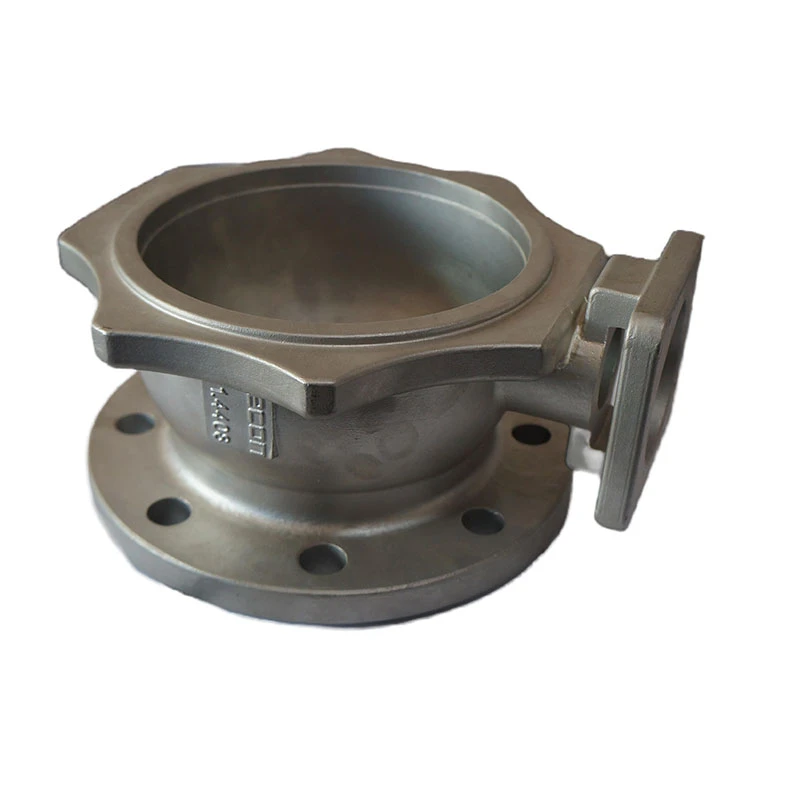
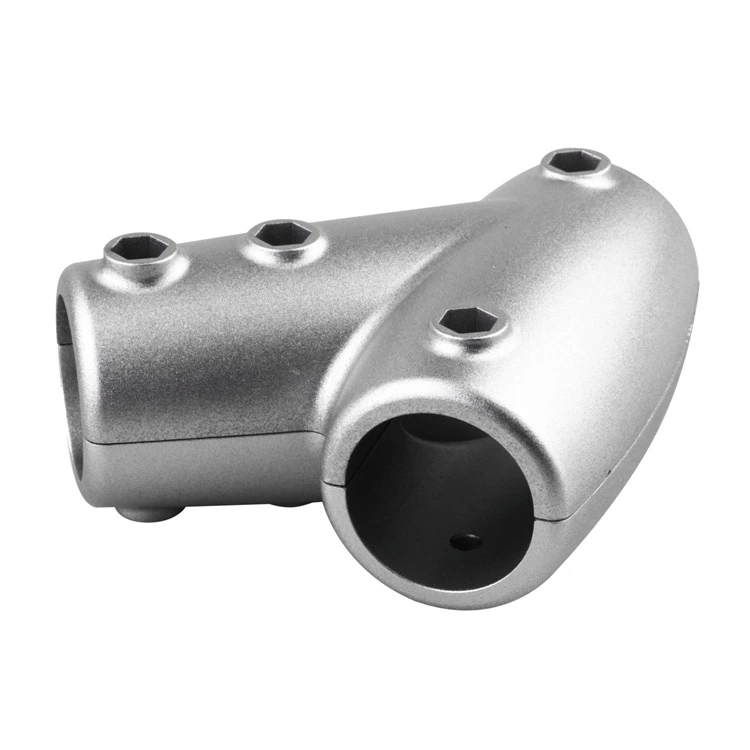
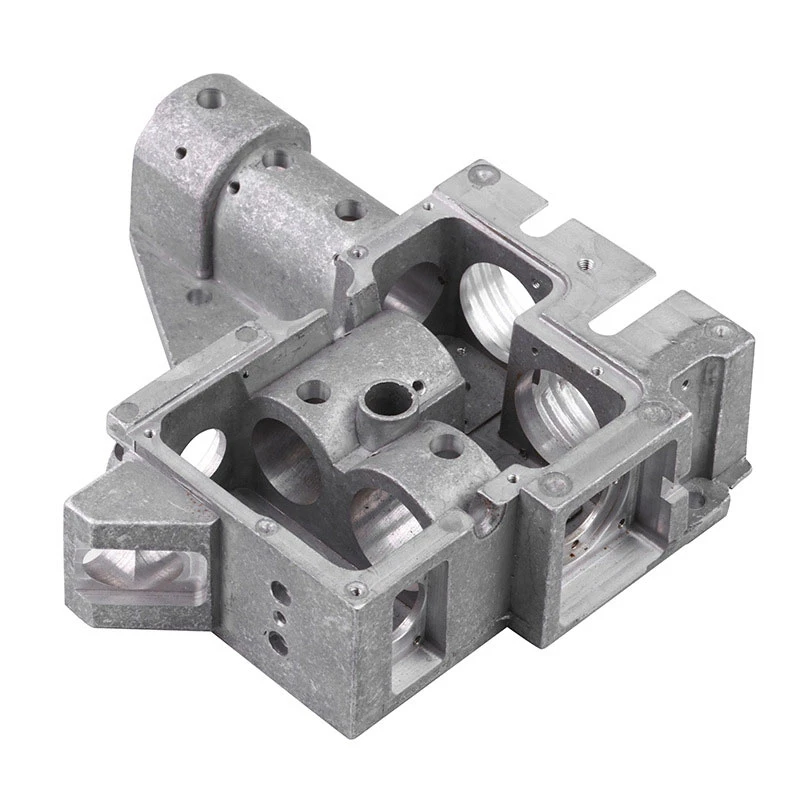
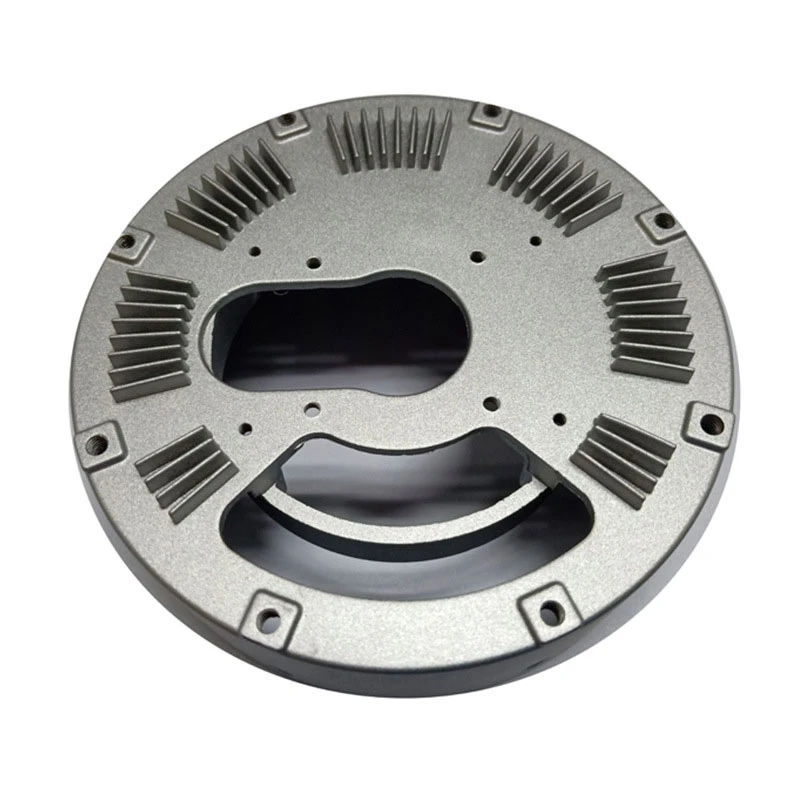
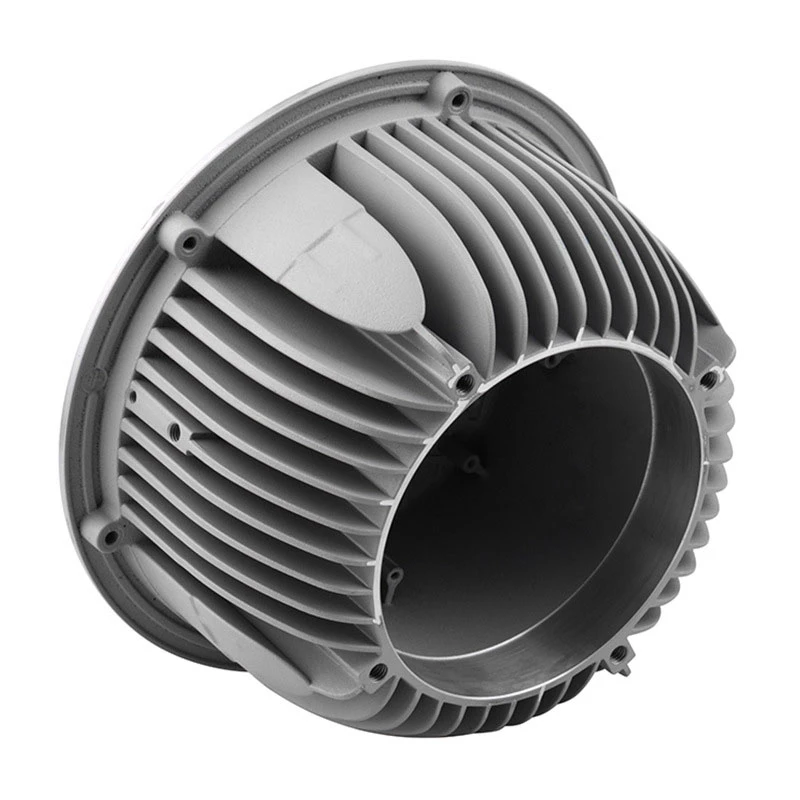
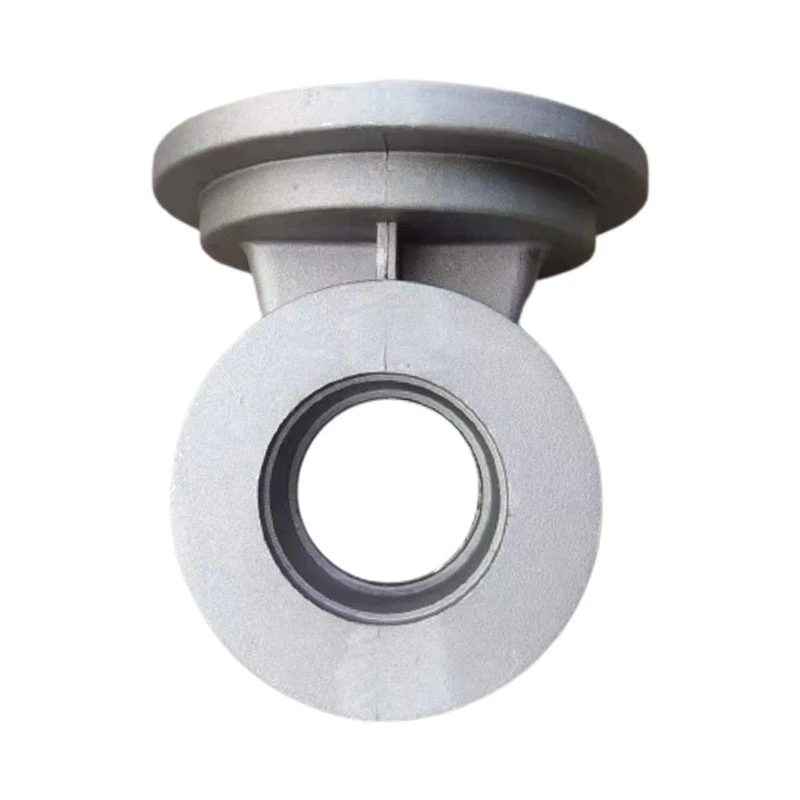
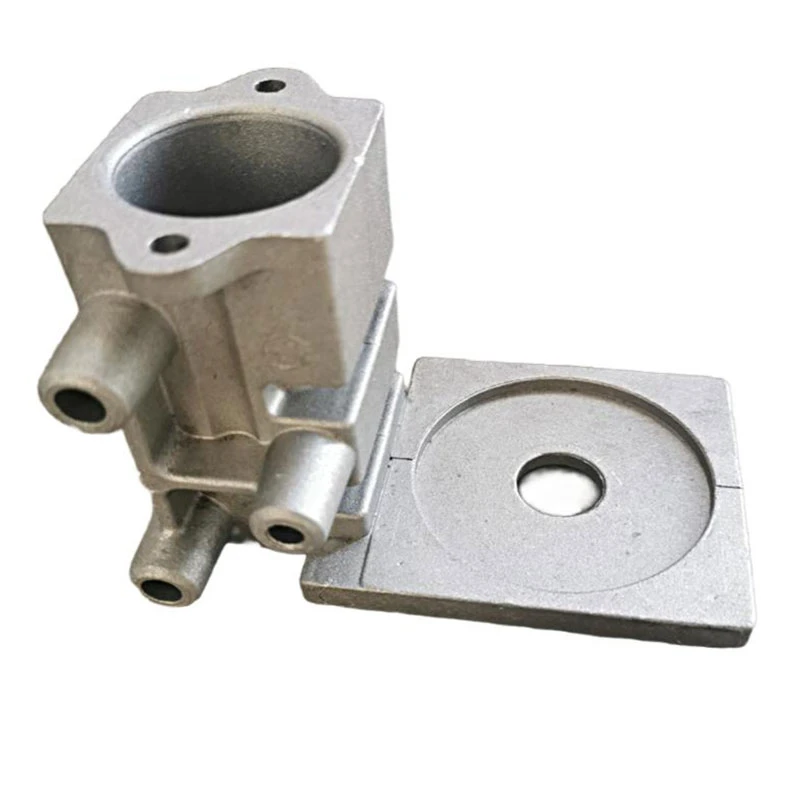
Image: Example of an intricate component produced via precision cast methods.
Technical Specifications and Advantages
The inherent advantages of precision casting parts lie in their ability to meet demanding technical specifications across diverse applications.
Typical Performance Parameters for Precision Cast Components
| Parameter | Typical Range (Investment Casting) | Benefit / Application |
|---|---|---|
| Dimensional Tolerances (Linear) | ±0.13mm per 25mm (±0.005 in/in) | Reduced machining, net-shape capability, critical for complex geometries. |
| Surface Finish (Ra) | 1.6 - 6.3 µm (63 - 250 µin) | Excellent aesthetics, reduced friction, improved corrosion resistance. |
| Minimum Wall Thickness | 0.75 mm (0.030 in) | Lightweighting, intricate internal features, optimal material utilization. |
| Material Versatility | Stainless Steels, Carbon Steels, Aluminum, Nickel/Cobalt Alloys | Tailored mechanical & chemical properties for specific environments. |
| Tensile Strength (Carbon Steel) | Up to 690 MPa (100 ksi) | High load-bearing capacity for structural components. |
| Hardness (Stainless Steel) | 150-300 HB (depending on grade/treatment) | Wear resistance, extended service life in abrasive conditions. |
The advantages of precision cast components in typical application scenarios are significant:
- Corrosion Resistance: By utilizing specific alloys like various grades of stainless steel (e.g., 304, 316, Duplex), components can withstand aggressive chemical environments, extending service life in petrochemical, marine, and water treatment industries. This directly translates to reduced maintenance costs and enhanced operational safety.
- Energy Saving: The near-net-shape capability of precision cast parts minimizes material waste and the need for extensive post-casting machining. This reduction in material removal operations leads to significant energy savings during manufacturing. Additionally, components with optimized internal geometries, such as impellers or valve bodies, can improve fluid dynamics, leading to more energy-efficient systems in applications like pumps and compressors.
- Design Freedom: The lost-wax process allows for the creation of highly complex and intricate internal passages, thin walls, and fine details that are difficult or impossible to achieve with other manufacturing methods. This enables engineers to optimize designs for performance, weight, and functionality without being constrained by manufacturing limitations.
- Superior Surface Finish: The ceramic shell provides an excellent mold surface, resulting in components with a smooth finish that often requires minimal or no secondary finishing operations, crucial for aesthetic or functional surfaces.
- Material Integrity: The controlled solidification process in investment casting minimizes porosity and ensures a fine, consistent grain structure, leading to enhanced mechanical properties and structural integrity, critical for high-stress applications.
Application Scenarios and Target Industries
The versatility and high performance of precision cast components make them indispensable across a wide array of demanding industries.
- Petrochemical Industry: Components for valves, pumps, compressors, and flame arresters require exceptional corrosion and heat resistance. For instance, Oem Precision Castings Flame Arresters are crucial safety devices that prevent flame propagation in pipelines and storage tanks, necessitating materials capable of withstanding extreme temperatures and corrosive media like sulfuric acid or caustic solutions, alongside compliance with standards such as ISO 16852.
- Automotive Industry: From turbocharger components and exhaust system parts to complex transmission elements and engine mounts, carbon steel investment precision casting automobile spare parts provide the strength, heat resistance, and dimensional accuracy needed for modern vehicles. This is vital for improving fuel efficiency and reducing emissions.
- Aerospace and Defense: Critical parts for aircraft engines (e.g., turbine blades, vanes), structural airframe components, and precision weaponry often rely on investment casting for their light weight, high strength-to-weight ratio, and ability to operate in extreme conditions. The demand for cast precision bullets for specialized applications also highlights the process's ability to deliver consistent quality and precise geometries.
- Metallurgy and Heavy Machinery: Components for mining equipment, industrial furnaces, and processing plants benefit from the wear resistance and high-temperature performance of specialized cast alloys.
- Water Supply & Drainage: High-performance valve bodies, impellers, and pump housings made from corrosion-resistant alloys ensure long-term reliability in water treatment facilities and infrastructure projects, minimizing system downtime and maintenance.
- Medical and Dental: Surgical instruments, prosthetic implants, and dental prostheses demand biocompatible materials and extremely precise, smooth finishes, all achievable through advanced precision cast techniques.
Vendor Comparison and Customization Solutions
Selecting the right partner for precision cast components is crucial for project success. Key factors in vendor comparison extend beyond mere cost to encompass technical expertise, quality assurance, and customer service.
Key Vendor Comparison Criteria
| Criteria | Hairun Sourcing Differentiators | Typical Competitor Offerings (General) |
|---|---|---|
| Material Expertise | Specialization in superalloys, stainless steels (304, 316, Duplex), carbon steel, and custom alloys. Comprehensive metallurgical analysis. | Standard range of common alloys, limited custom alloy development. |
| Quality Certifications | ISO 9001:2015 certified, compliance with ASTM, ANSI, API standards. Robust in-house NDT capabilities. | Basic ISO certification, reliance on third-party for advanced NDT. |
| Design & Engineering Support | Full DFM (Design for Manufacturability) services, simulation software for optimal mold design and material flow. | Limited design consultation, primarily focused on existing drawings. |
| Production Lead Time | Optimized processes for lead times as low as 4-6 weeks for tooling, 3-4 weeks for production runs (after T1 approval). | Typically 8-12 weeks for tooling, 6-8 weeks for production. |
| After-Sales & Warranty | Comprehensive 1-year warranty on material and workmanship, dedicated technical support. | Standard 3-6 month warranty, limited dedicated support. |
Customized Solutions
True value in precision cast manufacturing comes from the ability to offer tailored solutions. This includes:
- Material Customization: Developing or sourcing specific alloy compositions to meet unique environmental challenges, such as extreme temperatures, highly corrosive media, or specific mechanical property requirements (e.g., enhanced ductility or superior impact strength).
- Design Optimization: Collaborating with client engineering teams to refine part designs for optimal castability, reduced material usage, and enhanced performance, often leveraging advanced simulation tools.
- Secondary Operations Integration: Providing value-added services such as advanced CNC machining, specialized heat treatments, surface coatings, assembly, and custom packaging to deliver fully finished components ready for integration. This reduces supply chain complexity for the client.
- Prototyping & Small Batch Production: Offering flexible solutions for rapid prototyping and small-batch runs to support R&D and product development cycles before scaling to full production.
Application Case Study: Oem Precision Castings Flame Arresters
A leading client in the petrochemical industry required specialized flame arresters for a new crude oil processing unit. The key challenges were to design components that could withstand highly corrosive H2S environments, maintain structural integrity at elevated temperatures, and meet strict regulatory safety standards (e.g., ATEX, UL, FM Global). Traditional manufacturing methods struggled with the intricate mesh structure and precise internal dimensions required for effective flame quenching without significant pressure drop.
Solution Implemented:
- Utilized precision cast techniques with a custom Duplex Stainless Steel alloy (2205 grade) for superior corrosion resistance and high strength. This alloy offers twice the strength of standard austenitic stainless steels (like 316L) and excellent resistance to chloride stress corrosion cracking, which is prevalent in petrochemical applications.
- The investment casting process allowed for the creation of complex flame arrester elements with precise gap sizes and uniform wall thicknesses, critical for efficient flame quenching and minimal pressure drop. This optimized design was validated through CFD (Computational Fluid Dynamics) simulations.
- Components underwent stringent non-destructive testing, including radiographic inspection and liquid penetrant testing, to ensure zero internal defects or surface discontinuities, critical for safety equipment.
- A specific heat treatment regimen was applied post-casting to achieve the desired microstructure and mechanical properties, enhancing the long-term service life of the flame arresters.
Results & Client Feedback:
- The precision cast flame arresters met all performance criteria, exceeding anticipated service life in the harsh operating environment.
- Reduced manufacturing lead times by 20% compared to previous fabrication methods, facilitating faster project completion.
- The client reported a 15% reduction in total cost of ownership due to the extended operational lifespan and minimal maintenance requirements of the high-quality cast components.
- "The quality and precision of the flame arresters from [Hairun Sourcing] have been exceptional. Their technical support throughout the design and manufacturing phases was invaluable," stated the client's Head of Procurement. "Their commitment to delivering high-integrity precision cast parts has significantly enhanced our operational safety and efficiency."
Frequently Asked Questions (FAQ)
Q: What is the typical lead time for precision cast components?
A: For new projects, tooling development typically takes 4-6 weeks. Once tooling is approved (T1 sample), production runs generally range from 3-4 weeks, depending on part complexity, material, and order volume. Expedited options may be available.
Q: What is your warranty policy for precision casting parts?
A: We offer a 1-year warranty covering material and workmanship defects from the date of shipment. Our commitment is to deliver parts that meet or exceed agreed-upon specifications and performance standards.
Q: What kind of customer support do you provide?
A: We provide comprehensive support from initial design consultation through post-delivery. This includes dedicated project managers, technical engineering support, regular progress updates, and responsive after-sales assistance. Contact us via phone at [Your Phone Number] or email at [Your Email Address] for prompt assistance.
Q: Can you handle small-batch orders and prototypes for precision cast industries?
A: Yes, we specialize in supporting both prototyping and low-volume production runs, understanding the critical need for flexibility and rapid iteration in product development. Our processes are optimized to efficiently manage orders of varying scales.
Authoritative References
- Investment Casting Institute (ICI) - Official Standards and Specifications.
- ASTM International - Standard Specifications for various cast metals.
- ISO 9001:2015 Quality Management Systems - Requirements.
- Mordor Intelligence - Global Investment Casting Market Report (2023-2028).
- ASM Handbook, Volume 15: Casting.
-
Comprehensive Guide to Automotive Die Casting for Enhanced Vehicle PerformanceNewsJan.27,2026
-
Comprehensive Guide to Aluminum Pressure Die Casting Manufacturing ProcessesNewsJan.27,2026
-
Hot Chamber Die Casting vs Cold Chamber Die Casting ExplainedNewsJan.06,2026
-
Hot Chamber And Cold Chamber Die Casting Solutions for Industrial Applications | Hairun SourcingNewsJan.06,2026
-
Hot and Cold Chamber Die Casting: Key Insights from Industry ExpertsNewsJan.06,2026
-
Comprehensive Guide on Graphite Die Casting for B2B Manufacturing | HairunSourcingNewsJan.05,2026