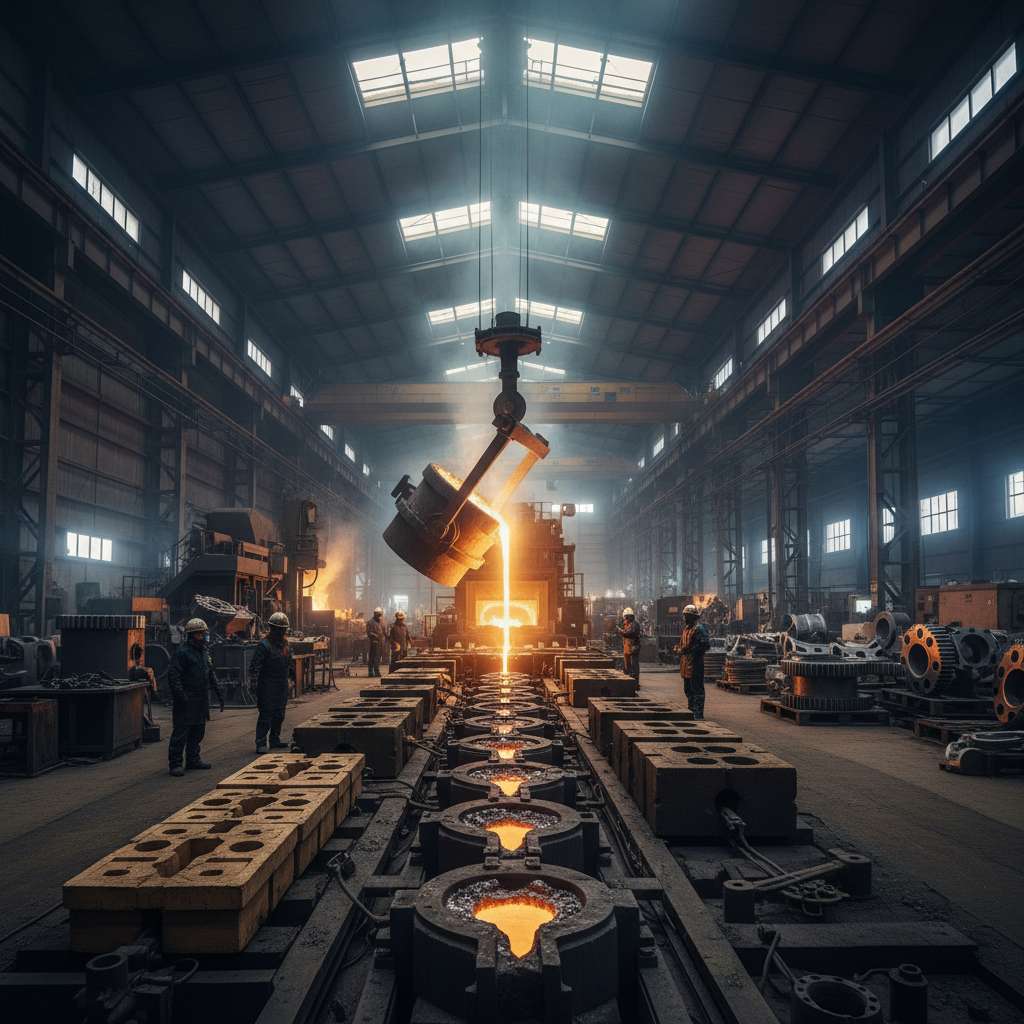
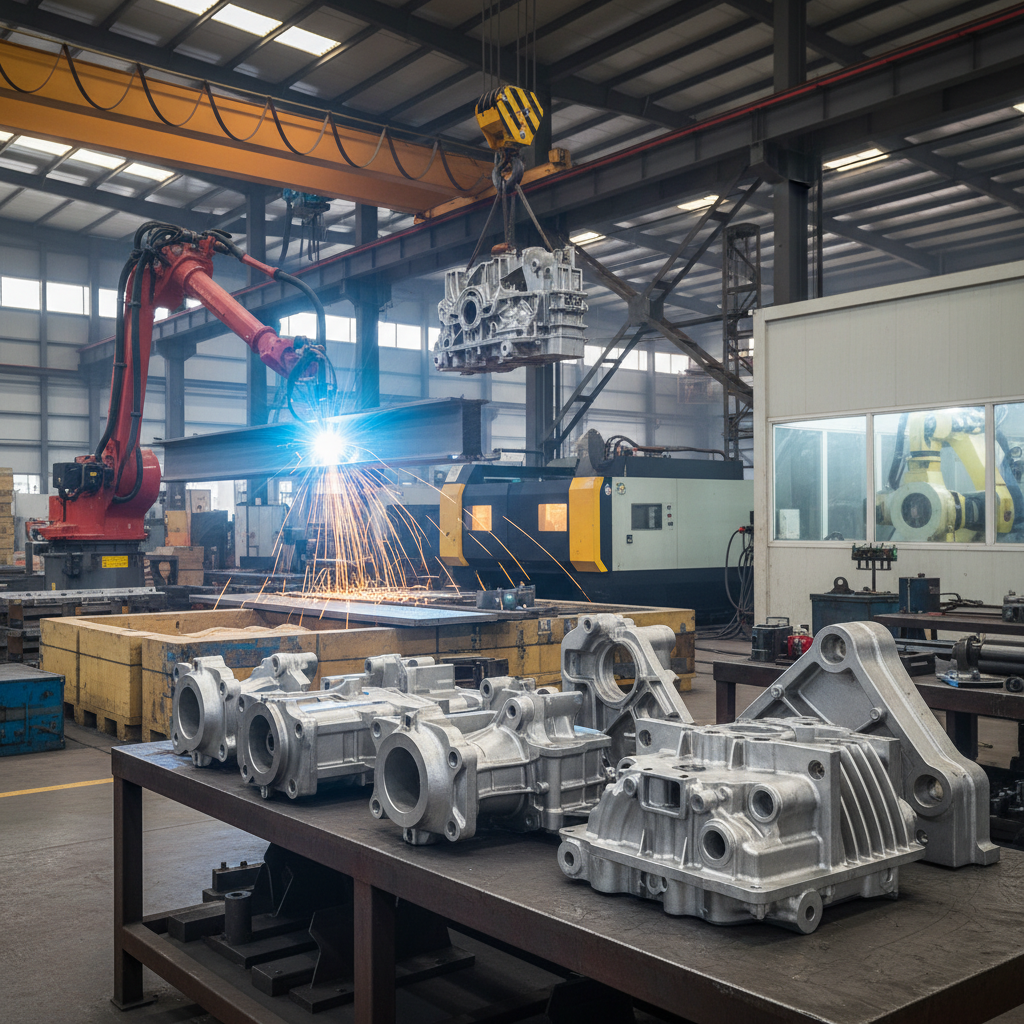
You know, these days everyone's talking about miniaturization, high integration, and lightweighting. Seems like every factory I visit is chasing the same goal. It's good, I guess, but honestly, it makes things a whole lot trickier. There's always a trade-off, right? Smaller usually means more fragile, or more expensive, or just a pain to actually work with on a building site.
Have you noticed how everyone is obsessed with 'smart' materials? Self-healing concrete, shape-memory alloys… sounds great in the brochures, but on the ground, it’s often more trouble than it’s worth. Give me something I can rely on, something I know will hold up, any day. I encountered this at a solar panel factory last time – they were bragging about some new polymer coating, but it scratched if you looked at it wrong.
And the tolerances… don’t even get me started. Engineers love tight tolerances. But in the real world, things move, things shift, concrete isn’t perfectly flat. You need a little wiggle room, a little forgiveness. Otherwise, you're spending all day filing things down or shimming them into place. It's frustrating, honestly.
The Current Landscape of casting parts manufacturer
To be honest, the demand for precision casting parts has just exploded in the last few years. It’s not just automotive anymore – aerospace, medical, even high-end furniture are all relying on it. Strangely, though, a lot of manufacturers haven't invested in upgrading their tooling and processes fast enough. It means longer lead times, higher prices, and frankly, a lot of headaches for those of us trying to get things built. There's a real shortage of skilled machinists too. It’s a problem.
You see a lot of shops trying to automate, which is good, I guess, but you can’t automate everything. You still need someone who can actually feel the metal, who understands how it’s going to behave when you stress it.
Common Design Pitfalls in casting parts manufacturer
I've seen it a million times: designers who don’t understand the limitations of the casting process. They’ll specify impossible geometries, or draft angles that just won't work. They want everything to be super thin-walled to save weight, but then the part is too fragile to handle. It's always the same story.
Another common mistake is ignoring the core shift issue. If the mold isn't perfectly rigid, the part can shift slightly during cooling, which messes up the dimensions. It's a small thing, but it can make a big difference. And speaking of cooling, people often underestimate how long it takes for a large casting to cool evenly. Rushing it leads to stress cracks and warping.
They also seem to forget that casting always leaves some surface finish imperfections. You can polish it out, sure, but that adds cost and time. Designing for a slightly rougher finish from the start can save a lot of trouble.
Materials Used in casting parts manufacturer
We use a lot of different alloys, of course. Aluminum is still the workhorse for a lot of applications - light, strong, relatively cheap. It smells a little funny when it's being machined, though. And gets everywhere, covered in the dust all the time.
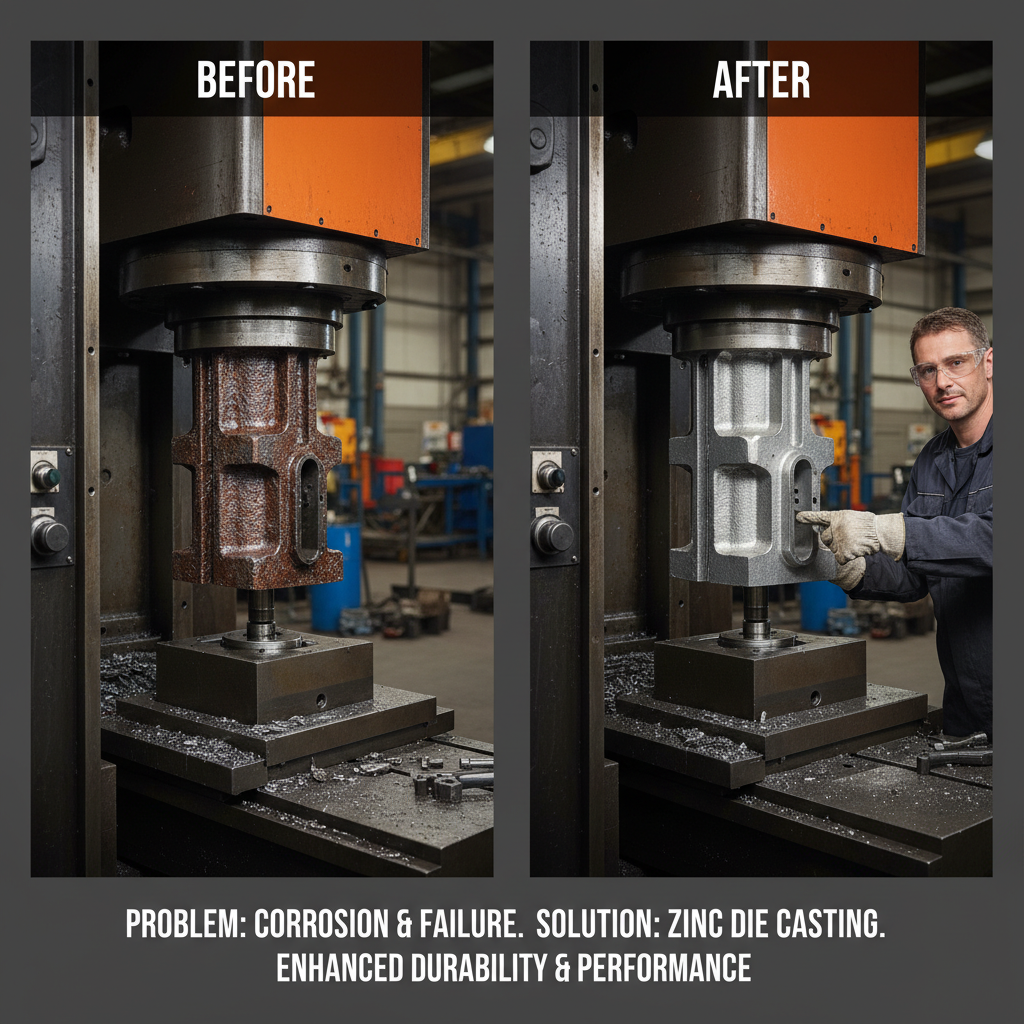
Stainless steel is popular when corrosion resistance is critical. It's heavier and more expensive than aluminum, but it feels solid, you know? Like something that will actually last. I like working with 316, it has a good balance of strength and corrosion resistance. There's also titanium, which is ridiculously strong and lightweight, but good lord, it’s expensive. I only see that on aerospace stuff.
Cast iron… still around, believe it or not. Heavy as hell, but cheap and good for things that don't need to be super precise. And it has that distinct, earthy smell when you cut into it. Some of the old-timers swear by it.
Real-World Testing of casting parts manufacturer
Lab tests are fine, but honestly, they don't tell you the whole story. I prefer to see how things perform in the real world. We do a lot of drop tests, impact tests, fatigue tests... Basically, we try to break them.
I once saw a casting fail a lab tensile test, but then hold up perfectly well under repeated hammering on a construction site. Turns out the lab test was too controlled, it didn't simulate the real-world stresses. We also do a lot of environmental testing – exposure to salt spray, UV radiation, extreme temperatures. You need to know how the part will behave in the conditions it's actually going to be used in.
casting parts manufacturer Failure Rates by Test Method
How Users Actually Utilize casting parts manufacturer
It's funny, you spend months designing a part for a specific application, and then you find out the users are using it in a completely different way. Last month, that small boss in Shenzhen who makes smart home devices insisted on changing the interface to , and the result was all their custom cables wouldn’t fit, and they had to redesign everything.
Anyway, I think a lot of times people use our castings as a starting point, then they machine them further to get exactly what they need. That’s perfectly fine, as long as they understand the material properties and the potential for distortion.
Advantages and Disadvantages of casting parts manufacturer
The big advantage, obviously, is complexity. You can create parts with intricate shapes that would be impossible to make any other way. And for high volumes, it's often the most cost-effective method.
But the tooling costs can be significant, especially for complex parts. And the lead times can be long. And, as I mentioned before, you're always dealing with some level of surface imperfection. It’s a trade-off.
Customization Options for casting parts manufacturer
We can do a lot with customization. Alloy selection, surface finish, heat treatment, machining… We can even do inserts and coatings.
I had one customer who wanted a specific logo laser-etched onto every part. It wasn’t cheap, but it was important to their branding. Another customer wanted a special internal geometry for fluid flow optimization. We had to design a completely new core for that one, but it worked out great.
We can also adjust the wall thickness, add ribs for reinforcement, change the draft angles… It all depends on what the customer needs.
Summary of Casting Process Customization Options
| Customization Aspect |
Complexity Level |
Cost Impact |
Lead Time Impact |
| Alloy Selection |
Low |
Minor |
Minimal |
| Surface Finish |
Medium |
Moderate |
Moderate |
| Heat Treatment |
Medium |
Moderate |
Moderate |
| Machining |
High |
Significant |
Significant |
| Inserts/Coatings |
High |
Major |
Significant |
| Core/Mold Design |
Very High |
Very Major |
Very Significant |
FAQS
Lead times really depend on the complexity of the part, the size of the order, and our current workload. Typically, you’re looking at 4-8 weeks for a new tooling run, plus another 2-4 weeks for production. It's always best to get a quote and a firm delivery schedule upfront.
We prefer STEP or IGES files, but we can also work with SolidWorks, AutoCAD, and other common CAD formats. Just make sure everything is clearly defined and includes all the necessary dimensions and tolerances. A good DXF will work in a pinch, but avoid PDFs.
It varies depending on the size and complexity of the part. For smaller parts, the MOQ can be as low as 50 units, but for larger, more complex parts, it might be 200 or more. Tooling costs are a big factor – we need to recoup that investment.
We have a strict quality control process in place, starting with material inspection and continuing through every stage of production. We use X-ray inspection, dimensional measurements, and visual inspections to ensure that every part meets our standards. And we keep detailed records of everything.
Absolutely. We have a fully equipped machine shop, so we can provide a complete turnkey solution – from casting to machining, finishing, and assembly. It saves our customers time and hassle, and it ensures tighter quality control.
We're always willing to consider new materials. It might require some research and development, and there could be additional costs involved, but we'll do our best to accommodate your needs. Just give us as much information as possible about the material properties and intended application.
Conclusion
So, there you have it. Casting is a complex process, with a lot of moving parts. It's not always glamorous, and it's certainly not easy. But when it's done right, it can produce incredibly strong, precise, and cost-effective parts. It’s about understanding the materials, the processes, and the limitations, and finding the right balance between all three.
Ultimately, whether this thing works or not, the worker will know the moment he tightens the screw. It's a simple truth, but one worth remembering. And if you're looking for a reliable casting partner, give us a shout. You can visit our website: www.hairunsourcing.com