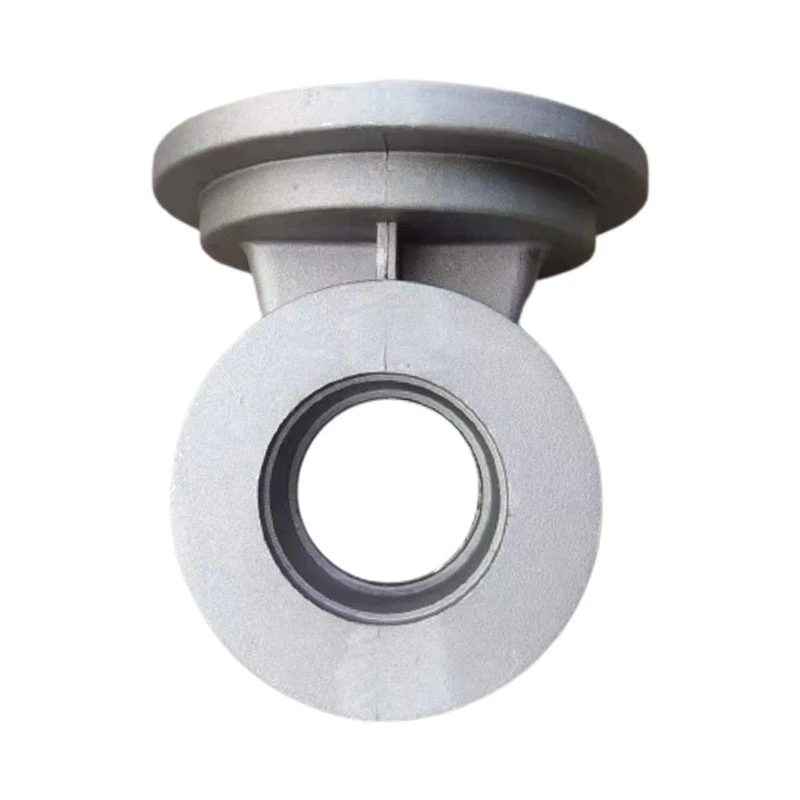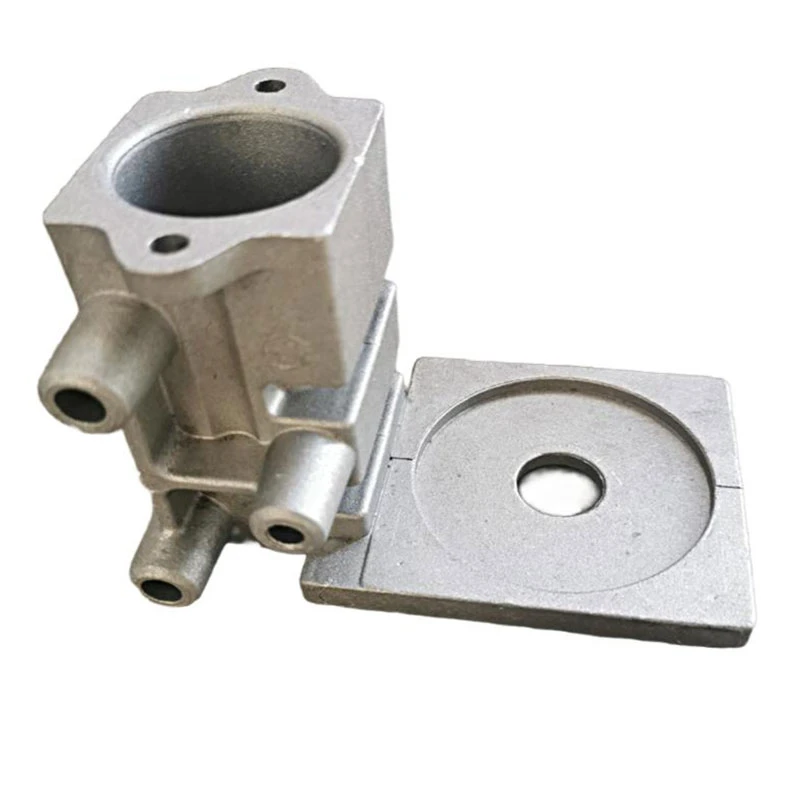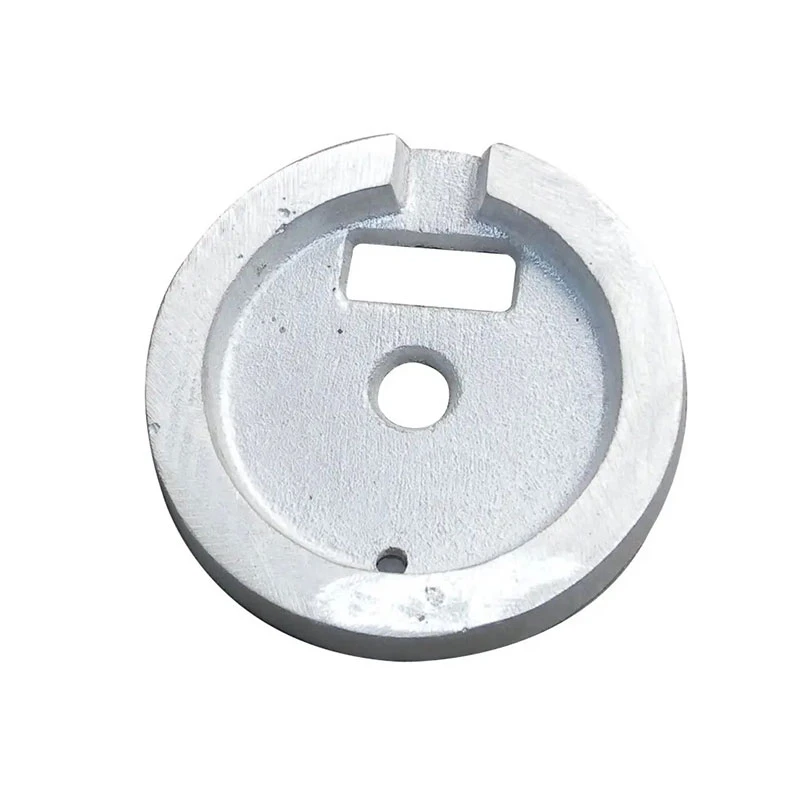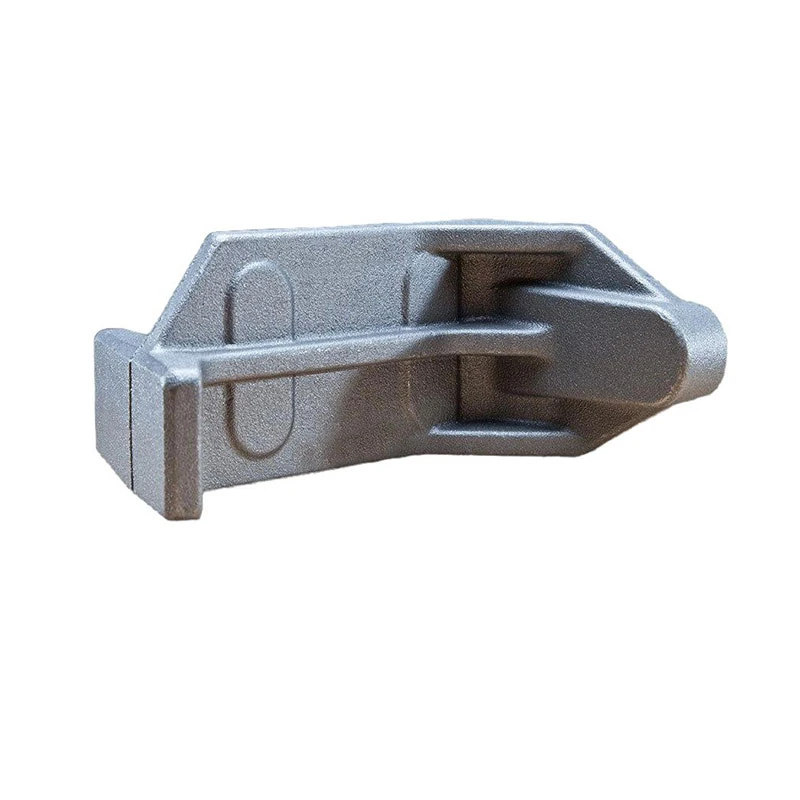



Precision Ball Valve - Industrial Flow Control Solutions with High Accuracy
Understanding Precision Ball Valves: Why They Matter Globally
When talking about industrial flow control, precision ball valve technology holds a quiet but vital place. It’s one of those nuts-and-bolts kinds of inventions that rarely get headlines but quietly ensures everything from clean water supplies to oil pipelines run smoothly. Globally, as industries become more complex and standards for safety and sustainability rise, understanding precision ball valves isn’t just technical jargon—it’s about better reliability, less waste, and sometimes lives saved.
Oddly enough, these valves are at the crossroads of many sectors: chemical plants, aerospace, power generation, you name it. So knowing their ins and outs feels like peeking behind a small but essential curtain of the modern mechanized world.
Why Precision Ball Valves Are So Relevant in Today’s Industries
To appreciate the significance of precision ball valves today, think about this: the World Bank estimates that nearly 2 billion people worldwide do not have safe drinking water at home, and industries are responsible for a good chunk of water contamination and energy use. When we talk about controlling flow — reliable, leak-free, efficient flow — valves come into the spotlight. The International Organization for Standardization (ISO) has set stringent standards that these valves must meet, emphasizing precision and repeatability.
But here’s the kicker — the challenge many industries face is balancing high-performance demands with cost and durability. A valve that leaks risks safety and huge financial loss. Enter the precision ball valve, designed exactly to reduce these risks while improving scalability and adaptability.
What Exactly Is a Precision Ball Valve?
At its core, a precision ball valve is a specially engineered valve that uses a rotating ball to control fluid or gas flow through a pipe. The ball has a hole through its middle, allowing flow when aligned and stopping it completely when turned 90 degrees. What makes it “precision” isn’t just accuracy in on/off flow but also extremely tight tolerances to ensure minimal leakage, smooth operation, and longevity.
These valves are crucial where exact flow control is non-negotiable. We see them in modern manufacturing, pharmaceutical processing, and even humanitarian sectors — say, water treatment in disaster zones where contamination risks are high and equipment failure isn’t an option.
Core Components & Key Factors in Precision Ball Valves
1. Durability
Many engineers I’ve spoken with insist that durability isn’t just about material choice but how the valve architecture resists wear and corrosive elements. Materials like stainless steel, PTFE seals, and chrome-plated balls often come up. A well-made valve can last years even in harsh conditions.
2. Accuracy
Precision means flow control with negligible error margins — we’re talking millimeter tolerances here. This minimizes wasted materials and energy.
3. Scalability
Whether you need a small valve for lab equipment or a massive one for oil pipelines, the design has to scale without losing integrity or function. Standardization here helps supply chains manage.
4. Cost Efficiency
Oddly, high precision doesn't always mean sky-high costs. Many modern precision ball valves benefit from automated manufacturing and modular designs, reducing expenses.
5. Maintenance & Testing
A valve is only as good as its testing protocols. Pressure testing, leak testing, and certification to international standards like ISO 5208 ensure reliability. Also, ease of maintenance affects lifecycle costs.
Mini Takeaway:
Robust materials, strict tolerances, and smart design combine to make precision ball valves crucial in risk-averse industries.
Global Applications & Real-World Scenarios
Precision ball valves find themselves in all corners of the globe — from pipelines running under the Siberian tundra to water purification systems in Sub-Saharan Africa. The oil & gas sector leads usage, relying heavily on these valves to prevent leaks that spell disaster.
Another interesting case is the pharmaceutical industry, where precise dosing and sterile environments make valve precision a life-or-death matter — or at least a matter of critical health outcomes.
NGOs working in disaster relief sometimes deploy mobile water treatment plants fitted with precision valves because they need leak-free, dependable equipment in chaotic conditions.
Specification Table: Typical Precision Ball Valve
| Specification | Typical Value | Notes |
|---|---|---|
| Material | 316 Stainless Steel | Corrosion resistance |
| Pressure rating | Up to 1500 psi | Depends on size, material |
| Temperature range | -40°C to 250°C | Handles diverse applications |
| Seal type | PTFE (Teflon) | Low friction and wear |
| Actuation | Manual or pneumatic | Automation possible |
Advantages & Lasting Impact of Precision Ball Valves
The major perks aren’t just technical. You get robustness — which means fewer emergency shutdowns, less environmental damage, and saved costs. Clients often tell me the peace of mind is worth every extra dollar spent.
From a sustainability angle, valves with reduced leakage lower emissions of harmful gases and prevent contamination, aligning well with global ESG goals. Emotionally (and I don't say this lightly), operators who trust their valves often report less stress on the job, safer workplaces, and more predictable workflows.
Emerging Trends & Technological Innovations
Things are moving fast: smart valves embedded with sensors monitor flow and wear in real-time, flagging maintenance needs before a failure. Plus, the rise of eco-friendly materials reduces environmental impact.
Digitalization and Industry 4.0 mean these valves will soon talk to entire plant control systems — optimizing energy use and alerting when the smallest inefficiencies arise.
Challenges & How Engineering Solutions Are Tackling Them
That said, precision ball valves aren’t a magic bullet. Manufacturing to tight specs can cost more upfront, and retrofitting older systems often leads to compatibility headaches. But clever design, modular parts, and hybrid materials increasingly alleviate these pain points.
Vendor Comparison: Popular Precision Ball Valve Suppliers
| Vendor | Specialty | Price Range | Lead Time |
|---|---|---|---|
| Valvex Inc. | High-temp alloys | $$$ | 4–6 weeks |
| FlowMaster | Standard industrial valves | $$ | 2–4 weeks |
| EcoValve Solutions | Sustainable materials focus | $$$ | 6–8 weeks |
FAQ: Common Questions About Precision Ball Valves
Q1: What industries benefit most from using precision ball valves?
A: Industries like oil and gas, pharmaceuticals, chemical processing, and water treatment rely heavily on precision ball valves due to their need for leak-free, accurate flow control in harsh conditions.
Q2: How often do precision ball valves require maintenance?
A: Maintenance intervals vary, but with proper installation and quality materials, many precision ball valves need servicing only every few years, especially when monitored with modern diagnostic tools.
Q3: Are precision ball valves suitable for automated systems?
A: Absolutely. Many come with pneumatic or electric actuators and can be integrated into automated process control systems for remote and real-time operation.
Q4: Can I retrofit existing piping with precision ball valves?
A: Yes, but it may require checking compatibility with existing flanges and pipe sizes. Modular designs now help simplify this retrofitting.
Q5: How do precision ball valves contribute to sustainability?
A: By minimizing leaks and enabling more efficient flow control, they reduce waste and emissions, aligning with sustainability goals across industries.
Wrapping Up: A Gatekeeper of Flow and Function
In the grand scheme, precision ball valves are unsung heroes — quietly safeguarding systems, reducing risk, and helping industries keep pace with rising environmental and safety standards. For anyone working in or supplying the sectors where flow control is critical, getting familiar with these valves is more than a technical detail; it’s part of delivering real-world resilience.
Curious about adding the latest precision ball valves to your operations? Visit us at https://www.hairunsourcing.com to explore options tailored to your needs.
References
-
Comprehensive Guide to Automotive Die Casting for Enhanced Vehicle PerformanceNewsJan.27,2026
-
Comprehensive Guide to Aluminum Pressure Die Casting Manufacturing ProcessesNewsJan.27,2026
-
Hot Chamber Die Casting vs Cold Chamber Die Casting ExplainedNewsJan.06,2026
-
Hot Chamber And Cold Chamber Die Casting Solutions for Industrial Applications | Hairun SourcingNewsJan.06,2026
-
Hot and Cold Chamber Die Casting: Key Insights from Industry ExpertsNewsJan.06,2026
-
Comprehensive Guide on Graphite Die Casting for B2B Manufacturing | HairunSourcingNewsJan.05,2026