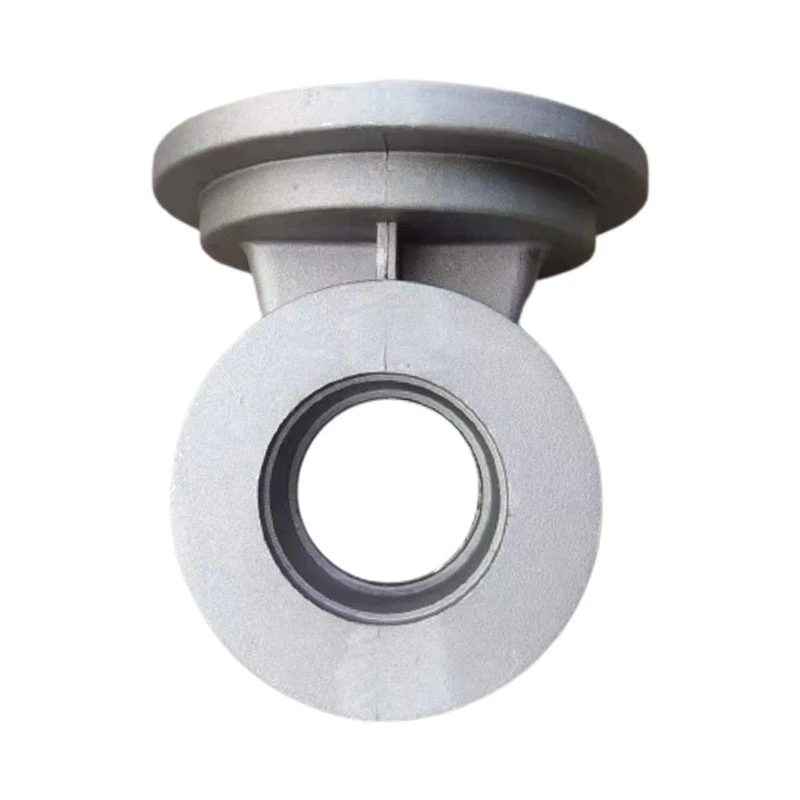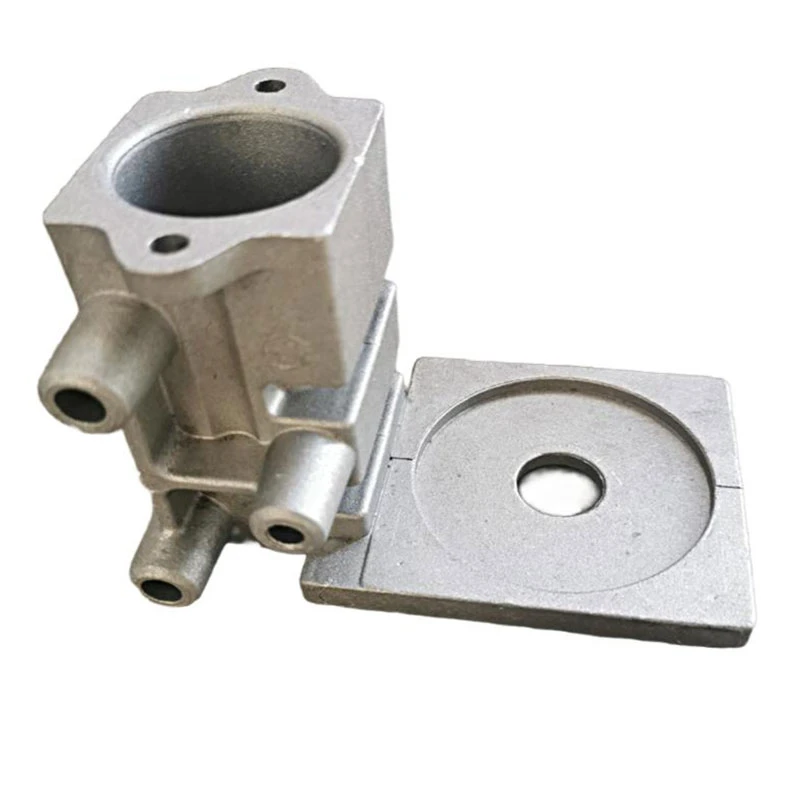



Precision Control Valve – Essential Guide to Global Applications and Innovations
Understanding the Precision Control Valve: A Small Component with Massive Global Impact
When you think about critical components that keep industries running smoothly — from water treatment plants to aerospace and automotive sectors — the precision control valve quietly but decisively does its part. It’s an engineering marvel that’s both highly specialized and broadly impactful. Why does this tiny device matter on a global scale? Because it controls the flow, pressure, temperature, and direction of liquids and gases with exactness, enabling everything from efficient energy use to safe chemical processing.
Understanding precision control valves is more than a technical sidebar; it’s about grasping an essential piece of how modern infrastructure, humanitarian aid projects, and industrial automation maintain safety and efficiency. And oddly enough, this knowledge speaks directly to sustainability and economic development goals worldwide.
Global Relevance: Why Precision Control Valves Matter Now More Than Ever
Globally, industries consume about 54% of the world’s energy, according to the International Energy Agency. And a big chunk of energy is wasted due to inefficient flow control in pipes and valves. Here’s the kicker: precision control valves reduce such losses by allowing fine-tuned management of fluids and gases.
UN environment reports also emphasize clean water management as a critical issue, where failures in flow regulation cause contamination or waste. Precision control valves step in as silent heroes here, used in water treatment and irrigation to maintain steady, safe flow rates.
Frankly, the challenge boils down to balance — how do you maintain high performance with low energy and resource consumption? Precision control valves are part of that solution. Industries, relief agencies, and governments face growing pressure to innovate with these components to meet strict standards like ISO 9001 and ISO 14001.
What Exactly Is a Precision Control Valve?
In simple terms, a precision control valve is a mechanical device designed to regulate the flow of fluids (liquids or gases) within a system by opening, closing, or partially obstructing passageways, often driven by feedback sensors or manual input. What sets these valves apart is their high accuracy and reliability in controlling flow parameters — pressure, temperature, and volume — often to within fractions of a percent.
These valves are integral to various sectors: the oil and gas industry uses them to regulate pressure during extraction; in pharmaceuticals, they help maintain sterile environments; and in humanitarian contexts, they assist in precisely metering fluids in sanitation and hydration systems.
Key Aspects of Precision Control Valves That Matter
Durability & Material Science
Valves are exposed to harsh chemicals, extreme temperatures, and high pressures. The choice of materials — often stainless steel, brass, or specialized alloys — ensures long lifecycles and resistance to corrosion. Many engineers say that material durability directly correlates with maintenance costs: less wear means fewer shutdowns.
Accuracy and Responsiveness
A precision valve must respond quickly and consistently to changing inputs. This accuracy often relies on integrated sensors, stepper motors, or pneumatic actuators that adjust valve position within milliseconds.
Scalability & Customization
No two pipelines or systems are identical. That’s why many manufacturers offer precision control valves customizable in size, connection type, and actuation method, suiting everything from compact lab equipment to sprawling industrial plants.
Cost Efficiency
While precision valves tend to be more expensive upfront, their ability to optimize resource use, reduce energy consumption, and lower downtime proves cost-effective over time.
Safety & Compliance
Since these valves often handle toxic or combustible fluids, they must meet strict safety certifications and operate fail-safe under emergency conditions.
- Mini takeaway: The perfect precision control valve harmonizes tough materials, exquisite accuracy, and adaptive designs to meet demanding industry needs.
Where Are Precision Control Valves Actually Used?
From the Arctic oil rigs to remote farm irrigation systems in sub-Saharan Africa, these valves are pretty ubiquitous. Here are some use cases worth noting:
- Water treatment plants: Regulate flow during filtration and chemical addition, ensuring safe drinking water.
- Automotive manufacturing: Control temperature and pressure in paint booths and robotic assembly lines.
- Aerospace applications: Manage hydraulic fluids and fuel precisely to maintain flight safety.
- Humanitarian relief operations: Deploy portable sanitation systems with fluid controls to minimize contamination risks.
In real terms, a valve that can’t keep up or fails unexpectedly might cause production halts or worse, environmental hazards. So stakeholders everywhere—from multinational manufacturers to NGOs—keep precision control valves close to their critical infrastructure.
Advantages and Long-Term Value of Precision Control Valves
Because it integrates well into digital control systems, a precision control valve supports smart, automated processes — reducing human error and enhancing operational safety. The long-term benefits extend beyond cost savings:
- Sustainability: Lower water and energy waste reduce environmental footprints.
- Reliability: Fewer breakdowns translate to continuous production and lower maintenance.
- Safety and dignity: Particularly in humanitarian setups, precise fluid control ensures safe sanitation which upholds community health standards.
- Innovation & trust: Organizations investing in these valves signal a commitment to quality and responsibility.
Oddly enough, the emotional comfort that comes from knowing your system “just works” might be underrated.
Emerging Trends & Next-Gen Innovations
With Industry 4.0, valves are becoming smarter, embedding IoT sensors to monitor performance in real-time and enabling predictive maintenance. Materials like graphene-infused alloys promise enhanced durability and corrosion resistance, while additive manufacturing is allowing bespoke valve designs to precisely fit unique applications.
Moreover, policies pushing green energy and stricter emissions targeting industrial waste also push valve manufacturers to innovate more eco-friendly, efficient options.
Challenges and How Experts Are Tackling Them
Despite advances, challenges remain. For example, the upfront cost can deter smaller companies. Inconsistent quality from lesser-known vendors or difficulties with integrating smart valves into legacy systems also cause headaches.
However, industry leaders recommend modular designs that allow gradual retrofitting and open-source control software for better compatibility. Partnerships between manufacturers and end-users to co-develop solutions ensure valves actually meet evolving needs.
Frequently Asked Questions About Precision Control Valves
- How do precision control valves improve energy efficiency?
- By finely tuning fluid flow and pressure, these valves minimize unnecessary energy use, reducing waste in heating, cooling, and piping systems.
- Can precision control valves be used in extreme environments?
- Yes. High-grade materials and special designs enable valves to operate reliably in hazardous chemical plants, deep-sea rigs, and arctic conditions.
- What are common actuator types for these valves?
- Popular actuators include electric, pneumatic, and hydraulic types, each suited for different response speeds and control precision.
- How often should precision control valves be maintained?
- Maintenance schedules vary but many industry standards suggest quarterly inspections and annual servicing to ensure accuracy and safety.
Product Specification Table: Typical Precision Control Valve
| Feature | Specification |
|---|---|
| Materials | 316 Stainless Steel, Brass, Titanium Alloy |
| Operating Temperature | -40°C to 250°C (-40°F to 482°F) |
| Pressure Rating | Up to 6000 psi |
| Flow Accuracy | ±0.5% |
| Actuation Type | Electric/Pneumatic/Hydraulic |
| Certification | ISO 9001, CE, ATEX |
Vendor Comparison Table: Leading Precision Control Valve Manufacturers
| Vendor | Price Range | Customization | Lead Time | Warranty |
|---|---|---|---|---|
| ValveTech Co. | $$$ (High-end) | Full Custom Options | 6-8 weeks | 3 years |
| FlowMaster Inc. | $$ (Mid-range) | Limited customization | 4-6 weeks | 2 years |
| ControlFlow Solutions | $ (Budget) | Standard Models | 2-4 weeks | 1 year |
Conclusion: Why Precision Control Valves Are Worth Your Attention
In the end, precision control valves might be small, but they embody a convergence of precise engineering, sustainability, and reliability. They not only save money and resources but also uphold safety and environmental standards worldwide. Whether you’re running a factory in Germany or a water purification site in Kenya, having the right valve can make or break your project.
Interested in diving deeper or sourcing top-tier precision control valves? Visit our website at precision control valve to explore tailored solutions that meet your exact needs.
References
-
Comprehensive Guide to Automotive Die Casting for Enhanced Vehicle PerformanceNewsJan.27,2026
-
Comprehensive Guide to Aluminum Pressure Die Casting Manufacturing ProcessesNewsJan.27,2026
-
Hot Chamber Die Casting vs Cold Chamber Die Casting ExplainedNewsJan.06,2026
-
Hot Chamber And Cold Chamber Die Casting Solutions for Industrial Applications | Hairun SourcingNewsJan.06,2026
-
Hot and Cold Chamber Die Casting: Key Insights from Industry ExpertsNewsJan.06,2026
-
Comprehensive Guide on Graphite Die Casting for B2B Manufacturing | HairunSourcingNewsJan.05,2026