


Precision Casting Foundry: Essential Insights & Global Industry Impact
Precision Casting Foundry: A Quiet Backbone of Modern Industry
Precision casting foundries might not often grab headlines, but their impact is everywhere—from the planes overhead to the turbines powering our cities. Basically, they're the places where exact metal components get crafted with such finesse that even the most demanding industries rely on them. These foundries tackle the tricky job of producing complex metal parts that can’t be made any other way, meeting tight tolerances and often reducing waste. Why should you care? Well, better precision foundries often mean safer airplanes, cleaner energy, and more durable infrastructure. They’re quietly crucial to a globally interconnected economy.
Global Context: Why Precision Casting Foundries Matter More Than Ever
Let's zoom out for a moment. According to ISO, the global precision casting market contributes billions yearly to manufacturing, growing steadily at around 6% annually. This might sound like an arcane industrial niche, but consider this: precision casting foundries serve aerospace, automotive, defense, healthcare, and energy sectors—all of them undergoing rapid innovation. With global supply chains strained and increasing demand for sustainable production, these foundries play a pivotal role.
However, industries wrestle with pressures like reducing lead times, minimizing material waste, and improving part reliability. Precision casting foundries address these by delivering parts that require less machining and rework, speeding up production while cutting costs and emissions. It's kind of like the quiet artisan behind a masterpiece—if the casting is off, everything that relies on it is compromised.
What Exactly Is a Precision Casting Foundry?
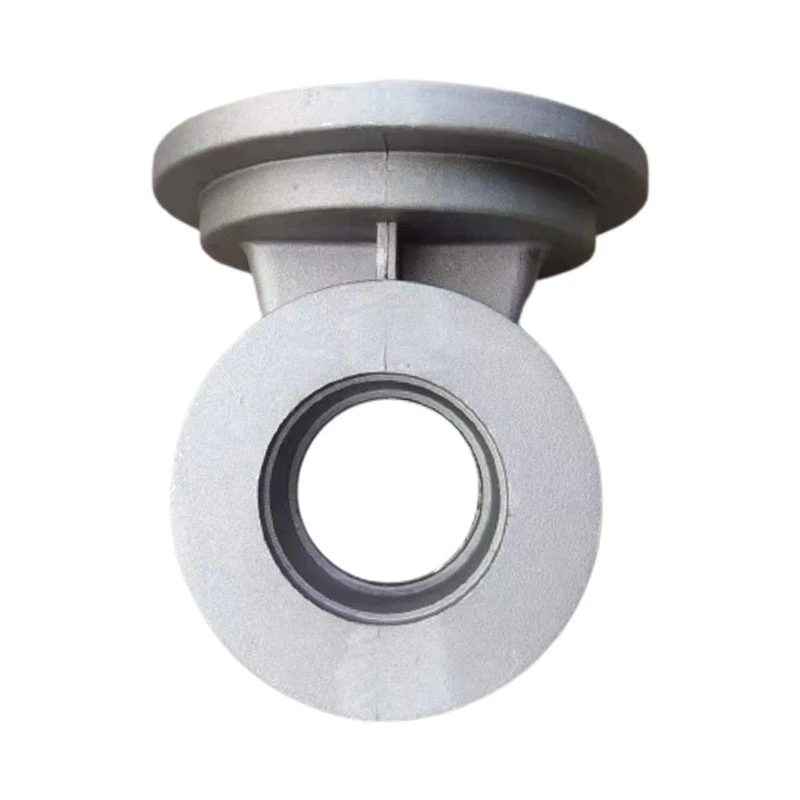
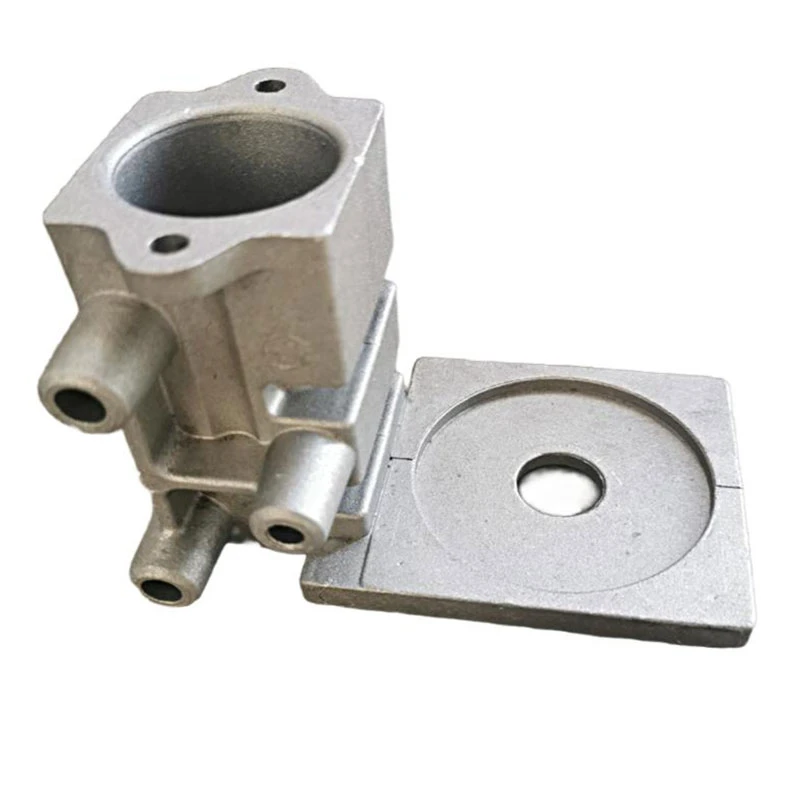
In simple terms, a precision casting foundry is a specialized workshop where molten metals are poured into detailed molds to create exact metal components. Unlike traditional casting methods, these foundries focus on high dimensional accuracy and surface finish, often utilizing techniques like investment casting (sometimes called lost-wax casting). This process allows for intricate designs that are difficult to machine or weld.
They stand at the crossroads of raw metallurgy and sophisticated manufacturing, supplying parts that are vital to everything from artificial joints that must endure repeated stress, to gas turbine blades that spin thousands of times a minute under extreme temperatures. The precision casting foundry isn’t just about metal—it’s about enabling breakthroughs in medicine, energy, and transportation that save lives or reduce environmental impact.
Mini takeaway:
The precision casting foundry transforms molten metal into precision art, fueling essential sectors globally.
Core Components That Define Precision Casting Success
1. Material Selection and Metallurgy
The metals used—from stainless steels to superalloys like Inconel—must match the application’s needs perfectly. Engineers obsess over this because the wrong alloy means premature failure, which nobody wants in a jet engine turbine, for example. The chemistry inside the melt pool is key to durability and performance.
2. Mold Design and Quality
Investment casting relies on accurately made molds—often ceramic-based—that replicate intricate designs down to fractions of a millimeter. Advances in 3D printing have revolutionized mold-making, delivering faster turnaround and more complex geometries without sacrificing surface finish.
3. Dimensional Accuracy and Surface Finish
Precision foundries aim for tight tolerances (sometimes +/-0.1mm) and smooth finishes, reducing or even eliminating the need for machining. This equates to faster build times and less material waste.
4. Scalability and Volume Flexibility
Depending on the industry, foundries might produce one-off prototypes or tens of thousands of parts monthly. Flexibility is a huge plus here, since clients range from aerospace giants to medical device startups.
5. Environmental Management
Pollution control, recyclable materials, and energy efficiency have become core parts of operations. The best foundries push for cleaner processes, which also appeal to clients focused on sustainability.
Mini takeaway:
- Strong metallurgy ensures component life and safety.
- Advanced mold design enables complexity.
- Tight tolerances save time and cost downstream.
- Environmental care is no longer optional.
How Precision Casting Foundries Are Shaping Industries Worldwide
In aerospace hubs across Europe, the U.S., and Asia, precision casting is indispensable. Turbine blades for jet engines require exact thermal resistance and aerodynamic shapes — no sloppiness allowed. The energy sector relies on these parts to keep gas turbines and oil rig equipment resilient. In medical manufacturing, customized prosthetics and implants emerge thanks to these foundries’ ability to handle biocompatible alloys with care and precision.
On the humanitarian front, aid agencies working in disaster zones leverage precision castings for portable energy units or durable vehicle parts that can be repaired on-site without complex supply chains. It’s fascinating how a seemingly industrial act trickles down into improving human lives and infrastructure resilience across continents.
Vendor Comparison Table: Leading Precision Casting Foundries
| Vendor | Specialty | Typical Volume | Materials Offered | Lead Times |
|---|---|---|---|---|
| Foundry A | Aerospace Components | 100–10,000+ units/month | Inconel, Titanium, Stainless Steel | 4–8 weeks |
| Precision Cast Co. | Medical & Industrial | 10–5,000 units/month | Stainless Steel, Cobalt Chrome | 2–6 weeks |
| Global Cast Ltd. | Energy & Oil & Gas | 500–20,000 units/month | Nickel Alloys, Carbon Steel | 6–10 weeks |
Advantages and Long-Term Value of Precision Casting Foundries
Think of precision casting foundries as the unsung heroes offering:
- Cost Efficiency: While the initial investment might be higher, parts come nearly ready-to-use, slashing machining and assembly expenses.
- Reliability: The consistent quality reduces failure rates and downtime, a boon especially in critical sectors like aerospace or healthcare.
- Sustainability: Less scrap and waste, and increasingly greener processes, capitalize on growing environmental awareness.
- Social Impact: Enabling robust infrastructure, supporting technological innovations that improve lives.
Many engineers say you can almost feel the trust clients place in precision cast parts — it’s like a quiet handshake that says, “we made this to last.”
Looking Ahead: The Future of Precision Casting
Emerging technologies are shaking things up in foundries. Additive manufacturing, aka 3D metal printing, blends oddly well with traditional casting, creating hybrid workflows that open new design horizons. Digitally enhanced mold fabrication and real-time process monitoring promise better yields and less rework. Plus, materials science keeps pushing boundaries with new lightweight alloys and heat-resistant composites.
There’s also a strong push toward carbon neutrality. From solar-powered melting units to recycling scrap metal into new molds, the industry is embracing sustainability seriously. And policy frameworks in regions like the EU incentivize cleaner, more efficient manufacturing methods. It feels like precision casting foundries will become even more pivotal—and greener—over the next decade.
Common Challenges and How Expert Foundries Overcome Them
One major hurdle is balancing complexity with cost. Highly intricate designs can drive prices up or delay delivery. Expert foundries counter this with innovative mold technologies and better simulation software to predict and fix defects upfront.
Another perennial issue is managing environmental impact. Leading foundries integrate waste heat recovery and improved filtration systems to stay compliant with tightening environmental standards.
Lastly, supply chain disruptions often ripple through materials sourcing. Clever inventory management and local supplier partnerships are vital solutions many top vendors lean on.
Precision Casting Foundry FAQ
Q: How does precision casting differ from sand casting?
A: Precision casting uses detailed molds (like ceramic shells) to achieve much finer surface finish and tighter tolerances compared to the looser tolerances of sand casting. This means less machining and higher-quality final parts, especially for complex shapes.
Q: What's the typical lead time for casting a complex aerospace part?
A: Lead times vary, but aerospace components from precision foundries typically take between 4 to 8 weeks from design to finished casting, depending on complexity and batch size.
Q: Are precision casting parts recyclable?
A: Yes, many scrap pieces generated during the process can be melted down and reused, making precision casting a relatively sustainable choice, particularly when combined with responsible factory practices.
Q: Can small startups access precision casting services?
A: Absolutely. Many foundries offer prototype-level services with minimum order quantities tailored to startups, enabling innovation without massive upfront investment.
Conclusion: Precision Casting Foundries Are Here to Stay
From the micro components inside our smartphones to the massive turbines powering cities, precision casting foundries quietly build the future. Their role in shaping safer, more sustainable, and efficient industries can’t be overstated. If your business relies on exact metal parts—and frankly, most manufacturing does—you owe it to yourself to understand and engage with quality casting foundries.
Curious to learn more or source specialized parts? Visit precision casting foundry for trusted partners and detailed insights.
Product Specification Table: Typical Precision Cast Components
| Component | Material | Typical Size | Tolerance | Surface Finish |
|---|---|---|---|---|
| Turbine Blade | Inconel 718 | 150-400 mm length | ±0.05 mm | Ra 1.6 µm |
| Medical Implant | Cobalt Chrome Alloy | 20-60 mm diameter | ±0.1 mm | Ra 0.8 µm |
| Automotive Valve | Stainless Steel 316 | 30-100 mm length | ±0.1 mm | Ra 1.2 µm |
Final Thoughts
Working with precision casting foundries means embracing a blend of metallurgy, artistry, and innovation. For manufacturers, it's a pathway to better quality, smarter production, and sustainability gains. It’s also where old-school craftsmanship meets tomorrow’s tech.
References:
1. International Organization for Standardization - ISO: https://www.iso.org
2. United Nations Industrial Development Organization - UNIDO: https://www.unido.org
3. Wikipedia - Investment Casting: https://en.wikipedia.org/wiki/Investment_casting
-
Comprehensive Guide to Automotive Die Casting for Enhanced Vehicle PerformanceNewsJan.27,2026
-
Comprehensive Guide to Aluminum Pressure Die Casting Manufacturing ProcessesNewsJan.27,2026
-
Hot Chamber Die Casting vs Cold Chamber Die Casting ExplainedNewsJan.06,2026
-
Hot Chamber And Cold Chamber Die Casting Solutions for Industrial Applications | Hairun SourcingNewsJan.06,2026
-
Hot and Cold Chamber Die Casting: Key Insights from Industry ExpertsNewsJan.06,2026
-
Comprehensive Guide on Graphite Die Casting for B2B Manufacturing | HairunSourcingNewsJan.05,2026