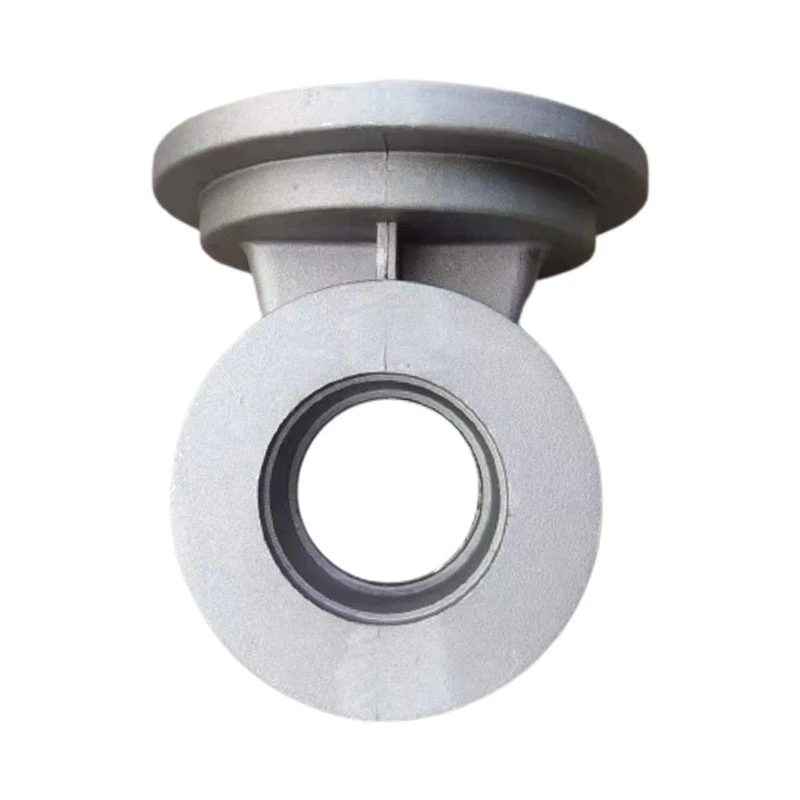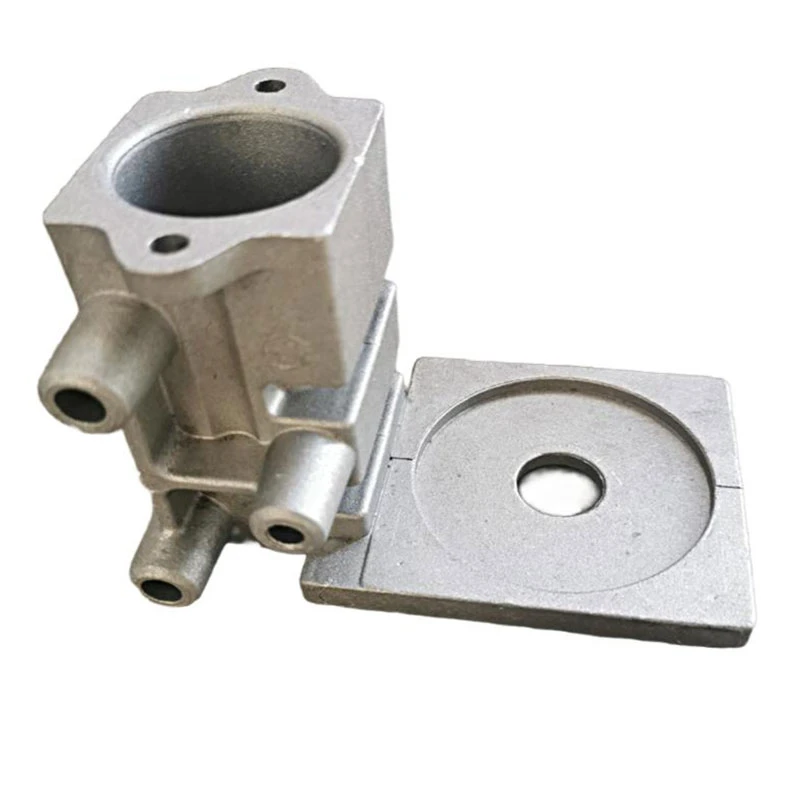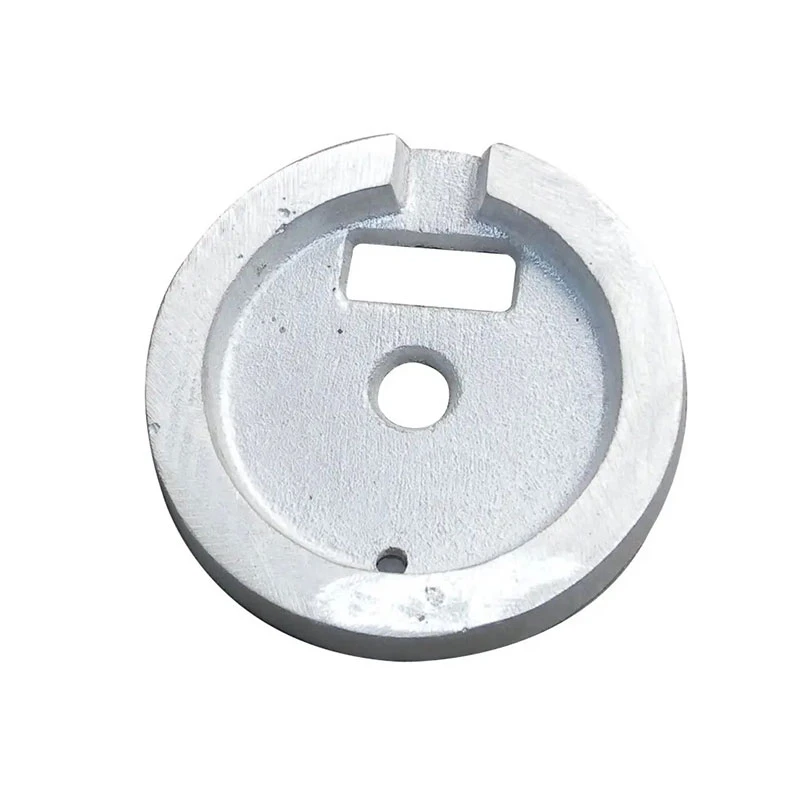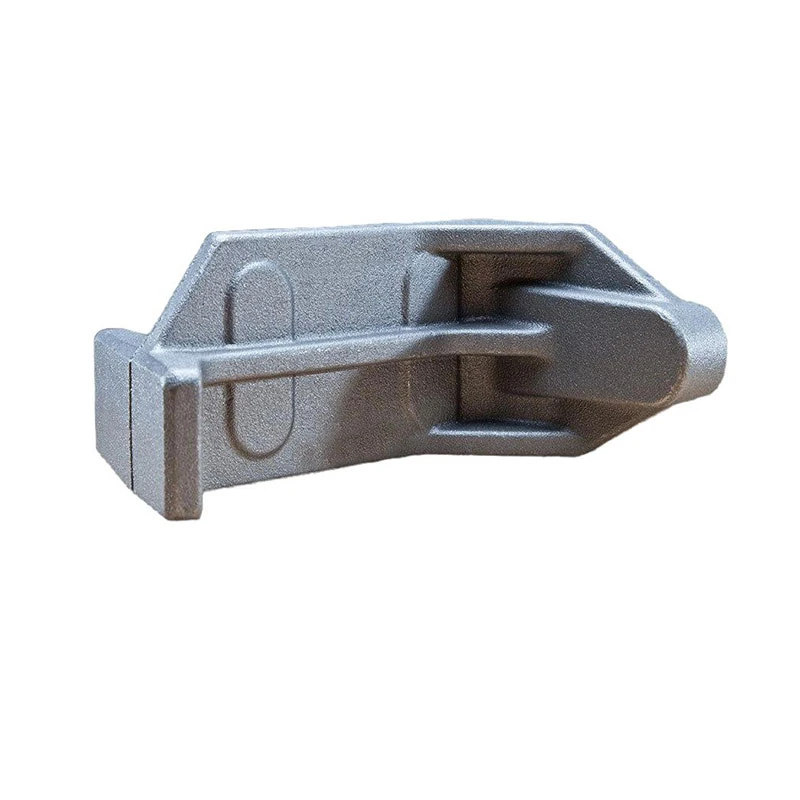



Wholesale Precision Casting: Scale, Precision, and Sustainability in Metal Manufacturing
Wholesale Precision Casting: Unlocking the Backbone of Modern Manufacturing
In the vast machinery of global industry, wholesale precision casting often operates quietly behind the scenes yet drives innovation in everything from automotive parts to aerospace components. At its heart, precision casting is about crafting metal parts with fine detail and exact tolerances — and doing so at scale, economically. Understanding this process isn’t just technical jargon; it’s a window into the durability, efficiency, and design possibilities that underpin countless products we rely on daily.
With a growing global demand for highly specialized metal components — whether it’s in renewable energy, healthcare devices, or heavy equipment — wholesale precision casting’s role will only grow sharper. But like any cornerstone technology, not everyone outside manufacturing circles fully grasps how it works or why it’s so indispensable. So let’s break it down in a way that’s straightforward but also respects the real-world impact.
Why Wholesale Precision Casting Matters in Today’s Global Economy
Have you ever stopped to wonder how a tiny turbine blade or a critical engine valve gets made with microscopic accuracy yet in thousands of copies? The International Organization for Standardization (ISO) estimates that casting processes constitute over 70% of metal component manufacturing worldwide. It’s no surprise — casting lends itself to mass production with consistency that machining alone would struggle to match.
Data from the World Bank shows manufacturing value-add remains a major driver of GDP for industrial nations, and precision casting is a critical subset of this. Yet, despite its scale, many industries face dilemmas like fluctuating raw material costs, quality inconsistencies, and environmental concerns. This is where wholesale precision casting stands out, balancing cost, scale, and quality better than most alternatives.
Frankly, the demand for complex, lightweight, and durable parts—notably in industries like aerospace and medical devices—puts a spotlight on this process. But it also confronts us with the challenge: how do you ensure speed without sacrificing precision or sustainability?
What Exactly is Wholesale Precision Casting?
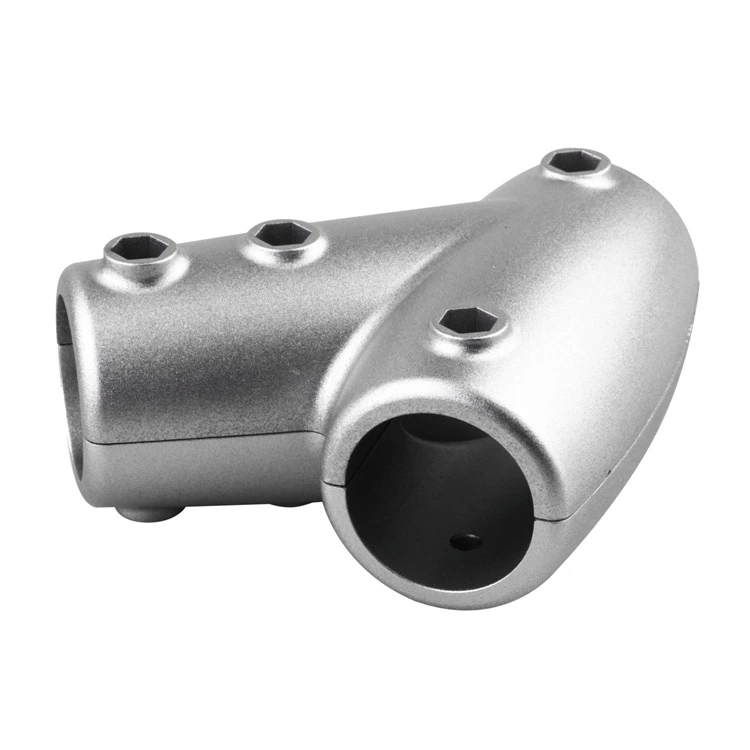
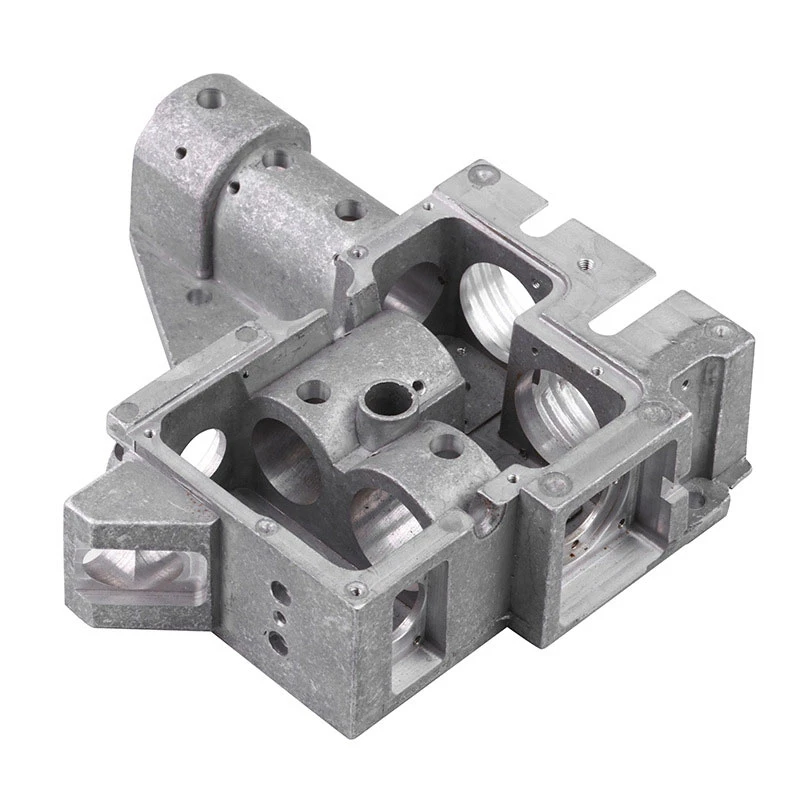
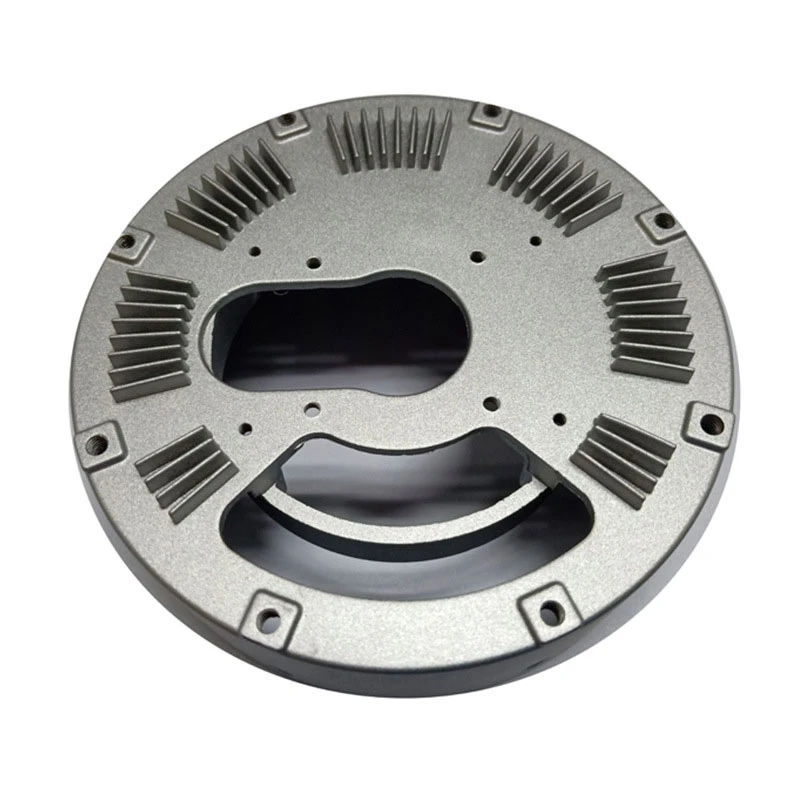
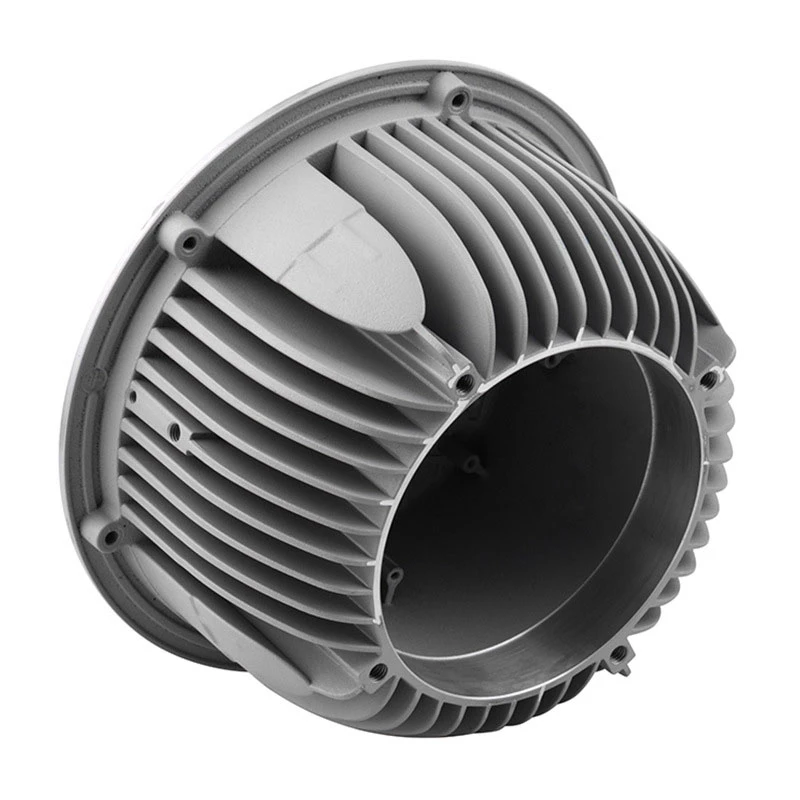
In the simplest terms, wholesale precision casting is a manufacturing method where molten metal is poured into a detailed mold to replicate exact shapes and features. Wholesale implies production at scale — often fulfilling large-volume industrial orders rather than bespoke single-piece jobs.
Unlike basic sand casting or forging, precision casting (sometimes called investment casting) uses intricate wax molds and coating layers that result in extremely smooth finishes and tight dimensional tolerances. It’s the preferred choice where the minutiae of component geometry matter immensely. Think of aircraft engine blades, customized medical implants, or high-performance automotive parts.
Why does this matter beyond industry? Well, precise castings often empower humanitarian efforts too — rugged parts for medical equipment in remote hospitals, machinery for water purification, even components for renewable energy solutions in developing countries. Their reliability means the underlying systems don’t let down people counting on them.
Core Components of Wholesale Precision Casting
1. Durability and Material Quality
Wholesale precision castings rely on metals like stainless steel, titanium, and specialty alloys. These materials provide strength, corrosion resistance, and heat tolerance — essential for demanding applications. The process also ensures uniform grain structure, improving mechanical properties.
2. Scalability and Efficiency
One huge selling point is the ability to replicate complex parts hundreds or thousands of times with minimal deviation. The wax mold tooling, once created, supports this repeatability and short turnaround times — key in industries where downtime means significant costs.
3. Cost-effectiveness at Volume
While the initial tooling setup can be pricey, the ability to produce parts en masse drives unit costs down. This makes precision casting competitive with other mass manufacturing methods for complex geometries.
4. Design Flexibility and Complexity
The wax patterns can be incredibly detailed, allowing undercuts, hollow sections, and thin walls that are hard or impossible with other processes. This unlocks new product designs and performance improvements.
5. Environmental Considerations
Modern techniques reduce waste metal and energy consumption compared to older casting methods. Recycling wax patterns and adopting cleaner melting technologies contribute to greener manufacturing.
Global Applications and Real-World Use Cases
Wholesale precision casting feels especially relevant in global industries that require durable, reliable parts on demand.
- Aerospace: Turbines, engine parts, and structural components needing tight tolerances and high heat resistance.
- Medical Field: Customized implants or surgical tools requiring biocompatible metals and intricate design.
- Renewable Energy: Turbine components for wind and hydro power, where performance and reliability dictate success.
- Automotive Manufacturing: High-performance engine parts and transmission components benefiting from lightweight, precise castings.
- Disaster Relief and Infrastructure: Critical machinery components for water treatment plants or generators deployed post-disaster in remote areas.
In fact, engineers working with NGOs in Africa have noted how locally sourced precision cast parts help maintain water pumps in rural areas — a small but vital detail supporting entire communities.
Wholesale Precision Casting Product Specification Table
| Specification | Typical Range | Notes |
|---|---|---|
| Metal Types | Stainless Steel, Titanium, Aluminum, Inconel | Depends on application environment |
| Tolerance | ±0.1 mm to ±0.3 mm | Critical for aerospace/medical use |
| Max Casting Weight | Up to 25 kg (55 lbs) | Varies with foundry capability |
| Surface Finish | Smooth, around Ra 1.6 µm | Less machining required post-casting |
| Lead Time | 2 - 6 weeks | Depending on batch size and complexity |
Choosing the Right Suppliers: A Quick Vendor Comparison
| Vendor | Volume Capacity | Material Options | Typical Lead Time | Sustainability Practices |
|---|---|---|---|---|
| GlobalCast Industries | High (>1000 pcs/month) | Stainless Steel, Titanium, Aluminum | 3-4 weeks | Recycles wax, uses renewable energy |
| PrecisionMetal Works | Medium (500-800 pcs/month) | Inconel, Stainless Steel | 4-5 weeks | ISO14001 certified |
| EcoCast Solutions | Low to Medium (200-600 pcs/month) | Aluminum, Recycled Alloys | 5-6 weeks | Focuses on sustainability with closed-loop recycling |
Advantages and Lasting Value of Wholesale Precision Casting
When companies opt for wholesale precision casting, they aren’t just ordering parts—they’re investing in reliability and innovation that often translate into long-term savings and sustainability.
- Cost Savings: Mass production lowers unit costs while reducing waste. The improved accuracy means fewer defective parts and less rework.
- Environmental Impact: New processes limit energy use and enable material reuse, aligning with global sustainability goals.
- Enhanced Product Safety: Tighter tolerances and better materials mean products perform under stress, especially crucial in aerospace or medical fields.
- Innovation Enablement: Freedom of complex design unlocks new functionality and product performance improvements.
- Social Benefits: In developing markets or disaster zones, robust cast components support infrastructure stability, healthcare, and clean energy—giving people dignity and safety.
Emerging Trends and Innovations in Precision Casting
The industry is evolving with a push towards digital manufacturing, automation, and greener materials. Here are some trends worth watching:
- 3D-Printed Wax Patterns: This reduces tooling time and allows more customization.
- Advanced Alloys: Development of heat-resistant and corrosion-proof alloys improves lifespan and safety.
- AI and Machine Learning: Used to optimize process parameters for consistency and yield.
- Energy-Efficient Furnaces: Reduce carbon footprint during metal melting.
- Closed-Loop Recycling: Minimizes waste and raw material use.
Common Challenges & How Experts Tackle Them
Wholesale precision casting isn’t without hurdles. Some ongoing issues include:
- High Initial Tooling Costs: Overcome by amortizing over large production runs and using digital patterning.
- Complexity Limits: Certain shapes still require post-casting machining — ongoing innovation in mold materials helps expand complexity.
- Quality Assurances: Variances in metal flow and cooling can cause defects. Smart sensors and AI-driven quality control are making a difference.
- Environmental Regulations: Tightening standards push suppliers to improve sustainability — reporting frameworks and certifications like ISO14001 help ensure compliance.
Frequently Asked Questions About Wholesale Precision Casting
- What are the main benefits of choosing wholesale precision casting over machining parts?
- Wholesale precision casting allows complex geometries often impossible to machine and reduces material waste. It’s more cost-effective for large volumes, offering better dimensional accuracy and finish which also cuts down secondary operations.
- How long does it typically take to fulfill a wholesale precision casting order?
- Lead times vary based on complexity and volume but generally range from 2 to 6 weeks. Using 3D-printed patterns or experienced suppliers can shorten turnaround significantly.
- Is precision casting environmentally friendly?
- Modern precision casting incorporates energy-efficient melting, wax recycling, and reusable molds. Many foundries now carry green certifications. While no process is perfect, it has improved substantially compared to older methods.
- Can wholesale precision casting serve industries with very demanding tolerances?
- Absolutely. Parts for aerospace and medical sectors commonly require tolerances as tight as ±0.1 mm, well within precision casting’s capabilities when properly controlled.
- How do international NGOs typically source precision cast parts for humanitarian projects?
- NGOs often collaborate directly with specialized suppliers who understand export/import regulations and compliance. They might use bulk orders through wholesale precision casting platforms to ensure supply chain reliability.
Wrapping Up: Why Wholesale Precision Casting Should Be on Your Radar
Wholesale precision casting isn’t just an industrial process — it’s a vital enabler of modern technology and infrastructure worldwide. From powering innovations to supporting communities with rugged, dependable parts, its long-term value can’t be overstated. If your business or project demands scalable, reliable, and innovative metal components, exploring wholesale options here can make all the difference.
For a closer look at sourcing and leveraging the latest in precision casting, visit our website to explore trusted partnerships and product lines tailored to your needs.
So, next time you see a complex metal part behind your engine, turbine, or medical device, you might just appreciate the craftsmanship and scale of wholesale precision casting that made it possible.
— A quick sign-off from someone who’s seen more foundries than you’d guess, and the magic that happens when molten metal meets precise molds.
References
-
Comprehensive Guide to Automotive Die Casting for Enhanced Vehicle PerformanceNewsJan.27,2026
-
Comprehensive Guide to Aluminum Pressure Die Casting Manufacturing ProcessesNewsJan.27,2026
-
Hot Chamber Die Casting vs Cold Chamber Die Casting ExplainedNewsJan.06,2026
-
Hot Chamber And Cold Chamber Die Casting Solutions for Industrial Applications | Hairun SourcingNewsJan.06,2026
-
Hot and Cold Chamber Die Casting: Key Insights from Industry ExpertsNewsJan.06,2026
-
Comprehensive Guide on Graphite Die Casting for B2B Manufacturing | HairunSourcingNewsJan.05,2026