


Precision Performance Castings for High-Stakes Manufacturing | Hairun Sourcing
Precision Performance Castings: What They Are and Why They Matter Worldwide
Let’s start simply: precision performance castings are specialized metal components manufactured with exacting standards to fit high-demand applications. Globally, they’re a quiet but essential backbone of industries ranging from aerospace to medical devices. Why does this matter? Because in a world driven by technology and safety, these castings play a critical role in delivering reliability and functionality where margins for error are razor-thin. Understanding them means appreciating how intricate engineering and manufacturing converge to solve global challenges, from climate goals to infrastructure resilience.
Why Precision Performance Castings Hold a Global Spotlight
The bigger picture behind precision performance castings involves an interesting blend of economic, industrial, and humanitarian forces. According to ISO standards, casting quality influences safety and sustainability outcomes worldwide. For instance, industries such as aerospace and automotive — which together account for over 7% of global manufacturing GDP (World Bank) — demand components that don’t just fit but perform consistently to prevent failures.
The challenge? Manufacturing defects and inconsistencies still cause costly recalls and accidents, slowing down supply chains hamstrung by global disruptions. Precision performance castings are the answer, helping firms reduce waste, enhance durability, and meet increasingly strict international compliance rules. Oddly enough, this tiny piece of the manufacturing puzzle touches daily lives in invisible, yet essential ways — from the brake systems in vehicles to lifesaving surgical tools.
Defining Precision Performance Castings in Plain Terms
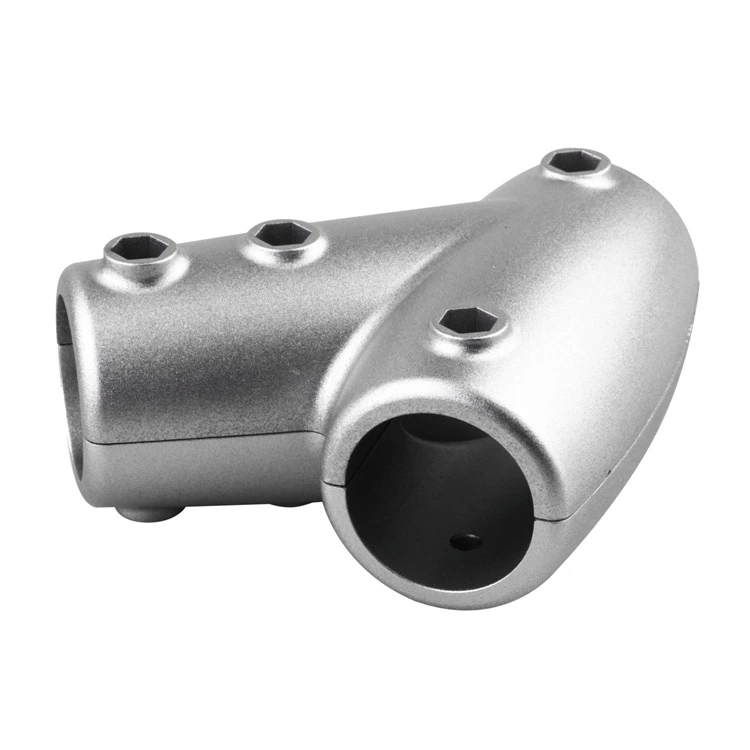
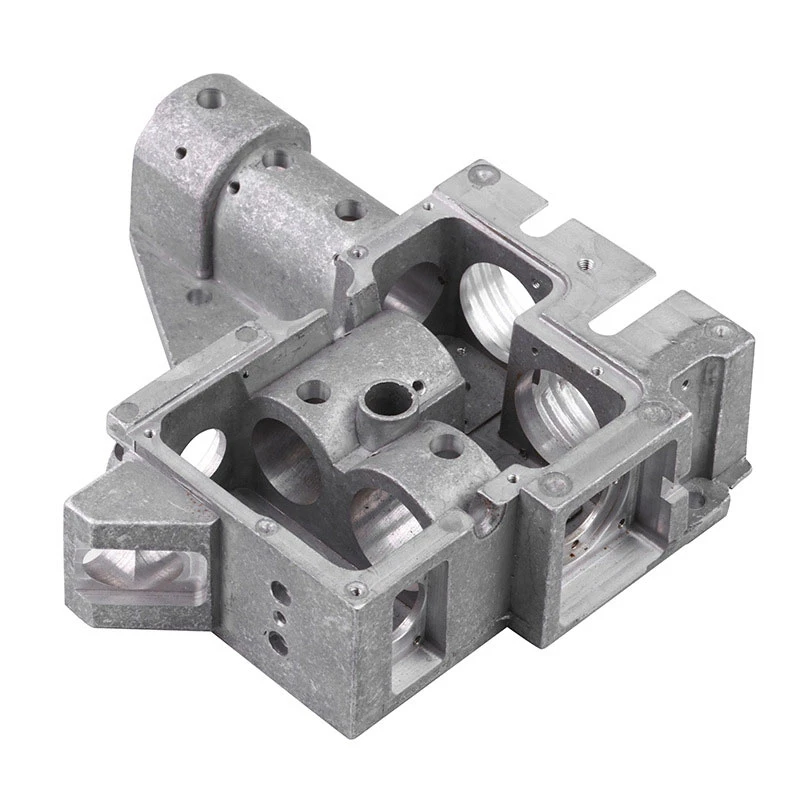
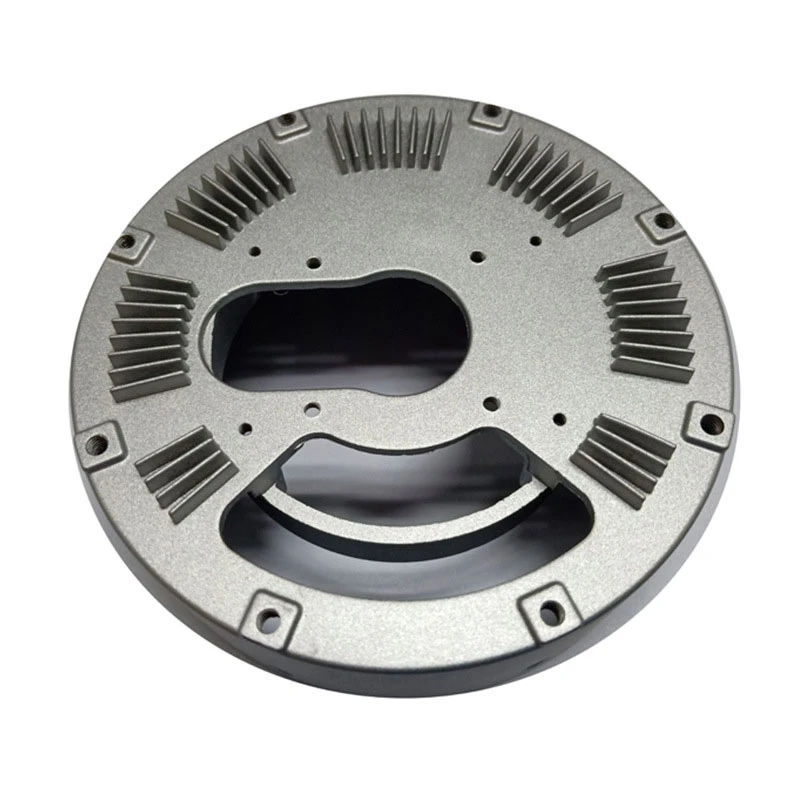
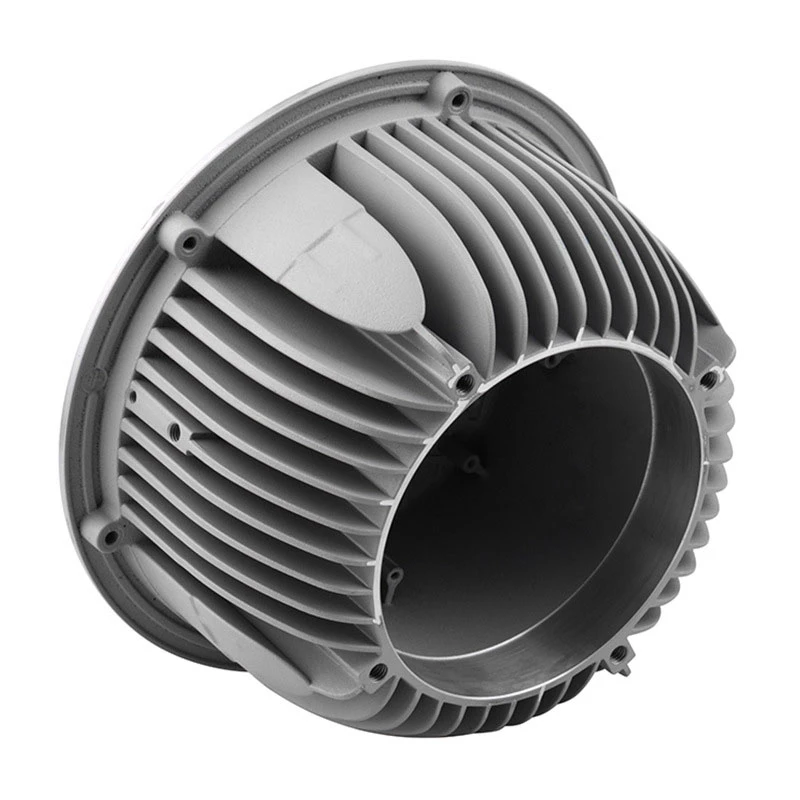
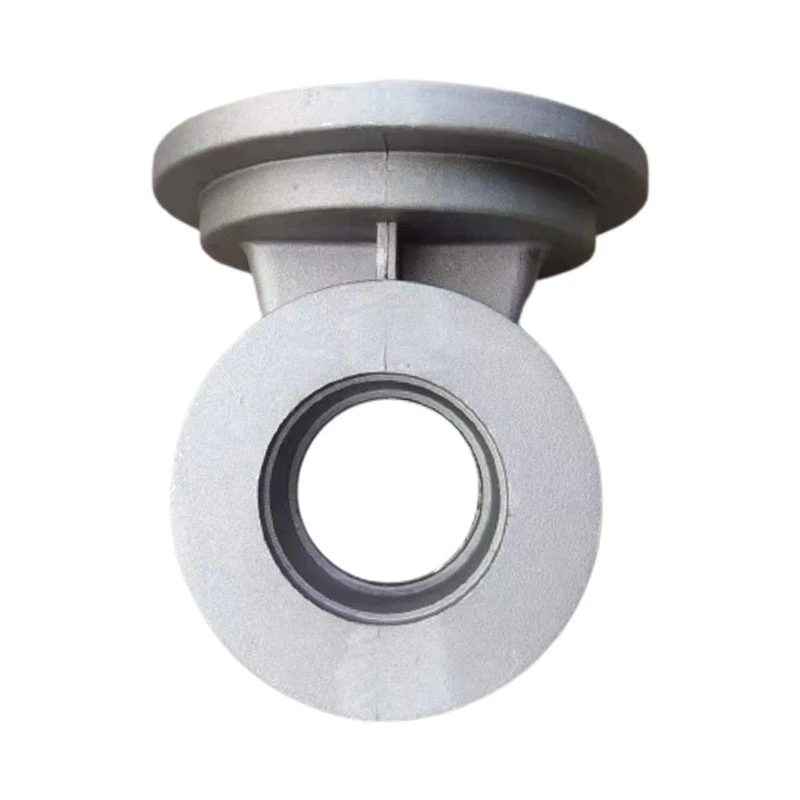
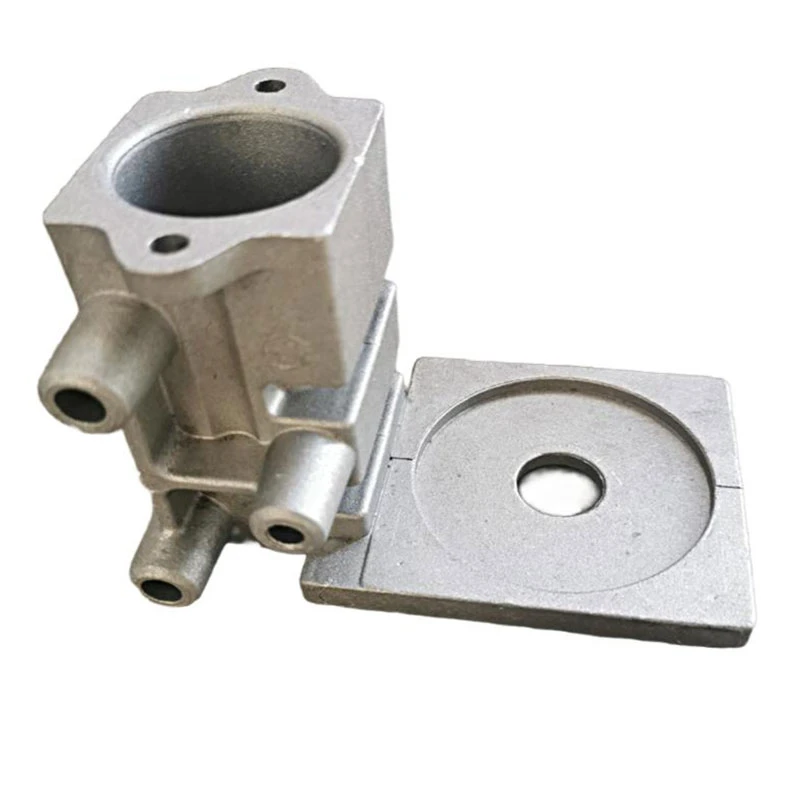
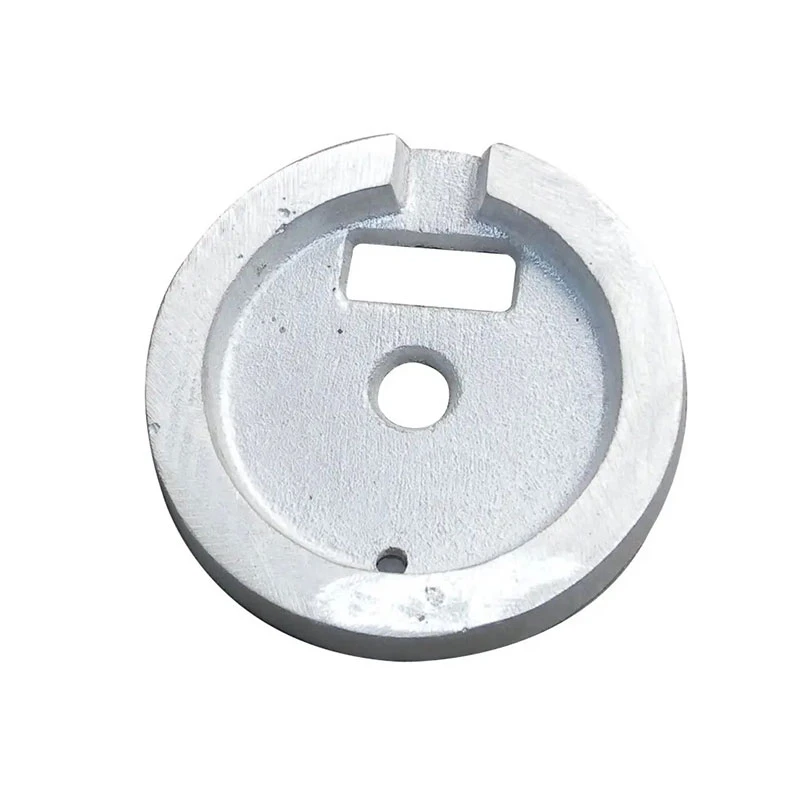
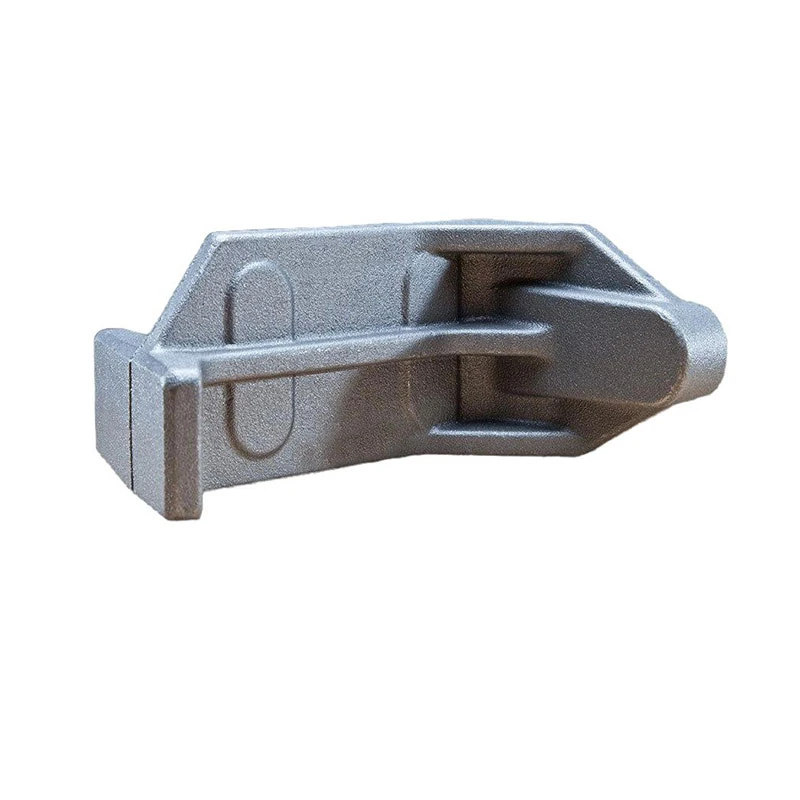
At its core, a precision performance casting is a metal part created via pouring molten metal into a mold designed to exact specifications. Unlike general castings, these parts undergo stringent quality control — ensuring they meet tight dimensional tolerances and material performance standards. That precision allows them to support critical tasks: actions where failure is simply not an option.
In practical terms, think of the difference between a rough, bulky component and one that slots perfectly into a complex assembly like clockwork. This connection to modern industry and even humanitarian aid, such as emergency medical equipment manufacturing, underscores their real-world importance.
Mini Takeaway:
- Precision performance castings are custom-made metal parts with tight accuracy.
- They’re essential to high-stakes applications requiring reliability and durability.
Core Components That Give Precision Performance Castings Their Edge
Material Quality
Without high-grade alloys or specialized metals, precision castings would be just glorified lumps. Material science governs strength, corrosion resistance, and weight. Engineers often select stainless steel, titanium, or nickel-based superalloys depending on use case.
Dimensional Accuracy
Tolerances down to microns mean parts fit together seamlessly. This is critical in industries like aerospace, where every gram and millimeter counts.
Advanced Manufacturing Processes
Techniques such as investment casting and vacuum casting minimize defects like porosity or inclusions, ensuring parts perform under stress.
Post-Processing and Testing
After casting, parts undergo heat treatment, machining, and testing (X-rays, ultrasonic scans) to validate their quality and conform to standards.
Scalability and Adaptability
These processes can be scaled from prototyping to mass production, allowing manufacturers to respond flexibly to market needs or emergency demands.
Mini Takeaway:
- Strong materials + tight dimensions + modern techniques = superior components.
- Testing and adaptability ensure the parts keep working in real-world conditions.
Global Applications: Precision Performance Castings Around the World
Precision performance castings aren’t confined to any one corner of the world — they’re everywhere, from aerospace hubs in the US and Europe to emerging manufacturing regions in Asia. These castings power:
- Aerospace: Engine turbines and structural components that endure intense heat and stress.
- Automotive: High-performance braking and transmission parts that balance durability with weight.
- Medical Devices: Surgical instruments and implants requiring exact biocompatible materials.
- Energy: Components for wind turbines and gas turbines contributing to the clean energy transition.
- Disaster Relief: In places like Southeast Asia or sub-Saharan Africa, precision cast parts enable rugged, quickly assembled machinery and infrastructure post-disaster.
If you think about it, whether it's a jet engine soaring over the Rockies or a portable water pump deployed after a cyclone, precision casting components are making those moments possible.
Product Specification Table: Typical Precision Performance Casting
| Specification | Typical Value | Notes |
|---|---|---|
| Material | Inconel 718 | High-strength nickel alloy for heat resistance |
| Dimensional Tolerance | ±0.1 mm | As per aerospace standards |
| Surface Finish | Ra 0.8 µm | Suitable for high-friction environments |
| Weight | 2.5 kg | Typical small-medium sized component |
| Testing Protocols | X-ray, ultrasonic, tensile test | Ensures durability and flaw detection |
Comparing Leading Vendors for Precision Performance Castings
| Vendor | Industries Served | Material Expertise | Lead Time | Customization Level |
|---|---|---|---|---|
| CastPro Solutions | Aerospace, Automotive | Steel, Aluminum, Titanium | 6-8 weeks | High |
| Precision Cast Co. | Medical, Energy | Inconel, Nickel alloys | 4-6 weeks | Medium |
| Global Cast Works | Industrial, Transport | Steel, Stainless steel | 8-10 weeks | Low |
The Long-Term Advantages of Embracing Precision Performance Castings
There’s a logical and emotional side to the benefits of precision casting. On one hand, companies save money by reducing scrap, maintenance, and downtime. On the other, there’s a quiet dignity in knowing that safety-critical parts — say, in a knee implant or aircraft landing gear — are crafted to exacting standards, preserving human life and trust.
Sustainability is another angle gaining momentum. Many foundries now focus on recycled materials and energy-efficient processes, supporting green manufacturing goals. This adds long-term value beyond immediate economics: environmental stewardship becomes part of a brand’s legacy.
What’s Ahead: Future Trends in Precision Performance Castings
The industry is evolving rapidly.
- Digital Twin Technology: Simulating cast parts virtually before production can drastically cut errors and improve precision.
- Advanced Materials: The rise of heat-resistant ceramics and composites is pushing the envelope beyond traditional metals.
- Automation & Robotics: Integrating AI-driven casting lines improve repeatability and lower costs.
- Eco-Friendly Policies: Increasing regulation means sustainable sourcing, energy-efficient foundries, and less waste are becoming standard.
Frankly, this means precision castings won't just be “better” — they'll be smarter and greener, fitting the future’s urgent demands.
Facing Challenges and Crafting Solutions in Today’s Market
That said, perfection is a moving target. Castings sometimes suffer from imperfections due to cooling rates or mold flaws. Supply chain disruptions can delay manufacturing cycles. Plus, the upfront cost of high-precision castings can feel steep.
Innovative solutions include:
- Improved mold materials and design software to reduce error risk.
- On-demand manufacturing to streamline logistics and reduce inventory needs.
- Collaborative R&D projects between vendors and clients to tailor components more precisely.
FAQ: Your Questions About Precision Performance Castings, Answered
What industries benefit most from precision performance castings?
Industries like aerospace, automotive, medical devices, and clean energy rely heavily on precision castings for components that must tolerate stress and maintain small tolerances. Their safety and performance directly depend on quality parts.
How long does it take to produce custom precision castings?
Lead times usually range between 4 to 10 weeks depending on complexity, material, and scale. Some vendors offer expedited services but expect higher costs.
Are precision performance castings environmentally sustainable?
Many manufacturers incorporate recycled metals and energy-saving technologies in their processes, improving sustainability. Choosing foundries with green certifications helps ensure environmentally responsible sourcing.
Can precision castings be customized for emerging technologies?
Absolutely. Advanced casting techniques allow for rapidly prototyping and manufacturing components tailored to new applications, including electric vehicles and robotics.
How can international buyers navigate sourcing precision castings globally?
Partnering with vendors experienced in international shipping and compliance is key. Look for companies offering full service from prototyping to delivery with transparent communication.
Wrapping Up: Why Precision Performance Castings Are Worth Your Attention
Precision performance castings may seem niche, but their global impact is anything but. They blend art and science to produce components that keep planes flying, machines running, and medical devices safe. Investing in high-quality castings pays off not just economically but socially and environmentally — a rare trifecta.
Curious to explore solutions tailored for your industry or project? Visit our website at precision performance castings and discover how cutting-edge casting technologies can elevate your operations.
Summary Takeaways:
- Precision castings are essential for high-performance, safety-critical industries worldwide.
- The technology is advancing toward digital, sustainable, and automated manufacturing.
- Despite challenges, customized precision castings remain cost-effective long-term investments.
References
-
Comprehensive Guide to Automotive Die Casting for Enhanced Vehicle PerformanceNewsJan.27,2026
-
Comprehensive Guide to Aluminum Pressure Die Casting Manufacturing ProcessesNewsJan.27,2026
-
Hot Chamber Die Casting vs Cold Chamber Die Casting ExplainedNewsJan.06,2026
-
Hot Chamber And Cold Chamber Die Casting Solutions for Industrial Applications | Hairun SourcingNewsJan.06,2026
-
Hot and Cold Chamber Die Casting: Key Insights from Industry ExpertsNewsJan.06,2026
-
Comprehensive Guide on Graphite Die Casting for B2B Manufacturing | HairunSourcingNewsJan.05,2026