


Understanding Which of the Following Qualifies as a Precision Casting Process – Ultimate Guide
Which of the Following Qualifies as a Precision Casting Process? A Comprehensive Guide
Let's dive into an often overlooked yet crucial manufacturing question: which of the following qualifies as a precision casting process? Precision casting is not just jargon in the foundry world; it underpins countless industries from aerospace to jewelry, ensuring parts fit, perform, and last exactly as intended. Globally, understanding precision casting methods is more than technical—it’s a business necessity to meet skyrocketing demands for accuracy and sustainability. Whether you’re an engineer, procurement officer, or simply curious, knowing what counts as precision casting can unlock efficiencies and innovations that ripple across economies.
Global Context: Why Precision Casting Matters More Than Ever
The precision casting market is growing steadily with a compound annual growth rate (CAGR) of roughly 6.5%, according to Industry reports. Its importance is amplified by sectors such as aerospace, automotive, and medical devices, which combined generate billions annually worldwide. The United Nations Industrial Development Organization (UNIDO) highlights advanced manufacturing techniques like precision casting as key to strengthening developing nations’ industrial base (UNIDO Report).
However, a common challenge persists: many manufacturers confuse certain casting types, leading to design mismatches or costly reworks. To stay ahead, it’s vital to pinpoint exactly which processes truly qualify as precision casting—and why.
What Exactly Is Considered a Precision Casting Process?
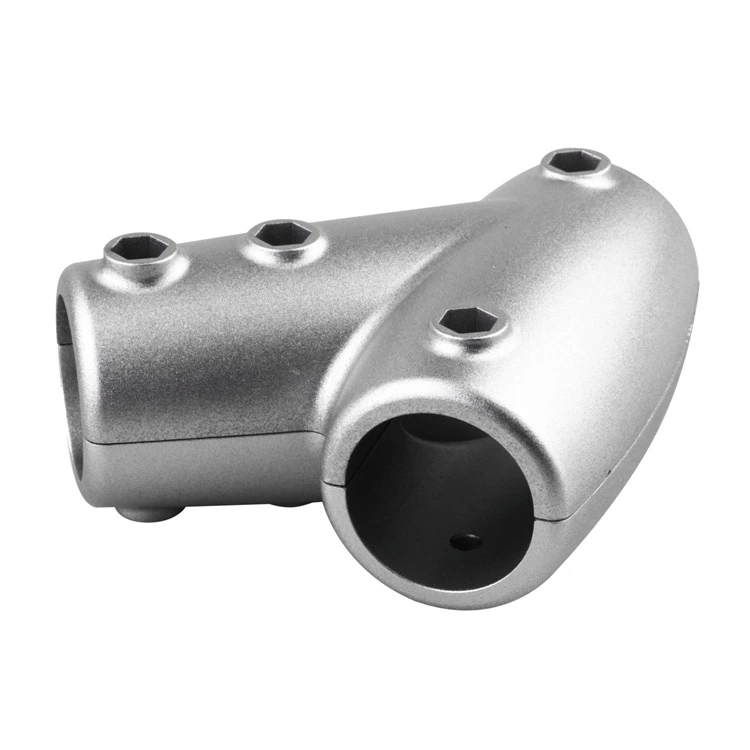
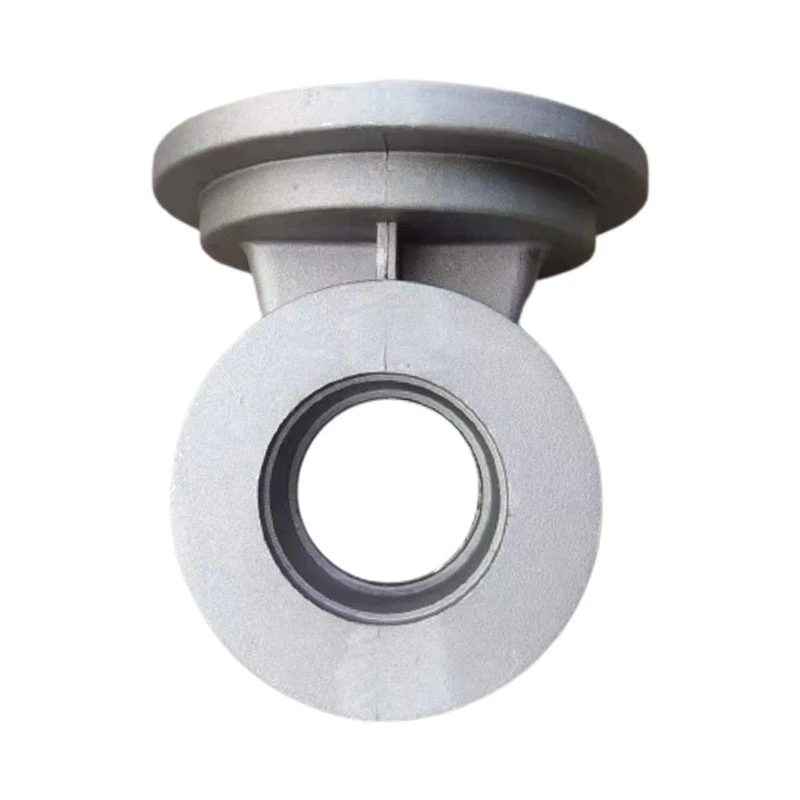
In simple terms, precision casting is a metal casting method designed to produce components with exceptional dimensional accuracy and surface finish. The most common and iconic type is investment casting (sometimes called lost-wax casting). It involves creating wax patterns, assembling them into clusters, coating with refractory materials, then melting out the wax and pouring molten metal into the cavity.
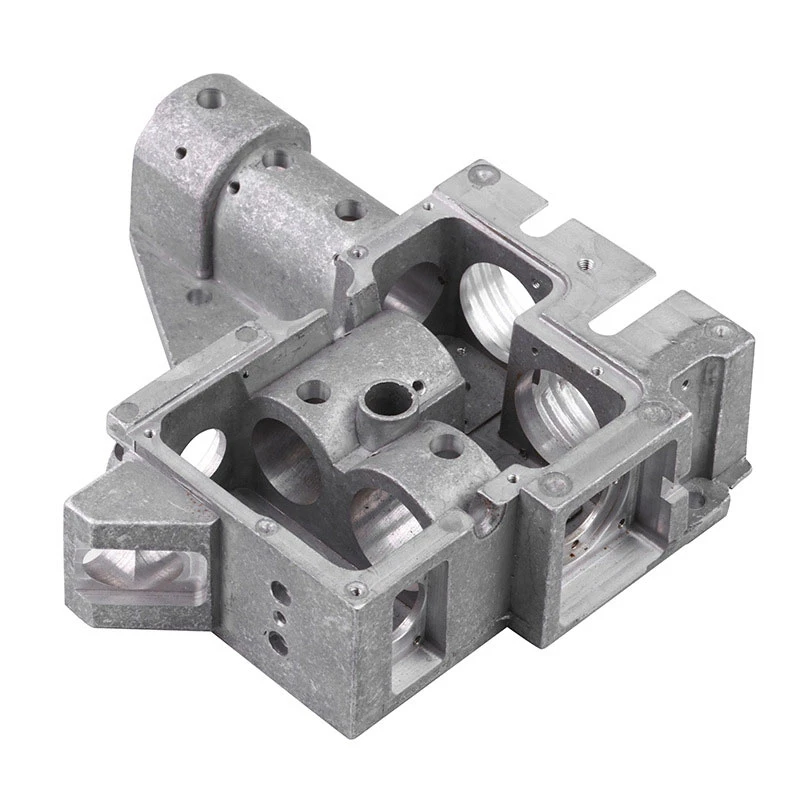
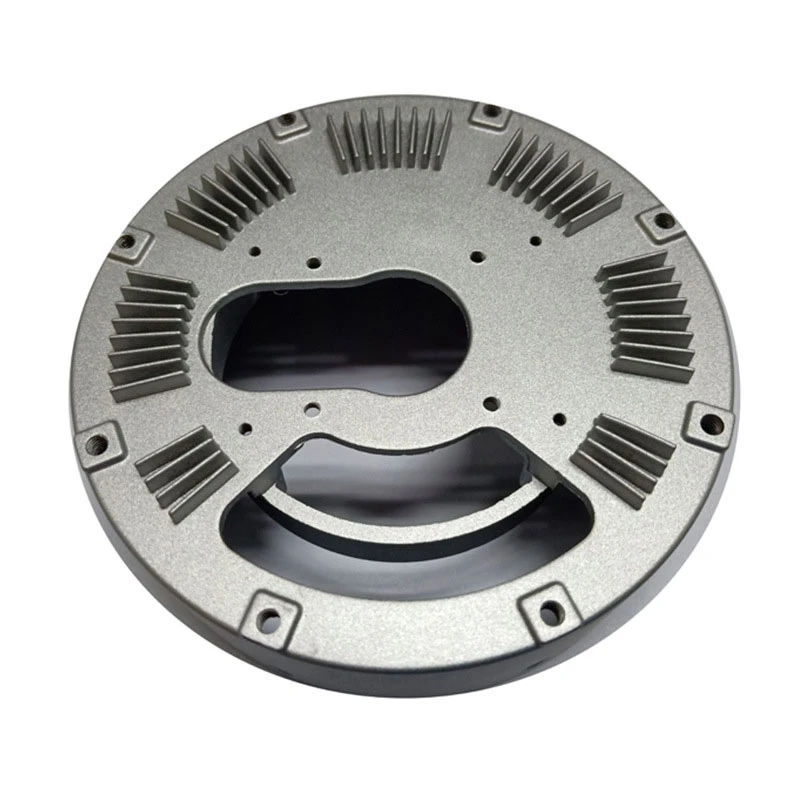
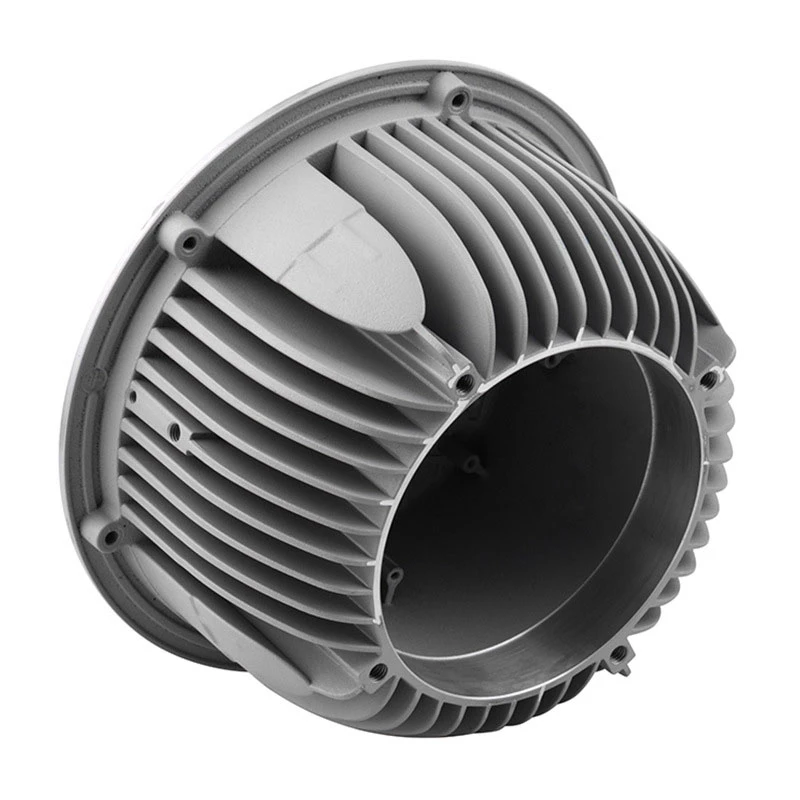
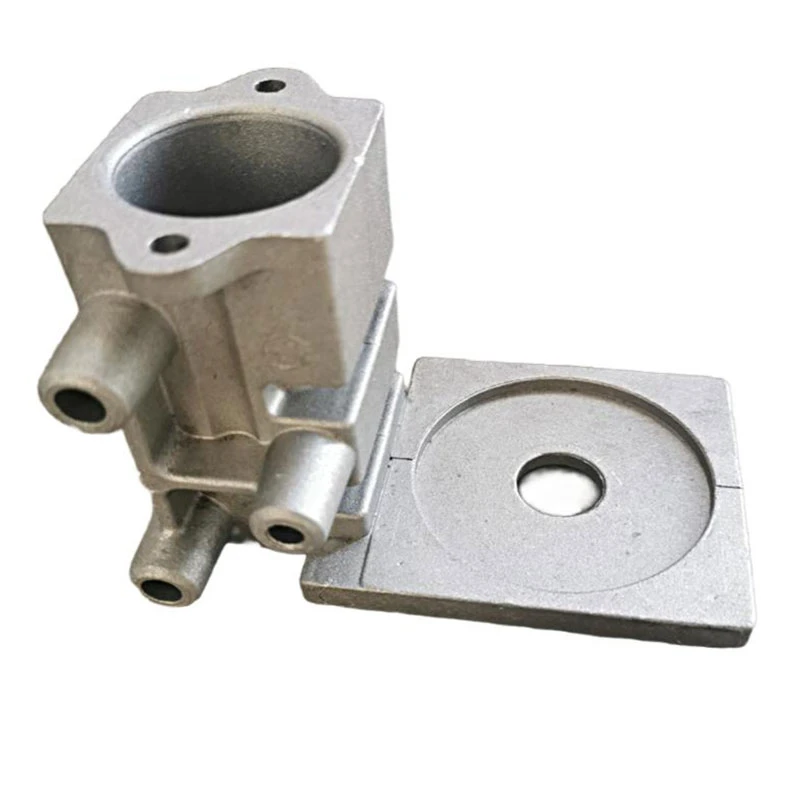
But what truly sets precision casting apart is the control over mold detail, minimal machining post-casting, and a capability for complex geometries. This makes it distinct from rougher methods like sand casting.
Nowadays, precision casting answers the call for highly reliable parts shaping our modern world—think jet engine parts, intricate medical implants, or precision gears.
Core Components That Define Precision Casting
1. Dimensional Accuracy
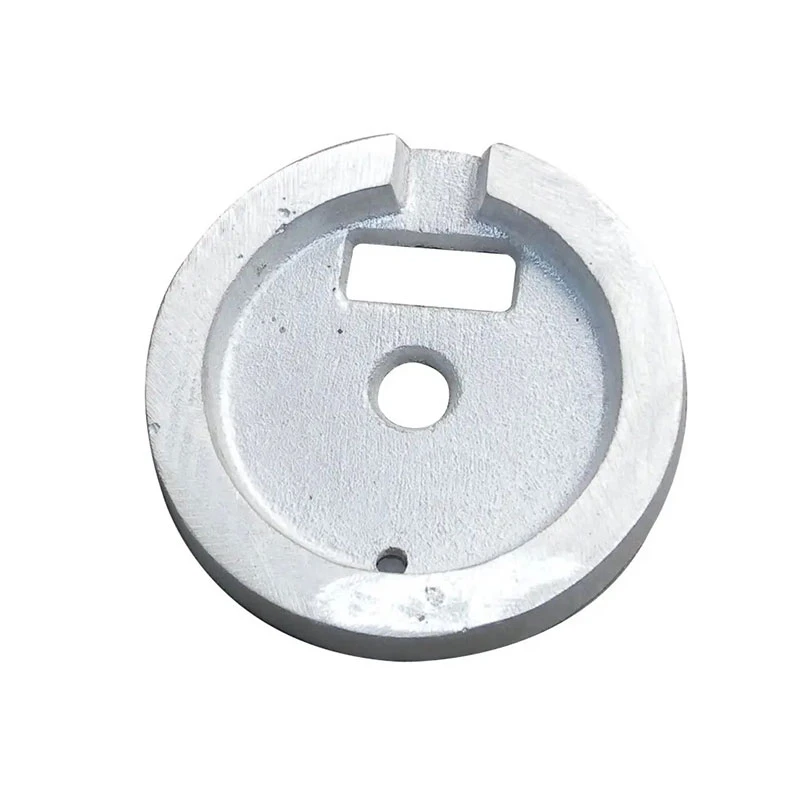
The hallmark of precision casting is tight tolerances. Typically, castings are dimensionally accurate within 0.1–0.5 mm depending on size. This reduces expensive finishing work.
2. Surface Finish Quality
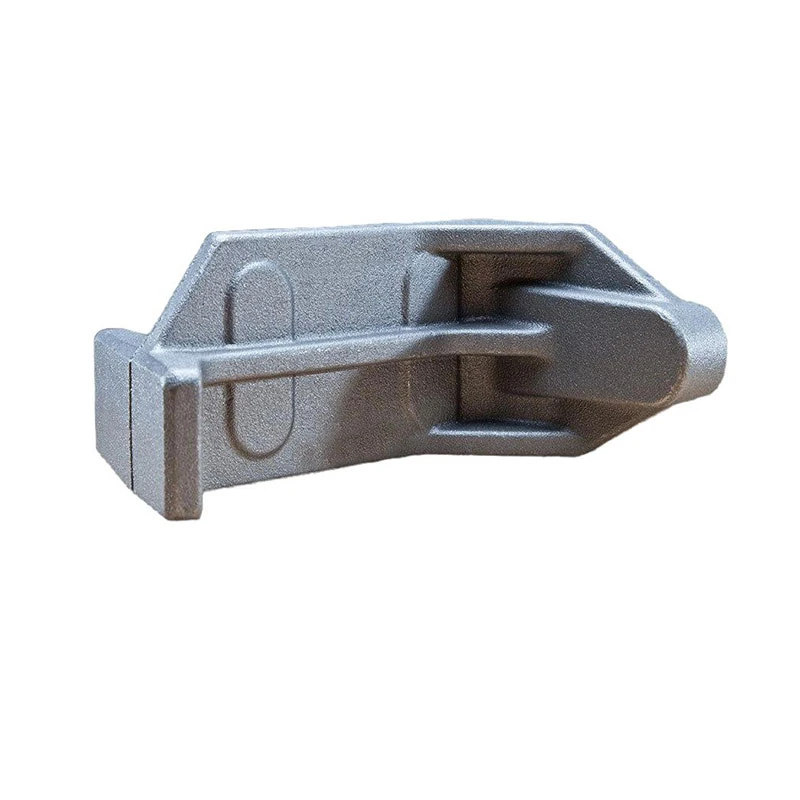
The investment casting process achieves a smooth surface finish often requiring little polishing. This improves performance where surface roughness matters.
3. Complex Geometry Capability
Unlike traditional casting processes, precision casting can produce complex, hollow, or multi-part assemblies as a single piece. Modern 3D printed patterns even extend this further.
4. Material Versatility
From stainless steels to superalloys, precision casting supports a broad range of metals ideal for specialized industrial applications.
5. Minimal Post-Processing
The closer the final product is to net shape, the less machining is needed—saving time, costs, and material waste.
Mini takeaway: Precision casting stands out when tight tolerances, fine surface details, and complex shapes are non-negotiable.
Where Precision Casting Shines Around the World
This process enjoys a global footprint. Aerospace hubs in the US and Europe rely heavily on precision casting, producing turbine blades with exacting standards. Meanwhile, China’s booming industrial sector applies precision investment casting for automotive parts and tools.
In healthcare, hospitals in Japan and Germany benefit from casting parts for surgical instruments and implants that demand biocompatibility and tiny tolerances. There’s also humanitarian impact: NGOs delivering safe, durable water pumps to remote areas leverage precision-cast components for reliability in rugged environments.
Precision Casting Product Specification Table
| Specification | Typical Range | Notes |
|---|---|---|
| Dimensional Tolerance | ±0.1 - 0.5 mm | Dependent on casting size |
| Surface Finish | Ra 1.6 µm or better | Reduces polishing need |
| Material Types | Steel, Ni-based alloys, Bronze, Titanium | High performance alloys supported |
| Max Component Size | Up to 1000 mm length | Varies based on process |
| Typical Lead Time | 3–6 weeks | Including pattern-making |
Why Choose Precision Casting? The Advantages & Long-Term Value
- Cost Efficiency: Less machining and waste means reduced production costs.
- Reliability: Parts conform to specifications, lowering failure rates.
- Sustainability: Reduced material waste and energy use align with green manufacturing goals.
- Innovation Enabler: Allows design of parts otherwise impossible with traditional methods.
Emotionally, it also builds trust—knowing a precision-cast aerospace part meets all inspections can be reassuring to engineers and passengers alike.
Comparing Top Precision Casting Vendors
| Vendor | Core Material Specialty | Lead Time | Special Services |
|---|---|---|---|
| Alpha Castings Inc. | Nickel alloys, Titanium | 4 weeks | 3D printed wax patterns |
| Beta Precision Metals | Stainless Steel, Bronze | 6 weeks | Rapid prototyping & testing |
| Gamma Foundry Solutions | Cobalt chrome, Superalloys | 5 weeks | ISO 9001 & AS9100 certified |
Looking Ahead: Trends Shaping Precision Casting
Automation and digital tools are accelerating the precision casting evolution. For example, AI-driven defect detection helps manufacturers spot tiny flaws earlier than ever. Meanwhile, additive manufacturing is merging with traditional casting — 3D wax printing means rapid iteration and customization on demand.
Environmental policies are pushing foundries toward greener binders and energy sources. In real terms, this means fewer emissions and less hazardous waste from the casting process — a welcomed trend in established hubs like Europe.
Common Challenges — and How Engineers Tackle Them
Despite its benefits, precision casting does face hurdles:
- High initial tooling costs
- Lead times that don’t suit rush projects
- Strict process controls needed to avoid defects
Innovations such as modular tooling and more widespread use of 3D-printed patterns have started cutting down these bottlenecks. Industry experts also note that close collaboration between design and foundry teams can preempt many issues.
FAQ: Which of the Following Qualifies as a Precision Casting Process?
- Q: Is investment casting the only precision casting process?
- A: Investment casting is the prototypical precision casting method, but sometimes other processes like shell molding are included depending on tolerances and finish.
- Q: How does precision casting differ from sand casting?
- A: Precision casting offers much finer dimensional accuracy and surface finish compared to sand casting, which generally produces rougher parts and requires more machining.
- Q: Can precision casting be used for very large components?
- A: Typically, precision casting suits small to medium parts due to mold and pattern constraints, but some large components can be built in sections and assembled.
- Q: What industries rely most on precision casting?
- A: Aerospace, automotive, medical implants, and energy sectors are among the biggest users, valuing the process for reliability and part complexity.
Wrapping Up
So, to answer the question—which of the following qualifies as a precision casting process? The clearest answer is investment (lost wax) casting, with some shell molding processes also qualifying when they meet precise criteria on accuracy and finish.
Realizing these distinctions is critical—not just academic. It impacts procurement decisions, production costs, and ultimately product success. As precision casting evolves with greener methods and digital transformations, its foundational advantages keep resonating across industries worldwide.
Curious to explore more about precision casting and related manufacturing insights? Visit our website for detailed guides, vendor connections, and industry news.
It’s a fascinating corner of manufacturing that quietly shapes the gadgets, machines, and medical tools we rely on every day. Kind of makes you appreciate the humble "casting" in a new light, huh?
References
-
Comprehensive Guide to Automotive Die Casting for Enhanced Vehicle PerformanceNewsJan.27,2026
-
Comprehensive Guide to Aluminum Pressure Die Casting Manufacturing ProcessesNewsJan.27,2026
-
Hot Chamber Die Casting vs Cold Chamber Die Casting ExplainedNewsJan.06,2026
-
Hot Chamber And Cold Chamber Die Casting Solutions for Industrial Applications | Hairun SourcingNewsJan.06,2026
-
Hot and Cold Chamber Die Casting: Key Insights from Industry ExpertsNewsJan.06,2026
-
Comprehensive Guide on Graphite Die Casting for B2B Manufacturing | HairunSourcingNewsJan.05,2026