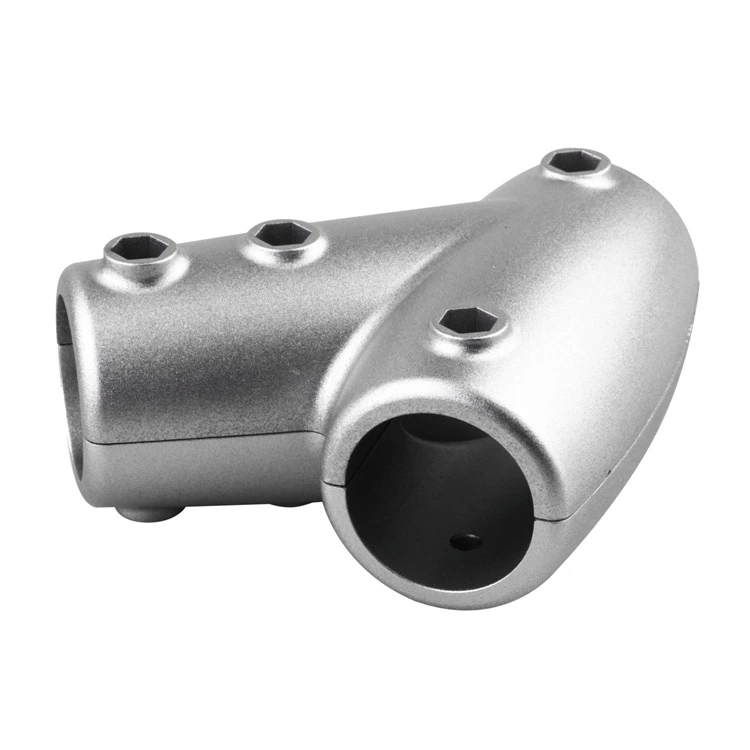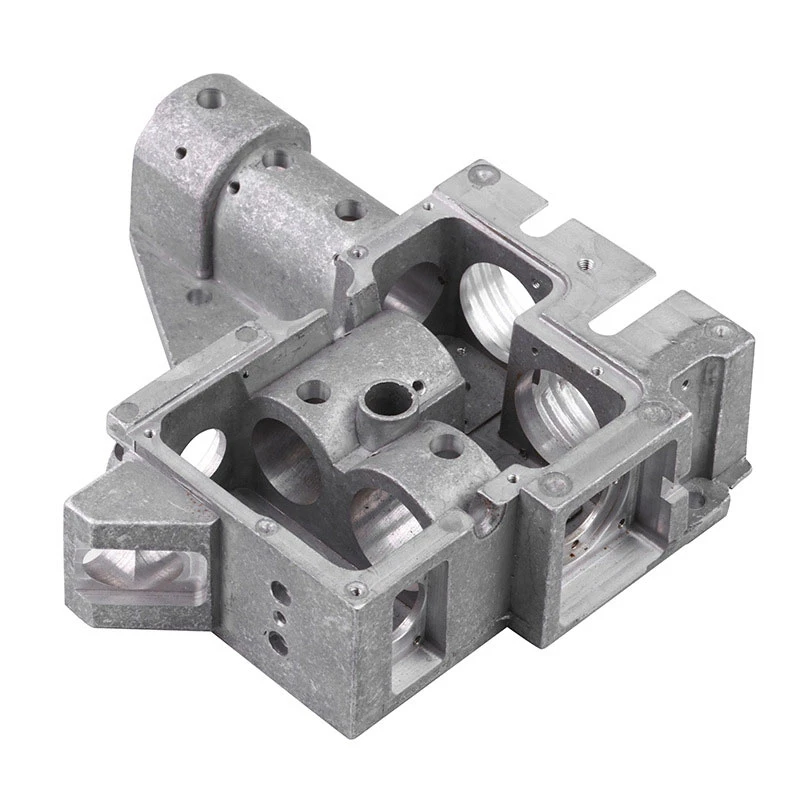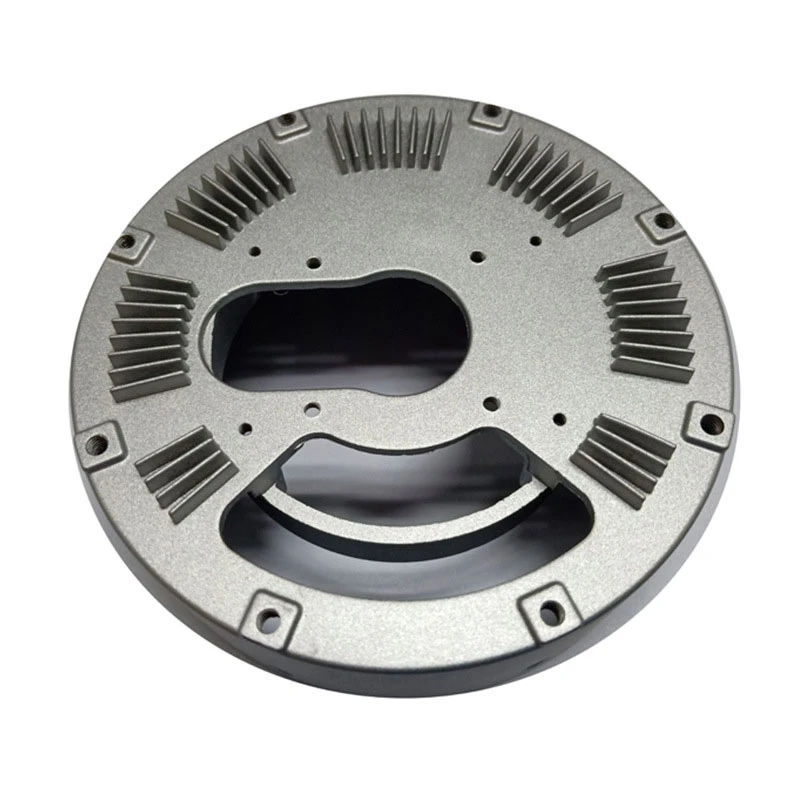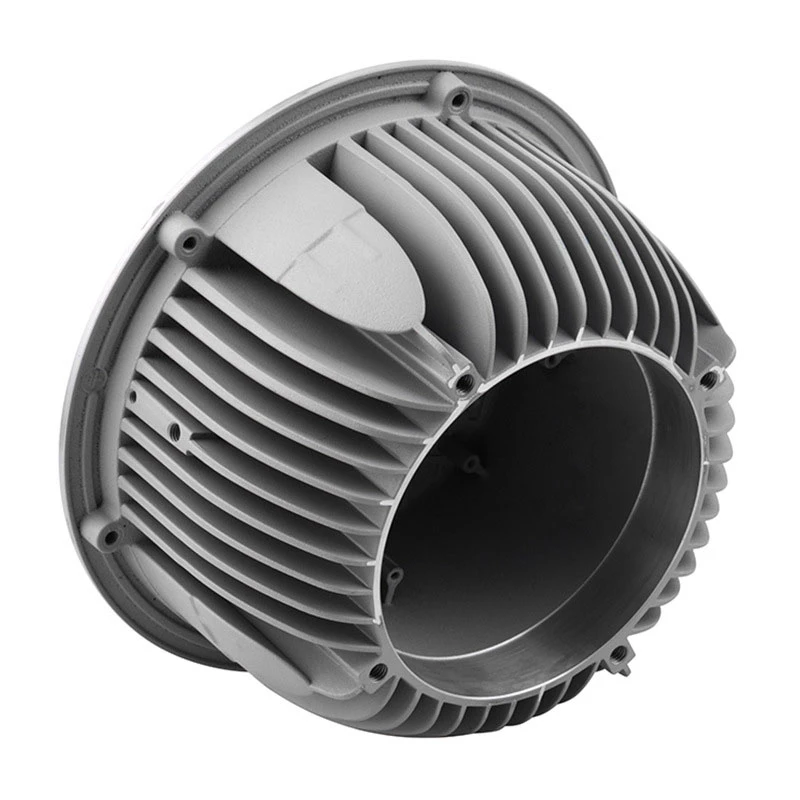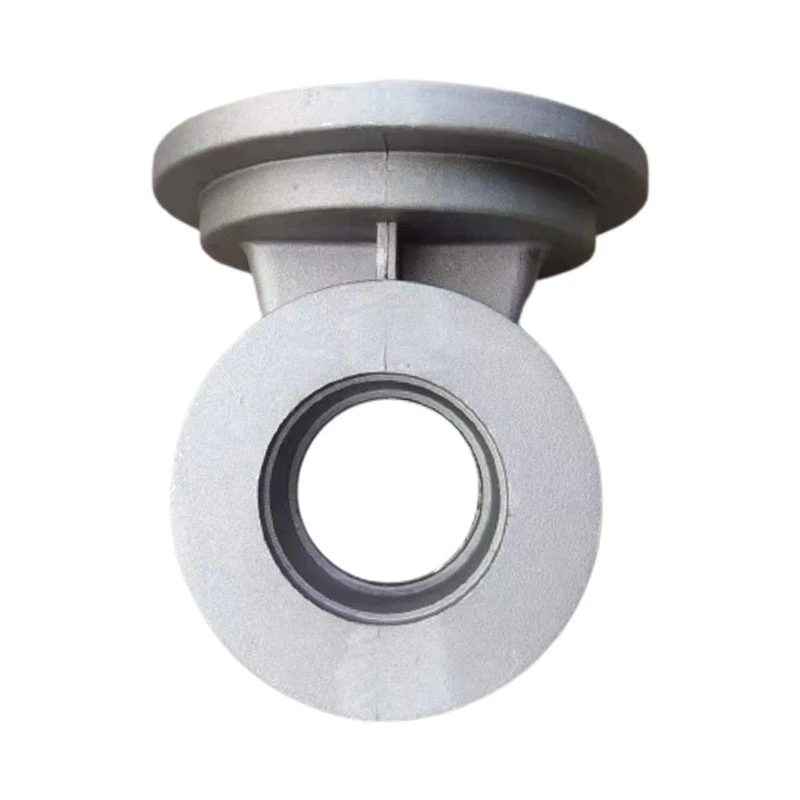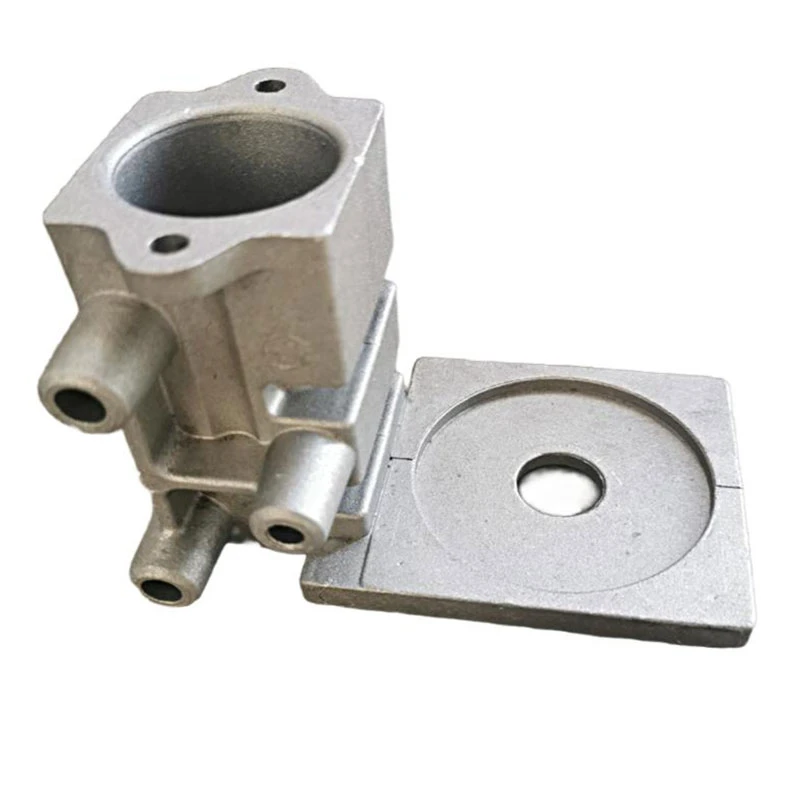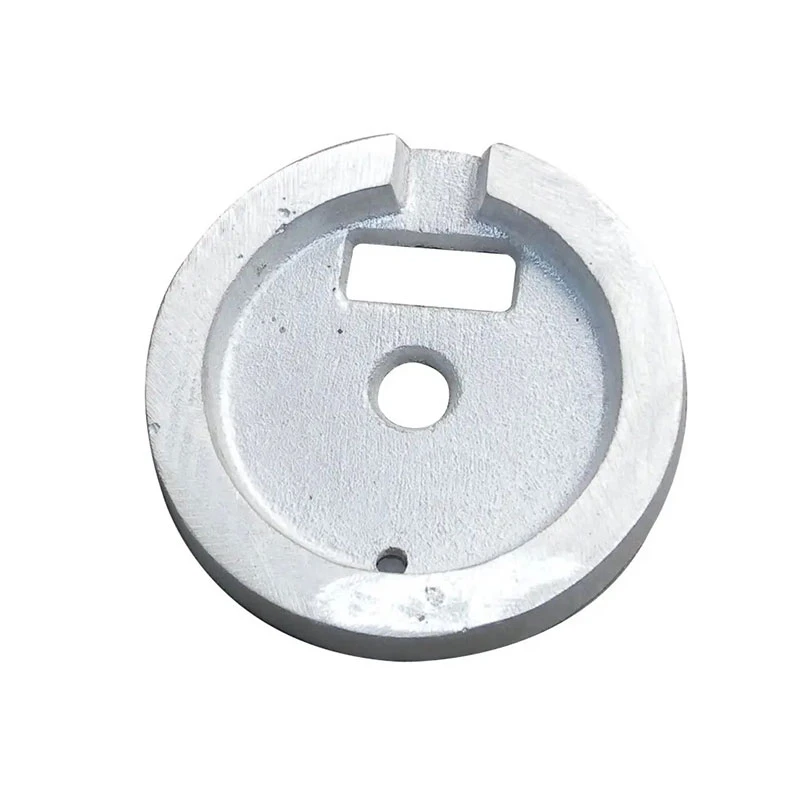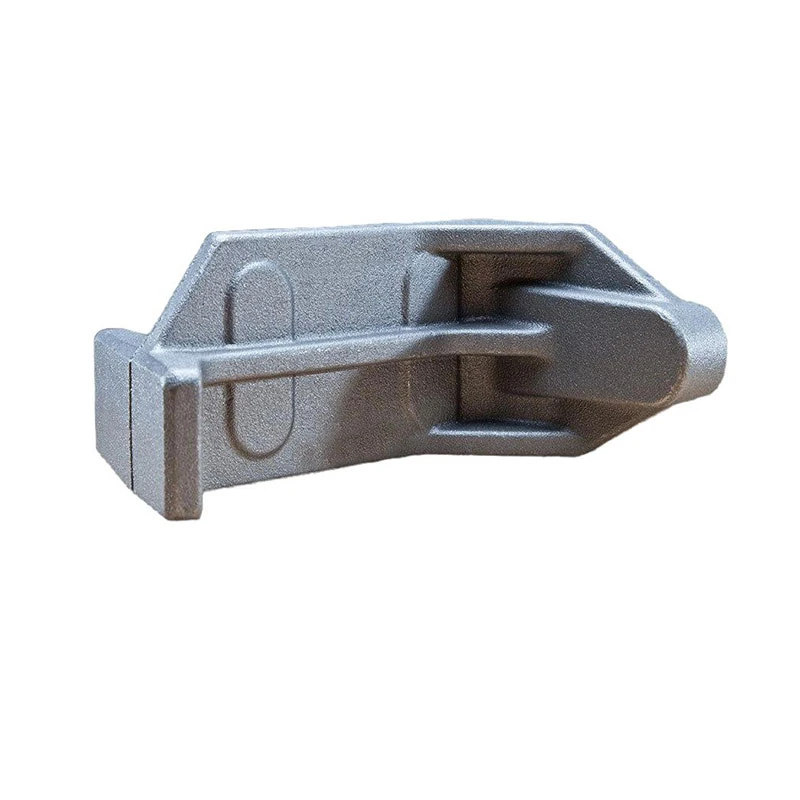



Precision Casting Services – High-Precision Metal Foundry Solutions for Industry
Getting to Know Precision Casting Services and Why They Matter Globally
Precision casting services often fly under the radar outside of manufacturing circles, yet their impact resonates worldwide. At its core, this process enables the creation of complex, finely detailed metal components that serve industries ranging from aerospace and automotive to medical devices and energy. These services are a quiet backbone, helping build reliable infrastructure, innovative tech, and even humanitarian solutions. As supply chains become more global and product standards rise, understanding precision casting isn't just an engineering luxury—it's essential for maintaining quality, efficiency, and sustainability on a worldwide scale.
To put it plainly: mastering precision casting services means producing parts that fit better, last longer, and function flawlessly in demanding environments. The benefits ripple through cost savings, environmental responsibility, and ultimately, better products for everyone.
Why Precision Casting Services Are Taking Center Stage Worldwide
In the last decade, global manufacturing output has grown consistently—reaching $13.7 trillion in 2022 according to the UN’s industrial statistics.1 Within that massive ecosystem, high-precision metal components have become ever more vital, especially as industries shift toward lighter, more efficient machines and devices. Precision casting, with its ability to replicate intricate geometries and tight tolerances, steps in where traditional shaping methods can’t keep pace.
However, a key challenge persists: how to scale casting services that are not only precise but also environmentally sustainable and cost-effective. Especially in regions with less industrial infrastructure, lack of access to reliable casting can hamper growth or force expensive imports. This bottleneck underscores the importance of developing accessible, high-quality precision casting platforms globally.
Precision Casting Services Explained — Simple but Powerful
Put simply, precision casting refers to a set of manufacturing techniques that produce metal parts by pouring molten metal into carefully shaped molds, achieving exact dimensions and smooth finishes. Sometimes called “investment casting” or “lost-wax casting,” this process involves creating a wax model of the part, encasing it in a ceramic shell, melting out the wax, then filling the cavity with molten metal. The final cast piece needs minimal machining afterwards, which is a huge time and cost saver.
This technology isn’t just for fancy gadgets; it plays a role in essentials like valves for water treatment plants or turbine blades powering renewable energy projects. It connects modern industry with the tangible needs of society by enabling durable, reliable metal components that keep systems running smoothly.
Core Components That Make Precision Casting Tick
1. Accuracy and Detail
The hallmark of precision casting is its ability to produce parts with very tight tolerances and complex shapes. This means less need for finishing work and a better fit in final assemblies — something manufacturers value highly.
2. Material Versatility
You can cast a wide range of metals: stainless steel, aluminum, cobalt-chrome alloys, and superalloys, all depending on the application. This flexibility enables industries like aerospace and medical devices, where specific metal properties are critical.
3. Scalability and Repeatability
Despite its artisanal roots, modern precision casting scales well from prototypes to production runs of thousands. Automation and mold-making advances have made repeatability more reliable than ever.
4. Cost Efficiency
While traditional machining from blocks of metal wastes material and time, precision casting optimizes material use and reduces machining steps—slashing costs for both small batches and larger projects.
5. Surface Finish Quality
The ceramic molds provide smooth surfaces on cast parts, which improves aesthetics and reduces friction or corrosion in use.
6. Lead Time Improvements
Especially when combined with rapid prototyping tools like 3D-printed wax models, turnaround times for parts have dropped noticeably in recent years.
Mini takeaway: Precision casting isn’t a single trick but a synergy of accuracy, materials science, and process control — making it indispensable in high-precision manufacturing.
Precision Casting Services in Action: Real-World Applications and Usage Across Continents
From jet engines humming over North America to surgical devices crafted in Europe, precision casting services underpin a host of critical sectors globally. For instance, turbine blades for wind farms in Northern Europe require materials that resist fatigue and corrosion — precisely the strengths provided by investment cast components.
In emerging industrial hubs in Asia and Africa, precision casting helps local manufacturers upgrade from generic parts to specialized ones, reducing reliance on expensive imports. For humanitarian infrastructure, reliable valve components in water filtration systems ensure clean water access in remote areas.
Take the example of a manufacturer in India who recently partnered with precision casting services providers to produce custom aerospace brackets. They shaved weeks off lead times while enhancing part performance, opening new export opportunities.
Advantages That Keep Precision Casting Services in Demand
- Cost Savings: Less waste, fewer finishing steps, and shorter lead times mean budget relief for manufacturers.
- Environmental Impact: Reduced material use and energy-efficient processes align with growing sustainability goals.
- Reliability & Safety: Parts that fit perfectly and perform consistently mean safer machinery and fewer breakdowns.
- Innovation Booster: Enables designers to realize complex geometries unachievable by other means.
- Social Impact: Supports industries creating critical infrastructure, improving quality of life.
All in all, precision casting stands as a bridge linking cutting-edge technology with human-centric value.
Sample Product Specification: Precision Casting Components
| Specification | Typical Range | Comments |
|---|---|---|
| Dimensional Tolerance | ±0.25 mm (varies with size) | Tighter on smaller parts |
| Surface Finish | Ra 1.6 μm or better | Usually no machining needed |
| Part Size | From 5g to 15 kg | Larger parts possible with segmented molds |
| Materials | Steel, Aluminum, Titanium, Superalloys | Depends on foundry capability |
| Batch Size | 1 - 10,000+ units | Highly scalable with automated lines |
Comparing Precision Casting Vendors: What to Look For
| Feature | Vendor A | Vendor B | Vendor C |
|---|---|---|---|
| Material Options | Steel, Aluminum, Bronze | Titanium, Superalloys | Steel, Aluminum, Nickel Alloys |
| Typical Lead Time | 3-4 weeks | 5-7 weeks | 2-3 weeks |
| Batch Size Flexibility | 1–5000 units | 100–10,000 units | 1–1000 units |
| Certifications | ISO 9001, AS9100 | ISO 14001, Nadcap | ISO 9001 only |
| Sustainability Practices | Recycled materials, efficient molds | Renewable energy powered foundry | Waste reduction programs |
Looking Ahead: Future Trends and Innovations in Precision Casting
Engineering doesn’t stand still — and neither does precision casting. New 3D printing technologies are making mold production faster and more flexible, effectively removing bottlenecks that used to gum up production. Also, the rise of additive manufacturing complements casting, letting engineers combine the best of both worlds.
Environmentally, the push toward using renewable energy in foundries and developing biodegradable mold materials is gaining traction, possibly revolutionizing the industry’s carbon footprint. Digital twin simulations of the casting process help perfect designs before physical production, which saves time and resources.
Challenges in Precision Casting—and How Industry Pros Tackle Them
The main headaches usually revolve around controlling shrinkage and porosity during cooling, which affect the final product’s integrity. Skilled foundry engineers, advanced computer modeling, and improved process controls increasingly mitigate these issues.
Another challenge is the high initial setup cost for molds, especially for small production runs. Innovations like 3D printed molds or hybrid casting-machining processes can lower upfront expenses and provide more flexibility.
FAQ: Precision Casting Services Questions You Might Be Wondering About
- Q: How precise can investment casting really be?
A: Typically, investment casting achieves tolerances of ±0.25 mm or better, sometimes down to a few microns on small parts. This allows for near-net shaping, reducing machining efforts significantly. - Q: Are precision casting parts suitable for critical aerospace components?
A: Absolutely. Aerospace-grade alloys and quality controls meet strict standards like AS9100, making these parts reliable for jet engines and structural applications. - Q: How do casting services handle low-volume, high-complexity orders?
A: Many foundries offer scalable batch sizes and use rapid prototyping molds or 3D wax printing to accommodate small runs without excessive expense or delay. - Q: Is precision casting environmentally friendly?
A: When compared to subtractive machining, it reduces raw material waste and energy consumption. Plus, many modern foundries pursue green certifications and sustainable practices. - Q: Can international companies import precision cast parts hassle-free?
A: Many vendors provide export-ready documentation and comply with global standards to simplify shipping and customs clearance, making global sourcing practical.
Wrapping Up: Why Precision Casting Services Are a Must-Know for the Future
In a world where every gram of material, every micron of tolerance, and every minute of production time counts, precision casting services offer a powerful combination of quality, cost-efficiency, and sustainability. They support innovation while meeting the real-world needs of industries and communities alike. If you're involved in manufacturing or sourcing metal parts, it’s worth exploring these services to gain that competitive edge.
Want to discover how precision casting can elevate your projects? Feel free to explore our partners and offerings at precision casting services — your gateway to superior metal manufacturing solutions.
References
-
Comprehensive Guide to Automotive Die Casting for Enhanced Vehicle PerformanceNewsJan.27,2026
-
Comprehensive Guide to Aluminum Pressure Die Casting Manufacturing ProcessesNewsJan.27,2026
-
Hot Chamber Die Casting vs Cold Chamber Die Casting ExplainedNewsJan.06,2026
-
Hot Chamber And Cold Chamber Die Casting Solutions for Industrial Applications | Hairun SourcingNewsJan.06,2026
-
Hot and Cold Chamber Die Casting: Key Insights from Industry ExpertsNewsJan.06,2026
-
Comprehensive Guide on Graphite Die Casting for B2B Manufacturing | HairunSourcingNewsJan.05,2026